The parallel reality of Parque Morazán: “Marcela”

Parque Morazán

“Marcela” is a symbol, but she is also real, flesh and blood, this is a call for help from someone who knows she doesn’t know and wants to help.

Since August of last year I have been living in the Solera Bennett Building, in front of Parque Morazán. Every day, I religiously sit down at dawn to write my diary, meditate, read the Course, look out the window.

It is an interesting window to say the least. Diagonal to the now Aurola Marriott, every morning I see the tours that go to Tortuga Island and Tortuguero arriving, I remind myself of my history as a guide, a tattoo that I will carry until the last of my days in my soul. I see Interbus, and a lot of other buses, minibuses and trolleys of every color and flavor getting on and off passengers non-stop all morning long.

Likewise, I see and suffer the trucks that arrive to drop off various goods at the Musi, down here.

I see the patrols and their searches, I see those waiting for the cars that will take them to their jobs and inevitably I see the homeless. These human beings that we all see and no one sees. Those to whom we give the arrogant gift of our compassion when not that of direct annoyance, by their attitudes, their smells, their continuous filth, and the terrible sadness that dwells in their faces as if spitting at us that they are also ours. Human. And as such, mirrors of realities that we do not want to admit… (or do we? Who am I to say that you do not admit them?).

Parque Morazán is a parallel reality, it is like a Sims game, in which we are all, inevitably, “NPCs” (Non playing characters, that is… extras.). Whatever I think of the people below is bound to be wrong. The only thing I see is what I think. So, having said that, I want to tell you about “Marcela”.

I saw “Marcela” for the first time shortly after arriving here. A pretty woman, walking barefoot, sandals in hand, at six o’clock in the morning; long, soft curly hair, with a worn but present, somewhat blonde tint still. Somehow I sensed her contentment, God only knows why! I saw her a few hours later buying a beer at the Musi. I thought it would be a party girl waiting for someone or something to go home.

That happens here in Morazán from time to time. Someone comes along with a six pack, or a solitary beer and sits around, hanging out, with friends or in silence.

But “Marcela” became a daily occurrence. That’s why I named her, to distinguish her from the rest.

Every once in a while he would appear, with a somewhat pungent voice, asking a pedestrian smoker for a cigarette. I didn’t realize she was homeless until weeks after seeing her. It is not the classic. That is the point. She does not have the haggard face of the crack addicts, nor the blotchy face of the drunkards, she is a healthy, robust, beautiful woman. She’s not even thin, she’s got her curves. If she dressed up she could look amazing anywhere.

I named her “Marcela” in my own story.

One day in November she disappeared, I didn’t see her again for several months.

In those days some crack addicts camped in the dry fountain of the park, and lots and lots of policemen began to fill the streets of December.

I think it was in January that she reappeared. With short hair. It was like she was coming to the park for the day. He wandered among the little meadows getting sun like Diogenes, sleeping more hours than a newborn baby. Smoking at times, sitting at others. Many times just staring into the void.

For a few weeks, I saw her talking to different people. Someone would stop by on a motorcycle and give her cigarettes in the mornings. Another would leave her breakfast from time to time. I think at that time she was sleeping somewhere.

A few weeks ago I decided to find out more about her because something changed and she sleeps here, out in the open. If it is not raining in any dry corner of the park; when we are in a downpour, she takes a place at the side of the hotel. Interestingly, she leaves at times and comes back with other clothes, rags more and rags less. Sometimes she seems fine, other days it is as if Life has run over her with viciousness and rancor. Urinate anywhere, the other, she does behind any bush.

I have thought for weeks about bringing her this or that. I stop myself.

Sometimes I’ve kicked myself for those “savior of mankind” impulses. I have learned my lesson and bueh, here I am writing, because soon and someone knows how we can seriously help her.

Musi’s people say that at the beginning she came in and everything worked very well, but at times she became very aggressive and sometimes she had to be forcibly removed from the door from where she would at times, harrass the clients and whatever else. (Again, what do I know what this girl is looking for?)

Sometimes humanitarian groups come and feed her.

On Sunday, someone waiting for a ride approached her, spoke to her, gave her something and hugged her with such tenderness that tears came to my eyes. I will never know who this wonderful woman was, but the gift was not only given to this poor woman abandoned by life.

There are those who give herwater, permission to stay under a roof, and an occasional pastry, but nothing temporary seems to really help.

“Marcela” has some serious mental disorder. I dare not diagnose anything of course. But she has it, undoubtedly.

Sometimes we see her fighting, singing, shouting. But she usually sleeps and sleeps and sleeps, all day and all night.

It smells like a terrible depression. But I don’t know.

So, I pose the question: Is there anything that can be done for this woman?

Is there an institution that can pick up the baton of this call and give you what you need? Treatment? Human Rights? Women’s Rights?

Here they are.

Obviously I’m not going to post a picture of her. But if anyone can do anything to get her out of the daily hell of the streets, just come to the Morazán on the Solera Bennett side. She is rarely not here.

Watching whales in Costa Rica, a guide

Cahuita Acrylic Painting with blue and green twirls

Watching whales in Costa Rica is relatively easy if you are at the right time and in the right place, of course. However, do you know when that is? Costa Rica has not only two oceans but different regions that work as different habitats for different species. Let us tell you a bit about where to find them and at what time of year.

Watching whales in Costa Rica
Costa Rica Whale Watching

To see whales in Costa Rica is entirely possible, as this area is the gathering place for humpbacks from both hemispheres. As they play an essential role in the tourism industry in a few country regions, many tours will give you this fantastic experience during the nine months when whales are around our coastlines.

With shorelines on the Caribbean Sea and the Pacific Ocean, Costa Rica has more maritime territory with 221,902 Mi2 (574,725 Km2) than terrestrial space, which is merely 19,729 Mi2 (51,100 Km2).

The Pacific Coast is marked by numerous gulfs, peninsulas, small isles, islands, and points. In comparison, the east coast is completely uniform except for the southern areas, where you find Puerto Viejo, Cahuita, and Manzanillo.

These irregularities on our Pacific shore are perfect for the whales to be seen. Their waters are calmer, and it is easier to spot them on the Pacific coast.

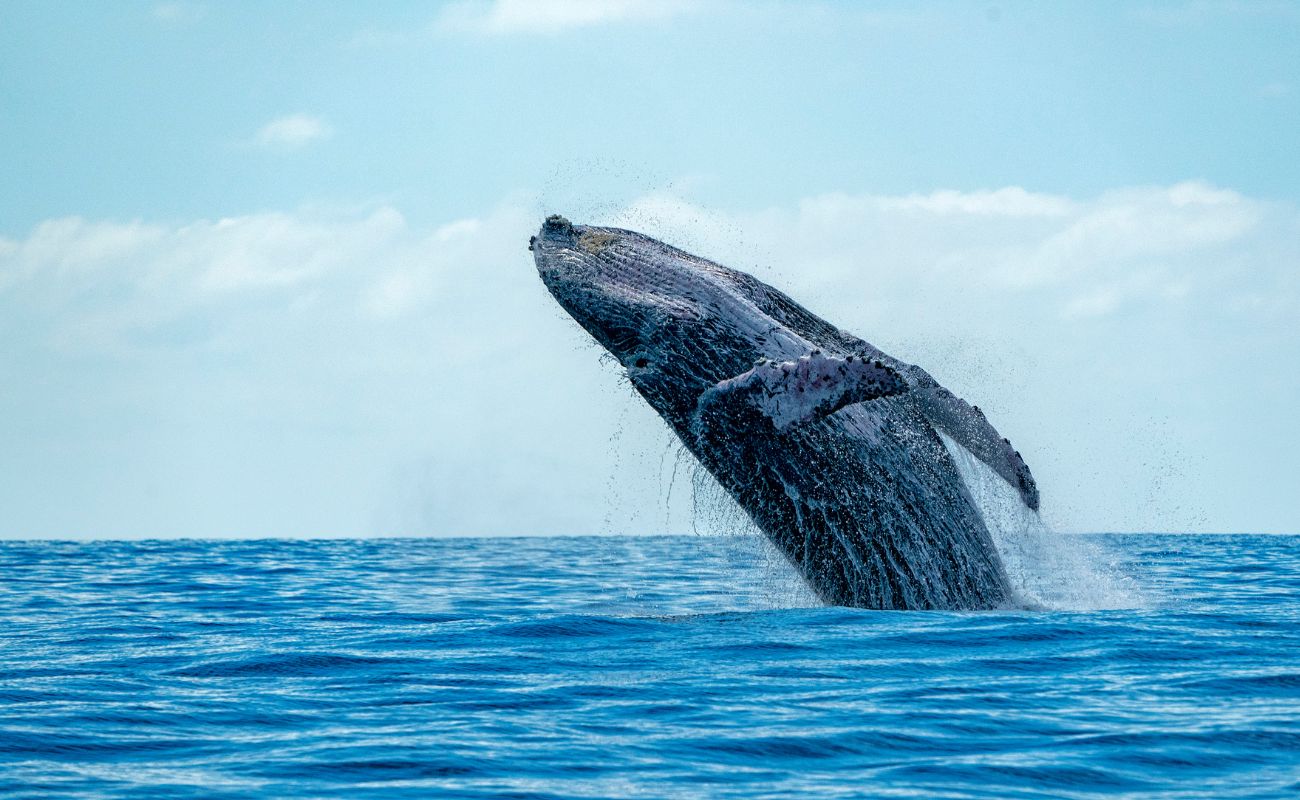
The most visible of all whales worldwide is the magnificent Humpback Whale, as they remain mostly all the time closer to the surface.

In Costa Rica, we have pseudo orcas, pilot whales, and others that have been seen close to our coast. However, the acrobat of the ocean is the humpback whale.

They jump, float, come near, and play, and if your time in Costa Rica is correct and you are lucky, you may see them bounce and dance near the surface.

 Let’s talk about watching whales in Costa Rica, and their impressive migration.

Watching whales in Costa Rica
Costa Rica Whale Watching

The North Pacific Humpback Whales have the most extended migration path of any animal on the planet. 5,160 miles (8,300 km). They move from the icy North Pole waters, where they get fed, to the much warmer tropical and subtropical ocean waters that range from northern California to Central America.

The southern hemisphere population is more significant, with around 6,000 whales. They cover thousands of miles from Antarctica to the more heated seas of Central America.

These yearly trips are well known and tracked. However, the reasons behind the places that host the whales during their winters are still unknown.

Some of the most common hypotheses around this are: 

  • A remaining behavior from when the ocean basins were smaller and feeding and wintering regions were closer.
  • The maximization of energy resources by spending winter in warmer waters.
  • Growth and possible chances of survival of calves (offspring) increase in warm, protected waters.
  • Escape of killer whales (Orcinus orca) depredation at tropical latitudes.

The fact is that they breed and sometimes give birth in these areas, and usually, when you spot them in Costa Rica, you will watch a calf accompanying the massive mammal.

When they arrive in Costa Rica, they will get together and use their time in the tropics to find suitable coupling mates, give birth, and allow the newborns to grow stronger and wiser for the trip back to the cold waters where they feed. 

Watching whales in Costa Rica
Costa Rica Whale Watching

The warm waters are considered excellent for the development of baby whales, even if they are already 4-5 m long (13–16 feet) and can scale up to 1 ton (907 kg) when they are born. Many predators will be after it because, as big as it may seem, it is immature and playful and, at times, can get out of its mother’s immediate sight.

Mother and calf surface to breathe together.

Now, in Costa Rica

There are two separate humpback whale migrations, and they happen at varying times of year but never overlap, as seemingly they are escaping from the coldest months of their feeding areas.

·         Southern humpback whales start to show up in late July and remain until early November.

·         Northern humpbacks ordinarily begin to come to Costa Rica in December and may be viewed until late March or early April.

And of course, this is unique, as there is a chance to see whales nine out of twelve months of the year.

They don’t bring the same number of individuals, so please keep reading to get the most information from this post.

Costa Rica Whale Watching

Fast Facts about the whales that come to the coasts of Costa Rica

  •  The South Pole migration has the most significant number of whales, and the peak season is from August to October. Through this time of year, your probabilities of observing humpback whales are pretty good.
  • The majority of the Alaska and California whales spend their winter in Hawaii, Japan, and other places to the north, so there are fewer in Costa Rica. Thus, it is harder to watch humpbacks from December to April, but not wholly impossible.
  •  Whales are occasionally detected on catamaran, kayaking, and snorkeling tours, especially from late December to the beginning of February. Still, there is more chance to see sea turtles, sea birds, and dolphins at this time of year.
  • April to mid-July are the months when, most likely, you won’t see whales at all on our coasts.
  • Humpbacks from the northern Atlantic Ocean also move close to Costa Rica (Caribbean Coast) but are not seen significantly, so whale watching isn’t as successful as on the Pacific side.
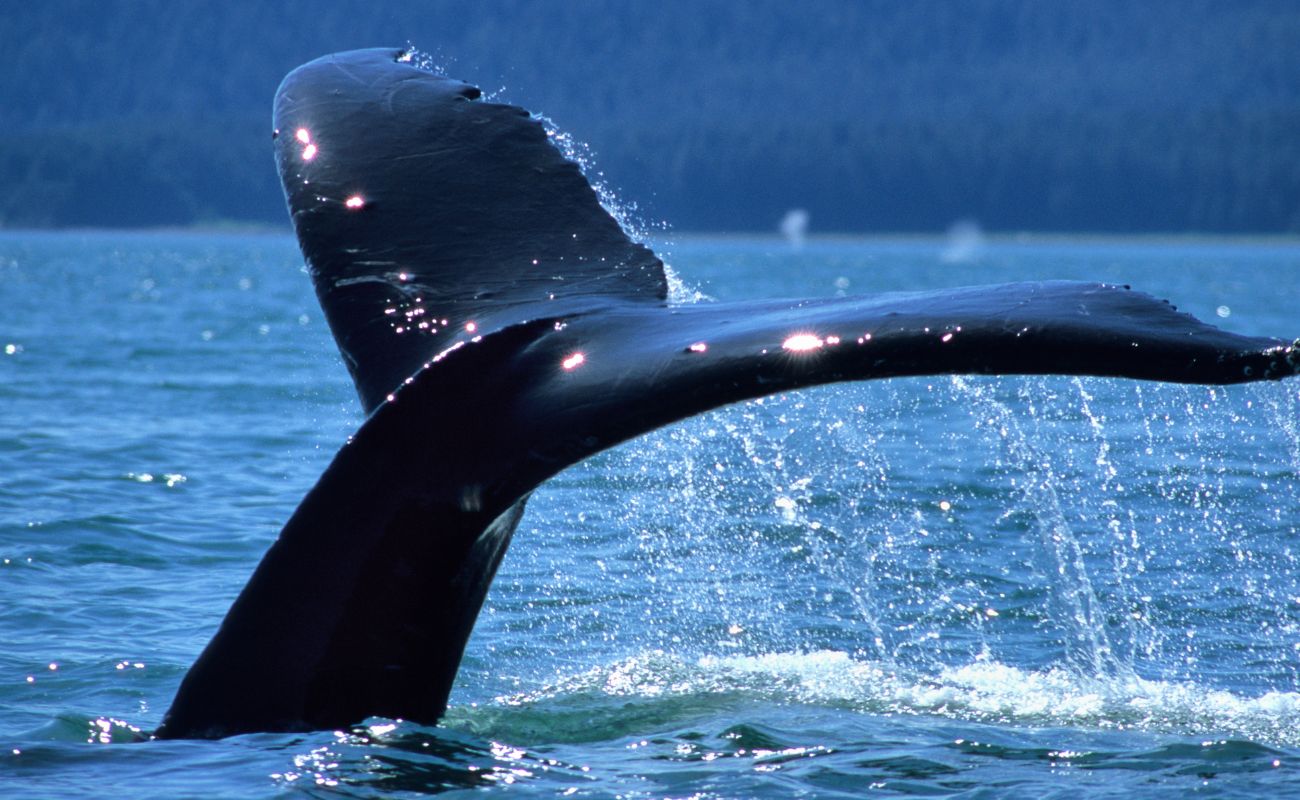
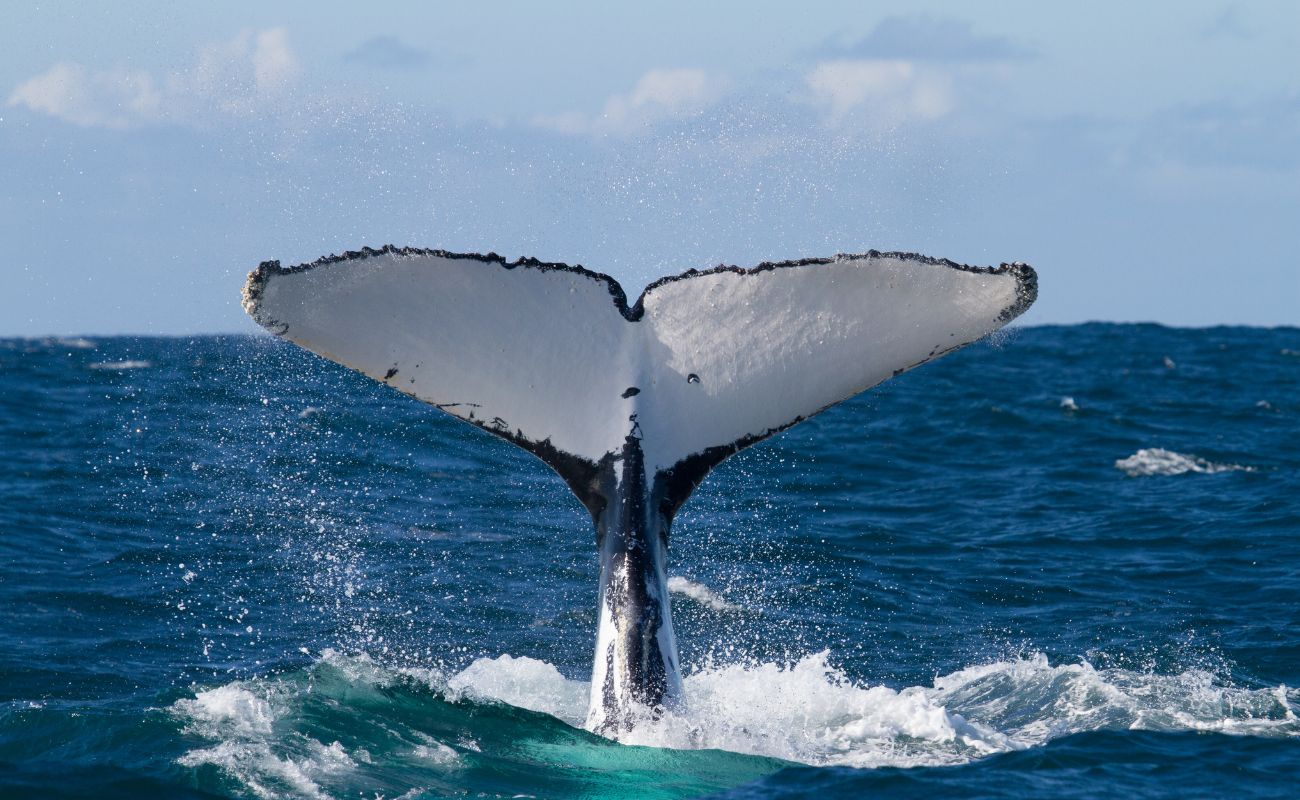
  • Humpbacks make magnificent displays with their tails and huge fins when they jump out of the water. Be ready for it!
  • Males fight for females by singing songs, producing complex bubble performances, and bodily repelling one another.
  • A baby comes 11 months after coupling, and calves linger by their mother’s side for up to a year. They are very affectionate with each other, and the mother can sometimes be jealous of the environment as predators will try to hunt the babies.

Where to watch, what?

Approximately 25 species of whales, dolphins, and manatees have been seen on our coastlines, with different species from coast to coast.


Osa Peninsula, Golfo Dulce, Drake Bay, and Isla del Caño.  

These maritime mammals come in all sorts of groups, from lonely female whales to the super schools of dolphins around the Osa Peninsula.

What You Can See: 

Humpback Whales

Bottlenose Dolphins,

Pseudo Orca Whales

Pilot Whales

Spinner Dolphins

Spotted Dolphins

Common Dolphins

Rough-Toothed Dolphins


When: The primary season to watch whales goes from late July to early October.

The whales you see in this region come from the Southern Hemisphere, although some Northern Humpbacks show off from late December to February.


Experiences:

The best idea is to take the tours from Drake Bay to Caño Island, as the water between the bay and the island is usually populated with pods of dolphins and whales.

Costa Rica Whale Watching


 Marino Ballena National Park (Central-South Pacific) 

What You Can See: 

Humpback Whales

Pseudo-Orca Whales

Pilot Whales

Spinner Dolphins

Spotted Dolphins

Common Dolphins

Bottlenose Dolphins


When:  The migratory humpback whales can be found in the area from late July to October and late December to early March.


The Experiences: Marino Ballena National Park strictly monitors all whale watching in the region to guarantee that the tours are safe and enjoyable yet sustainable, respecting a logical distance not to disturb the cetaceans.

Trips leave the national park every day, traveling out to observe the fantastic park’s whale tail land formation and then going to the usual places where these marine mammals hang around.

Humpback whales are recognized to be especially active in this area, sometimes in larger groups.

Costa Rica Whale Watching

South Caribbean Coast

What You Can See:

Humpback whales (very rare)

Bottlenose Dolphins

When: To watch dolphins, you can go offshore any time of year. The humpback whales that rarely show off in this area come from the north, talking from late December to February.

The Experiences: 

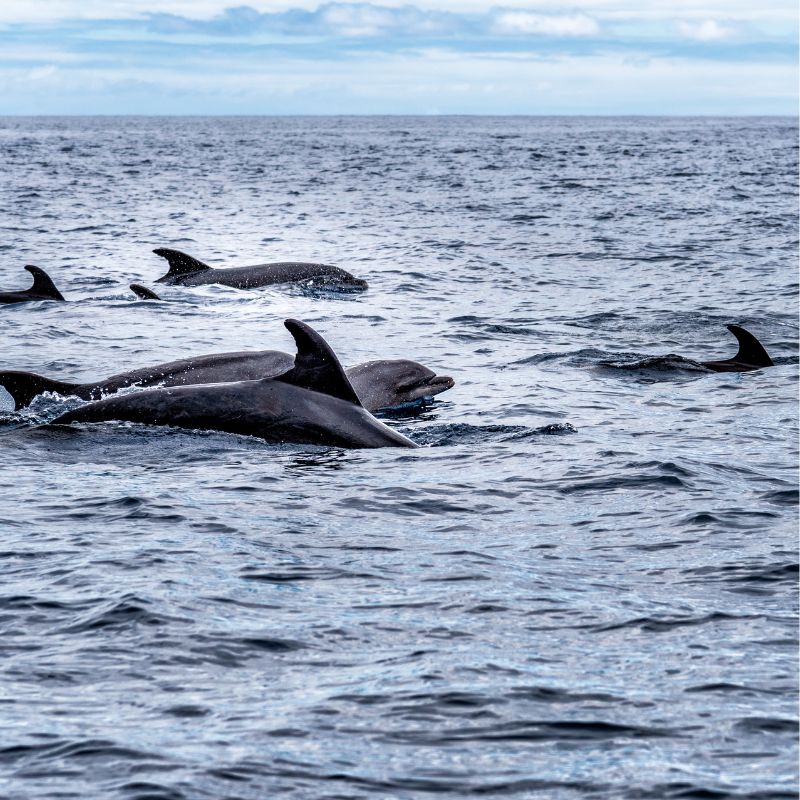
The Caribbean coast has an outstanding bottlenose dolphin group that is easily spotted when you go snorkeling.

Although it is not part of Costa Rica, an area to almost guarantee dolphins’ sightings is the Archipelago of Bocas del Toro, where there is even a spot called Dolphin’s Bay.

Tortuguero Canals (North Caribbean)

It is a rare sighting, but dolphins can be seen in the Tortuguero River, closer to its exit to the sea.

They follow the boats that go to the airport at times.

What to see: 

Bottlenosed Dolphins

Guanacaste (North Pacific Coast)

What You Can See:

Humpback Whales

Pilot Whales

False Orcas

Orcas (rare) 

Spinner Dolphins

Bottlenose Dolphins

Common Dolphins


When: At least three species of dolphin can be located during the year.

The most suitable time to see whales and dolphins is from late July to October and late December to late March.


Experiences:

There are plenty of chances to see them on the catamaran sunset sailing tours, on snorkeling trips, and even, if lucky, on a kayak or paddleboard, as they move pretty slowly in these regions.

Costa Rica Whale Watching
Costa Rica Dolphin Watching

Planning your trip to Costa Rica to see the marine wildlife as well? 

To conclude this guideline to watch whales in Costa Rica, if that is your main interest, the best time is about to get here, in September!

If you want to see whales, dolphins and other natural wonders in Costa Rica, send me a note with your questions to writer@olgasaenz.com maybe I’ll be able to give a couple answers 😉


Written by Olga Sáenz, painter and copywriter

Reference:

Beach Town Travel. (2023, May 27). Where to See Whales, Dolphins, and Manatees in Costa Rica. Beachtowntravel.com; Las Catalinas. https://theblog.beachtowntravel.com/where-to-see-whales-dolphins-and-manatees-in-costa-rica


Costa Rica  in the Rainy Season: The Things You Should Know

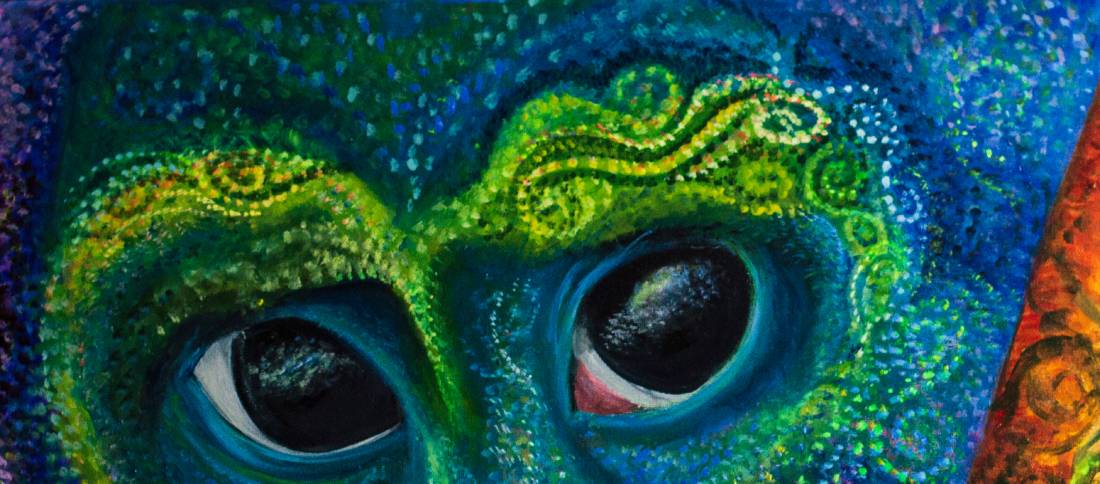
Costa Rica painting - Hanuman

Discover the unparalleled beauty of Costa Rica in the rainy season. From vibrant green landscapes to dramatic sunsets and abundant wildlife, the rainy season offers a unique and unforgettable experience. Explore the diverse microclimates, enjoy less crowded attractions, and take advantage of more affordable travel options. Whether you’re hiking through lush forests or experiencing the thrill of whitewater rafting, Costa Rica’s rainy season is a paradise for nature lovers and adventure seekers alike.

Continue reading

Nature-Inspired Art Workshop: Painting the Wildlife of Costa Rica with Olga Saenz

Nature-Inspired Art Workshop

Dive deep into the essence of Costa Rica’s vibrant wilderness with our specialized nature-inspired art workshop, meticulously crafted and led by Olga Saenz, a renowned artist with a rich background as a naturalist tour guide.

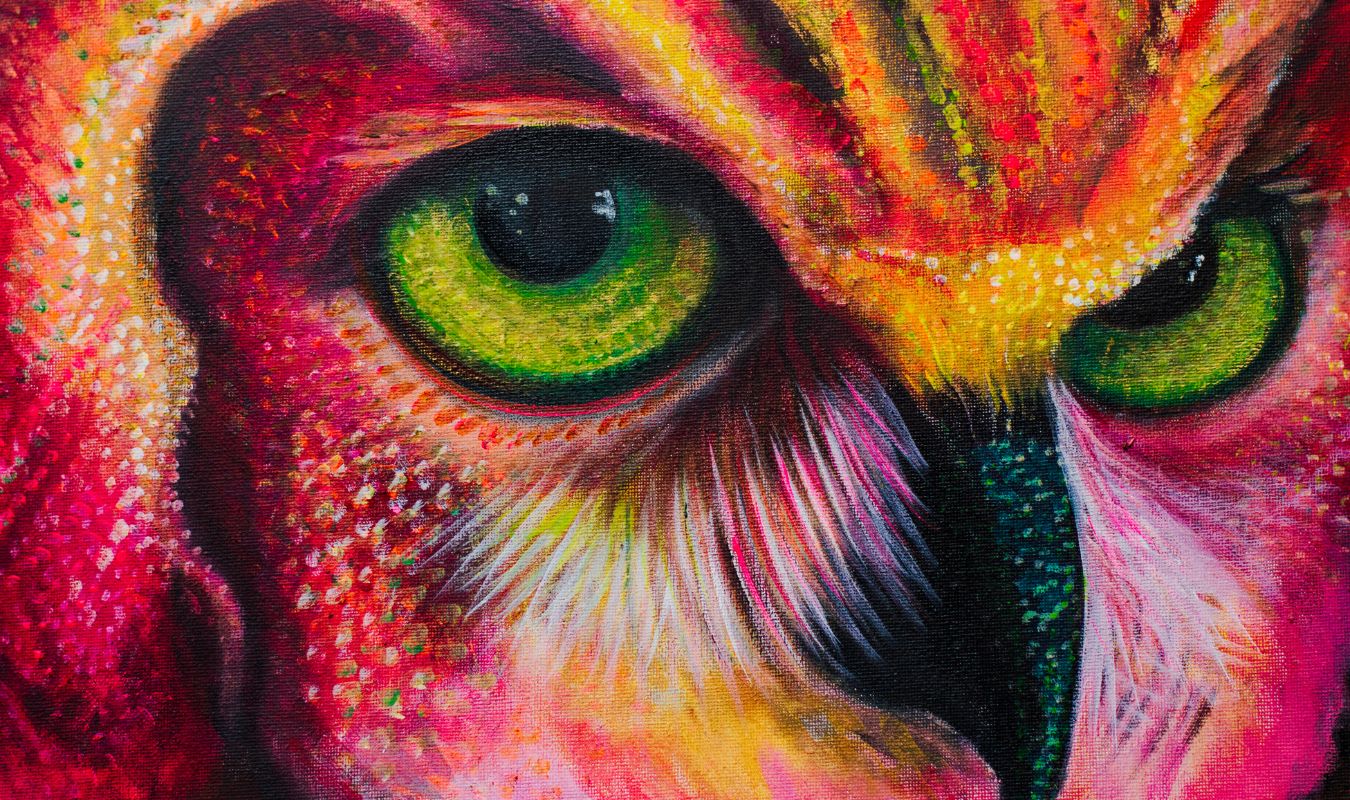
Pintura de un mono | Olga Saenz


Olga’s transition from exploring the intricate wonders of nature to capturing its raw beauty on canvas has resulted in breathtaking works of oneiric expressionism. Her profound experience as a workshop instructor, alongside her expertise in blogging and SEO, renders her uniquely qualified to guide you on this artistic journey, where the wilderness serves as both muse and classroom.

Your Artistic Expedition Kit (Materials):

  • Acrylic Paints (Primary Colors):Master the art of color mixing to recreate the endless hues of the natural world.
  • Paper & Canvas: Your canvas awaits, from initial sketches on paper to the final strokes on canvas, capturing the essence of the wild.
  • A Diverse Set of Brushes: A selection designed to detail the delicate textures and vibrant scenes of Costa Rican wildlife.
  • Rags & Water: For the perfect paint consistency and brush care.
  • A T-Ruler: Ensure precision and proportionality in your artwork with this essential tool.
  • Black Drawing Pencils and eraser.

Workshop Highlights:

1. Nature Observation:

To start the Nature-Inspired Art Workshop, we will venture into the heart of Costa Rica’s wilderness with Olga, honing your ability to see and capture the subtle nuances of nature, from the delicate veins in a leaf to the flamboyant plumage of tropical birds. Develop the artist eye in the rainforest.

2. Tools and Techniques Introduction:

In the studio, Olga unravels the mysteries of the painter’s arsenal, from the diverse array of brushes to the alchemy of color mixing, setting a solid foundation for your creative exploration.

3. Hands-On Exploration:

Before approaching the canvas, familiarize yourself with various brushes and experiment with mixing colors on paper. This phase is crucial for gaining confidence in your artistic abilities.

Blue Coatimundi | nature-inspired art workshop

4. First Artistic Endeavor:

With personal guidance from Olga, embark on creating your initial piece, learning to layer and refine your work for enhanced depth and realism.

5. Precision Drawing & Grid Technique:

Select a piece of the wild to immortalize and employ a grid technique for a faithful representation on your canvas, focusing on accuracy and aesthetics.

6.The Painting Process:

Guided by your preparatory sketch, delve into painting, with Olga providing expert advice on brush technique and color selection to bring your vision to life with confidence.

7. Cultivating Personal Style:

Throughout the workshop, you’ll be encouraged to explore and develop a unique artistic voice, influenced by Olga’s expertise in oneiric expressionism and her deep bond with nature. This journey will inspire you to create pieces that not only reflect the beauty of Costa Rican wildlife but also resonate with your innermost self.

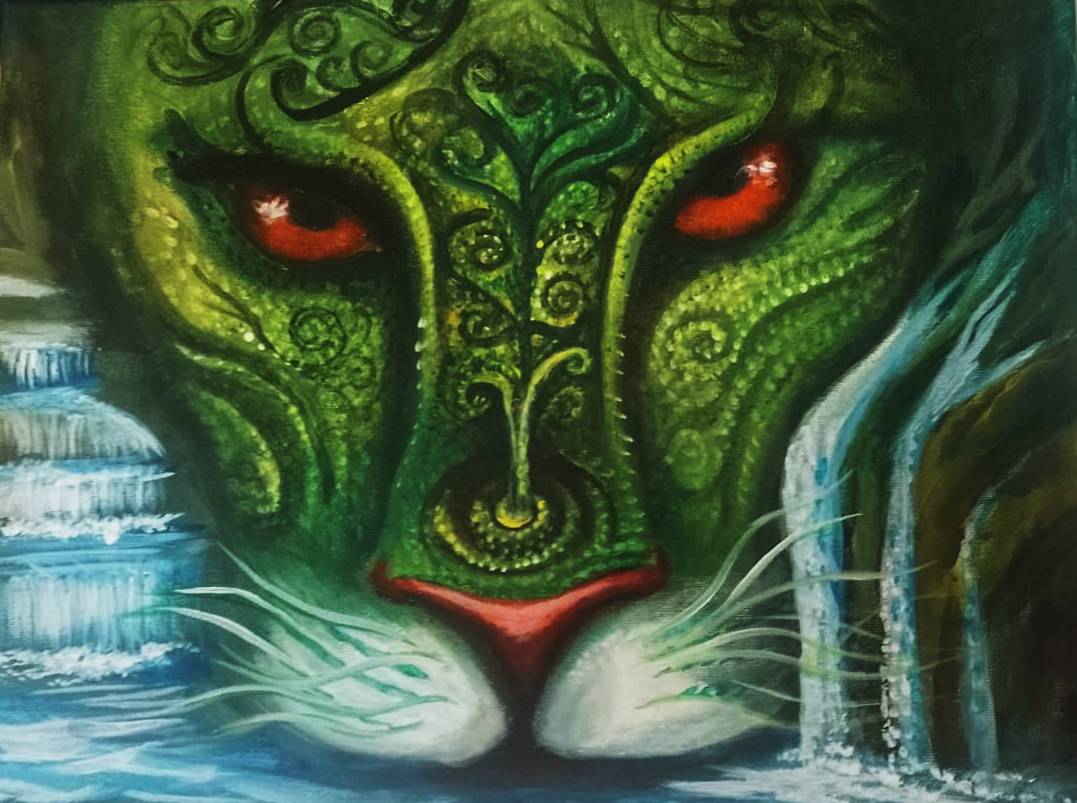
Green Jaguar drinking water

Our nature-inspired art workshop is more than a painting class; it’s an invitation to connect with the Costa Rican natural world, unlock your creative potential, and learn from an artist who has seamlessly blended her passion for nature with her art. Join us for an unforgettable journey where the artistry of nature and canvas merge.