Costa Rica Travel Safety Regarding Crime… and Crocodiles

Costa Rica Travel Safety

Costa Rica is a popular destination for tourists due to its natural beauty, adventure, beautiful beaches, rainforests, and friendly locals. However, it’s important to use common sense and be mindful about some things. Here I am sharing several Costa Rica travel safety ideas that can help you enjoy our country in a great, safe way.
Costa Rica Travel Safety Recommendations (Regarding Crime)

So yeah, let’s say you have already purchased your flight ticket to your dream destination and for your dream vacation. Coming to Costa Rica, aren’t you?

Well, what’s next? You may tell me that. Pack your bags; get ready to come.

But no, you have to do your homework, and you’re doing it right now. By hearing this podcast, I guess you are getting informed. That’s the most important thing to do when we travel.

Get informed

Getting informed about the destination when we’re going helps us to prevent a lot of disasters, but it also allows us to put our priorities first and it also allows us to plan ahead in terms of safety.

When we talk about Costa Rica, we talk about nature, we talk about adventure, we talk about beautiful beaches, amazing rainforests, and super friendly locals. And this makes it a very popular destination for all sorts of tourists, including celebrities. While Costa Rica is generally safe, some visitors may feel uneasy due to the reports of violence in the recent weeks.

These acts of violence are happening in very specific areas, mostly isolated from the touristic destinations. On the other hand, most crimes against tourists are mainly due to chance and involve petty theft rather than violence. Serious crimes such as armed robberies, assault, or similar are less common but can occur. It’s important to remain vigilant and to take precautions to minimize the risks.

When we talk about Costa Rican travel safety, we must go beyond illnesses, diseases, and insurance possibilities. We covered all that in another post called Costa Rica travel safety tips.

Here we will talk a bit about other risks and all that you need to know to cope with them.

As a Costa Rican, I want you to feel at home, be safe, and leave with a smile. We always strive for visitors to have the safest and most delightful vacation. And even if you’re not traveling with a travel agent or a tour guide, for me, it’s really important for visitors to leave Costa Rica with a smile. Talk about it with love and cherish your time in Costa Rica.

So please keep on reading these Costa Rica travel safety recommendations and find some of the most important travel safety tips regarding crime.

Travel with the certified suppliers

When talking about a Costa Rica vacation, the first and most important tip that I have to recommend always, whatever you’re doing or for whatever you’re coming, is to use your common sense and ask questions to the right people. That’s probably the most important advice that anyone can give you.
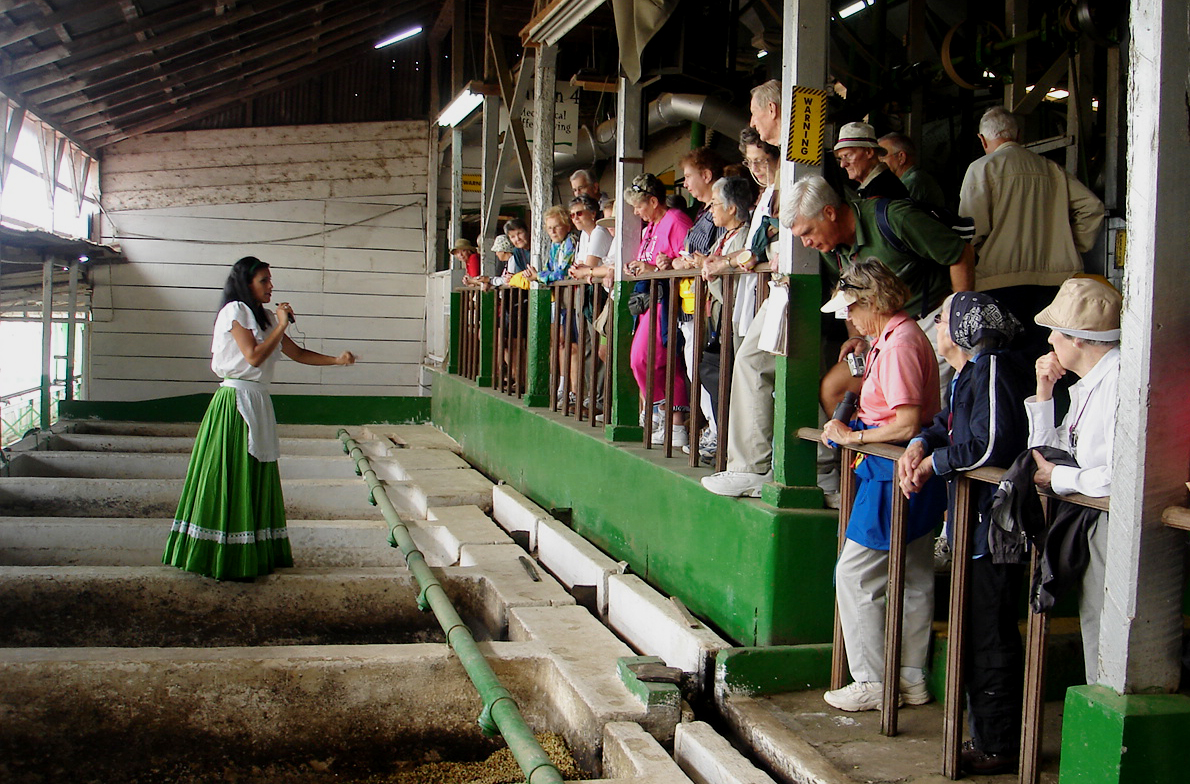
Costa Rica Travel Safety Recommendations

What do I mean by the right people? Okay, whenever you are hiring a travel agent or a tour operator, even a hotel, make sure they exist. Make sure that they are authorized. Make sure that they are listed on the Costa Rican travel board.

Here is  the link so that you can check travel agencies, hotels, you know, people in general, even tour guides. You can find the list of the authorized tour guides on the Costa Rican travel board website. Costa Rican Tourism Board

So using authorized services is a very important thing. It’s very easy to be gullible when Costa Ricans are so nice. But please make sure that you’re traveling with someone who knows what they’re doing and is recommended and reviewed.

Weather Awareness

Please remember we are in the tropics. The tropics are unpredictable. I mean, we have the sunny season and we have the rainy season, and you’ve seen, I even have a podcast about the weather in the Caribbean.
Costa Rica Travel Safety

And the one thing that I tell you about, especially the Caribbean, is that it’s unpredictable. Sometimes it rains during the sunny season. Sometimes there is a drought during the rainy season. So find out what the weather’s going to be like and prepare yourself for this.

Verify the insurance.

First of all, your travel insurance—what does it cover?


Make sure that it covers everything that you need. But also find out about what the insurance of the hotel, of the travel agency, or of the tour operator covers, because you don’t want to know about it after the accident happened. If something happens—hopefully nothing will happen—but you don’t want to find out it doesn’t cover whatever this or that, or that it covers it but you have to pay extra.

It’s important to be informed about what the policies are, the cancellation policies, and the insurance policies of all the people involved with your trip—travel agents, tour operators, hotels, and homestays.

Avoid secluded areas.

What are secluded areas in Costa Rica? If you have come to Costa Rica or you’ve seen videos about Costa Rican roads, you will see that there is nature everywhere. It’s like you cannot avoid it. Wherever you go in this country, except maybe for the downtown areas in the cities, you will find very strong, luscious nature.

And it’s very tempting to stop in the middle of the road, especially if you’re driving, of course, and just get off the car and look at this amazing waterfall, landscape, or rainforest. But if it’s totally alone, avoid it because you just don’t know where you are, and it’s as easy as that.

From all the Costa Rica travel safety recommendations I want to highlight this one. Some amazing spots in our roads, have unfortunately become traps. 
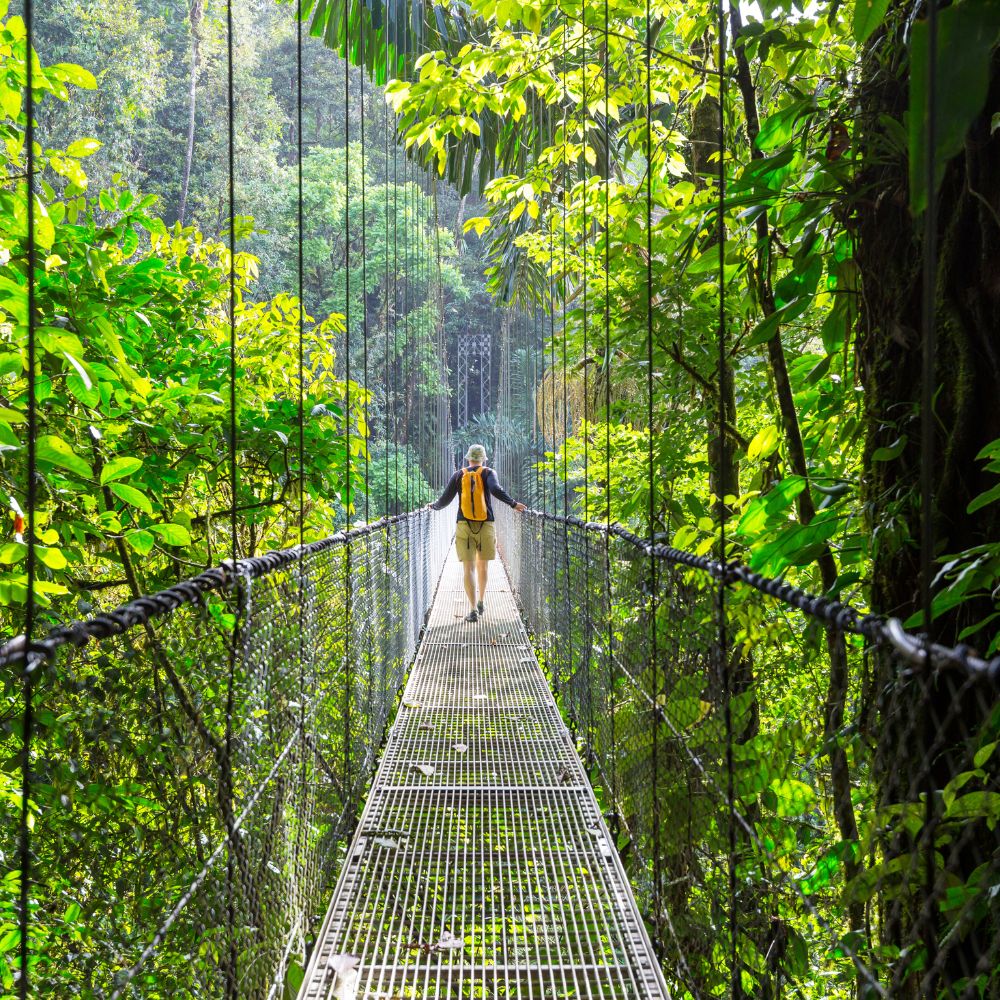
Costa Rica Travel Safety

You know, in Costa Rica, there are trails in places that are free. There are some areas where you can find places that only the locals go to—trails, for instance, or outlooks where you can see amazing landscapes, but when you get there, they’re empty. Avoid them.

It may be a trap, and you don’t want to have a problem in Costa Rica. So what I would recommend is don’t go jogging at sunrise, don’t go hiking by yourself without telling anyone where you’re going, and don’t go hiking by yourself into an open trail that is free.

It happens; there are those, but it’s best if you have a guard and a door, if you have to pay for it, and if it has marked trails. That will be so much safer. Not only for your health, of course, but especially in regard to crime. It’s much safer to stay in known places with people around.

Next, trust the police. In Costa Rica, there is a type of police that we call Policia turística—touristic police. The touristic police are people that are required to be bilingual, at least not fully bilingual, but they will listen, they will understand a lot, and they will speak some. They’re there for you. Trust them. One of the beautiful things about this country is that you can actually trust the police. Remember, we don’t have an army, so this is the group we trust most in regards to our safety.

Get a local SIM card

That’s a very good idea, and if you can get two, even better. The reason—and you can get them at the airport; you can also get them in some of the main supermarkets, malls, and so on—is that it’s really important for you to be able to communicate at all times.

Even though in some areas you won’t find a signal, in Costa Rica in general, there is very good Internet; there is good signal mostly everywhere. You always want to know where you are and be close to a place where you can reach the police or an ambulance if needed. So, the SIM card is important.

Using local currency.

Costa Rican currency is colones, and we receive dollars everywhere. You don’t have to change everything. It’s important to bring—hold on, let me rephrase this.

Okay, next is to talk about currency in general terms. You don’t need to change everything to colonies. Change $20 at the airport, and that’ll be good enough. In general, where you’re going, they will take dollars in the touristic destinations. They will take dollars—no euros, no pounds, no other currency than colones or dollars or credit cards, of course. I would think twice with American Express because there are places where they don’t take it.

When talking about bringing cash, bring small bills—twenties, tens, fives, and ones. $50 and $100 bills are usually rejected in stores and restaurants. On the other side, avoid using damaged bills because they will just give them back to you. Even a small tear or anything that looks too old will be rejected.

Costa Rica Travel Safety

My recommendation is to put your money and your credit or debit card together.

Have two or three credit cards with you, let your banks know that you’re going to use them outside of wherever you are, and just change very little money to colones. They will give you change in colones anyway. So you will end up having the beautiful colones bills, which are really beautiful. You should check them out—they’re  beautiful.

ATM safety

Be aware of your surroundings when using an ATM, especially at night. ATMs in Costa Rica—many of them are closed from 10:00 PM to 5:00 or 6:00 AM. That’s important information to note. But be careful where you use them, and be mindful of your surroundings whenever you find that the ATM is in an isolated or secluded place.

Costa Rica Travel Safety

Remember what I just told you about secluded areas, okay?

Travel light.

Especially if you are either renting, not renting a car, but going by box, private transfers, or even on a tour, traveling light is very comfortable.
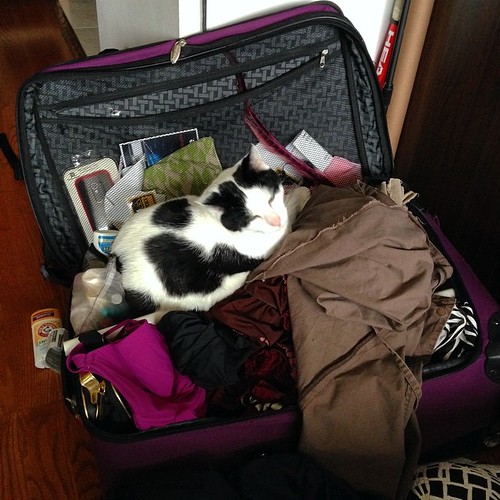
You will find laundry services everywhere you go. There are laundry options in all the main touristic spots of Costa Rica and in most start-up hotels. So be mindful of the luggage weight. There might be trouble boarding it into planes, especially local planes. You may also have trouble boarding your luggage or heavy luggage into boats. So it’s easier, faster, and safer to travel light.

Guard your belongings

Whether you’re renting a car, traveling by yourself, with a group, driving, or traveling by public services or buses, guard your belongings. Let me give you a couple of examples for different ways of traveling.

Costa Rica Travel Safety

If you’re traveling with a group, keep in mind that the bellboys, tour guides, or travel agency are not responsible for your belongings. When they tell you to put your luggage outside your door because they’re going to pick it up, make sure they pick it up and that it gets put on the bus or boat. Check that your luggage is being boarded, because it happens sometimes—I’ve been a tour guide and seen situations where someone’s luggage didn’t get loaded, and we had to retrieve it from a different bus later. It’s complicated, so avoid that.

If you’re traveling with private transfers from one place to another, the same thing applies. Make sure they board your luggage. When other passengers get off, ensure your luggage stays on the vehicle. If they remove it temporarily, make sure they put it back. Be vigilant with your belongings, whether you’re on private transfers or traveling in a group.

If you’re driving, lock your car doors and park in private parking lots. If you’re stopping at places like the Tárcoles River bridge or at an outlook, even if you think it’s just for a minute, lock the car and keep an eye on it. Sometimes police will be nearby—park close to them. In most of these places, you’ll find restaurants or stores where you can park and have someone keep an eye on your car.

You’ll also find something in Costa Rica called “guachis,” and I’ll explain them in a bit, but be mindful of these people watching your car.

Be discreet with your phone.

Phones are expensive—unless you have a really cheap one like mine—but big iPhones and Samsungs can be sold for good money. Be discreet with them. Keep them in your bag, purse, or pocket, and take them out only in restaurants or hotels.

Costa Rica Travel Safety

Don’t take them out on the street unless necessary. If you’re lost and need to check a map, go into a store or restaurant to check it there; maybe even use their Wi-Fi. It’s safer than pulling out your phone in the street, especially in towns or cities.

Emergency Contacts List

Now, let’s talk about emergency contacts. Keep important numbers with you. If you’re traveling solo, make sure people at home know where you are and what you’re doing. If you’re taking an Uber, take a picture of the license plate and send it to a friend or relative. Have emergency contact numbers not just in your phone but written on paper, and if possible, plastify it.

Costa Rica Travel Safety

Keep these numbers—your travel agency’s contact, emergency numbers for Costa Rica, and other important ones—in multiple places, not just your wallet. If your wallet is stolen, you don’t want to lose those contacts.

Car Safety

Let’s talk about car safety. If you’re driving, never leave valuables in your car. Don’t leave anything visible from the outside, like phones or laptops. Hide them in your luggage or lock them up. When parking, choose monitored lots—they’re the safest.

Costa Rica Travel Safety

You’ll also encounter “guachis,” which comes from “guachimán,” meaning “watchman.” They might be men, women, or teenagers dedicated to watching cars. They usually charge 500 to 1,000 colones. Sometimes they use tickets, and sometimes they place something on your windshield.

They wear fluorescent vests and help you park, and they expect a tip when you leave. The usual tip is $1-2, depending on how long you stayed.

But don’t get into discussions with them—just tip and leave, especially in areas like Manuel Antonio or Tamarindo, where you might encounter more issues. I highly recommend using parking lots in these areas.

Navigation Apps

Download navigation apps like Waze and Google Maps. Waze is particularly popular in Costa Rica—it’s very useful for knowing about traffic jams, crashes, or road closures due to landslides or repairs. I highly recommend Waze over Google Maps.

Costa Rica Travel Safety

Choose secure accommodations. Make sure the place you’re staying has proper locks and is certified. Check reviews, especially if you’re using Airbnb. If you’re a woman, I suggest booking rentals from female hosts. While I’m not saying all male hosts are unsafe, it can be more comfortable to rent from a woman.

Electricity

Be mindful of electrical outlets. Costa Rica uses standard US two-prong plugs and 110-volt outlets. Make sure you’re using the correct outlets or bring a converter if necessary.

Use the Hotel Safe

Store your valuables safely. Use the hotel safe for passports, extra cards, and cash. If there’s no room safe, most hotels have safes at reception where your items are placed in a sealed envelope with your signature. I highly recommend using this option if there’s no room safe.

Costa Rica Travel Safety

Carry copies of your passport

Carry copies of your passport. Make multiple copies and put them in different places—your luggage, purse, or other belongings. A US, Canadian, or European passport is valuable on the black market, and you don’t want it stolen. Only carry the original when absolutely necessary, such as crossing into Nicaragua on specific tours. It’s better to carry a copy unless specifically required.

Ask locals for directions

Ask for directions, even if you’re using Waze or Google Maps. While these apps are super useful, sometimes they can take you through rough routes or even dead ends. We’ve all been there, where you end up lost because the app said to go right when everyone else told you to go left. So, always ask for directions.

Ask locals about the landmarks you’ll see on the way—like big trees, supermarkets, or hardware stores that can guide you. Costa Ricans know these parameters very well, so don’t hesitate to ask. If you’re not sure how to ask in Spanish, stop at a hotel or restaurant where bilingual staff can assist you.

Pack wisely.

I’ll create a comprehensive packing list for your trip to Costa Rica soon, but in the meantime, here are three important tips. First, bring sturdy, waterproof footwear. Even if you’re coming during the dry season, the rainforest can be muddy, and you’ll want good hiking boots or at least closed, sturdy shoes.

Second, bring waterproof gear like a rainponcho. If you’re carrying valuable items like photography equipment, a dry bag is essential—and they’re much more expensive to buy here.

Use sunscreen.

Costa Rica recently lowered taxes on sunscreen because we’re close to the equator and the sun is strong. Protect your skin, even on cloudy days.
Costa Rica Travel Safety

Ocean Safety

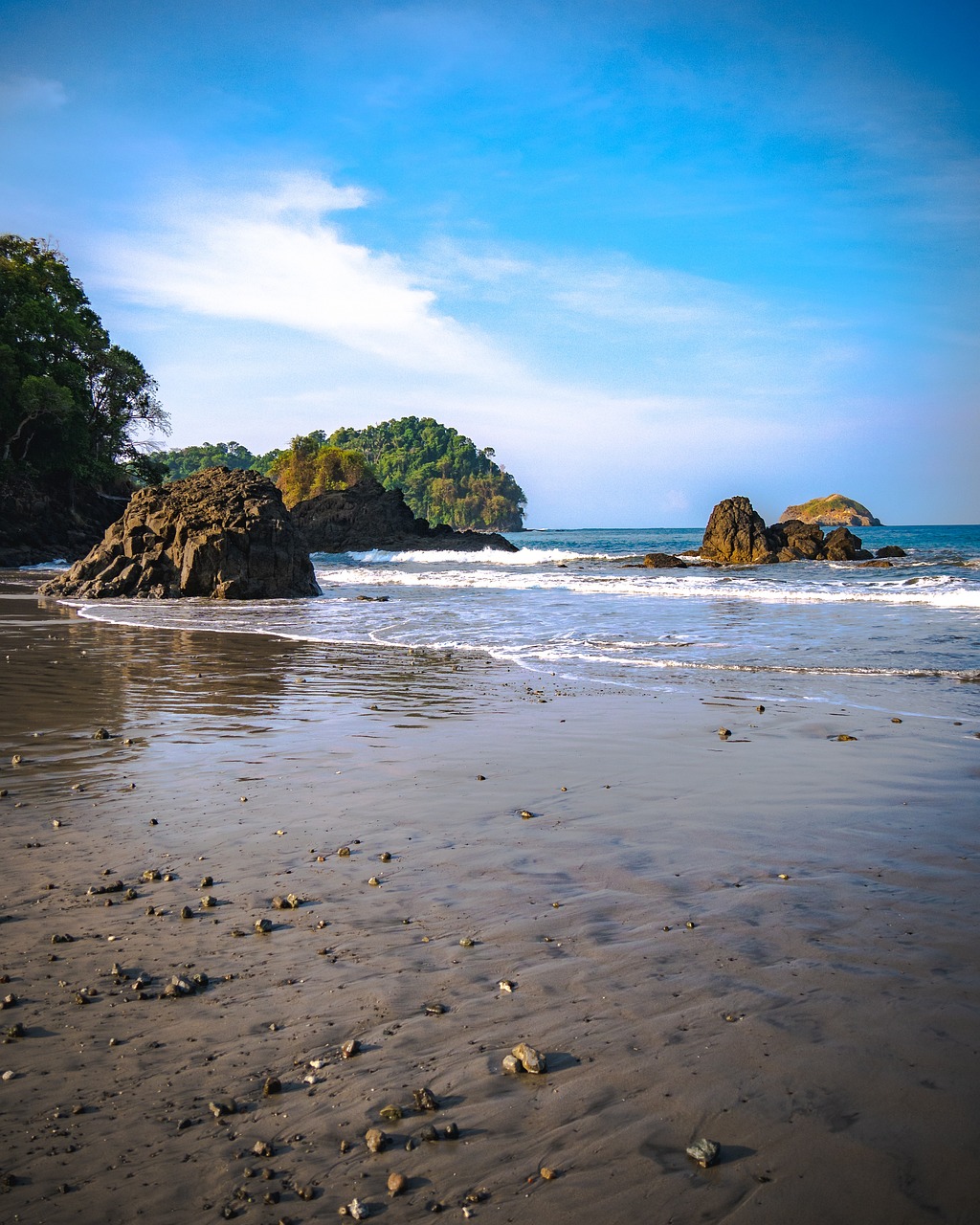
For ocean safety, always inquire about local swimming conditions and rip currents. On popular beaches, you’ll often see signs or lifeguards that indicate where it’s safe to swim. But on less-known beaches, ask the locals for guidance on where it’s safe and where it’s dangerous. The ocean here is warm and inviting, but it’s important to be mindful of rip currents and other hazards.

Lately, there have been reports of crocodiles near the ocean. While this is now a trending topic, crocodiles have always been in Costa Rica’s oceans. They usually go for fish, not humans, but if you spot one near a beach, I recommend sticking to the pool for peace of mind.

If you ever need help, don’t hesitate to ask.

Costa Ricans are generally very nice and helpful people, and there will usually be more than one person willing to assist. Whether it’s your travel agent, tour guide, or even a local, seek help when needed.

Limit how much you share about your itinerary on social media.

When you post about where you’re going, you’re not just telling your friends and family but also potentially attracting attention from people who don’t have the best intentions. It’s safer to share your travel updates after the fact.

Costa Rica Travel Safety

If you’re in San José today, post the pictures tomorrow or even later, so people can’t follow your every move in real time.

Stay on trails, especially if you’re traveling solo.

In fact, this applies to everyone. Staying on the trail is the bottom line, but solo travelers need to be particularly mindful. Always let someone know where you’re going. When you’re heading out to a reserve, national park, or even just leaving the hotel, tell someone. For example, if you’re heading to the Monteverde Reserve, Manuel Antonio National Park, or the Selvatura Hanging Bridges, inform the hotel staff. This way, they’ll know where to look for you if you don’t return as expected.

In some areas, such as national parks, they may even ask for your trail route before you start, which helps search efforts if needed. In more remote places like the Osa Peninsula in Corcovado, it’s mandatory to have a guide because it can be dangerous.

There have been cases of people getting lost simply by stepping off the trail, so it’s crucial to stick to the paths. Always tell someone where you’re headed, stay aware of your surroundings, and avoid hiking alone unless you’re very familiar with the area.

Group Safety

For group safety, it’s best to stay with others at night and use taxis or Uber instead of walking in dark or secluded areas. This is just common sense. If you’re staying at a hostel and traveling solo, make friends and go out with others.

Costa Rica Travel Safety

If you’re with a partner, it’s still safer to join up with others, especially when traveling on long, remote roads, like those leading to Tortuguero. Sometimes you won’t see another car for miles, so it’s good to travel in groups.

Your travel agent, tour guide, or I can always provide advice on staying safe, so don’t hesitate to ask.

In summary, the most important thing is to use your common sense. Be aware of your surroundings, stay street smart, and don’t be gullible. Costa Ricans are generally very nice, but not everyone is trustworthy. Stick to these safety guidelines, and you’ll be able to fully enjoy your trip.

Stay safe, be free, and enjoy your time in Costa Rica!

Ferris Bueller’s Day Off, perhaps more necessary than ever.

Ferris Bueller Days Off is a 1986 film starring Matthew Broderick, a couple of other characters and basically it’s a film that we could call light, but, nevertheless, I think it’s phenomenally important right now and that’s why I want to talk a little bit about it.

Ferris Bueller's day off

I wrote a blog and as I am now in this podcasts thing, I am going to do it through a podcast and I would really like to know what you think, what you think, how you see it, if you have seen Ferris Bueller, if you haven’t seen it, you have to see it. It’s a movie that always leaves you with a smile on your face. Interestingly, although made in the 80’s, it’s not as politically incorrect as others. And it’s really worth seeing. It’s worth seeing. On Rotten Tomatoes it has an 86% rating and in users, in people who saw it, it’s at 92. %. So it’s totally worth seeing. It’s not Oscar-worthy, it’s not a movie with a big message or anything transcendent. It’s a super light movie. However, the reason I want to talk about it is because Ferris Bueller left me with a taste of something that I have a long time of not living. And that caught my attention, it caught my attention a lot.

As it turns out, for those who haven’t seen the movie and for those who have, I remind you. Ferris Bueller’s day off is a must-see. It’s this kid who pretends to be sick before… spoilers are coming, I must say! He pretends to his parents that he is sick, the kid has a lot of tricks to pretend to be sick. He doesn’t go to school, he calls his best friend who is really sick and gets his girlfriend out of school and they go on a day off, right? You don’t even see them partying, you don’t see them having a beer, you don’t see them smoking a cigar, you don’t see them just enjoying life and that’s it, without any major or minor ingredient other than the enjoyment of living it and that’s it. And the mae says it at the very beginning, the kid looks out the window again and says, how am I going to go to school today on a day like this? And you can see the blue sky, blue sky everywhere, so let’s see, suddenly you understand where I’m going? Suddenly I asked myself: how long has it been since I’ve been completely disconnected, without the desire to look for parties, without the desire to go with a friend or with a friend to have a conversation? And I’m going to put them in my universe. The symbol would be to get on a bus, take a Churchill to the port and come back or get on a car and do the same. I would get on a bus and go to the port, have a super fresh ceviche for lunch and come back in the afternoon. It’s a day off without connection, a day off without a phone, a day off without worrying if they called me, if they looked for me, a really free day off.
A day when one can truly disconnect from everything and connect with EVERYTHING.

Because seriously, when you disconnect from everything you can connect with what everything really is, yourself, nature, whatever your idea of divinity is or supreme intelligence or whatever you want to call it. I want to talk a little bit about the characters, because the characters are super interesting. I really like to analyze character symbols, people as symbols. Ferris is a contagious mae, Ferris is a mae who likes to enjoy life, he’s not a hedonist. He doesn’t do anything for the pleasure of eating or for the pleasure of fucking or for the pleasure of not, no, no, no, the kid is not a hedonist, it’s more that he likes to enjoy life. However, he is a responsible kid? He is clear that he is going to college, he does all this paraphernalia because he wants to look good with society, with the school and with everything.

Otherwise he would just run away, like the role Charlie Sheen plays at the end, he’s not a mudface. No, no, Ferris Bueller is a kid who escapes from school just because he likes to enjoy life. But he also has a detail: we see him in the concert, the one he does in the middle of the street, Ferris Bueller is a contagious guy. He drives people and moves them and influences them. So, there goes the first reflection that I like about Ferris, and that is that in some way we are all contagious to spread poison, to spread perfume, and I said poison to be kind. We can, we can be bridges of wonderful things, we can be carriers of horrific, toxic and ugly and tired things. I’m not saying to hold back from what you feel, but it’s important to recognize that you’re contagious, we’re all contagious. The happier we are, the better we live, the happier and better our environment is going to live. So, well, that’s the first reflection on this guy, Ferris. Then there’s Cameron. I love Cameron. I saw him recently in this wonderful “Succession” series on HBO . And Cameron is the same Mae he was, I don’t know, 40 years ago, in 1986, he’s a very scary, half-witted, follower, never a leader. He follows Ferris. He can’t figure out how to say no to him or tell him to go fuck himself. He concedes everything to Ferris, including his dad’s Ferrari. But aside from that, he’s a kid who also likes to enjoy life, because if he didn’t, he wouldn’t be there. He’s got this whole family thing going on, he’s scared of his dad. He’s obviously a screwed up guy. His mom’s a wreck. There’s a psychological profile that’s worth watching, especially when he sends everything down the tube at the end. When he sends that Ferrari out the window, sends everything down the tube, he takes the risk of living and facing his responsibilities, and not getting sick and not being afraid all the time. I love that. The evolution of Cameron’s character is really worth the ticket. Then there’s the girl, Sloane, who is also absolutely influenced by Ferris, but she kind of fulfills the role that we women fulfilled a lot in the 80s, which was being the pretty girl, who’s with the popular mae, and somehow there’s once the mae leaves, like she doesn’t know where she’s going to be left, and he’s worried about her. And then there’s Ginny, who to me is the second super character there, who is the super envious girl, the sister. This girl is phenomenally envious of Ferris, but then she realizes that she’s envious of him because she can’t bring herself to do what he’s doing. Basically, if you can’t fight them, join them. That’s what Charlie Sheen tells him in jail. When he meets this character, who is the ill-fated Charlie Sheen, who at the time was still dashing, beautiful and handsome, and in the mood for love. Let’s say that what he says to her is: stop fucking around and live your life. And she really makes that change, and that’s where she becomes a bit of an accomplice of her brother in this let’s enjoy life.

“And let’s give a kiss to a stranger, and the truth is I don’t even know the name, but I still go ahead and give him the kiss.” No, they don’t go to the bathroom to fuck. No, they don’t meet at all, they don’t exchange phone numbers, they don’t meet on Saturday. It is an affair. She runs her day off too in some way and more awkwardly because she ends up in jail, for a mistake, but she ends up in jail. And then there is the director, who is the eternal persecutor. I don’t give much importance to the director by himself. Because we could talk about duty and we could talk about rules and blah, but we don’t all know that speech. I just wanted to mention him, because he is the classic bad guy of the eighties movies in which the bad guys and the good guys were a Hollywood reality, in which many of us learned life and learned to live for better or for worse, never better said. However, it is worth just taking a look at it, because the director really wants to do well, but there comes a point where he enters into a power struggle with Ferris and Ferris Bueller can not fight with Ferris Bueller because Ferris Bueller represents life, represents joy, represents freedom. So it’s very difficult, also, because it’s not a horrible crime. It’s not that the guy goes and robs a bank. It is simply a very innocent thing, in quotation marks, but it is very innocent. So, I just wanted to reflect on these last characters, and well, wishing you a wonderful time wherever you are and recommending you to watch Ferris Bueller again. It’s really good. Pure life. Bye.

The Weather on the Caribbean Coast of Costa Rica

Understanding the weather on the Caribbean coast of Costa Rica and its patterns is essential for making the most of your visit. Join us as we talk about the climate of this stunning coastline, highlighting the best times to experience its breathtaking scenery and rich biodiversity.

Tortuguero in the North Caribbean of Costa Rica | Weather on the Caribbean Coast of Costa Rica

In this podcast and blog, we will discuss the weather of the Caribbean coast of Costa Rica, which has contributed to its understated, underrated, and unrecognized status as an amazing off-the-beaten-track destination.  areas that we can talk fully about. But today I’m here to talk about its weather.

The weather on the Caribbean coast of Costa Rica is unquestionably tropical, with a lot of rain, scorching heat, high humidity, and a lot of mosquitoes.  So let me tell you a little bit about the weather on the Caribbean coast. First of all, let’s talk about seasons.

Manzanillo in the South Caribbean of Costa Rica | Weather on the Caribbean Coast of Costa Rica

When we talk about seasons in Costa Rica, of course, we talk about the dry season and the rainy season. As most people already know, in Costa Rica and Central America, the rainy season extends from May to November, while the sunny season begins in December and lasts until early May. However, this is true around the central part of the country, the Pacific coast, and certainly the north Pacific area.

But when talking about the Caribbean, it is almost unpredictable. If you ask the locals, they will tell you that there are three seasons we can discuss: February and March, which are the sunny season. And then from April all the way to September, it will be raining and raining.

Puerto Viejo in the South Caribbean of Costa Rica | Weather on the Caribbean Coast of Costa Rica

And then in September and October, the rains pause to the point that the carnival of the Caribbean coast of Limon is in October because it’s considered to be the quotations summer of the Caribbean coast of Costa Rica. However, if you take a look at the numbers, not as much. It rains as much as anywhere else.

Having said this, probably the rainiest times that I felt as a tour guide myself -and I worked for a long time in the North Caribbean area-, were in December. Also January, part of January. But December was very dramatic.

Let’s discuss the reasons for visiting the Caribbean and the optimal time to visit.

As I mentioned earlier, I aim to make this monthly guide as dynamic as possible, but you can also access it at the end of this blog.

Also, let’s talk about January.

January brings temperatures from 75 to 84 fahrenheit, which is 24 to 29 degrees Celsius. This pattern persists throughout the entire year. It doesn’t change much, so I’m going to skip it. then in terms of rain, it changes.

It goes for 7.9 inches. In February, it’s 5.9. So it makes it much lower rain in February.

If you look at March, it’s 3.9 inches of rain. Now, when we move forward to April, the rainfall increases to 5.9 inches. Still little, still not so dramatic.

May goes higher, 11.8 inches. And then, when it begins, well, actually, June is 11.8 inches, and July is 9.8. It calms down.

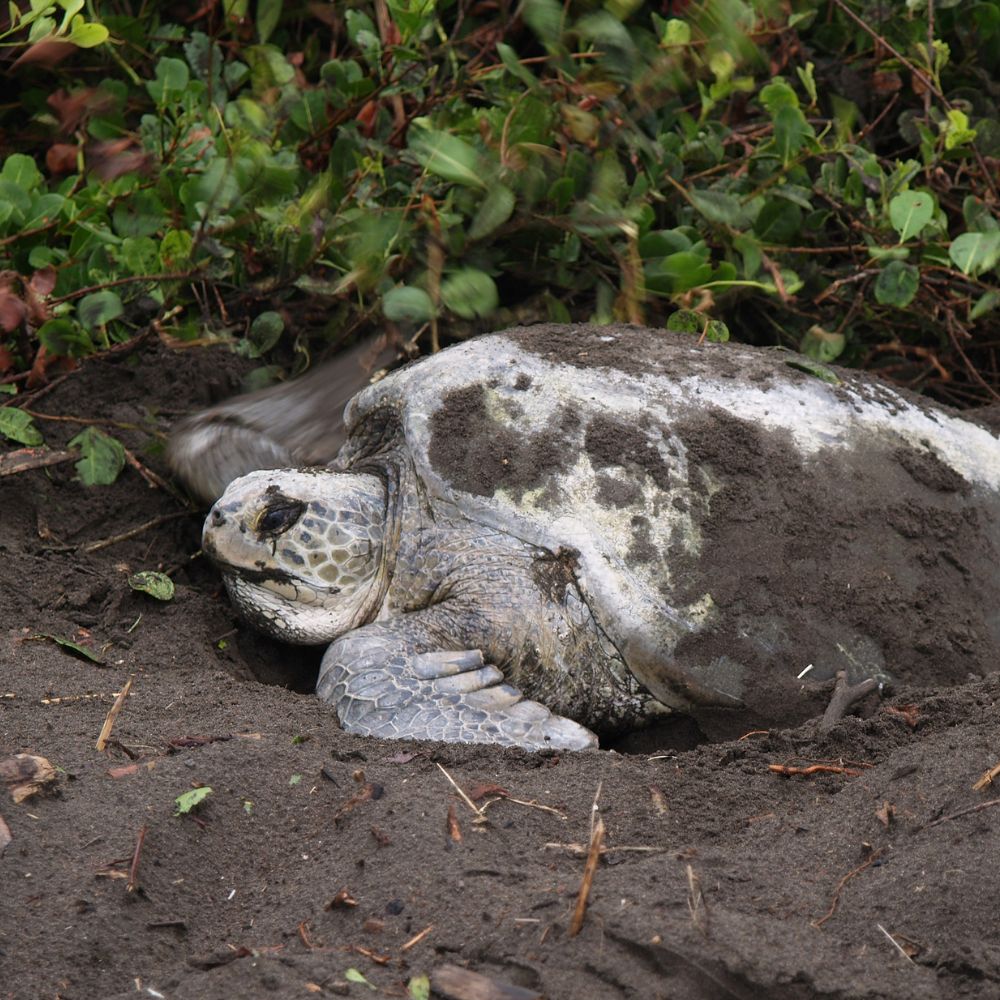
Good for watching the turtles. Remember, July is the month to see the turtles. And then August is 11.8.

September experiences a dramatic increase to 15.7 inches of rain. Average, same as October; super rainy. And then November goes down to 11.8.

Contrary to what I just told you, December has 7.9 inches of rain. The problem with rain in Costa Rica is that we must think about a couple of things. First of all, it doesn’t rain the whole day.

Manzanillo Beach | Weather on the Caribbean Coast of Costa Rica

It rarely. Unless there is like a hurricane on the Caribbean or we’re getting the tail of a storm or something like that, then it may rain the whole day, but it usually doesn’t. When we’re talking about the Caribbean on the other side, it’s unpredictable.

It’s just unpredictable. You just never know. In my experience, whenever there is a cold front from the north, we’ll get a lot of rain.

When there is a hurricane, we’ll get a lot of rain. When there is a tail of a storm, we’ll get a lot of rain. The good news here are many on the other side.

First of all, nature benefits from rain. Rain makes nature lush, beautiful, and extremely biodiverse. So this is a place where nature is thriving.

It’s amazing. It grows everywhere. It’s unstoppable.

Tortuguero National Park | Weather on the Caribbean Coast of Costa Rica

And this lusciousness makes it an ideal destination for any nature lover, anyone who truly loves to see nature in its essential state.

At its very core, this is tropical nature at its best. Either you make it into Tortuguero in the northern Caribbean with the canals and you go by boat or by kayak into the rainforest, or either you go to the south and you go to Cahuita or Puerto Viejo, Cocos, or Manzanillo.

In all of these regions, you will witness a lot of wildlife; you will witness huge trees and amazing buttress roots. Furthermore, these regions have a distinct culture from the rest of the nation. That is completely worth it to pay a visit to it.

I’m going to get into all of this later on in this same series. I just want you to acknowledge that the rain is, in fact, warm. It’s not like you get wet and you’re freezing.

No, you’ll get wet, and you’ll like it. It’s. It’s fun, mostly.

All the time. It is just a lot of fun. So don’t get scared by the rain.

The pouring tropical rain is just an amazing thing to behold, and I think Costa Rica is blessed by having so much rain.

So, enjoy the rain and don’t let it scare you off. From the Caribbean coast of Costa Rica, it may rain, and I hope it does.

It is an amazing thing to watch. So enjoy whatever you’re doing now. Enjoy wherever you are, enjoy the now, and have a great present moment.

Bye. Take care. Pura Vida.

The Caribbean Coast Weather Month to Month:

MonthTemperatureRainfallHumidity
January24-29°C (75-84°F)Low (approx. 200 mm / 7.9 in)High (around 85%)
February24-30°C (75-86°F)Low (approx. 150 mm / 5.9 in)High (around 85%)
March25-31°C (77-88°F)Low (approx. 100 mm / 3.9 in)High (around 85%)
April25-32°C (77-90°F)Moderate (approx. 150 mm / 5.9 in)High (around 85%)
May24-31°C (75-88°F)High (approx. 300 mm / 11.8 in)Very high (around 90%)
June24-30°C (75-86°F)High (approx. 300 mm / 11.8 in)Very high (around 90%)
July24-29°C (75-84°F)Moderate (approx. 250 mm / 9.8 in)High (around 85%)
August24-29°C (75-84°F)High (approx. 300 mm / 11.8 in)Very high (around 90%)
September24-29°C (75-84°F)Very high (approx. 400 mm / 15.7 in)Very high (around 90%)
October24-28°C (75-82°F)Very high (approx. 400 mm / 15.7 in)Very high (around 90%)
November24-28°C (75-82°F)High (approx. 300 mm / 11.8 in)High (around 85%)
December24-29°C (75-84°F)Moderate (approx. 200 mm / 7.9 in)High (around 85%)

The Caribbean Coast of Costa Rica: An Introduction

The Caribbean Coast of Costa Rica is an underrated and breathtaking destination, rich in experiences and adventure. It embodies the essence of “Pura Vida,” showcasing vibrant biodiversity, colors, and a joyful lifestyle. This region is a sensory delight, filled with unique music and coconut-flavored cuisine, shaped by a resilient culture and history. The Limón Province, named after a former lemon plantation, serves as a crucial gateway for exports, especially after the Panama Canal’s construction.
Geographically, it features 212 kilometers of flat shoreline with rough waters and includes beautiful rainforests in the north, ideal for witnessing sea turtle nesting. With a population of nearly 400,000, the Caribbean Coast offers unforgettable experiences waiting to be discovered.

Continue reading

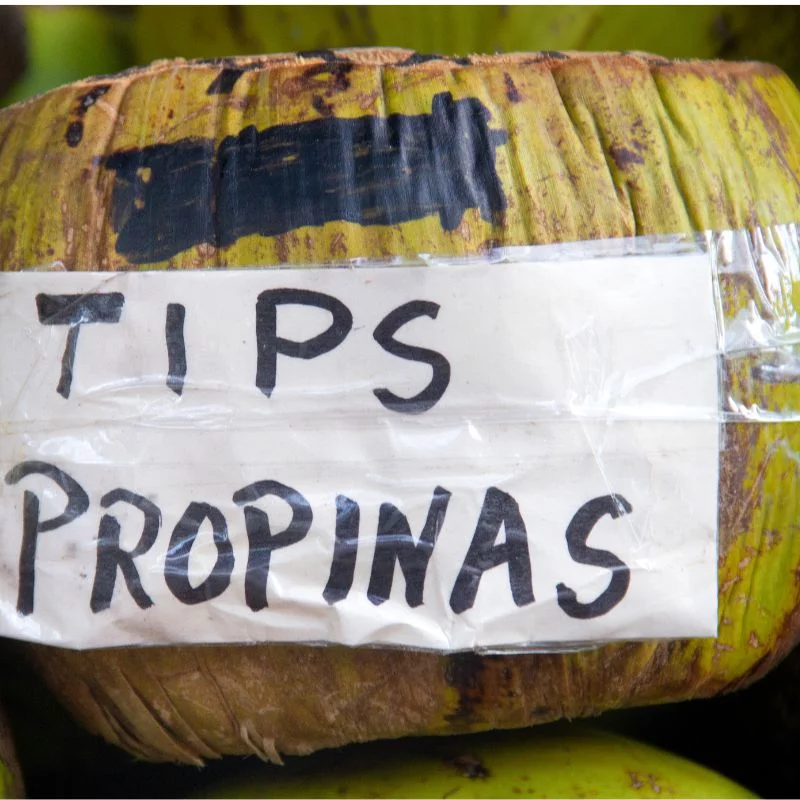
Tipping in Costa Rica

Tipping in Costa Rica

When it comes to tipping in Costa Rica, it’s crucial to understand the tipping culture to know what to anticipate and how much cash to carry.

Tipping in Costa Rica | Epic Adventures Costa Rica

Tipping in Costa Rica has slowly become part of our touristic culture, with all the influence we get from the U.S. But it is important to note that by law in Costa Rica, there is a 10% service charge included in all our bills.  However, Costa Ricans usually smile and please people as a part of who we really are.

However, since 1990, when tourism burst as the primary industry and it generalized all over the country, tipping has become part of our day-to-day lives.

Little by little, people have been developing the habit, but it is essential to realize that you are already paying ten percent of your bill, and legally, the owners of the businesses have to give the cash to the whole team, and they will share it.

Nevertheless, although entirely voluntary, gratuities in Costa Rica, especially in the tourism industry, are well received and appreciated.

The tipping etiquette in Costa Rica for visitors is that it is never necessary but always appreciated. Especially considering Costa Rica’s minimum salary is low, the tourism business has been closed due to the epidemic.

Tipping in Costa Rica: Do You Use Dollars or Colones?

You can tip in  Costa Rica’s colones or US dollars. Locals routinely take US dollars, preferably as the currency rate changes almost every day, and for many of them, tips are a usual source of income.

You will find a tips box in some tours and areas, and these are gratuities shared among the whole team.

Other currencies, such as Canadian Dollars, Euros, or British Pounds, will be extremely hard to change in our banking system.

Restaurant Tipping Culture in Costa Rica

The service tax, also referred to as a gratuity or tip charge, is something that restaurants in Costa Rica are required to include in their menu prices by law. The sales tax is 13%, while the service fee (tip) is 10%.

Tipping in Costa Rica | Epic Adventures Costa Rica

However, some restaurants do not include taxes in their menu pricing and will put “taxes not included” or “impuestos no incluidos” anywhere on the menu. If neither tax is included, expect to pay an additional 23 percent on top of the menu price. If just service tax is not included, it is an additional 10%.

Restaurants will indicate this somewhere on the menu if all taxes and tips are included.

Some establishments in more touristy places may give you an extra receipt with a tip section. You don’t have to tip more if you don’t want to, since you’ll pay an additional 23 percent on top of your bill.

Tip Etiquette in Costa Rica when talking about tour guides

Some tour operators will provide tip boxes (especially on adventure tours). Again, this is entirely optional. You can tip in either USD or CRC, and the amount will be shared by the whole team, including drivers, and  sometimes they even cook.

Tipping in Costa Rica | Epic Adventures Costa Rica

If you think they did a good job, feel free to tip 10% of your tour rate—or more. And if you find someone in the team that you want to gratify, especially, our suggestion is to call her or him apart.

If you hire a private driver who speaks English and escorts you around, we recommend tipping 10% or more.

Taxi Tipping

Tipping taxi drivers is not customary in Costa Rica. And on Uber, the app asks you about it.

Hotel Maid Tipping Etiquette in Costa Rica

We usually try to leave something for the maids because they don’t make much money here. You can leave around US$ 2 per day.

Informal parking “guards.”

You can find them in many places, wearing orange vests. They’ll approach your automobile and bill you for parking while claiming to “watch your car.” However, it is crucial to emphasize that they are not official and do not own the parking lot. Furthermore, they lack insurance and will not be held liable if anything happens to your car or valuables.

They can also be quite pushy in trying to convince you to park in “their area.” They can also charge foreign visitors exorbitant fees to park in their area during the holidays, although they’re not even official parking guards or insured. This is especially true in popular tourist destinations such as Manuel Antonio National Park and Tamarindo Beach.

Finally, if at all possible, we avoid parking in unapproved areas. Unfortunately, most parking in Costa Rica is unauthorized, so our recommendation is to pay them afterward.

Some ideas for tipping in Costa Rica: 

  • Tipping in coins is considered bad taste, and they may even return it to you. Not a good idea.
  • If you are going with a guide or driver for several days, an envelope with a small note will be much appreciated.
  • Checks are extremely hard to cash for Costa Ricans. Be prepared with cash.
  • Recognize that Costa Rican banks won’t accept torn or stained bills.

To wrap it up,

Tips in Costa Rica are not only accepted but also encouraged. However, we completely recognize that all jobs in Costa Rica are paid, and tips are always a voluntary extra that our visitors give to show appreciation for a job well done.


This post appeared first on Epic Adventures Costa Rica. It is written by Olga Sáenz

International Airports of Costa Rica – A Simple Guide.

International Airports of Costa Rica

Costa Rica has two major international airports that serve as crucial gateways for travelers: Juan Santamaría International Airport (SJO) in Alajuela, near the capital San José, and Daniel Oduber Quirós International Airport (LIR) in Liberia, Guanacaste. SJO is the largest and busiest airport, offering connections across the Americas and Europe, while LIR mainly caters to the popular beach destination of Guanacaste. Both airports provide amenities like duty-free shopping, dining, and transportation options to get you to your final destination in Costa Rica.

Continue reading

Corcovado or Tortuguero? What’s the best destination for your trip?

Corcovado or Tortuguero

Corcovado or Tortuguero? A hard choice if you don’t have the time to do both. Both are stunning rainforests and offer abundant wildlife. Both are hot and humid, and it really depends on some conditions on you to enjoy more one or the other.

Corcovado or Tortuguero shouldn’t be a question; as for a real nature lover, the decision would be to stay longer and enjoy both.Corcovado or Tortuguero


However, it also happens that you want to see a volcano and spend some time just lying under the sun.

So well! Let\’s choose!

First of all, where are Corcovado and Tortuguero?

As you will see in the map below, Tortuguero is in the North Caribbean, and Corcovado is almost in its opposite, in the South Pacific.


What do Corcovado and Tortuguero have in common?

Both Tortuguero and Corcovado are known to have certain conditions in common:

  • They are hot and humid.
  • They both are low in height above sea level.
  • In both, we see pretty much the same rainfall.
  • They have approximately the same biodiversity, and wildlife sightings are very common in both places.
  • Both are remote and isolated.
  • Both are luscious and gorgeous.
  • In both, you may find beautiful and comfortable accommodations.
  • If flying from San José (SJO), you are 45 minutes away from both.

Read here 10 tips to fully enjoy your family trip to Costa Rica

So! What are the differences between Tortuguero and Corcovado?

The first big difference would be in the driving distance from San José; Tortuguero is closer than Corcovado if you are driving.

However, if you are flying, they are both, more or less, at the same 45-minute distance from San José.

Corcovado or Tortuguero

Now the question should be actually:

Where are you coming from to see Corcovado or Tortuguero?

Well!

Tortuguero is closer than Corcovado to Sarapiqui, Turrialba, Cahuita, and Puerto Viejo in the South Caribbean and pretty much at the same distance from Monteverde or any of the Guanacaste regions and beaches.

Corcovado is closer than Tortuguero to Dominical, Manuel Antonio, Perez Zeledon, all of the Central Pacific, and the Nicoya Gulf.

Same distance to Guanacaste regions and to Monteverde.


Listen or read about the International Airports of Costa Rica here


What are the other differences?

Tortuguero can be seen from three main areas (see the map below in dark red):

  • The Jaloba Park Ranger Station, which is at the entrance of the National Park on the South, staying in the region of Parismina to see it.
  • The Cuatro Esquinas Station, which is closer to Tortuguero Village and the main hotels.
  • And the Palma Biological Research Station, which is by the Tortuguero Mountain and on the way to the San Juan River.

None of them are accessible by land.

And even by plane, you must have a boat to take you from the airport to the hotels or villages.

Corcovado has two gateways: Carate (getting in by Puerto Jiménez) and Drake Bay.

  • Puerto Jiménez will get you to the southern part of the National Park, in Carate Beach and La Leona Park Ranger Station.  You can also reach the Golfo Dulce and all its richness and fantastic isolated lodges and hotels. (See in the map in light blue.)
  • And Drake Bay on the North that is reachable by air and by boat (from Sierpe in Palmar Sur).  From there you can also get to the Biological Reserve Isla del Caño (Caño Island) and its super diverse marine fauna and flora.

You can reach both Carate and Drake Bay by land, but only on a four-wheel drive.

What are Corcovado and Tortuguero about?

Corcovado or Tortuguero


While Tortuguero is about the rainforest and the sea turtles in their season (July to September to see the nesting), Corcovado is about the ocean and the rainforest, making it clear that we are talking about the ocean wildlife and not jet skiing.

In Tortuguero, in the turtle season, for the nights you are there and if you pay the tours, you can witness the amazing turtle nest making and eggs laying. The days will be spent exploring the breathtaking beauty of its rainforests and the wildlife sightings, which are pretty common.

Corcovado or Tortuguero

In Corcovado, while in the hotel and in the National Park, you will witness one of the most intense rainforests of the world. The ocean can also provide a lot in terms of wildlife sightings, as this is an area where whale and dolphin sightings are pretty common.

You can snorkel or dive in Isla del Caño (Caño Island), and you can also enjoy in some areas the waves or kayaking in mangrove forests.

Corcovado or Tortuguero

So, Corcovado is about rainforests and marine life. 

Corcovado National Park boasts intense marine life, making it a unique destination where you can witness whales, dolphins, and a plethora of other species while journeying to one of the most biodiverse places on the planet.

Unlike Tortuguero, which primarily focuses on exploring its canals and observing wildlife from a distinctive vantage point, Corcovado offers an immersive experience in both its rich terrestrial and vibrant marine ecosystems, providing a comprehensive glimpse into Costa Rica’s incredible biodiversity.

Then again, the answer to Corcovado or Tortuguero if you could only choose one lies on…

What else do you want to do in Costa Rica, and how long do you have to do it?

If you have all the time, money can come any time of year, and you are a true nature lover:

Go to both! You will enjoy their similarities and differences very much! Stay in Tortuguero for at least two nights and in Corcovado for at least three nights.


You can also read Tamarindo or Manuel Antonio?


Usual choices that can determine if Corcovado or Tortuguero?

If you have all the money and time to visit but can’t come whenever you like:

The best months to visit Corcovado are from November to April.

The best months to visit Tortuguero are March and April and definitely September and October (sunny, affordable, and empty).

Corcovado or Tortuguero

Corcovado or Tortuguero?   If you have the time but not as much money and not whenever you want, go to Tortuguero. You will find, in general, Corcovado accommodations and transportation can be more expensive.

Corcovado or Tortuguero? If you want to visit a volcano and cannot do both because of time issues, go to Tortuguero. It’s closer to the very active Turrialba Volcano and the diverse Arenal Volcano Region.

Sloths are abundant in both national parks.

Corcovado or Tortuguero
In both places you may see amazing wildlife

Corcovado or Tortuguero? If you want to go for leisure and rest in a nice resort after the rainforest, go to Corcovado. It is closer to Manuel Antonio, where you can find some breathtaking resorts to enjoy the beach.

Corcovado or Tortuguero? If you don’t have all the time in the world but can spare three nights (and not really into a volcano): Go to Corcovado. You will enjoy more diversity of activities as you have one day for the rainforest and another one to go in the ocean in Isla del Caño.

If you like diving or snorkeling, go to Corcovado.

If you come in July, August, or September, Definitely Tortuguero is your place, as you will witness the massive sea turtles nesting.

If you love kayaking on flat water, Tortuguero is your place.

If you cannot live without AC but love nature, Corcovado is your destination.

If luxurious and extremely comfortable accommodations are a must for your vacation, in the Osa Peninsula, you will find more luxury than in Tortuguero.

Corcovado or Tortuguero

Now… don’t go to either if you are into only beach, leisure, and rest in a gorgeous hotel. Both destinations are about the jungle.

If you want big beach resorts and volcanoes with rainforest, we would recommend going into Liberia and visiting Guanacaste, its gorgeous beaches, and Arenal or Rincon de la Vieja Volcanoes and National Parks.

But most of all, ask questions! If you have a good local travel agent, ask him or her about these two destinations. If you are planning the trip by yourself or would like to get in contact with an expert to ask some questions, I would be more than happy to help.


Costa Rica in April

Costa Rica in April

Costa Rica in April is sunny and full of colors. Many trees bloom, and the jacarandas compete with the Pink Puis to turn the Central Valley into a glorious painting. The country boasts its beauty in this month more than in any other!

Yellow Pui Tree in bloom | Costa Rica in April

Anyone who has toured Costa Rica will say that it is worthwhile to visit at any time of year. And, as it has such a variety of microclimates, it all depends on what you like best; except for the extremes, we got it all!

However, April may be the best month to visit our country, as it is simply breathtaking!

Costa Rica in April has perfect weather. It is sunny, a bit breezy, and wonderful in all senses. There may be a couple of rains, but it is only the announcement of the new coming season. In general, it is a great time to come!

It is also the season for bird chicks to get out of their nests and learn to fly. A busy time in the wilderness. And, if you are lucky enough, you may even get the first rains of the season and see life coming back in many areas!

And although the peak tourist season begins when the dry season begins, which also coincides with winter break and New Year’s.

The other peak season also coincides with the end of the beginning of the rainy season. Semana Santa (Easter Week) is the other busiest time of year as Latin Americans, including Costa Ricans, take vacations to travel. And for the US and Canada, it is spring break.

Semana Santa, or Holy Week, is an event that typically occurs in April. It is the week preceding Easter Sunday filled with religious processions and celebrations.

For 2025 the dates of Easter are: Sun, Apr 13, 2025 – Sat, Apr 19, 2025.

So! If your holidays for 2025 are on this week, now you know you better, call your travel designer right now as hotels fill up incredibly fast!

Holy week in Costa Rica| Costa Rica in April

If you’re looking for warm weather and a place with beaches, adventure, and the attractions of a tropical vacation, April in Costa Rica has a lot to offer.

However, it’s vital to be mindful of some things because the high season is in full swing.

Let’s talk about seasons in Costa Rica:

We don’t have seasons as the temperature doesn’t change much, as you may already know. Mainly, the changes apply to if it is raining or not.

April is one of the months when the whole country is in a sunny period. And although it will vary from one place to the next according to region, height above sea level, wind, and other variables, April is a very friendly month to come to Costa Rica.

Keep in mind that the temperature in the tropics is uncertain, so there might be some cooler or rainy days in April. But it would be as weird as all changes we are getting these days.

Nevertheless, it also is the hottest month of the year, with temperatures regularly reaching the mid-’90s. Fortunately, Costa Rica’s coasts are a wonderfully refreshing antidote to the interior’s steamy heat.

Manuel Antonio National Park | April in Costa Rica

Of course, it is essential to realize that because of its geographical location and the many mountains there are over 5000 feet above sea level, you will find that except for the coastal regions and the northern lowlands, almost all of Costa Rica has delightful weather with an average temperature of 71°F (22°C).

Let’s look at some additional elements of April in Costa Rica:

Agriculture:

In April, mangos are beginning to appear in the trees. They can be eaten with salt and lemon; it’s a treat!

Strawberries, cantaloupes, guavas, watermelons, rambutan, and tamarind are in season, as are star and passion fruits.

April in Costa Rica

It is the end of the sugar cane season; some heavy and bulky sugar cane loaded trucks may be on some North and Pacific roads.

Trees are in bloom! Jacarandas, Pink Puis, Yellow Cortes, Royal Poinsettia, and African Tulips. Star Fruits and passion fruits are in season.

You may find other fruits in the fruit stands on the road and in supermarkets, cantaloupes, watermelons, guavas, strawberries, rambutan, and tamarind.

Wildlife sightings in Costa Rica in April:

Obviously Costa Rican nature does not operate as a zoo; sightings are based mainly on chance. However, many animals in Costa Rica can be seen all year, including sloths, monkeys, coatimundis, and over 600 species, including 50 types of hummingbirds and six types of toucans.

April in Costa Rica

It is important to note that Costa Rica accounts for over 900 species of birds; however, migratory birds are already flying back home in April.

Turtles

Turtles come to Costa Rica by the millions, literally speaking.

However, and unfortunately, April is not the best time to spot them. If you are fortunate, you may see one of the enormous leatherback sea turtles, the biggest in the world, on the Caribbean coast.

Either in Tortuguero or Gandoca, in the south. However, these are sporadic sightings.

On the Pacific Coast you may be lucky enough to witness an arribada in Ostional Beach, or similar. It is a random phenomenon, and you may have to cancel previous plans to go see it, but it is worth it!

Dolphins

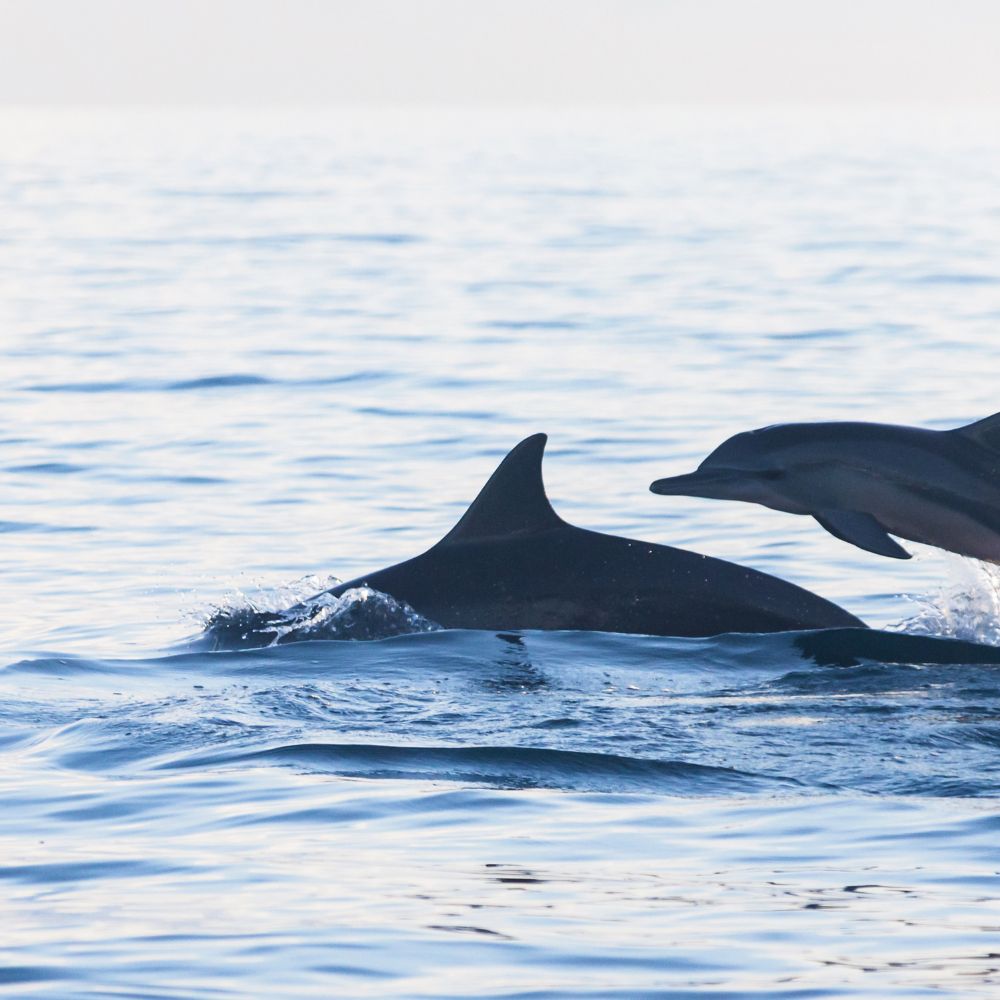
You can see them all year long. Several species, including bottlenose and spotted dolphins, can be seen throughout the year, so you have a good chance of seeing them.

Depending on where you are staying, there are several catamarans and sailing boats, so the chance to see big schools of dolphins are high. Ask your travel designer about the best places to see dolphins.

April in Costa Rica

The best places to go dolphin watching in Costa Rica:

  • Tamarindo and surroundings.
  • Drake Bay
  • Tambor
  • Golfo Dulce
  • Golfo de Nicoya
  • Dominical (Parque Marino Ballena)
  • Caribbean: Limon and South Caribbean
  • *Some lucky people have seen dolphins in the Tortuguero Canals

Whales

Costa Rica is the winter place for the Southern Hemisphere Humpback Whales, and so, April is not a good time to see them. (Their winter is July, August, September).

However, you may be quite lucky and spot some of the California Whales that come to Central America looking for warmer waters. Not usual in April, though.

Birdwatching in April in Costa Rica

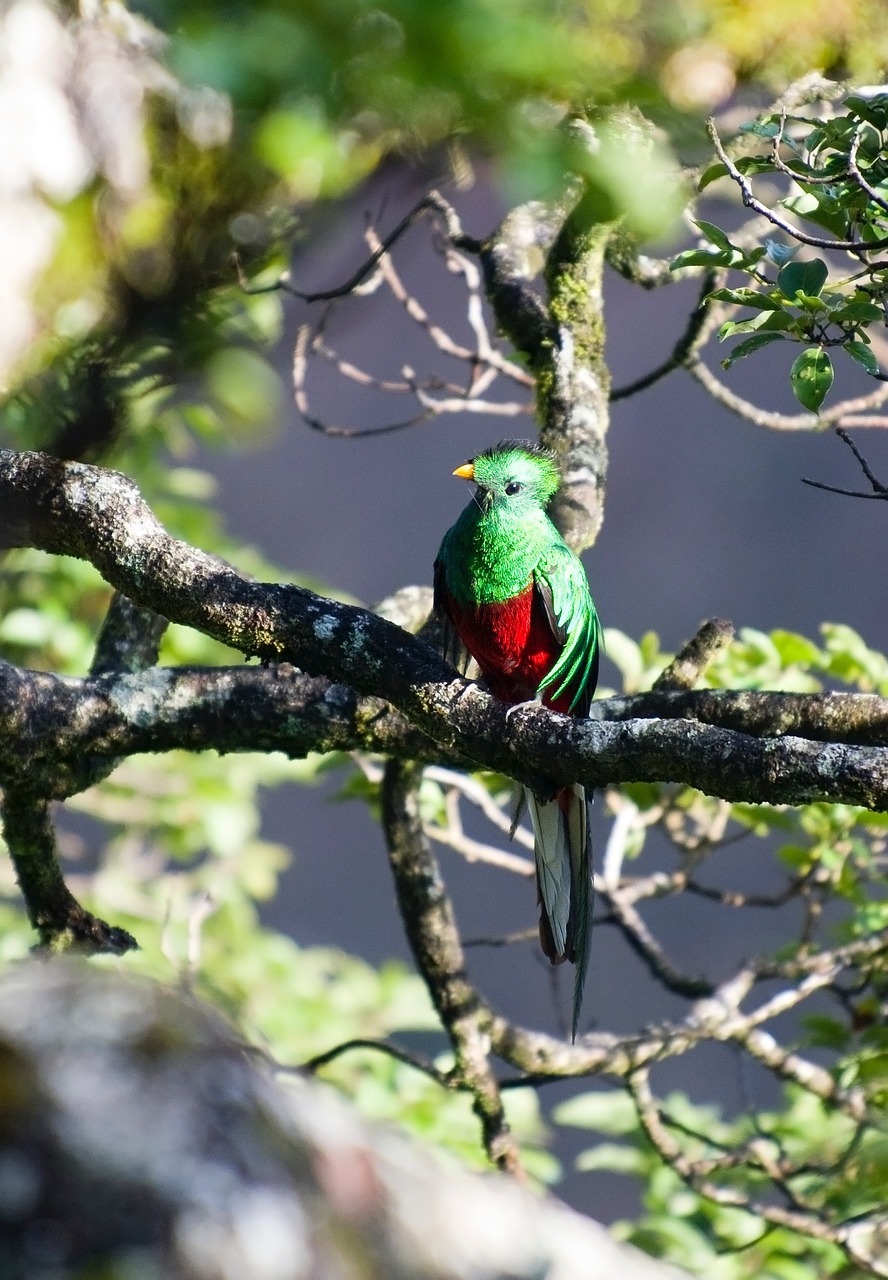
Resplendent Quetzal

In April, Monteverde and Savegre and other high regions of the mountain ranges will be visible. It is the moment of the year when species are mating and looking for eggs and young. The mating dances and songs are in full swing, and the feathers and noises can be spectacular.

Resplendent Quetzal | April in Costa Rica | Costa Rica in April
Resplendent Quetzal | April in Costa Rica | Photo by Nicman

Species that migrate

The 252 migratory bird species are already flying back North, and our forests seem to miss some of the many mixed flock members that are noticeable in the sunny season.

Usual Costa Rican Birds

It’s a great time to go bird watching because March is nesting season, and April is juvenile. They emerge from their nests and can be seen flying for the first time in various locations, using their brand-new wings.

The remaining bird species can be seen all year.

Toucans

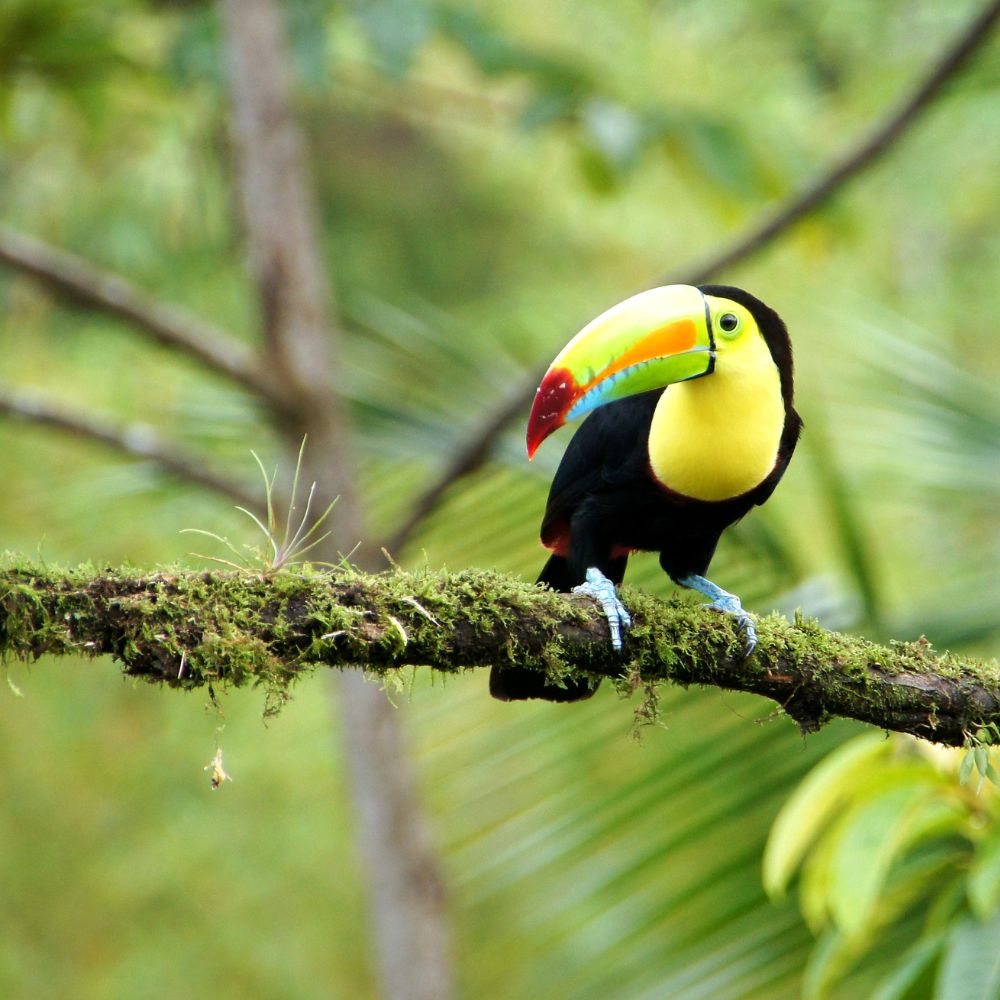
Costa Rica is habitat to six different toucan species. Keel-billed toucans, as well as Black and Keel Mandibuled Mandibuled Mandibuled Mandibuled Mandibuled Mandibuled Mandibuled Mandibuled Mandibuled The Emerald Toucanet can be found in high elevations like Monteverde.

Keel Billed Toucan | April in Costa Rica | Costa Rica in April
Keel Billed Toucan | April in Costa Rica

The golden-eared Eared Toucanet is hard to spot. They are visible all year. The black-mandibled toucan and the keel-billed toucan are relatively common sightings along the Caribbean Coast and in the northern area. They can also be seen in mountain areas such as Monteverde and Turrialba. Collared Aracaris can be seen in these lowlands, despite not being found in the highest elevations.

Costa Rica’s Central and South Pacific are home to fiery-billed Aracaris. Yellow-eared toucans and Emerald Toucanets can be found in the mountains of Guanacaste, near the Caribbean and Monteverde.

Costa Rica in April – The Travel Industry

Due to the conservation of National Parks and reserves and the pandemic, the number of persons permitted to visit some of these locations can be pretty limited.

And if you are driving, it is important for you to know that there are already many National Parks that are not selling their entrance tickets on-site, but online, so it’s a good idea to keep this information in mind and discuss it with your travel designer.

Cruises

Cruise ships travel to Costa Rica in April. This is important to know if you intend to visit the Crocodile Safari in Tarcoles River, Carara National Park, the Pacific Aerial Tram, Monteverde Reserve in the Monteverde area, or Hanging Bridges, Coffee Tour.

Many people will also be in Monteverde, Arenal, Tamarindo, and Manuel Antonio. Tour operators and tour companies are ready for this, and it’s all well structured in general.

And in the area of the Caribbean, some of the adventure sites like ziplines, tubing, or kayaking may be crowded on cruise days.

Surfing:

From January to April, chilly winter fronts press into the Caribbean every now and then creating the enormous and continuous waves.

To enjoy the benefits of the waves in Costa Rica in April, Salsa Brava is at its peak in Puerto Viejo, in the South Caribbean.

Surfing in April in Costa Rica | Costa Rica in April
Surfing in April in Costa Rica

To wrap it up:

If you want to get away, coming to Costa Rica in April is a beautiful idea because it will offer some warm sunny rays and allow you to relax in the exotic destinations that the country provides. And although it is high season, it is not considered peak season (Except for the Eater week).

Places will have a constant flow of people on the trails and the beach and the hotels and lodges, but the weather is breathtakingly beautiful.

If you are traveling to Costa Rica April, especially before or during Easter Week, reserve your hotel, or place to stay as of now, whenever you are reading this. It’s urgent! 

And if you can move it for after Easter, you will see the best of Costa Rica, pristine and empty.

Keep on reading to find when is the best time to come to Costa Rica!