Must-Visit Places in Costa Rica (P4): Monteverde Cloud Forests

Must See Places in Costa Rica | Monteverde Cloud Forest

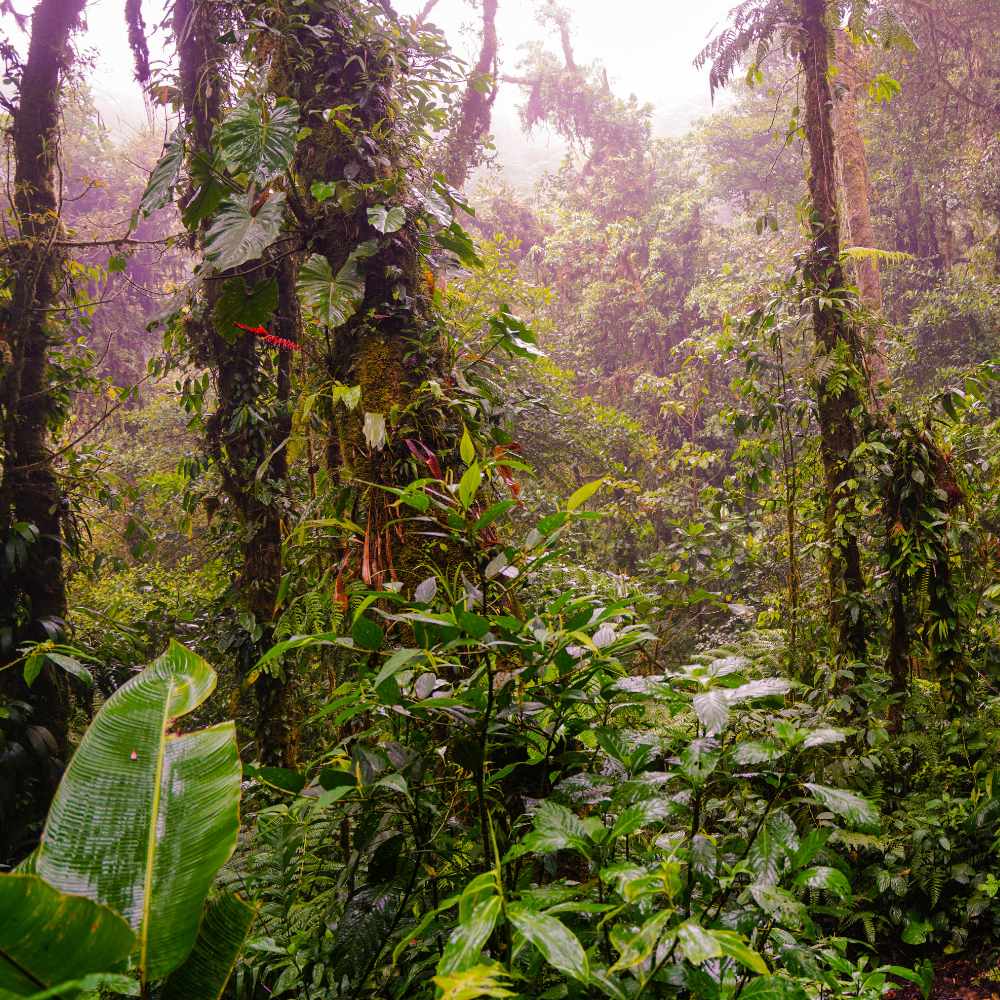
Discover Monteverde Cloud Forests, one of the must-visit places in Costa Rica, renowned for its lush greenery and vibrant biodiversity. This remote paradise offers unique experiences, from stunning hikes to thrilling zip lines, making it a top destination for nature lovers and adventure seekers alike.
Must-visit places in Costa Rica | Monteverde Cloud Forests

Find here a summary of the podcast Must see places in Costa Rica, extracting the podcast section where I speak about Monteverde. Down below is the whole transcription.

The Challenge of Access

Before I dive into Monteverde, it’s essential to understand why it is sometimes included in itineraries and sometimes not, although it is definitely one of the must-visit places in Costa Rica.

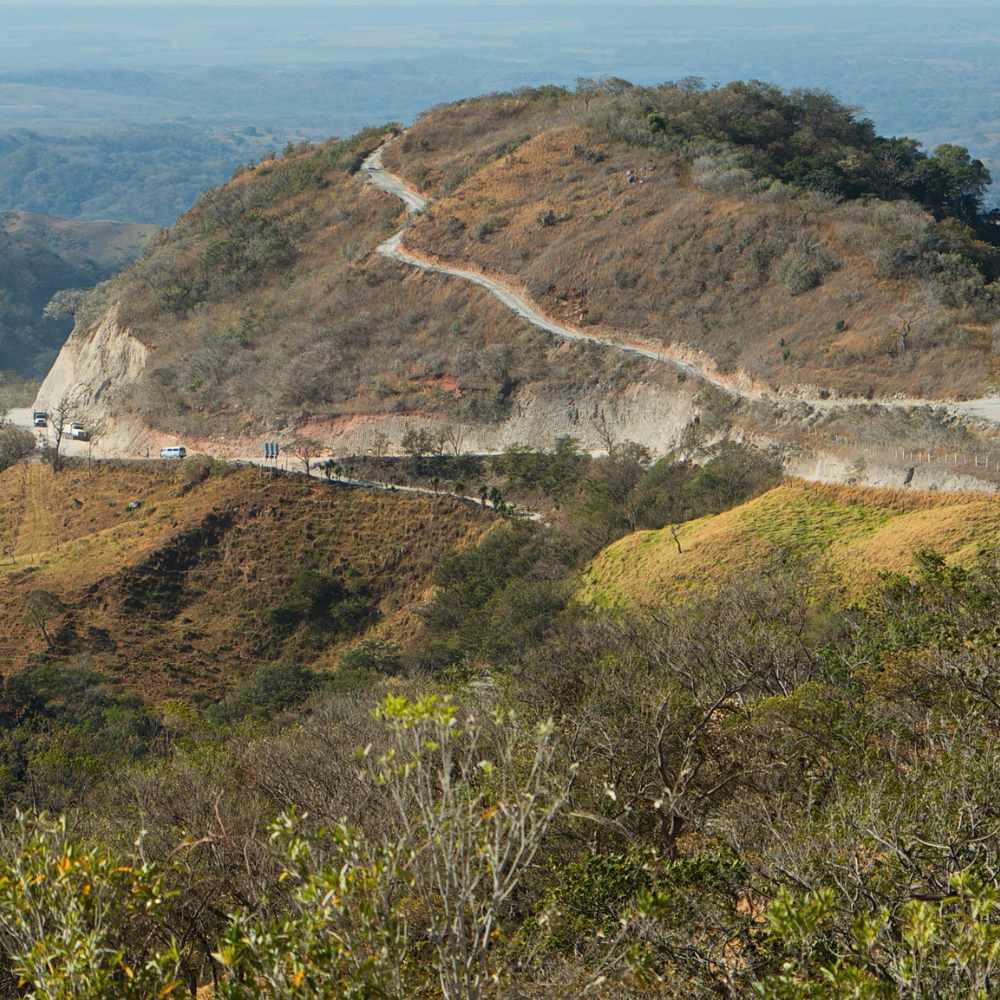
The main reason is that the roads leading in and out of Monteverde can be quite challenging. Similar to Tortuguero, it’s a remote place, breathtakingly beautiful, and home to one of the most thriving and progressive communities I’ve ever experienced. But the access even now, when the main road is paved, is quite hard.
Must-visit places in Costa Rica | Monteverde Cloud Forests

I had the privilege of living in Monteverde for the entire pandemic, and this place is unlike anything I’ve encountered. I plan to create a podcast about it because it’s truly worth sharing. However, getting there and leaving can be quite difficult. If you have the time, it’s definitely worth including in your plans.

Plus, being in the mountains means it can be chilly; you’ll need a sweate and likely a rain poncho. Waterproof hiking shoes are recommended, as temperatures can drop. This is the primary reason why Monteverde is sometimes left out of travel itineraries.

Personal Connection

I must admit, I am quite biased when discussing Monteverde. I fell in love with the area, its community, and its people during my time there.

Location

So, where is Monteverde located?

It sits in the Cordillera of Tilarán, which is part of Guanacaste. It lies between the central volcanic mountain range and the older Guanacaste mountain range.

It’s about three and a half to four hours from both San José and Liberia. Whether you fly into one airport or the other, the distance to Monteverde remains the same.

Community and Attractions

Monteverde is one of the most popular must-visit places in Costa Rica due to its stunning beauty. It boasts a unique community of scientists, artists, and a conscientious conservation population.

In Monteverde, similar to Arenal, there are various areas to stay depending on your preferences.
Must-visit places in Costa Rica | Monteverde Cloud Forests

Areas to Stay

Monteverde itself is primarily a reserve. Unlike many destinations, it doesn’t have national parks; instead, private foundations own all the reserves. Notable ones include the Monteverde Reserve, the Eternal Rainforest, and the Santa Elena Reserve, along with smaller reserves like Curicancha, which are excellent for birdwatching and other activities.

Depending on your interests, you can choose between more crowded, touristy areas or quieter, wilder spots.

Layout of Monteverde

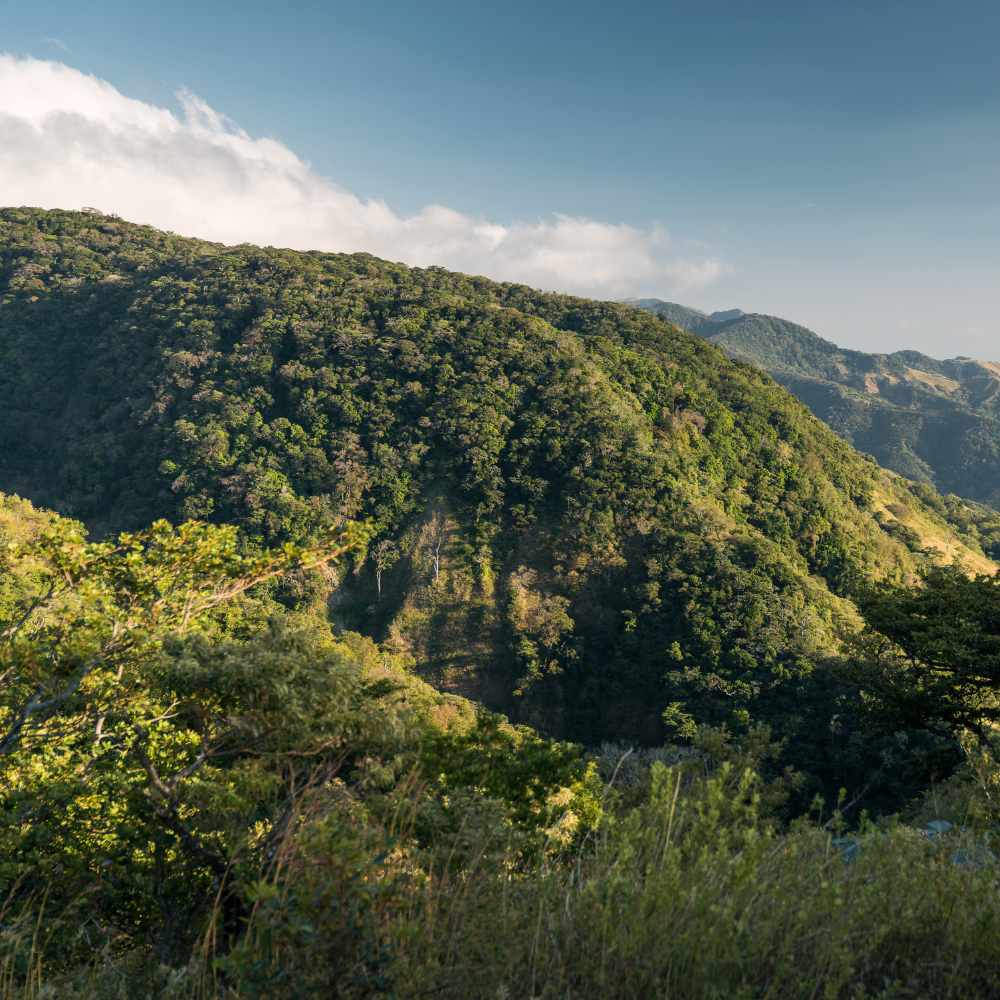
Let’s discuss the layout of Monteverde. Picture a linear path: at one end, you have the Monteverde Reserve, and at the other, the Santa Elena Reserve, which are interconnected. This imaginary line represents the main road through Monteverde.
Must-visit places in costa ricaa | Monteverde Cloud Forest

Monteverde Town is close to the reserve, while an area known as Perro Negro (Black Dog) hosts some of the largest hotels. Although it’s touristy, it offers a few good restaurants. Continuing along this line, you reach Santa Elena, the first town you’ll encounter, which is small and charming, with plans to become entirely pedestrian-friendly. It features supermarkets, nice restaurants, and popular bars like Amigos Amigos, known for live music on weekends.

I wouldn’t recommend staying in Santa Elena unless you’re looking to enjoy the nightlife.

 Activities and Attractions

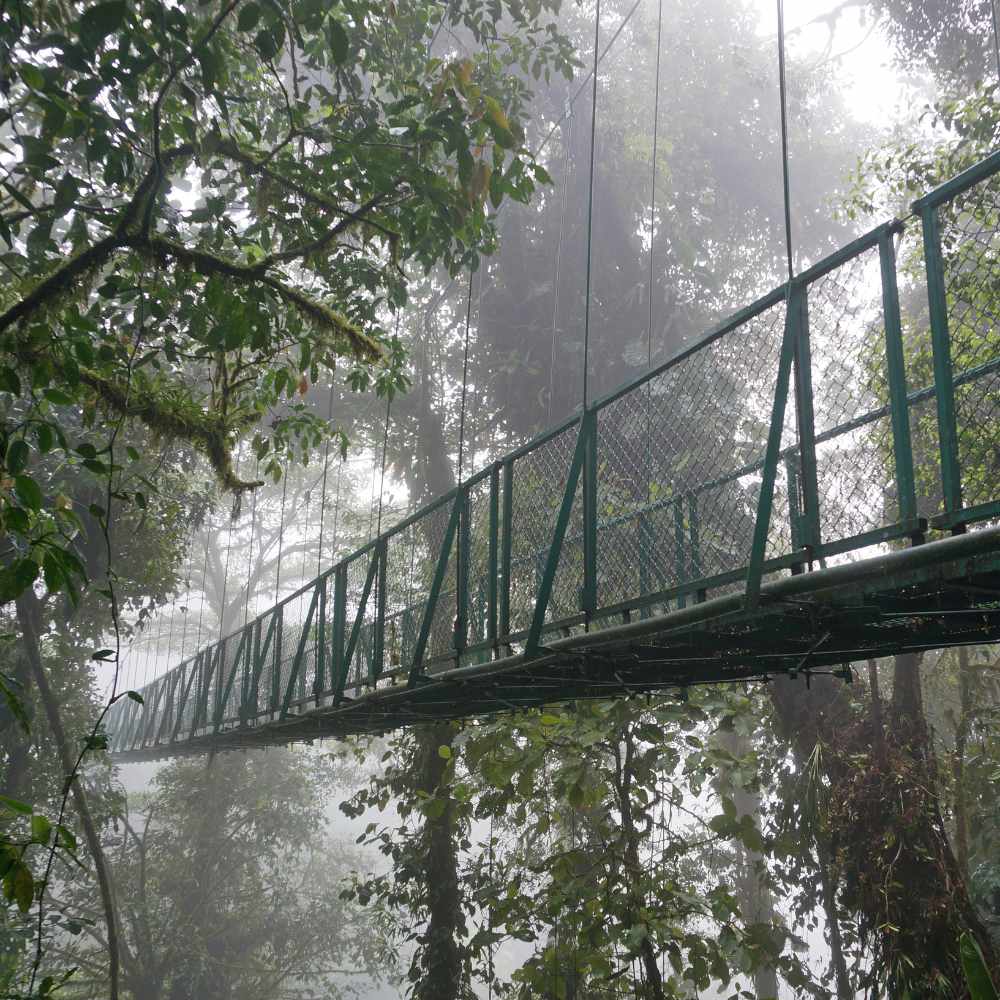
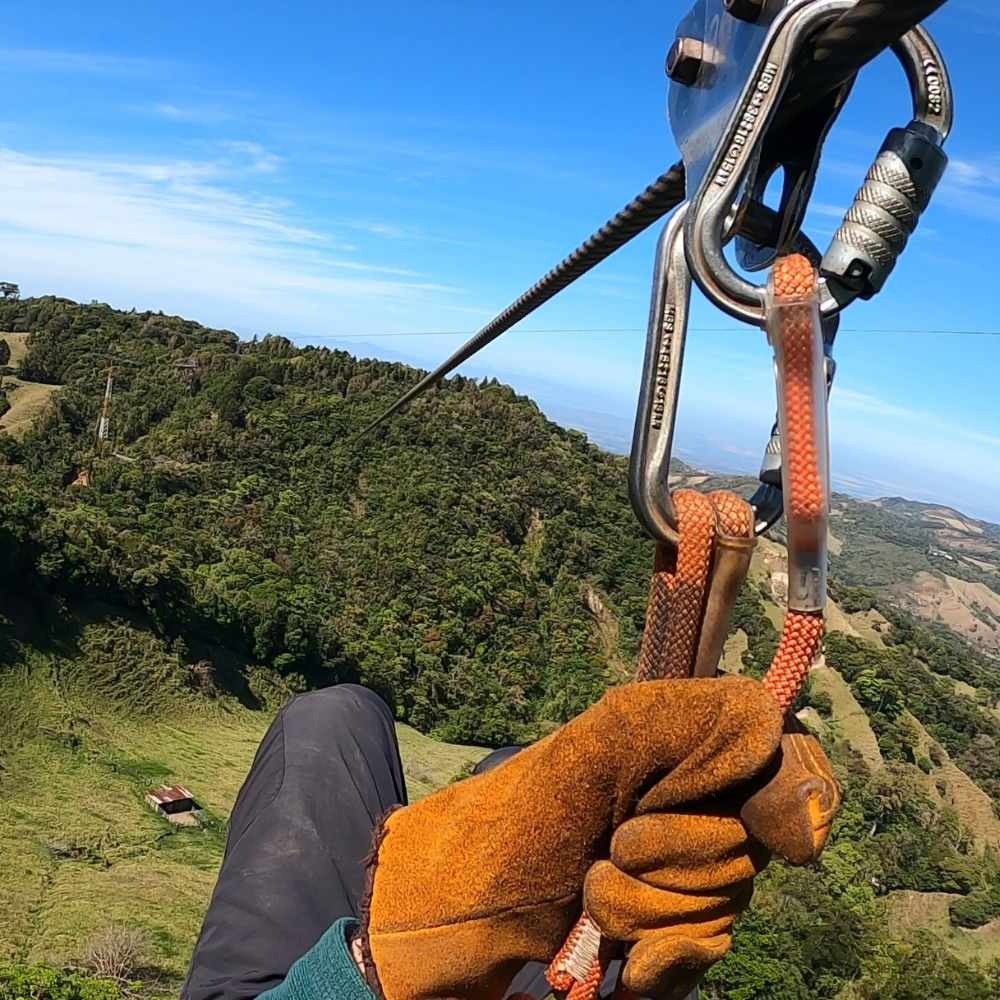
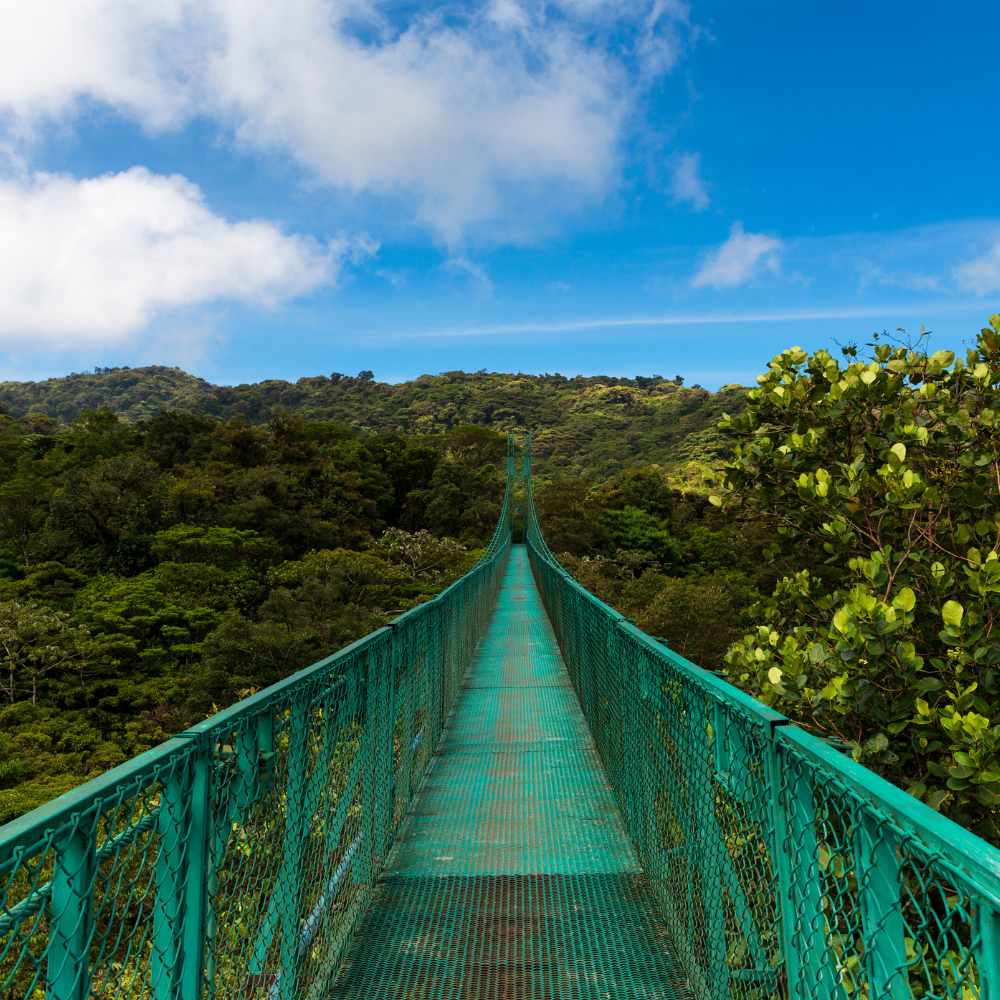
After Santa Elena, you will head toward the Santa Elena Reserve, home to hanging bridges and various projects. This area also offers organic farms, coffee tours, chocolate tours, and sugar tours, with plenty of boutique hotels and Airbnbs.
Must-visit places in costa ricaa | Monteverde Cloud Forest

Adventure Activities

There are numerous activities in Monteverde, including impressive ziplining and thrilling Tarzan swings. If you’re a hiking enthusiast, the trails in the Monteverde Reserve are a must-visit, though they can be pricier than those in Santa Elena. However, the beauty of the Monteverde Reserve is breathtaking, especially during the pandemic when it was less crowded.

In the Santa Elena Reserve, you’ll find the most strenuous hiking trail, which I highly recommend. If you’re interested in more details about hiking trails in Monteverde, feel free to reach out via email or WhatsApp.
Must See Places in Costa Rica | Monteverde Cloud Forest

Night Tours and Waterfalls

The Monteverde area also offers fantastic night tours. Night hikes in Arenal and Tortuguero are particularly enchanting due to the sounds of the forest.

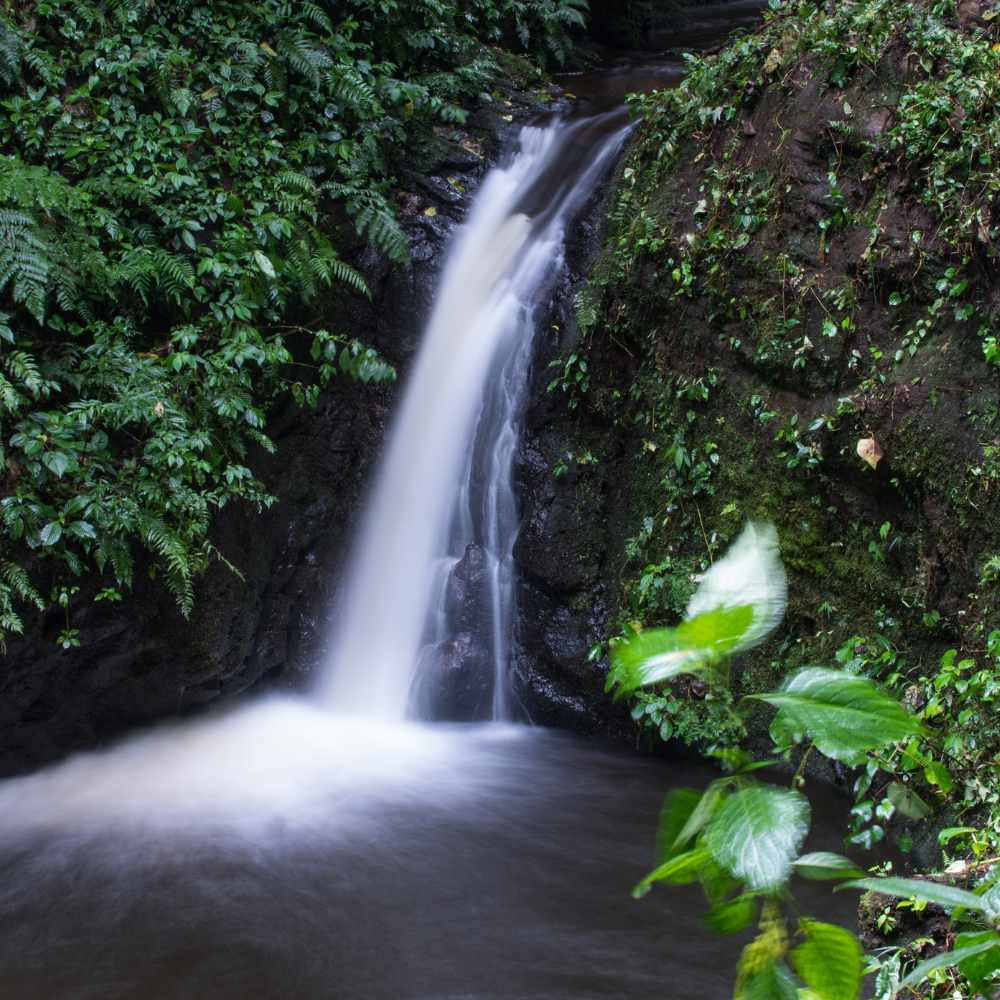
Monteverde features stunning waterfalls, with El Tigre being the best spot to experience them. It’s an unforgettable experience that you simply must have when visiting Monteverde.

Weather

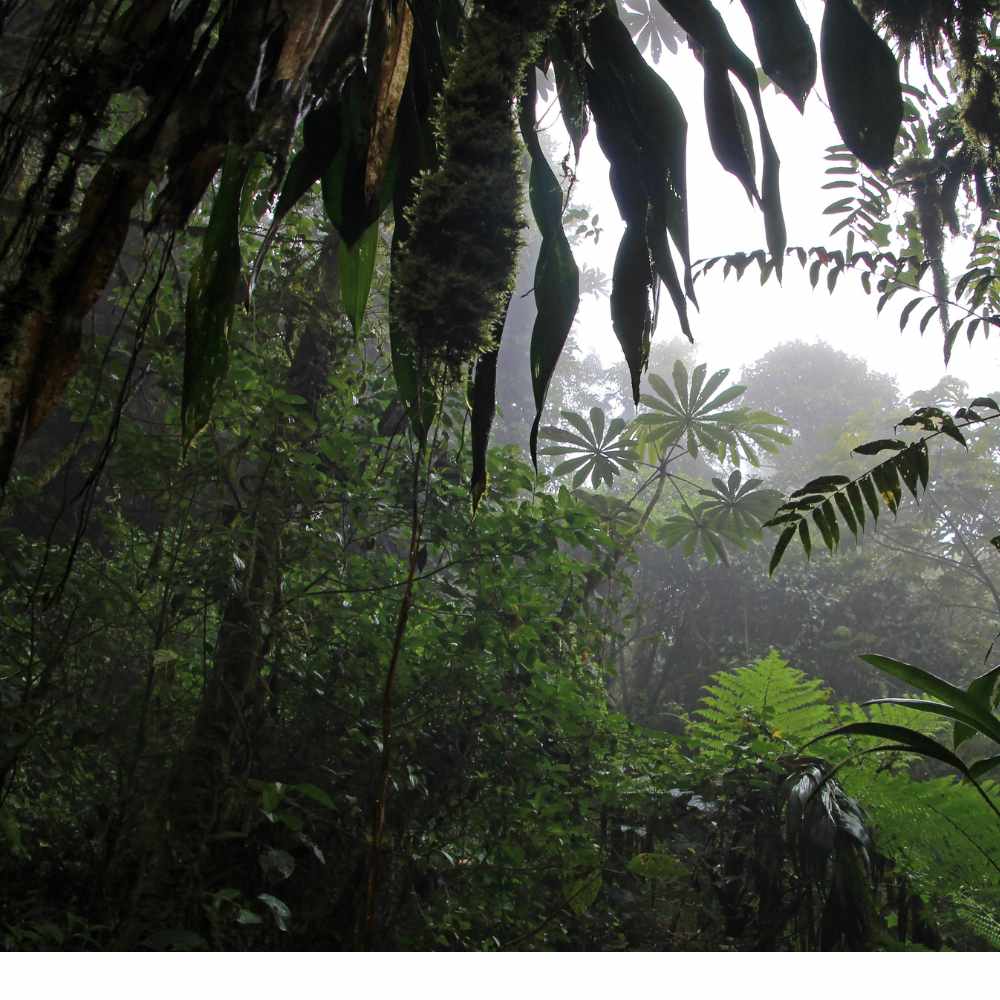
Now, let’s talk about the weather. If you enjoy cool, misty climates, Monteverde is the perfect destination. However, if you’re escaping the cold, it might not be ideal.

I once met a Russian tourist who, upon arriving in Monteverde, remarked on his sweater, asking if he really traveled 24 hours just to wear it in Costa Rica. He quickly decided to head to the beach instead.
Must-visit places in costa ricaa | Monteverde Cloud Forest

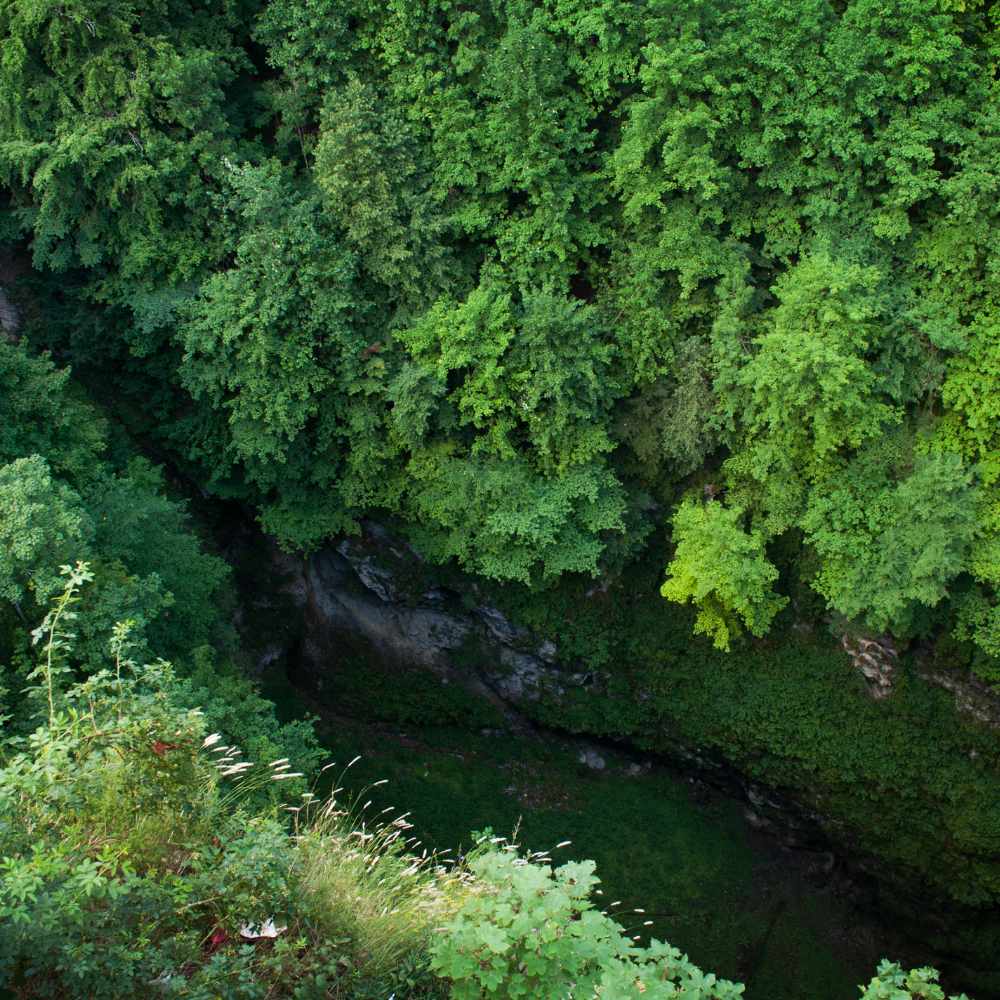
In Monteverde, temperatures typically range from 50°F to 75°F, and the area often experiences light drizzle, contributing to the frequent rainbows throughout the year.

Best Time for Birdwatching

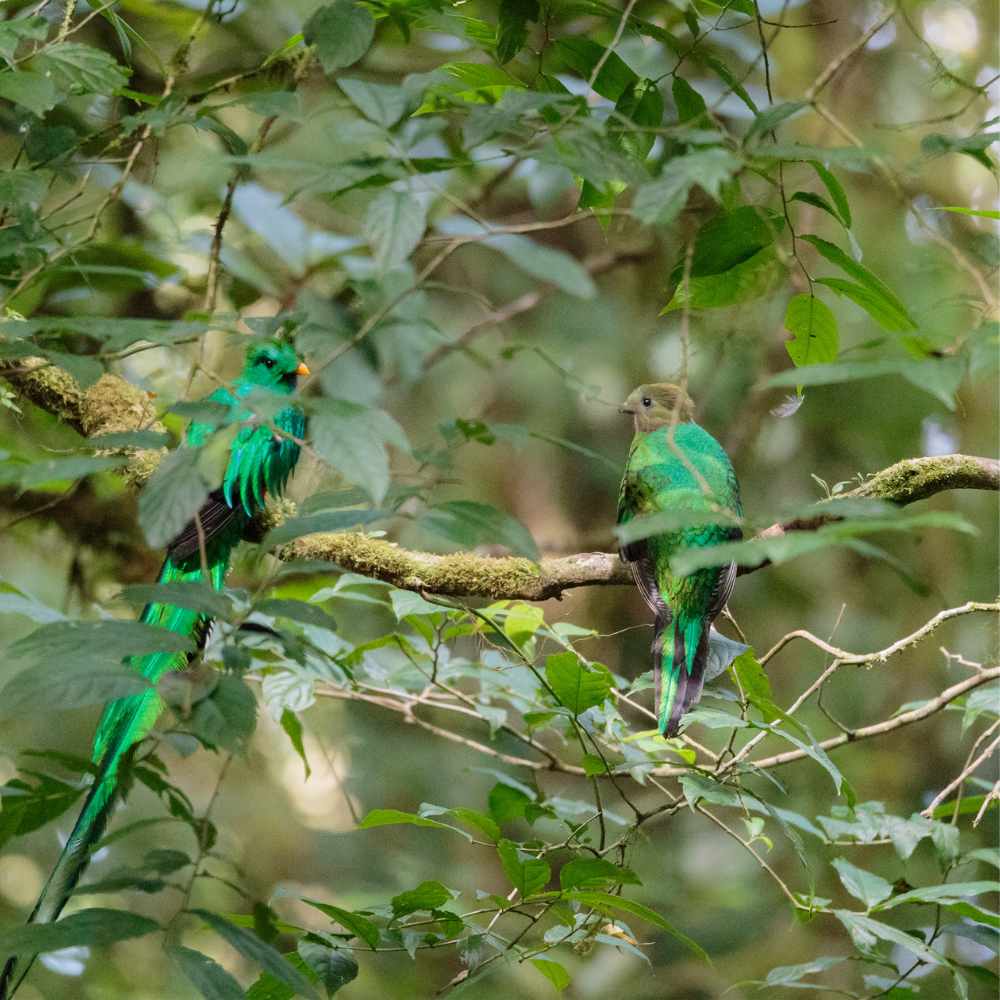
The best time for birdwatching in Monteverde is from March to August, when you can spot the Resplendent Quetzal and the Bellbird, among other species. December to February can be windy, making it less ideal for birdwatching.
Must-visit places in costa ricaa | Monteverde Cloud Forest

Biodiversity

Monteverde is home to over 2,500 plant species and boasts the highest variety of orchids on earth.

Conclusion

I highly recommend visiting Monteverde Cloud Forests, one of the top must-visit places in Costa Rica.

Share your experiences with me in the comments or through a message, and let me know how your journey in the Monteverde Cloud Forests went. If you have any questions or need more information, don’t hesitate to reach out!
Must See Places in Costa Rica | Monteverde Cloud Forest

TRANSCRIBED FROM PODCAST:

Let’s go now into Monteverde. Now, before I get into Monteverde Cloud Forest Region, I want to see why it is that sometimes it is included and sometimes it’s not.

The reasons, mainly, are because the road in and the road out to Monteverde are usually hell. And it’s pretty much like Tortuguero. It’s a very remote place, breathtakingly beautiful, with one of the most thriving communities, the most progressive communities that I’ve ever lived with.

I had the privilege of living in Monteverde for the whole pandemic. And this place, it’s like nothing I’ve ever been in. I can give it to you, and I will create a podcast about it, but because it’s worth it. But it is very hard to get to and very hard to leave from.
Must-visit places in Costa Rica | Monteverde Cloud Forest

So if you have time, they will include it. Plus it is mountains; it is chilly. You have to wear a sweater to go there. You will probably wear a rainponcho. You have to wear your hiking shoes, waterproof if possible, because it’s a chillier place. The temperatures fall. So that’s the main reason why Monteverde sometimes is not included in the itineraries.

Okay, I must say that when I’m talking about Monteverde, and this is a disclaimer, I’m super biased when talking about Monteverde. I was in love with that area. I was in love with its community, its people, and my experience living there. So I am biased.

Location of Monteverde Cloud Forest and Region

Where is it located? It’s located in the Cordillera of Tilaran, which is part of Guanacaste. It’s like a little; it’s like between the central volcanic mountain range and the Guanacaste mountain range, which is actually an old one, but it’s in between these two.

It’s about four hours or three and a half hours from San Jose, same from Liberia.

It’s exactly the same distance and the same time.

If you come to one airport or the other to go to Monteverde, if you want to go straight to Monteverde, it will be exactly the same distance.

And it’s one of the most popular places in Costa Rica because it’s just simply beautiful. Plus, it has a very distinctive community of scientists and artists and then a very sensible conservation population.
Must-visit places in Costa Rica | Monteverde Cloud Forests

Areas to Stay

So you will find it in Monteverde, just like Arenal is extended. I would say that there are three areas where you can stay in Monteverde depending on what you like best. There is the Monteverde area. Monteverde doesn’t have any national parks; there, foundations own all of the private reserves.

I make a huge podcast about this. But there is a Monteverde reserve, there is the Eternal Children rainforest, there is another one that is called the Santa Elena reserve, and there are a few smaller ones, like Curicancha reserves, that are great for bird watching or other pursuits.

So depending on what you want, you can go into more crowded, more touristic areas or more quiet and foresty, wilder areas.

The area of Monteverde, and we will talk about it like that. Let’s talk about, you know, like a line; let’s make these like a linear thing. So in one extreme, you have the Monteverde Reserve. At the other end of this line, you have Santa Elena Reserve; they’re actually connected. But this line that I’m telling you about is actually a road.

And this imaginary line will give you a glimpse of which are the places in Monteverde. Monteverde has Monteverde Town, which is close to the reserve. Monteverde. Then you have an area that is actually called Perro Negro, or Black Dog.

And it’s the area where you will find some of the biggest hotels. You don’t find it called Perro Negro. I know that because I used to be a local. But it’s a very touristy area. You’ll find many restaurants; it’s not many, but some restaurants, some really good restaurants.

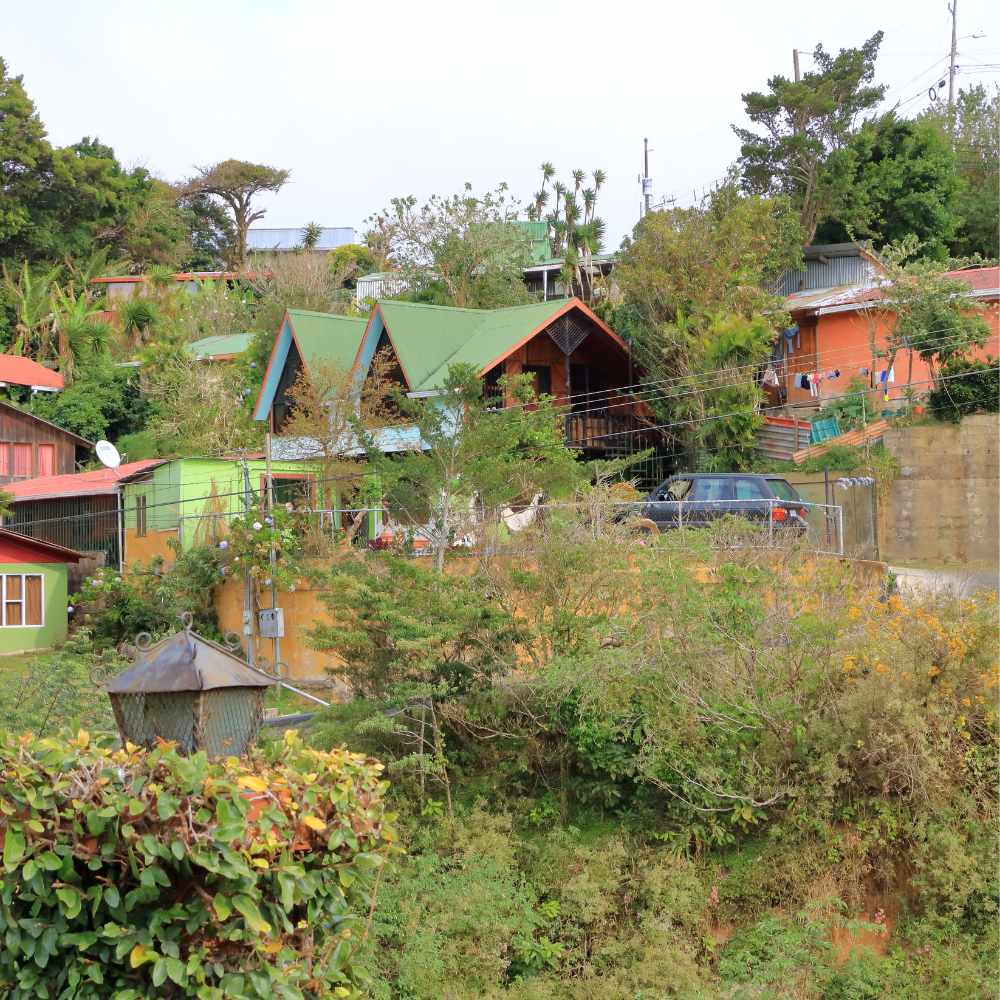
Then you go into Santa Elena, and this is going in this line; you go Monteverde Reserve, Monteverde Town. Then you have Perro Negro, which is where the hotels—these big hotels are. Then you go under on the drive and you go into Santa Elena Town, which is the first town that you will arrive in.
Must-visit places in Costa Rica | Monteverde Cloud Forests

Depending on either way you come, you will arrive at Santa Elena. Santa Elena is a four-block town. It’s a very small town, very nice. They’re actually talking about making it totally for pedestrians. It has a few supermarkets, it has a view, a few very nice restaurants and cafeterias, and a few very cool bars and pubs. And it has a very known one that is called Amigos Amigos. It closes at 2:00 in the morning, and they do live concerts, especially on weekends.

So I wouldn’t recommend staying in Santa Elena unless you want to go partying in the area. When you pass Santa Elena, you will go towards the area of the Santa Elena Reserve. This is where the hanging bridges are and several other projects in the region. Like not only hanging bridges, ziplines, and there will be organic farms, coffee tours, chocolate tours, sugar tours—all of those are in that area. That’s an area where you can find boutique hotels and lots of Airbnbs.

Activities in Monteverde Cloud Forest

So this is a summary of the options to stay in Monteverde and the areas of Monteverde. Explaining a little bit of the layout of the area.

Let’s talk about the activities. As I’m saying, there are a lot of hanging bridges. There is ziplining, huge, like really impressive ziplining. They have a lot of versions of it. You know, they have like incredibly high Tarzan swings and bungee jumping. It’s really cool. If you like that, then you have the best hiking ever. I’m going to make, I have, I think, in the blog somewhere.

There is already a post on the hiking trails of Monteverde Reserve. But it’s worth a visit to go for those hiking trails. The Monteverde Reserve is less popular because it’s much more expensive than the Santa Elena Reserve. But mainly because of that, it’s super beautiful. It’s really. It’s so breathtaking. I was very privileged to see it in the pandemic, so all of them were very empty.

In Santa Elena Reserve, though, you will find a trail that is not. It’s the most strenuous one. If you like hiking, that’s the one I recommend. I will totally create a whole blog about these trails.

But if you want to know more about it and you need to know it, like now, please send me an email or send me a note through WhatsApp, and I’ll get back to you as soon as I see it with whatever answer you need on hiking trails in Monteverde or wherever.
Must-visit places in Costa Rica | Monteverde Cloud Forests

So anyways, the Monteverde area also offers great night tours. I didn’t mention that. In Arenal, you can do. And in Tortuguero, you can do night hikes that are very cool, especially because of the sounds. They have amazing waterfalls, great waterfalls.

They do have amazing waterfalls there. There are some of them. But the best place to go is El Tigre. To go see waterfalls in the forest is. You have to see it. It’s very little to say about it. You have to experience it. If you go to Monteverde, it’s a place to see.

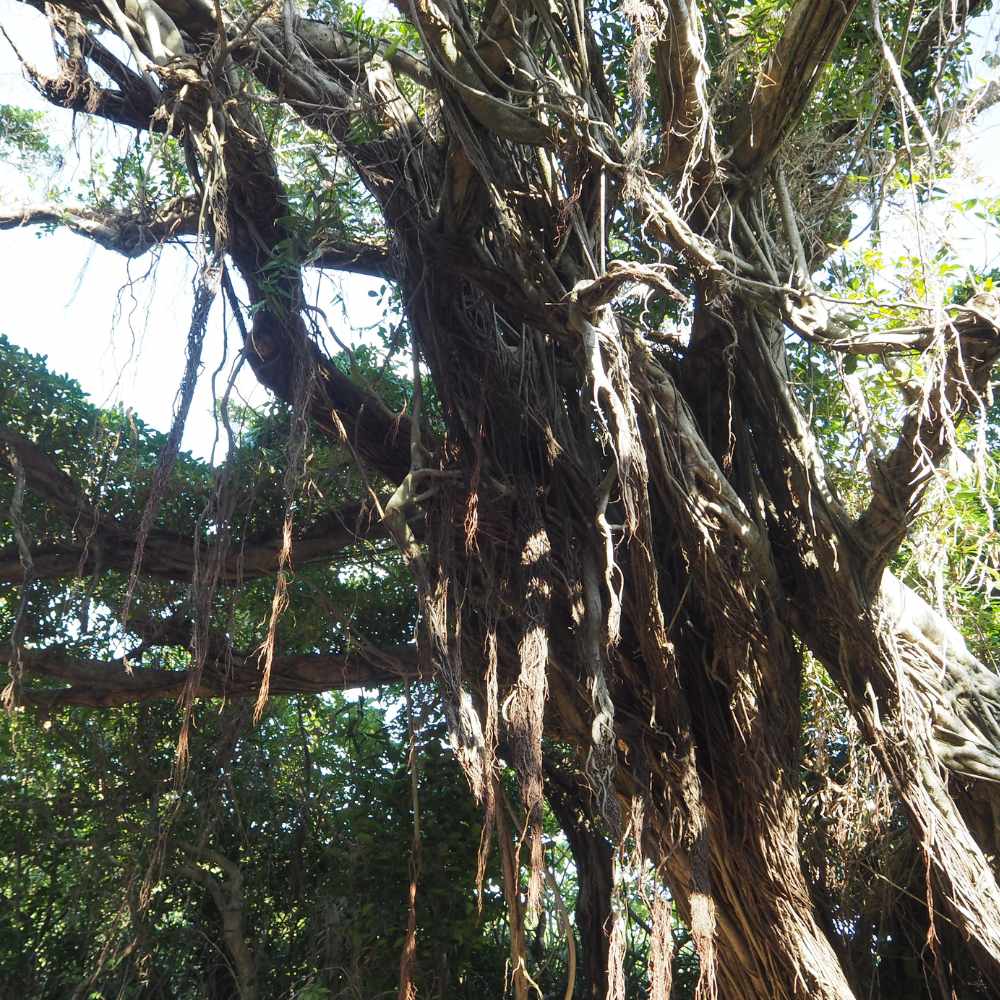
Then you have… What else do we have in Monteverde? We have trees. We have trees to climb. Because of the trees in Monteverde, there are some hollow trees, and in some private properties, you can climb inside of a tree. It is really a cool experience.

Weather in Monteverde

Now let’s talk about the weather. If you like cool, misty climates, this is the place for you. That’s what happens with me. I love the misty climate. But it’s not for everyone. If you’re running away, escaping the cold, you know. Once I was with a Russian tourist, and when we arrived in Monteverde, his question was, “See what I’m wearing here?” And he was wearing a sweater. And I looked at the sweater, and he said, “Do you think I traveled for 24 hours to put a sweater in Costa Rica?” So we had to move to the beach, like right away. Like they didn’t want to see the cloud forest. I couldn’t blame them; you know, if you got the money, go to the beach; go for it. Enjoy.

So having said this, the temperature really ranges from 50°F to 75°F, and it’s wet. A lot of times it’s quite wet. There’s a drizzle, you know; usually, it’s a very slight, slight drizzle. Lots of rainbows, mostly all year round.

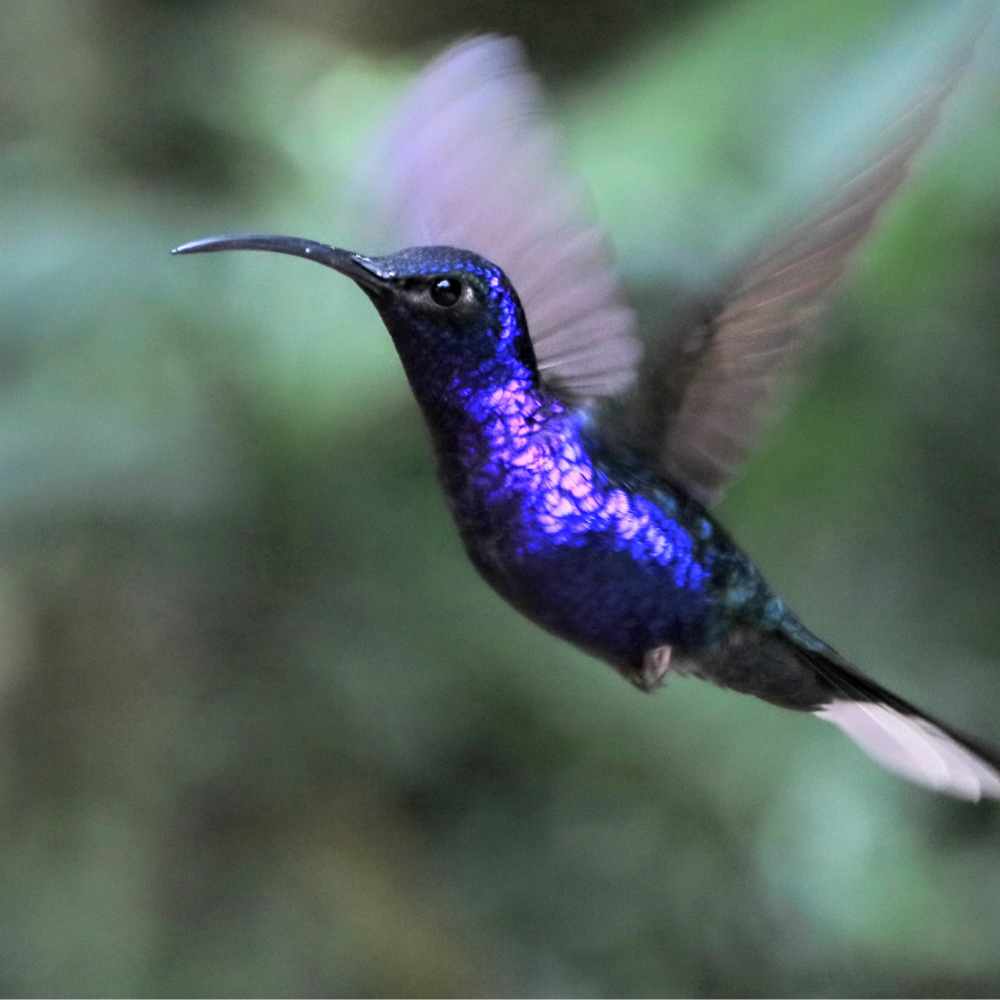
But the best time is in the sunny season. December to February is windy—very windy. Not a good time for birdwatching because it’s windy. The best time for bird watching is between, I think, March and August, which is where you can find the Resplendent Quetzal and the Bellbird, along with some others that are great targets for birdwatchers and photographers.

In Monteverde, you find more than 2500 plant species, and it is the place on earth with more varieties of orchids.

So I super recommend you visit. Pay a visit to Monteverde and let me know how it went. Let me know in the comments or send me a note telling me how Monteverde treated you. And if you need anything, if you need to know anything, let me know about it. Send me a note or WhatsApp.


Must See Places in Costa Rica (P.2): Tortuguero National Park and Region

Must see Places in Costa Rica: Tortuguero National Park

Among the Must See Places in Costa Rica, the first destination (or the last) is usually the Tortuguero National Park and Region. Why is this? What is it that makes Tortuguero a unique place? Keep on listening, or read on, and we’ll tell you about it!

Must see Places in Costa Rica: Tortuguero National Park

Introduction to Tortuguero

Tortuguero is a tropical haven. It’s a dream for any nature lover. When I first went to Tortuguero, it was so breathtaking that I was literally speechless. Each visit reveals something new and stunning.

It is usually chosen to be the first destination in itineraries as it is one of the most beautiful must see places in Costa Rica, yet very remote and isolated.

It does not have a road. .

Unique Experience in Tortuguero

  • Biodiverse: Incredibly biodiverse and offers a unique way to see the forest.
    • Birdwatching
    • Butterflies, frogs and reptiles identification and sightseeing
    • Garden and rainforest interpretations and Walks
    • Night Tours
  • Hiking in the Rainforest: You’re part of the environment, feeling blended into the forest.
  • Boat Tours: Observing the forest like artwork from a distance. Different experiences on larger boats vs. canoes/kayaks.

Accommodation in Tortuguero

  1. Hotels:
    • Packages: Three days, two nights or four days, three nights.
    • Ideal for nature lovers, photographers, and bird watchers.
    • Includes hotel pick-up and drop-off in San Jose.
  2. Downtown Tortuguero:
    • Family-owned hotels and a lively atmosphere.
    • Note: Noise from the town may disrupt the rainforest experience.

Must see Places in Costa Rica Tortuguero

Activities in Tortuguero

  • National Park: Nearly 200,000 acres (77,000 hectares), with 124,000 acres of protected water.
  • Usual Activities:
    • Hiking
    • Kayaking
    • Boat trips into the national park
    • Canopy tours
    • Coco tours
    • Bird watching

Wildlife and Biodiversity

  • Home to:
    • 300+ bird species
    • 60+ species of mammals
    • 118 species of reptiles
    • Four species of turtles
    • Dozens of frogs and butterflies, including the blue morpho butterfly

Must see Places in Costa Rica: Tortuguero National Park

Weather and Conditions

  • Weather: Super humid rainforest.
  • Temperatures: 75 to 86 Fahrenheit (24 to 30 Celsius).
  • Biodiversity: Visible even on rainy days, with sunny periods being especially magical.

Final Recommendations

  • Camera Gear: Bring a good camera or phone lenses for macro photography.
  • First or Last Destination: A must-see in Costa Rica, whether it’s your first or last stop.
I hope this works for you! Let me know if there’s anything else you need.
Must see Places in Costa Rica: Tortuguero National Park

The transcripted podcast about Tortuguero as one of the first of the must see places in Costa Rica

Let’s talk about these must-see places in Costa Rica. And we’re starting with Tortuguero. Tortuguero is a tropical haven. It’s really the dream of any nature lover. When I first went to Tortuguero, it opened my mouth. It was so breathtaking, I couldn’t close it almost for hours, like I couldn’t talk. Literally speaking. And up until my last visit, which was a couple of years ago, I haven’t closed my mouth yet. It’s. Every time I go, I discover something new. It is just stunning. Other than that, it is incredibly biodiverse, and it has a way to see the forest that is very different from the usual.

A different way to see the rainforest, from hiking to sliding on a boat.

You see, when you go to hike in the rainforest, you are in; you are part of it. It’s like somehow the monkey within takes over; you know, somehow it’s; it’s a very inclusive sensation, so to say, you know, it’s; you’re part of it; you belong to the forest somehow. Either you are by yourself, which is actually the way I usually hike, especially if I know the place very well and you feel you’re part of it.

Hiking is different | Must See Places in Costa Rica

You feel that somehow this place blends you in. You know, while when you’re on a boat in the forest, it’s like looking at an artwork. It’s like you’re there, but at the same time you are in this secluded place.

When you’re hiking, you’re touching plans because you just pass through them. You know, somehow when, and then branches fall, you know, it’s just different.

And being on a boat, either on a boat with an engine with 15 other people, or being on a kayak or on a canoe, it’s a different feeling for both. I mean, when you’re on a bigger boat, which is the way I used to tour guide there, you still have your own little private paradise. But sometimes people talk.

Must see Places in Costa Rica: Tortuguero National Park

Depending on the tour guide, they will want to give you a lot of information. You know, it’s that one thing, that one fact. When you have people around, when you have only two people with you or three people because you’re in a canoe, or when you are in a kayak, even better with a guide and everything because you cannot get in by yourself.

For me, this is enough of a reason to make Tortuguero National Park one of the must see places in Costa Rica.

But it’s like a very personal, close, and personal feeling, you know, to this work of art. It’s like you’re seeing it but you’re not in it. It’s a very weird sensation, but it’s so amazing. So I totally recommend you go.

If you’re going, you can go either with one of the hotels that are in the area. They will give you all the included packages, which are three days, two nights, or four days, three nights. The first one is better for people who don’t have time and who are not, you know, as fanatics. The latter, which I totally recommend for real nature lover photographers, especially your bird watchers, may enjoy three-night, four-day packages.


Must see Places in Costa Rica: Tortuguero National Park

So you can choose one of these hotels that are either on the side of the beach or on the side of the national park, and you can stay with them. They’ll give you everything. They’ll pick you up at your hotel in San Jose, and they will bring you back to your hotel in San Jose.

They can bring you back also to set different places where you can catch your car rental or you can catch a local transfer to take you to the arena, volcano, or elsewhere. But it’s a choice.

The other choice, if you’re driving, is that you can also go to one of the piers, and you will have to find out about it. You can ask me, actually send me a note or a WhatsApp, and find out about which is the pier that they are using. Every now and then the river dries up, and so they have to temporarily go to one pier or another pier. So it’s important to find out where you are going. If you’re driving, you can stay in Tortuguero town, at the very entrance of the Tortuguero National Park.

Downtown, there are a few pretty good little hotels, usually family owned by local people. There are a few expats that have moved and integrated in the town of Tortuguero. The low side of the town of Tortuguero sometimes is the noise, at least in my experience.

I mean, if you are in the rainforest, you want to hear the rainforest sounds at night, not reggae. However, it is always humane, depending on your preferences. Want to listen to some reggae and want to go partying. So, you know, depending on your likes and wishes, I would highly recommend asking a little bit, you know, to research some more. If you would like to stay out of town or in town, I can find you some really good operators and some amazing experts that live in the area. Here in Tortuguero, or in any of the must see places in Costa Rica

Must see Places in Costa Rica: Tortuguero National Park

So having said that, let’s talk a little bit about the national park. The national park of Tortuguero. It’s a little bit under 200,000 acres, which is 7,76,000, actually 77,000 hectares. But out of this, 124,000 acres are in the water.

Meaning that nobody can fish there; nobody can catch turtles or fish there. You know, it’s there; it’s all the water protected so that the turtles can be safe to lay their eggs. Coming to Tortuguero, it’s part of the main conservation projects in the area.

So what do we do when we get to Tortuguero? What are the usual activities? Usually, of course, you have hiking and kayaking, and you usually go to the hotels and packages that I told you about; they usually include one or two trips into the national park by boat. And then you have. Actually, there is; I think that there is a canopy tour somewhere.

There is a fantastic with a capital F Cocoa tour that I highly recommend. I will bring an expert to discuss this tour, as it is truly fascinating. Then you have, of course, bird watching. It is a paradise for photographers. If you are into macro tropical nature, just simply take your breath away. Wherever you see a picture, it’s stunning. I used to take a lot of photography in Tortuguero, and it was like a never ending game.

Must see Places in Costa Rica: Tortuguero National Park

It’s really an amazing place to take pictures when you are anywhere in Tortuguero. But when you’re in any of these hotels, close to the beach or close to the rainforest, you’re so used to seeing animals up on their gardens. You know, you iguanas and basilisks and sloths, it’s, it’s like, it’s. You’re so in the jungle there.

So just being there, it’s an activity on its own. And I super recommend you to have some time for it because it’s wherever you look you will find something. Bring a good camera or have some lenses for your phones because it’s really a place to take macro.

Must see Places in Costa Rica: Tortuguero National Park

Okay, let’s talk about good lenses. If you possess a high-quality camera, such as a 500 or higher, you will derive immense pleasure from capturing the fleas in the sloths’ fur.

So anyways, let’s talk a little about weather and biodiversity. The weather in Tortuguero is super humid. It’s. The forest is a rainforest. It’s mosquito coast. Actually. The movie was supposed to be set very close to Tortuguero in Nicaragua, but very close to Tortuguero Mosquito Coast, Harrison Ford. It’s a movie from the 70s. I never watched it, but it was; it pictured the rainforest as hell. Anyways, it’s very close to where we are talking about. Usually the temperatures range from 75 to 86 Fahrenheit, which is 24 to 30 in Celsius.


Copyright laws protect the proprietary content in this article. Reproduction, distribution, or transmission in any form, whether in part or in whole, is strictly prohibited without explicit permission from the author.
If you wish to use, quote, or reference any portion of this article or blog, it is mandatory to provide proper attribution by including a clear reference to the original source at olgasaenz.com. Unauthorized use without appropriate credit is not permitted and may result in legal action.

Tamarindo or Manuel Antonio? Must-see Places in Costa Rica (P5)

Tamarindo or Manuel Antonio

When you choose among destinations to go to Costa Rica, you will repeatedly notice some choices. So aiming to give a more precise point of view, I decided to create these comparison posts that will guide you from the most popular places to the off-the-beaten pathways.  This post will discuss Tamarindo Beach in the North Pacific and Manuel Antonio Beach in the Central South Pacific.

Continue reading

Must-See Destinations in Costa Rica – (Part 1)

Manuel Antonio | Must-see Destinations in Costa Rica

Discover the Must-See Destinations in Costa Rica; why are they so popular? Why do you find them in mostly all itineraries and vacation plans? From the tropical haven of Tortuguero to the adventurous Arenal Volcano. Explore Monteverde’s cloud forests and the sun-kissed beaches of the North and South Pacific regions.

Continue reading

Costa Rica Weather Guide: Month-to-Month Breakdown by Destination

Costa Rica Weather Guide

Costa Rica, a tropical paradise located in Central America, boasts a diverse climate that varies significantly from month to month. This Costa Rica weather guide will help you understand the weather patterns across different regions, ensuring you plan your trip at the perfect time. 


The Cosat Rica Weather Guide

Whether you’re planning a beach vacation, a rainforest adventure, or a cultural exploration, understanding the Costa Rican weather can help you make the most of your trip.

From the sunny beaches of the Northern Pacific to the lush rainforests of the Caribbean Coast, the weather in Costa Rica plays a crucial role in shaping your travel experiences.

Let’s get into the month-by-month breakdown of Costa Rican weather across key destinations: Caribbean Coast, Arenal Volcano Region, Central Valley, Central and South Pacific, Northern Pacific, and Monteverde.

January is quite sunny and beautiful | Costa Rica Weather Guide

January

General: January marks the beginning of the dry season, with sunny and warm weather and average temperatures ranging from 75°F to 90°F (24°C to 32°C).

Caribbean Coast: Expect occasional rain despite the dry season elsewhere. Temperatures are warm and humid.

Arenal Volcano Region: This area experiences its rainy season, so expect rain showers.

Central Valley: sunny and warm, with comfortable temperatures perfect for exploring San José and surrounding areas.

Central and South Pacific: Warm and mostly dry, ideal for beach activities and exploring rainforests.

Northern Pacific: sunny, warm, and dry—perfect for beachgoers.

Monteverde: The windy season, with sunny skies, wet breezes, and frequent rainbows.

January is great in the North Pacific Region | Costa Rica Weather Guide

February

General: February continues with sunny days and clear skies, temperatures remaining consistent.

Caribbean Coast: occasional showers but mostly warm and humid.

Arenal Volcano | Costa Rica Weather Guide

Arenal Volcano Region: Still rainy, with some sunshine breaking through.

Central Valley: warm, sunny days with clear skies.

Central Valley | Costa Rica Weather Guide

Central and South Pacific: warm, dry, and perfect for outdoor activities.

Northern Pacific: continuation of sunny and warm weather.

Monteverde: The windy season continues, with clear skies and occasional rainbows.

March

General: The tail-end of the dry season, with bright sunshine and parched landscapes.

Caribbean Coast: Warm and humid, with less rain.

Arenal Volcano Region: Transitioning to sunnier weather.

Central Valley: consistently warm and sunny.

Central and South Pacific: warm with dry conditions.

South Pacific Coast | Costa Rica Weather Guide

Northern Pacific: sunny and warm, excellent for beach activities.

Monteverde: The windy season winds down, maintaining sunny skies and breezy conditions.

April

General: A transitional month with mostly sunny weather and occasional showers.

Caribbean Coast: Still experiencing rainy season showers.

Arenal Volcano Region: Occasional rain with increasing sunny days.

Central Valley: warm and sunny, occasional thunderstorms.

Central and South Pacific: warm, with occasional showers.

Northern Pacific: sunny and warm, preparing for the rainy season.

Manuel Antonio Beach in the Central Pacific | Costa Rica Weather Guide

Monteverde: The windy season ends, leading to wetter conditions with sunny breaks.

May

General: Beginning of the rainy season, characterized by thunderstorms and rain showers.

Caribbean Coast: Increasing rain showers.

Arenal Volcano Region: Regular thunderstorms and rain.

Central Valley: Warm, with frequent rain showers.

Central and South Pacific: regular rain showers, maintaining warm temperatures.

Northern Pacific: Start of the rainy season, with increasing showers.

Monteverde: Rainy season begins, with lush greenery and frequent rains.

It usually rains some hours and then it's beautiful and sunny | Costa Rica Weather Guide
It usually rains some hours and then it’s beautiful and sunny | Costa Rica Weather Guide

June

General: Typical rainy season month, with frequent rain showers and thunderstorms.

Caribbean Coast: continuous rain showers.

Arenal Volcano Region: Frequent rain, essential for lush vegetation.

Central Valley: regular rain showers and warm temperatures.

Central and South Pacific: frequent rain showers, maintaining lush vegetation.

Northern Pacific: Regular rain showers and thunderstorms.

Monteverde: The rainy season continues, enhancing the region’s lushness.

July

General: Part of the “little summer” or “veranillo,” a drier period within the rainy season.

Caribbean Coast: Slight reduction in rain, but still humid.

Arenal Volcano Region: Morning sun with afternoon showers.

Arenal Volcano | Costa Rica Weather Guide

Central Valley: sunny mornings and afternoon rains.

Central and South Pacific: sunny mornings, afternoon showers.

Northern Pacific: Less rain, with drier conditions.

Monteverde: Break from heavy rains, with sunny mornings and afternoon showers.

August

General: Continues the “little summer” trend, with sunny mornings and afternoon rain showers.

Caribbean Coast: Consistent rain with sunny breaks.

Arenal Volcano Region: Mix of sun and showers.

Central Valley: warm, with afternoon rains.

San Jose City | Costa Rica Weather Guide


Central and South Pacific: morning sun, afternoon showers.

Northern Pacific: Drier conditions, ideal for outdoor activities.

Monteverde: Similar to July, with sunny mornings and showers later in the day.

Rainiest period of the year | Costa Rica Weather Guide

September

General: Marks the end of the “little summer” and the beginning of the peak rainy season.

Caribbean Coast: Heavy rain showers and thunderstorms.

Arenal Volcano Region: frequent rain, active wildlife.

Central Valley: regular rain showers and warm temperatures.

Central and South Pacific: frequent rain showers and thunderstorms.

Northern Pacific: Regular rain showers and thunderstorms.

Monteverde: Peak rainy season, with lush greenery and frequent rains.

October

General: Typical rainy season month, with frequent rain showers and thunderstorms.

Caribbean Coast: continuous rain showers and humid conditions.

Arenal Volcano Region: frequent rain, lush landscapes.

Central Valley: regular rain showers and warm temperatures.

Central and South Pacific: continuous rain showers, active wildlife.

Northern Pacific: Regular rain showers and thunderstorms.

Monteverde: Lush and green, with continuous rain showers.

November

General: End of the rainy season, with decreasing rain showers and thunderstorms.

Caribbean Coast: Gradually decreasing rain showers.

Arenal Volcano Region: Less frequent rain, increasing sunny days.

Central Valley: reducing rain showers, warm temperatures.

Central and South Pacific: decreasing rain, preparing for the dry season.

Northern Pacific: Less frequent rain showers, warming up.

Monteverde: Start of the windy season, with wet breezes and sunny skies.

December is a weird month | Costa Rica Weather Guide

December

December is a weird month if you are in the higher areas of Costa Rica. On the Pacific Coast there will be an increase in the winds. And it gets quite sunny.

However, for the mountains, and the Central Valley is very windy, there is a permanent drizzle and lots of rainbows. It is the favorite month of the year for many Costa Ricans.

General: Beginning of the dry season, with sunny days and clear skies.

Caribbean Coast: occasional rain, mostly sunny.

Arenal Volcano Region: Mix of sun and occasional rain showers.

Central Valley: sunny, warm days.

Central and South Pacific: sunny and warm, ideal for outdoor activities.

Northern Pacific: sunny and warm, perfect for beachgoers.

Monteverde: Windy season in full swing, with wet breezes and sunny skies, frequent rainbows.

Conclusion

Whether you’re soaking up the sun on the Northern Pacific beaches, exploring the rainforests of the Caribbean Coast, or hiking through the vibrant landscapes of Monteverde, being prepared for the Costa Rican weather will enhance your experience.

Embrace the natural beauty and diverse climate of this stunning country, and make your adventure unforgettable.

By understanding these weather patterns, you can plan your activities and destinations in Costa Rica more effectively. Enjoy your adventure in this diverse and beautiful country!


Copyright laws protect the proprietary content in this article. Reproduction, distribution, or transmission in any form, whether in part or in whole, is strictly prohibited without explicit permission from the author.
If you wish to use, quote, or reference any portion of this article or blog, it is mandatory to provide proper attribution by including a clear reference to the original source at olgasaenz.com. Unauthorized use without appropriate credit is not permitted and may result in legal action.

Costa Rican hotels as some of the best in the World

Nosara Beach has one of the best Costa Rican Hotels

Three prestigious Costa Rican hotels have been recognized among the top 15 in Central and South America by Condé Nast Traveller’s 2024 Reader’s Choice Awards.

Bajos del Toro Waterfall is close to "El Silencio Lodge and Spa". | Costa Rican Hotels
Bajos del Toro Waterfall is close to “El Silencio Lodge and Spa”. | Costa Rican Hotels

These resorts are the Hotel Boutique Lagarta Lodge in Guanacaste, El Silencio Lodge & Spa in Bajos del Toro, Alajuela, and Tabacón Thermal Resort & Spa in La Fortuna.

The magazine published the Reader’s Choice Awards 2024, which are awarded thanks to the votes of readers from around the world. Winners were determined through an online survey conducted from April 1 to June 30, 2024. The survey included questions about service excellence, culinary offerings, spa, commitment to sustainability, design, and available experiences.


Costa Rican hotels scored impressively (All out of a possible 100)

  • Hotel Boutique Lagarta Lodge earned 96.61 points
  • El Silencio Lodge & Spa 91.89 points
  • Tabacón Thermal Resort & Spa 91.76 points

These hotels are located in stunning areas of Costa Rica, each with its own unique charm that delights travelers.

Boutique Hotel Lagarta Lodge is located on Nosara Beach | Costa Rican Hotels

The boutique hotel Lagarta Lodge in Nosara, on the Nicoya Peninsula, is situated next to a nature reserve and offers breathtaking views of the Pacific coast.

Meanwhile, El Silencio Lodge & Spa is nestled near the Poás Volcano, surrounded by mountains and tropical forests.

Tabacón Thermal Resort & Spa is the perfect spot to admire the Arenal Volcano and enjoy the hot springs in La Fortuna.

These hotels offer wellness packages, adventure, and the chance to bask in the peace and tranquility of Costa Rica’s magical nature. “It is very gratifying since this recognition is voted on by travelers from around the world. Knowing that we compete with the most select resorts in the region, known for their high levels of hospitality, shows us that the work we have done as a team has been worth it,” said Alonso Bermúdez, General Manager of Hotel Lagarta Lodge.

This recognition positions Costa Rica as a sought-after destination, enhancing its reputation as a leader in sustainable tourism. The country also reinforces its image not only as a place of breathtaking natural beauty but also as a country that offers world-class hospitality, wellness experiences, and eco-friendly tourism.

Times, T. (2024). Travelers Choose Costa Rica for World-Class Eco-Luxury Stays. [online] The Tico Times | Costa Rica News | Travel | Real Estate. Available at: https://ticotimes.net/2024/10/11/travellers-choose-costa-rica-for-world-class-eco-luxury-stays [Accessed 25 Oct. 2024].

February in Costa Rica, one of the best months to come

February in Costa Rica

Costa Rica in February is brilliant! It’s sunny and filled with all the lusciousness of the recent rains, but shining under the pleasant months of the sunny season. It is a period to see animals, to enjoy forest trails, and to relish in adventures. Read on to find more about Costa Rica in February.

February in Costa rica is quite sunny | Costa Rica on February

February in Costa Rica is bright, cool, and occasionally wet in certain areas. It is a transitional month, going from cloudy to sunny in the Pacific Ocean-influenced regions and from rainy to sunny in the Caribbean and Northern areas.

In the mountains, it may be chillier than normal. Monteverde, the area of San Ramon, or the zone of Los Santos, will be cooler and sometimes rainy.

It’s also important to realize that the month of February is part of the high season, and rates will be higher than in other periods of the year. As well, there will be larger groups of people in the renown places and longer lines to get into national parks and reserves.

This guide divides the seasons and locations, as well as the highlights of February in Costa Rica; there may have some differences from one place to the next.

Costa Rica, as small as it appears, has a complex calendar that will most likely alter your schedule if you are presently arranging your vacation.

If you’re looking for warm weather and a place with beaches, adventure, and the allure of a tropical getaway, February in Costa Rica has lots of possibilities for you to consider.

Our Weather in Costa Rica in February: Sunny season

Costa Rica has no seasons, the temperature varies little from season to season. (Although most people refer to them as seasons, the correct term is “periods.”) To put it simply, sometimes it rains less, and sometimes it rains a lot. This periodicity varies depending on height above sea level, wind, humidity, and other factors.

The sunny season runs from December to late April and even early May in all the areas influenced by the Pacific Ocean. The rainy season in these regions goes from May to November.

The areas influenced by the Pacific, other than, logically, the coast, are: all mountain ranges on their Western slopes, the Central Valley, and the Nicoya and Osa Peninsulas.

In the Caribbean Coast, Arenal, Sarapiqui, Turrialba, and on the Caribbean slopes of the mountain ranges, the sunny season time changes as it occurs in March and April, as well as September and October. As a result, these locations are most likely experiencing rain throughout the month of February in Costa Rica.

In areas like Monteverde, Rincon de la Vieja, or the Central Volcanic Mountain Range (where you can find the Intercontinental Division), climate may vary in close proximity. So, you may be on a trail and in a very humid environment in the Monteverde Cloud Forest Preserve, while in the close-by town of Santa Elena it is sunny and hot.

In February in Costa Rica there is also the chance of having cold fronts showing up occasionally, lowering temperatures in the mountains and causing continuous rains in the Caribbean lowlands.

Another phenomenon that is quite common in the rainy period is sudden pours. You may have a dramatic storm with curtains of water coming down one minute, and at the next, the sun will come out, and all that remains is the bright reflexion of millions of droplets over nature.

Keep in mind that the weather in the tropics is variable, and all we give here is a general guideline.

Agriculture in February in Costa Rica:

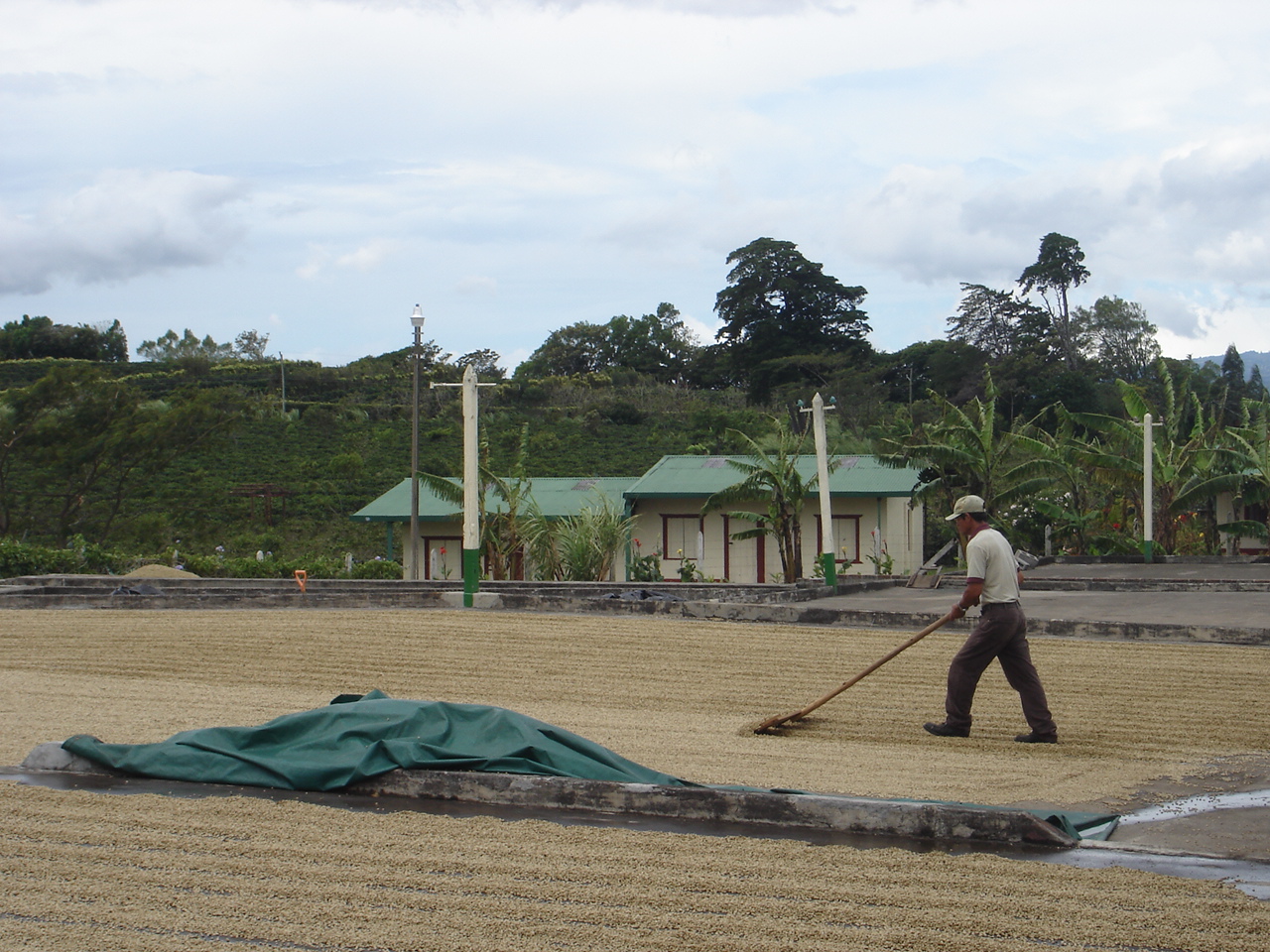
The coffee picking, as well as its complete process, is almost at its end, although if you visit one of the usual coffee tours you can still witness all the coffee process.

It is also sugar cane season.  During the sugarcane harvest season, you may observe some considerable loads on huge carts pulled by tractors and on containers on several of the North Pacific’s roadways. If you’re driving, keep an eye out for twisting roads, as they might be heavy and slow.

Regarding fresh fruits, February is a great time in Costa Rica to eat strawberries, guavas, passion fruit, tamarind, watermelons, and cantaloupes.

Sugar cane season | February in Costa Rica

Trees

It is probable that now is an ideal moment for tree enthusiasts because various kinds are in bloom.

The Poro Poro, or Flame of the Forest, is the most appealing during this time of year. These trees were used to shade the coffee and have lost their leaves and blossomed with beautiful orange/red blooms, producing a magnificent green and orange panorama that is difficult to forget.

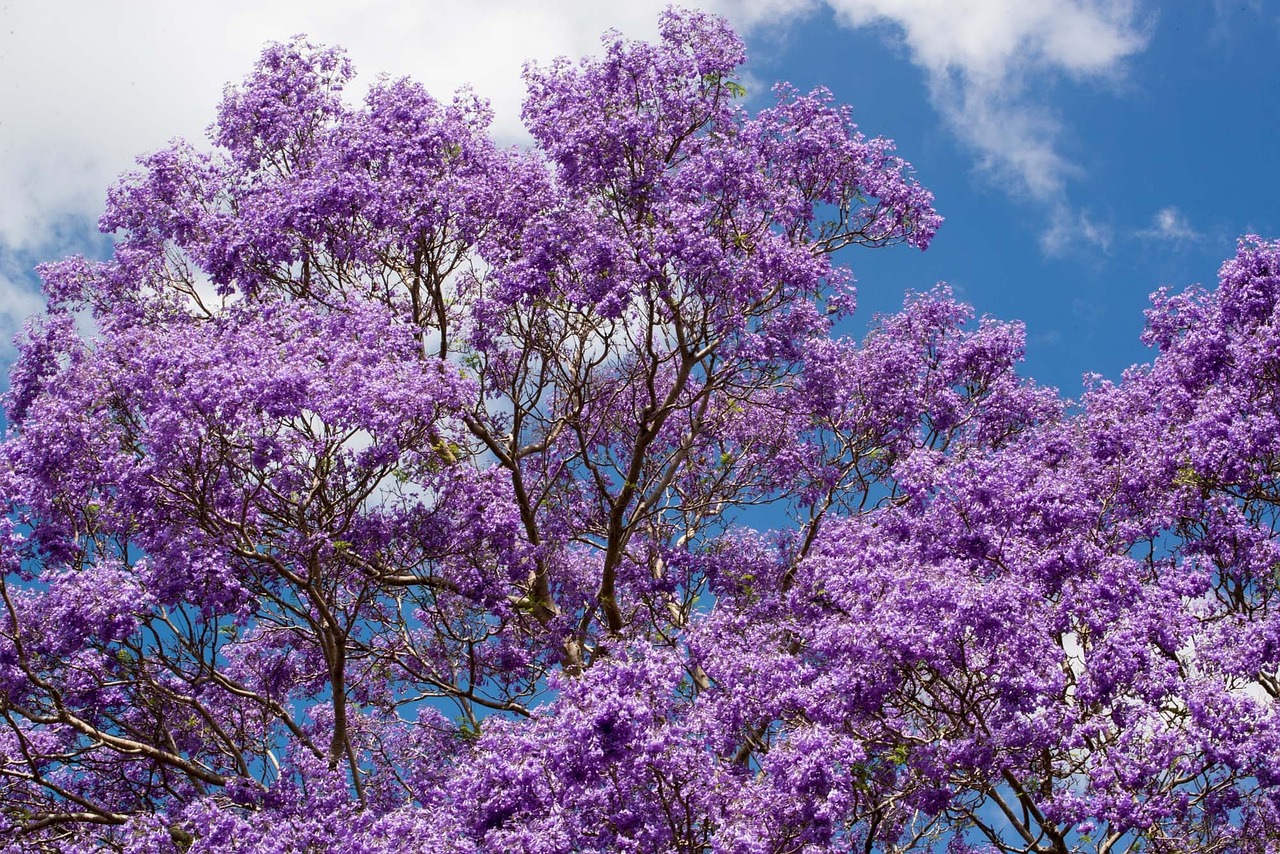
Jacarandas are in bloom in February in Costa Rica

The legendary ironwood is derived from the Yellow Cortez tree, which blooms at this time of year. The tree, as the name suggests, is covered in bright yellow blossoms, which complement the spectacular landscapes of the orange poro poro trees.

February Wildlife Sightings in Costa Rica:

Nature does not function like a zoo; sightings are largely based on chance, although there are many creatures in Costa Rica that you may view all year, including monkeys, coatimundis, sloths, and over 600 species of birds, six kinds of toucans, and over 50 species of hummingbirds.

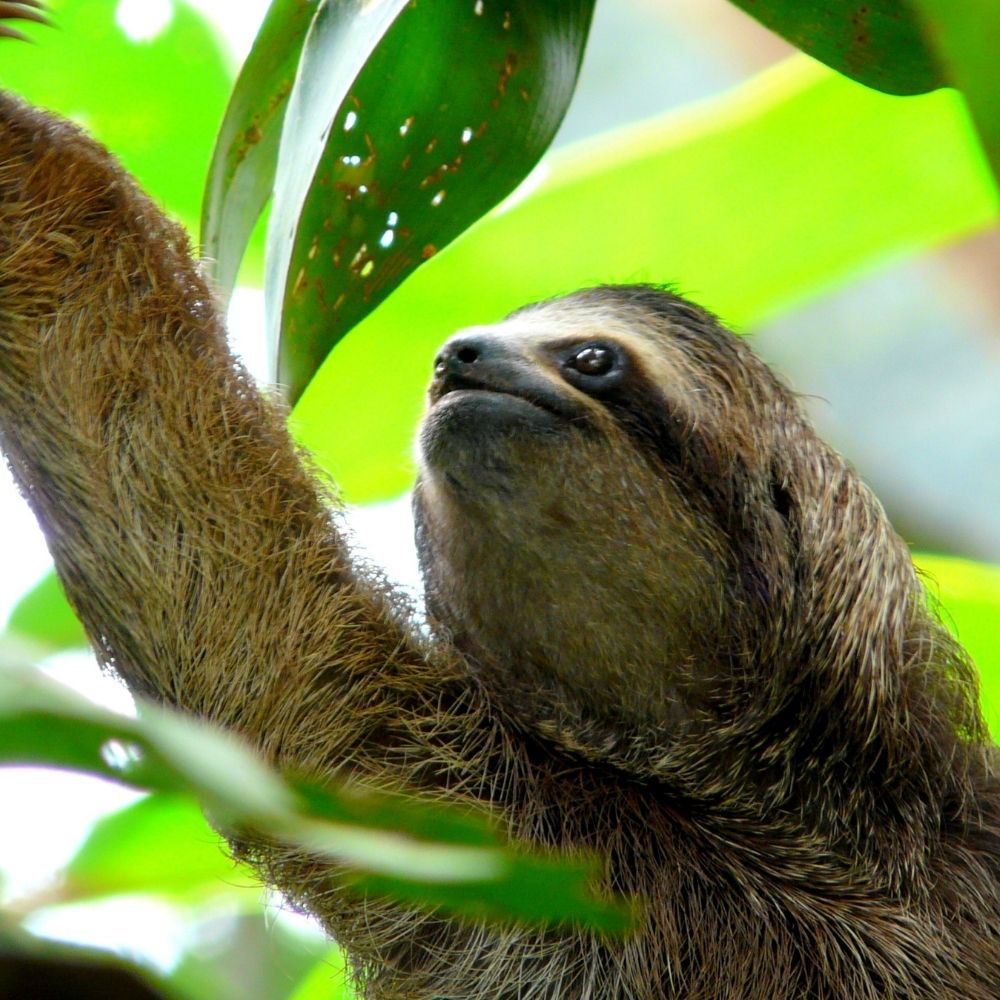
Sloths are usual in February in Costa Rica

Birds:

The 252 migratory bird species are enjoying the sunny weather and profusion of food in the forests at this time of year.

It is also the start of the mating season for many species, so behaviors are interesting and, in some cases, even funny.

Hummingbirds are usual in February in Costa Rica

In February, there are many resident and beautiful migratory species to be observed, some of which are listed below:

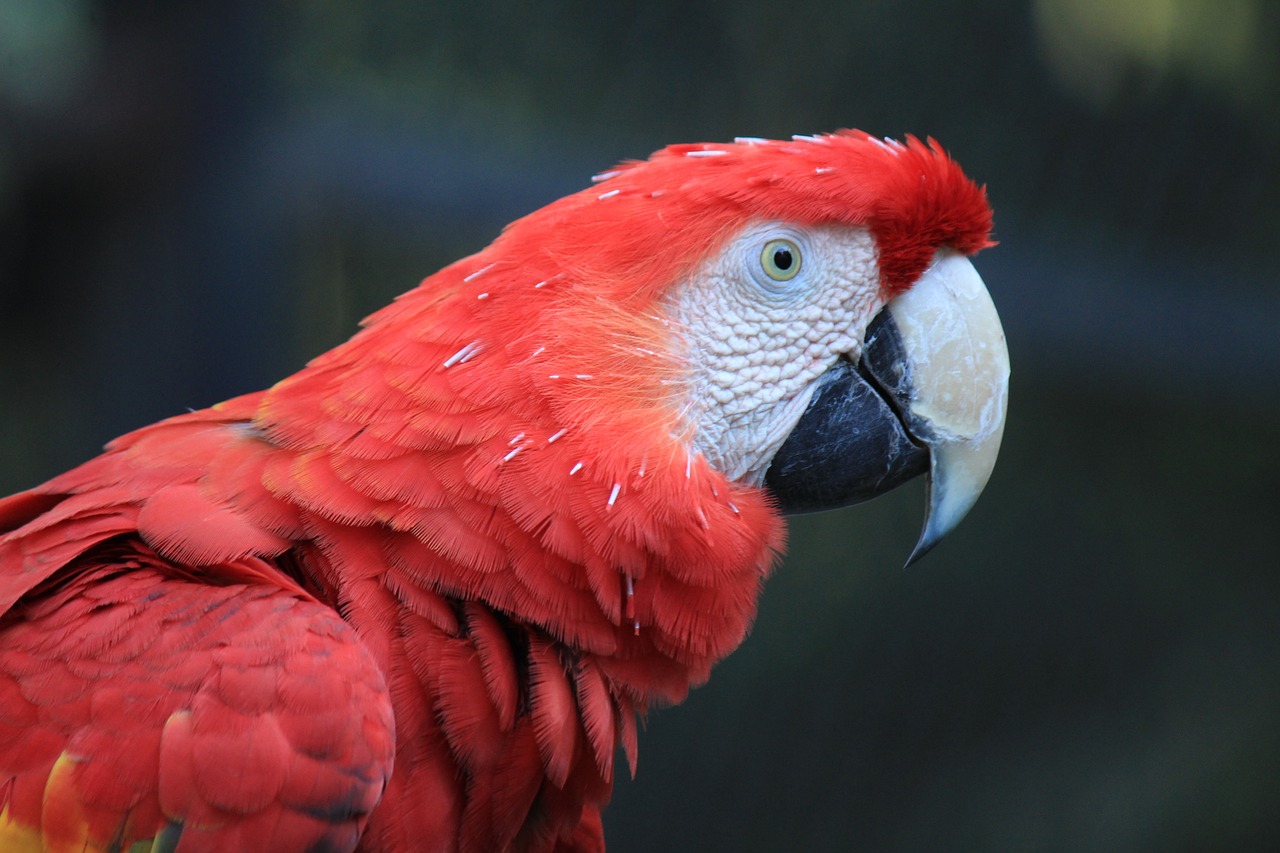
The macaws, the scarlet and green macaws are is visible in the lowlands in the Caribbean as much as in the Central Pacific

. Some places where you can see Scarlet Macaws are Jaco, Osa Peninsula, Manuel Antonio, Carara National Park, and Corcovado National Park. To observe the Green Macaws, you will have to go to the Caribbean lowlands or the northern area close to Ciudad Quesada and La Fortuna.

Scarlet Macaws in February in Costa Rica

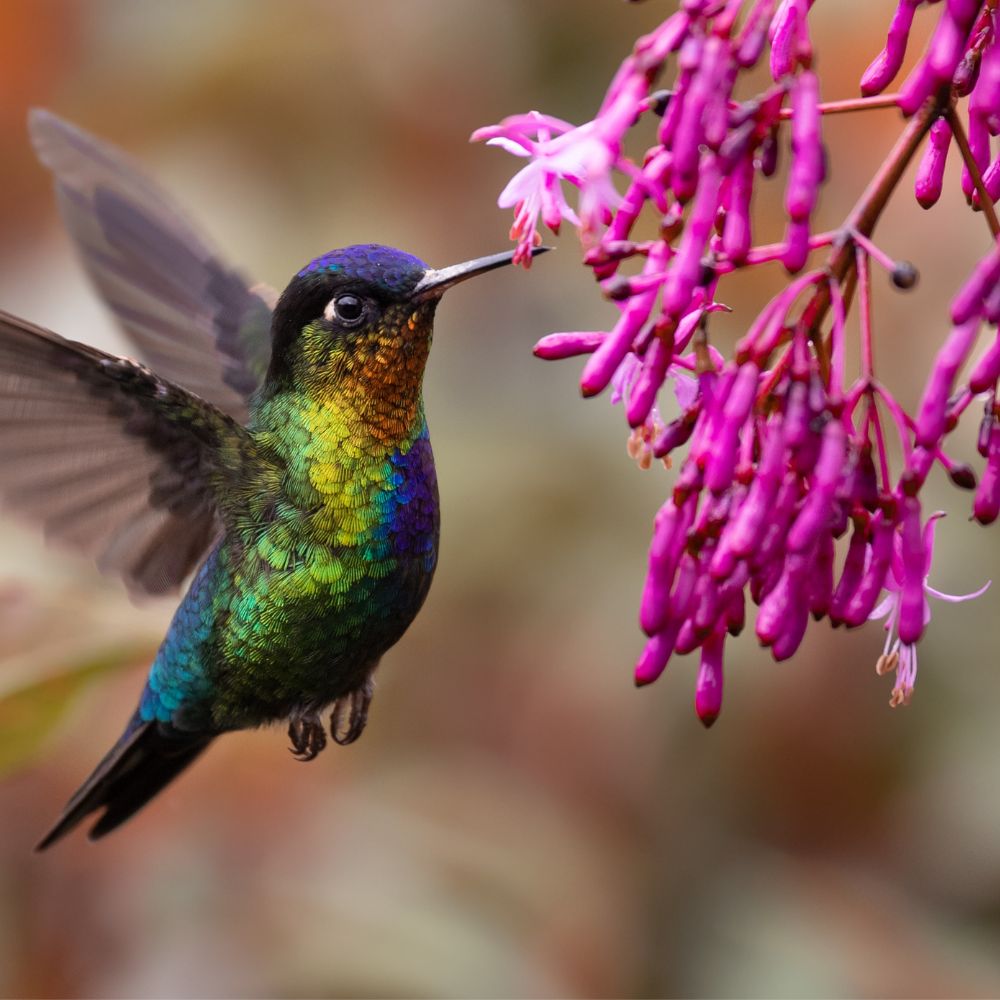
Hummingbirds: Costa Rica is home to over 50 species of hummingbirds, each with its own distinct look and flight pattern. They are visible all year.

In Costa Rica there are six species of toucans, and you can find them in February in Costa Rica throughout the different areas, depending on how hot or chilly it may be: In the cloud forests, you can easily see the Emerald Toucan and the Yellow-eared; the Black Mandible and the Rainbow-billed or keel-billed Toucan can be seen throughout the country, with some exceptions regarding the South Pacific and the South Caribbean.

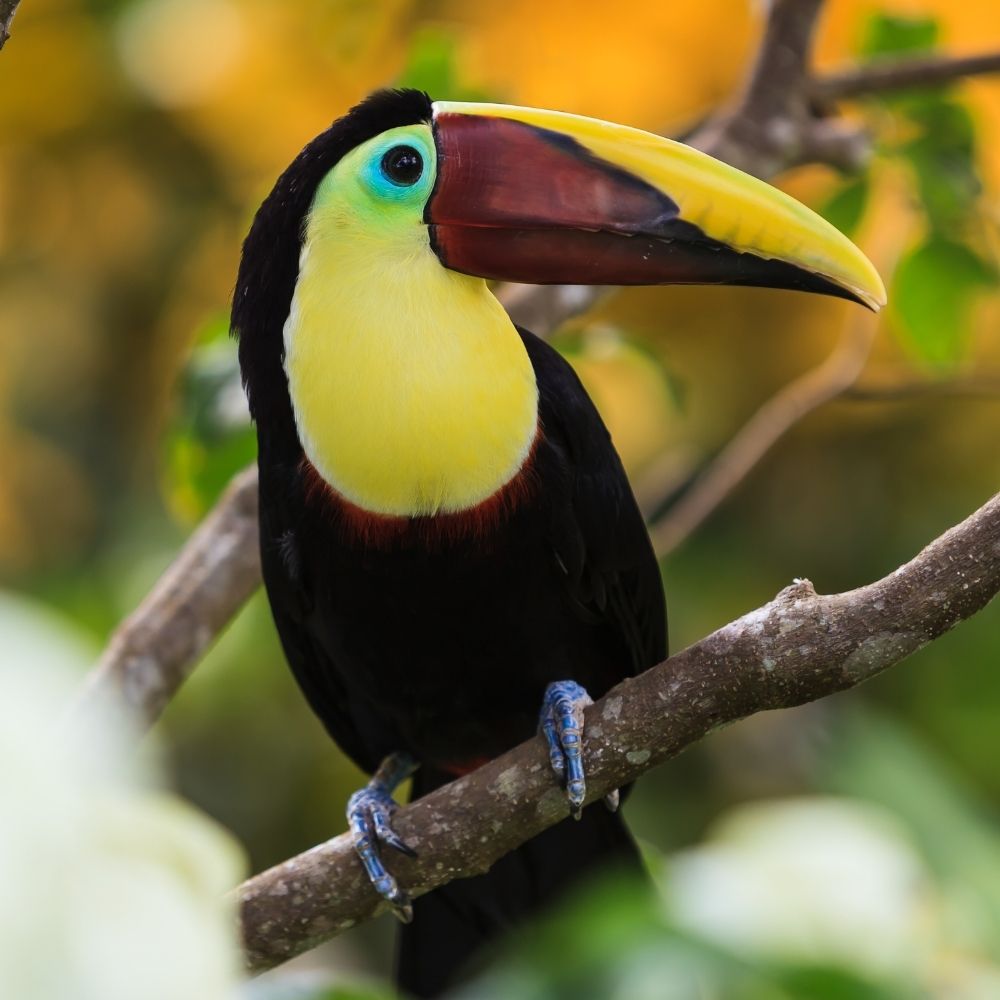
There are six species of Toucans visible in February in Costa Rica

The Collared Aracari dwells on the Caribbean slope, from southern Mexico to western Ecuador, and has the same range as the Fiery-billed Aracari.

The Collared Aracaris are scarce on the northwest Pacific slope of Costa Rica but becomes more abundant in the western half of Guanacaste and the Nicoya Peninsula.

But they are visible all year round and of course, February is not an exception in Costa Rica. 

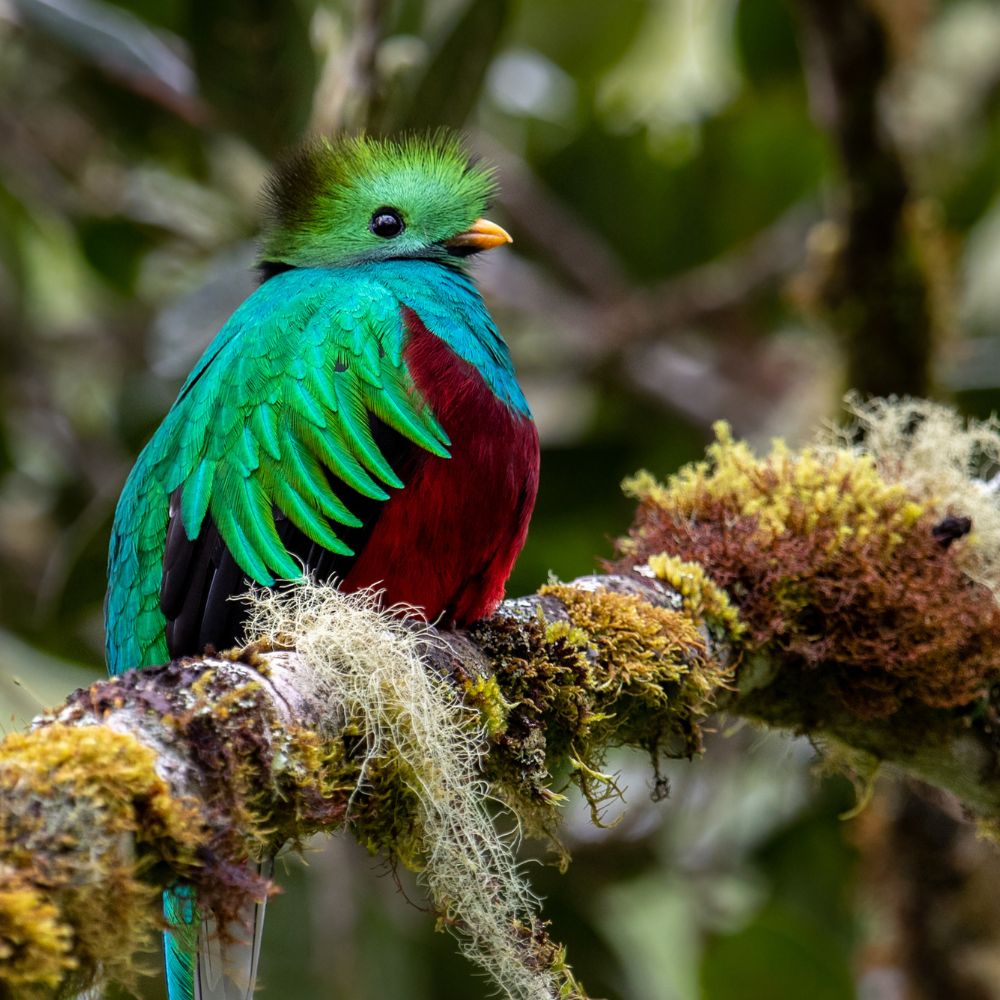
The Resplendent Quetzal is beginning to be visible in February in Costa Rica

During February in Costa Rica, you may see the Resplendent Quetzal at Monteverde and Savegre, as well as other mountain highlands.

At this time of year, Resplendent Quetzals make their nests, and if you examine one of these nests, they become extremely visible (from a logical distance and with the proper optical gear, this is a fantastic experience!).

If you are willing to see a particular species, please let send me a note, I can get you in contact with the best birdwatching guides in Costa Rica. If you like a bird watching itinerary, they can get you the best!

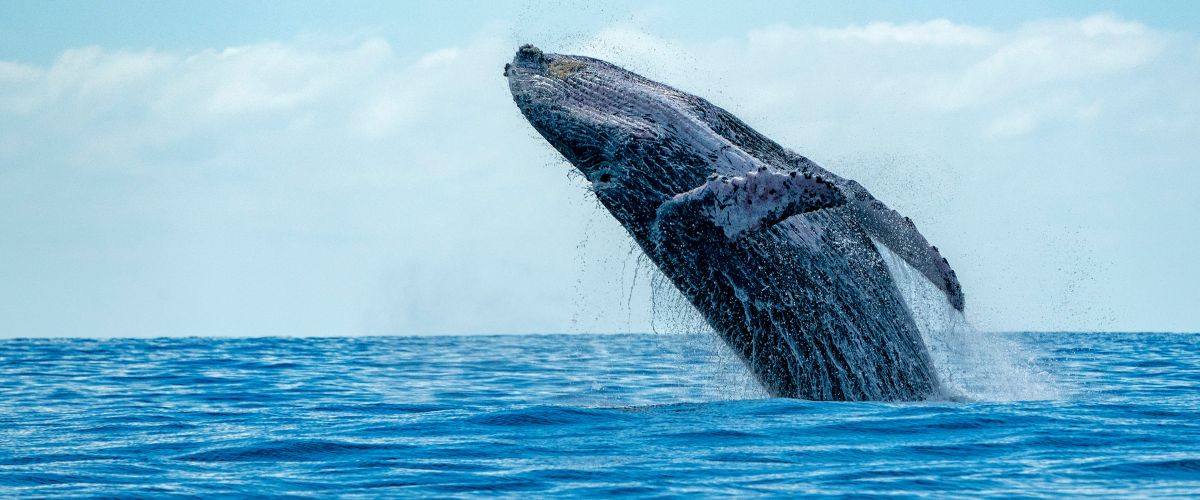
Whales:

·        Humpback whales in the North Atlantic: From December to March

·        Humpback Whales in California: From December to April

Whales coming in this time of year are from the Northern Hemisphere, and sometimes you can spot them, and sometimes they go to hawaii and other destinations.

Best time to watch whales in Costa Rica is from August to October, on the Pacific Coast.

Whales in February in Costa Rica

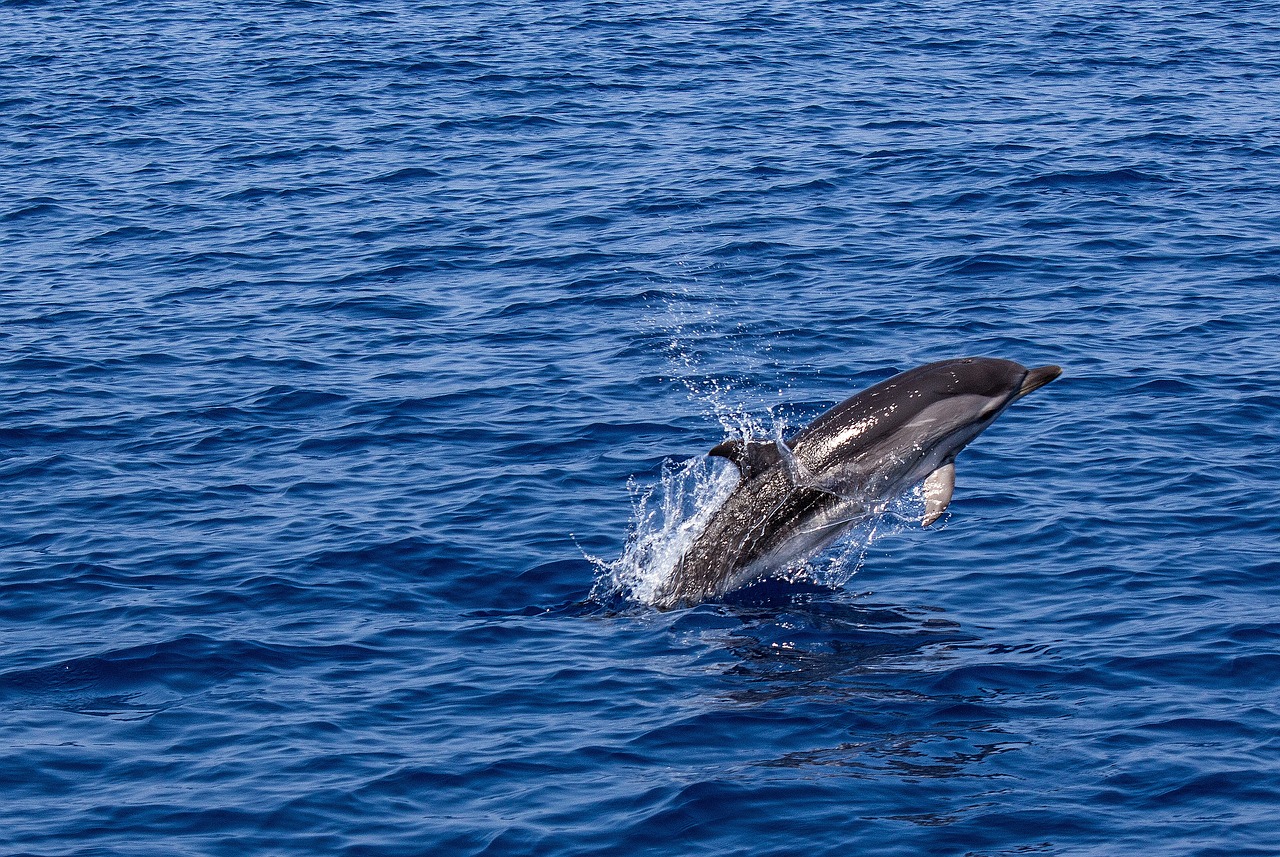
Dolphins:

Species such as bottlenose and spotted dolphins can be observed all year.

From December through March, look for the spinner and the common dolphins.

Dolphins are visible all year round and also in February in Costa Rica

The Best Places to Watch Dolphins:

·        Drake Bay

·        Golfo Dulce

·        Tamarindo Beach

·        Dominical-PParque Marino Ballena

·        Tambor Beach

·        Gulf of Nicoya

Dolphins are occasionally observed in the Tortuguero Canal on the Caribbean side.


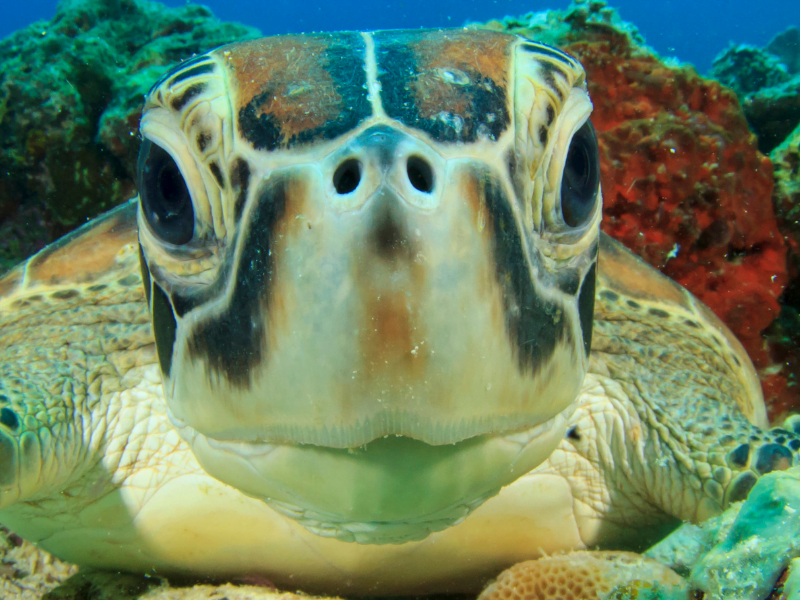
Sea Turtles in February in Costa Rica

The following species can be seen all year: Leatherback, Olive Ridley, Hawksbill, and Pacific Green Sea Turtle.

The next are the best spots to observe sea turtles in February:

·        Marino Las Baulas National Park, Tamarindo, Playa Grande

·        National Park of Santa Rosa

·        Wildlife Refuge at Ostional, Arribadas

If you are in the North Pacific region in this time of year be attentive to the impressive arribadas that come to our coasts to lay their eggs. It is an incredible phenomenon to witness. Turtles are visible in February in Costa Rica on the Pacific CoastThe Travel Industry in February in Costa Rica
February is considered the “high season.” This means that thousands of visitors, mainly coming from the North (United States and Canada), come to Costa Rica, running away from the cold spells of winter.

Places like Tortuguero, Arenal, Monteverde, Manuel Antonio, and Tamarind will be quite full. And there might be lines to get into some places; restaurants may ask for reservations, and tours may be filled to their capacity.

Please keep in mind to keep your mask on at all times and have alcohol in gel at reach to put on your hands often. Use the lavatories every time you go into a place and keep social distance.

Surfing:

From December to late February, the cold fronts produced in the North create amazing swells on the Caribbean coast of Costa Rica.

Salsa Brava is at its peak; however, the whole South Caribbean area will be in its best time for skilled surfers.

This wave, which many experts say is a classical Hawaiian wave, originates in deep waters and breaks on the reef barrier.

This causes a large wave to form, carrying a significant volume of water, with a tube on the right edge and a field to surf on the left—a perfect experience of warm water.

Salsa Brava is a dangerous wave, not recommended if you are a beginner in the world of surfing. It can be challenging even for the most experienced surfers, so it is advisable to enter it if you have experience and always have a spare surfboard.

The best time to surf this wave is December and January, when it reaches up to 8 meters in height, although the wave’s energy is also great throughout the rest of the year. Sometimes in February in Costa Rica there are still some good waves. 

To wrap it up

Remember that February is a beautiful, bright month! A great time to come to Costa Rica if you’d like to get some more information or ask any questions regarding Costa Rica. send me a note to writer@olgasaenz.com

Send me a note!

Send me a note!

First
Last

January in Costa Rica

Costa Rica in January | January in Costa Rica

January in Costa Rica is among the best months for any traveler. It has clear skies, warm days, and strong winds. It changes from one region to the next, of course, but in general, it is sunny, although fresh, as trade winds cross over Costa Rica, creating currents that cool off even the hottest areas.

Sun dried coffee in January in Costa Rica

Spending the Winter in Costa Rica?

Costa Rica in January can be different from one region to the next, and this is just a guideline. Microclimates can be unpredictable at times.

Caribbean Coast of Costa Rica in January can be rainy

Tortuguero, Limon Port, Cahuita, Cocles, and Puerto Viejo are in the rainy season, with 17 rainy days and  12.6 in . (320 mm) .

Temperatures go from 21.1 °C | 70°F to 28.8 °C | 84 °F.

Northern Region of Costa Rica in January may also be rainy

La Fortuna, Sarapiqui, Rio Celeste, and Boca Tapada are in the rainy season, with 12 rainy days and 6.8 in (112 mm). 9

Temperatures go from  21°C (69.8°F) to 29°C (84.2°F).

Central Valley of Costa Rica in January

San Jose, Alajuela, Heredia, Cartago, and San Ramon are in the sunny season, with 6 rainy days and 2.19 in (36 mm).

Temperatures go from 18.9°C (66°F.) to 23.2°C (73.8°F).

Pacific Coast of Costa Rica in January

Guanacaste, Herradura, Manuel Antonio, Uvita, and Osa are in the sunny season, with 6 rainy days and 2.19 in (36 mm).

In Monteverde, in January is the windy season, and wind can become an issue to do some activities like ziplining, and even hiking. Although, the forest is absolutely breathtaking in this time of year, and the sunsets from Monteverde are the best.

Temperatures go from 22.9°C (73.2°F) to  30.3°C (86.5°F).

WILDLIFE IN JANUARY IN COSTA RICA

Birdwatching in Costa Rica in January

At this period of year, the 252 seasonal bird species in Costa Rica are enjoying the warm weather and abundance of food.

At this time of year, many resident and attractive migratory species can be seen. However, January on the Caribbean of Costa Rica is rainy season, and on the Pacific side it is very windy, which makes birding harder. You can also find below some of the usual wildlife you may see in Costa Rica in January.

TURTLES

Olive Ridley, Leatherback, and Green Sea Turtles are on the Pacific Coast.

No turtle nesting on the Caribbean side of Costa Rica at the beginning of the year. The forest looks amazing though! 

Sea Turtles in Costa Rica in January

WHALES

Northern Hemisphere whales are in the area in this time of year. Although, it’s easier to see them in the Northen Pacific than in the South Pacific area of Costa Rica. (The whale season for the South Pacific is from August to October, when the Southern whales come here for their winter.)

Humpback Whales in Costa Rica in January

FROGS

Visible all year round, throughout the whole country. In january though, if you are in the Northen Pacific region and on the beach, it’ll be harder to spot them as it is very hot and dry for frogs in January.

Frogs in Costa Rica in January

MONKEYS

Visible all year round, depending on where you are you will see one or another species. In some even all of them.

DOLPHINS

Visible all year round.

MIGRATORY BIRDS

Migratory birds are in Costa Rica in January.

RESPLENDENT QUETZAL

Hard to spot the quetzal in January, as they migrate to lower areas and are not nesting.

SCARLET MACAWS

Visible all year round

TOUCANS

All species are visible all year round.

HUMMINGBIRDS

Visible all year round.

SLOTHS

Visible all year round. Although in January in Costa Rica it may be easier in some areas as when it is warm they move much more. Sometimes when it’s raining they just look like a ball of fur up there.

CROCODILES

Visible all year round

THE TRAVEL INDUSTRY

COSTA RICAN PEOPLE

In January, it is the summer for Costa Rica. Public schools are out, and families use this time to go out to the beach and the most popular places.

Especially on the weekends, the last week of December, and the first week of January, you will see all sizes of families around the beaches and forests all throughout Costa Rica, the closer to the Central Valley, the crowder.

You will find families and groups of friends on the beach and in national parks and preserves.

HIGH SEASON

January in Costa Rica is very busy.

A lot of people come for vacation, but also, many visitors stay for longer periods, running away from the cold.

If your holidays are in January, we recommend you to reserve as soon as possible and way in advance. It is hard to find accommodations sometimes!

Cruiseships come to Costa Rica in January.

January is the sunny season and peak season, with cruise ships visiting all of the country’s major ports and bringing crowds to both coasts on occasion.

There may be some waiting time on the boat in Tortuguero for the National Park Canals tours.

There may be long lines at the National Park entrances to Manuel Antonio and the Monteverde Reserves.

If you are more comfortable away from crowds, my recco is to go for areas off the beaten track, like the area of Los Santos, Arenal Lake, Perez Zeledon, and many others that I will talk about in future podcasts and articles.

BLOOMING TREES

January in Costa Rica is magnificent due to the many blooming trees everywhere!

Yellow Pui in January in Costa Rica

The Sabana Oak, also known as the Pink Pui, is blooming, and if you happen to drive by San Jose, we fully recommend taking Rohrmoser Boulevard to see a breathtaking pink landscape along the main avenue.

The Poro Poro, or Flame of the Forest, is the most appealing at this time of year. These trees were used to shade the coffee and have lost their leaves and blossomed with bright orange/red flowers, creating a fantastic green and orange landscape that is difficult to forget.

Another tree that begins to bloom at this time of year is the Yellow Cortez, which is the source of the famous ironwood. As the name implies, the tree blooms with bright yellow flowers that complement the fantastic landscapes of the orange poro poro trees.

Coffee Picking in January in Costa Rica

Agriculture: Coffee picking and processing are still ongoing. It’s an excellent time for coffee tours as you may get to see the whole process, from  the second or third round of picking to the complete process of fermentation, choosing, and drying.

The usual tropical fruits are available all year: banana, pineapple, and papaya. Mangoes are off season, unfortunately. You can still get them, but they will be more expensive.

Oranges might not be as sweet as tangerines.

Soursop, avocados, plantains, watermelons, and kiwis are also available.

To Wrap It Up:

Costa Rica in January is absolutely fantastic! BUT SO IS THE REST OF THE YEAR!    We will be talking about Costa Rica month to month in future posts.