Rincon or Arenal Volcanoes. A comparison

Rincon or Arenal

Rincon or Arenal Volcanoes are both magnificent and quite unique places, and both offer great activities. If you can go to both, don’t worry about it! They are fantastically different. If you are unable to attend both due to time constraints, please continue reading. It may help you decide which one you will enjoy the most.


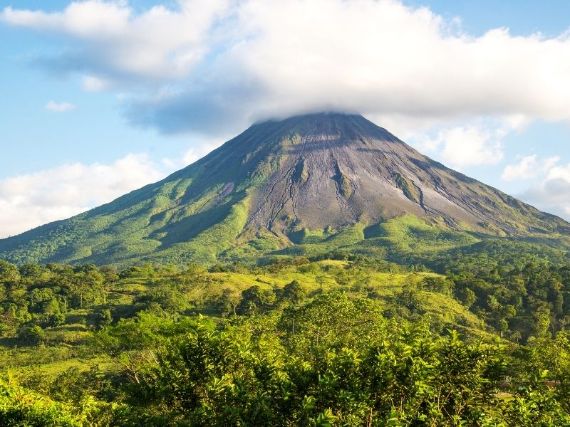
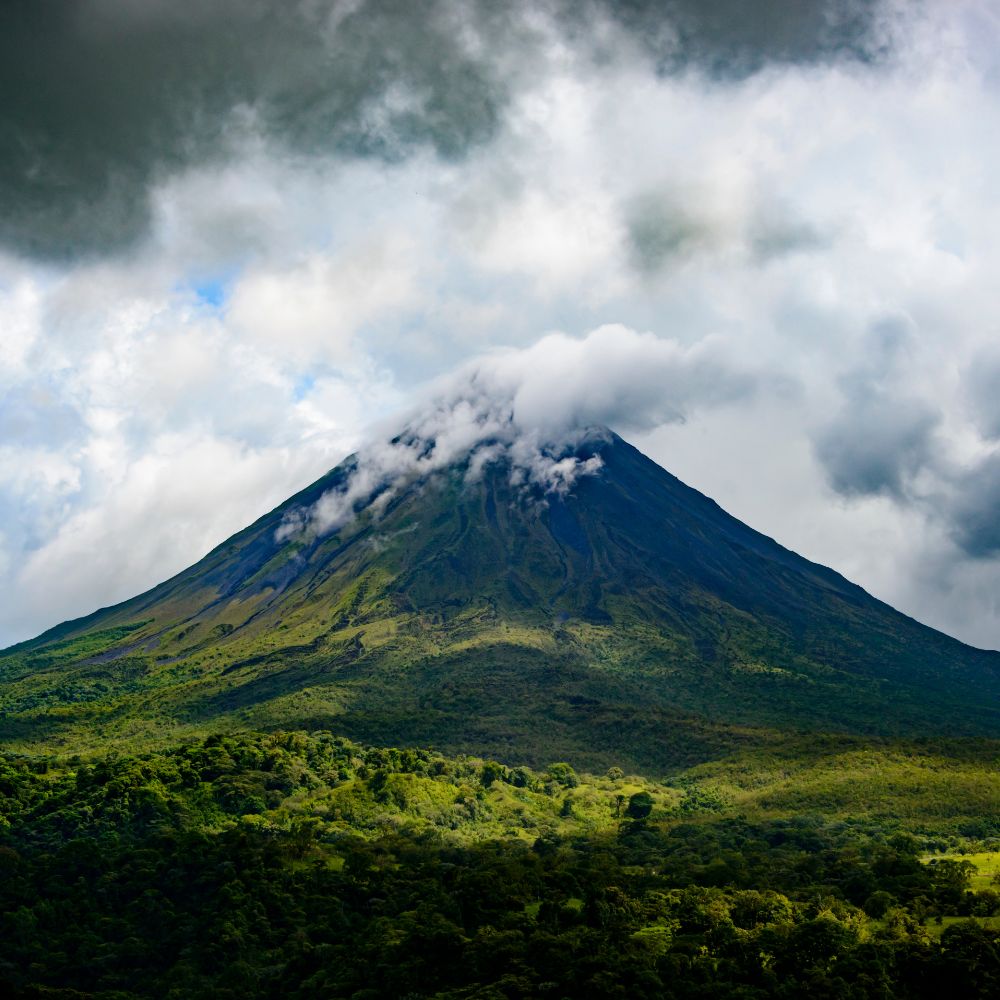
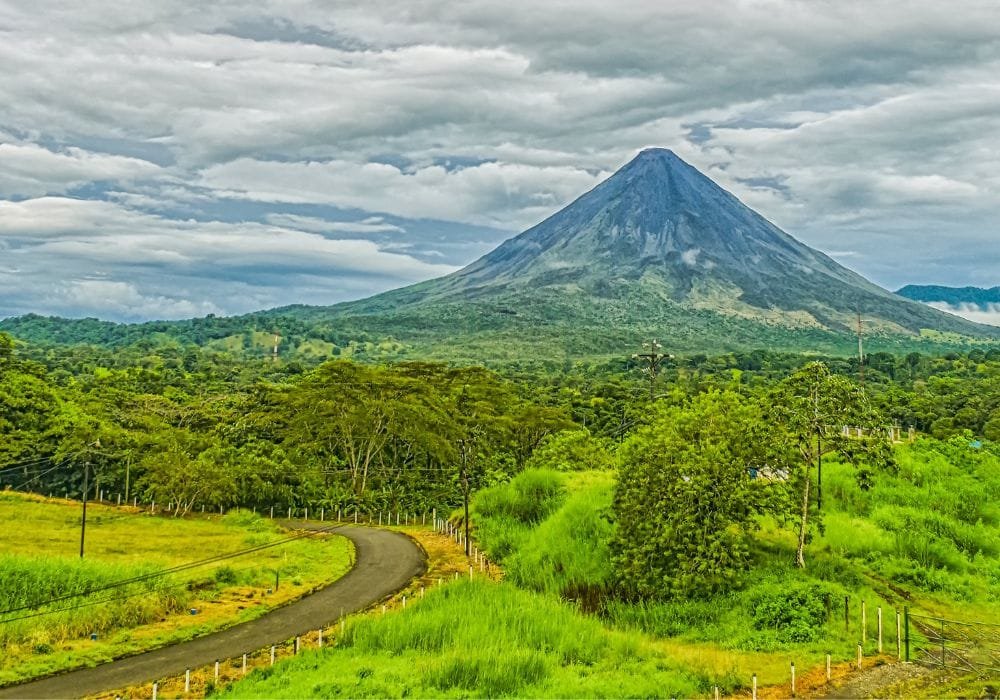
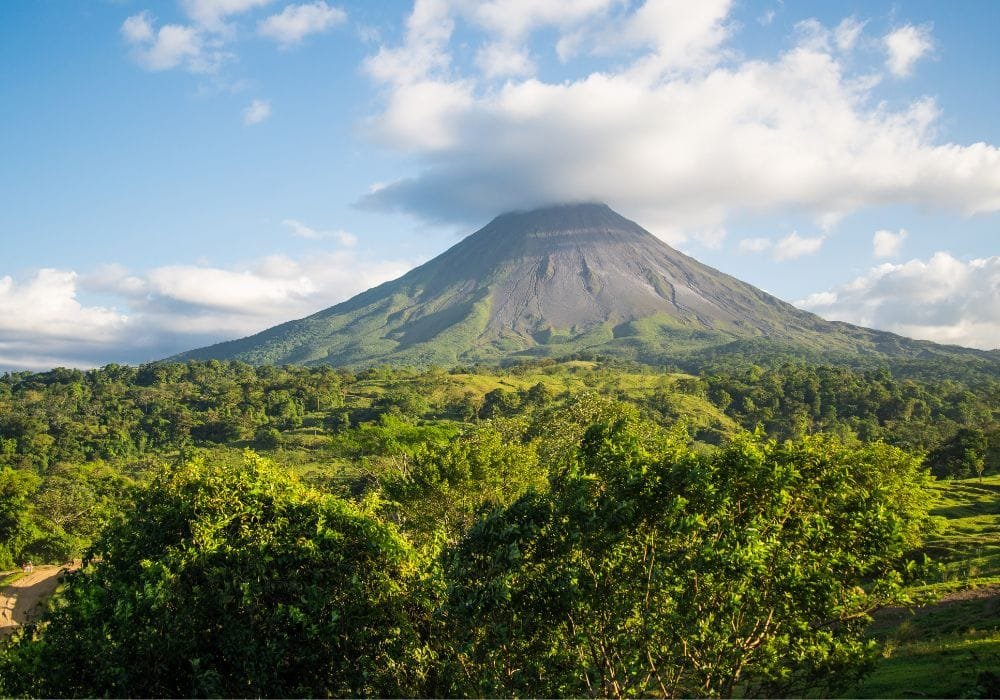
The Arenal Volcano region is one of Costa Rica’s most renowned tourist destinations. With the massive volcano looming over the landscape, the area boasts amazing rainforests, hot springs, a large, lovely lake, and an incredible variety of experiences.

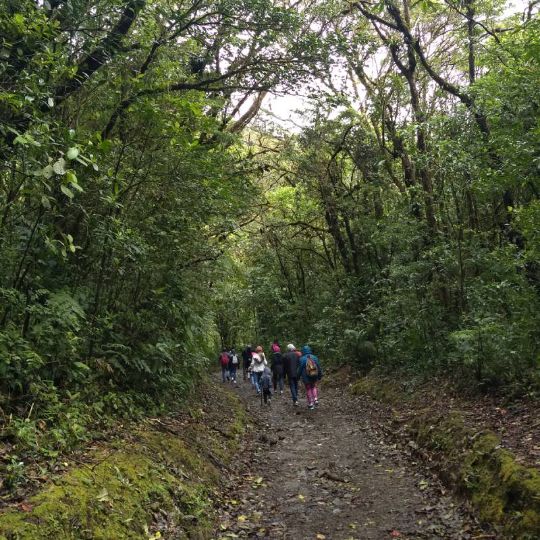
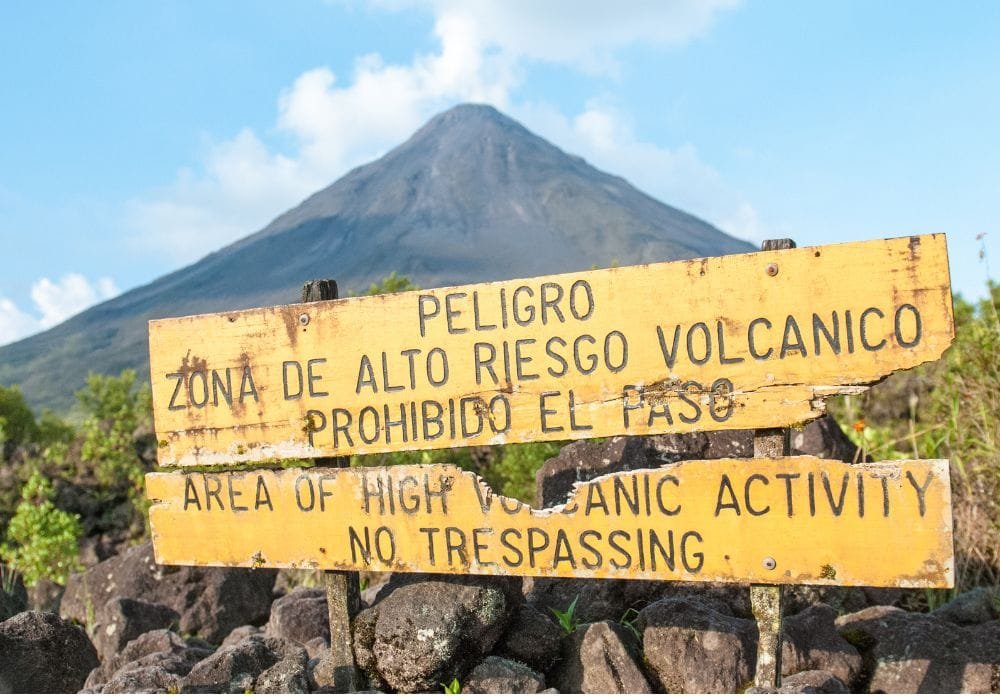
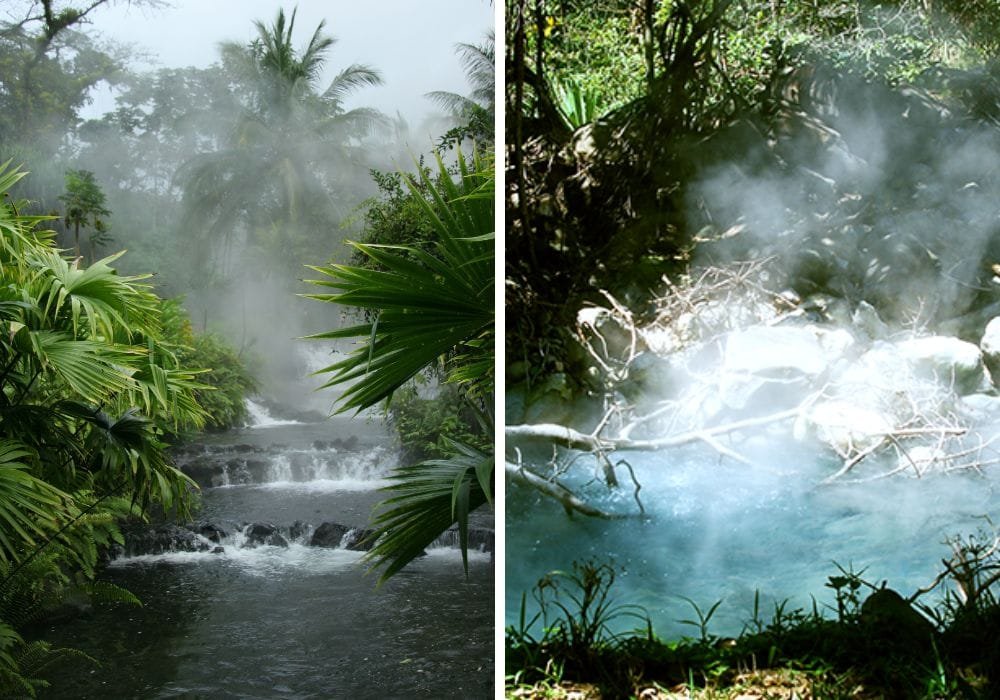
The Rincon de la Vieja is a massive and quite active volcano, not known as the Arenal, but it is an excellent choice of Guanacaste. Its forest is super diverse, and amid the hiking trails, you will see the volcano’s activities in the form of bubbling ponds and steaming cracks.

In both of them, you will find breathtaking rainforests of various kinds, hundreds of birds, three species of monkeys, and several reptiles and amphibians. You will also find fantastic adventures in both, from horseback riding to waterfall rappeling.

They both have fantastic spas and excellent hotels.

So we will talk about the differences and similarities to help you make a decision.

Where are Arenal and Rincon de la Vieja?

The Arenal Volcano area is located on the Northern Plains in the region of San Carlos, in Alajuela province. La Fortuna is the region’s principal town, and it is 17 kilometers from the Arenal Volcano National Park’s entrance.

The Rincon de la Vieja Volcano is located in the province of Guanacaste. The closest big town is Liberia, located 25 kilometers from the entrance.

MAPA


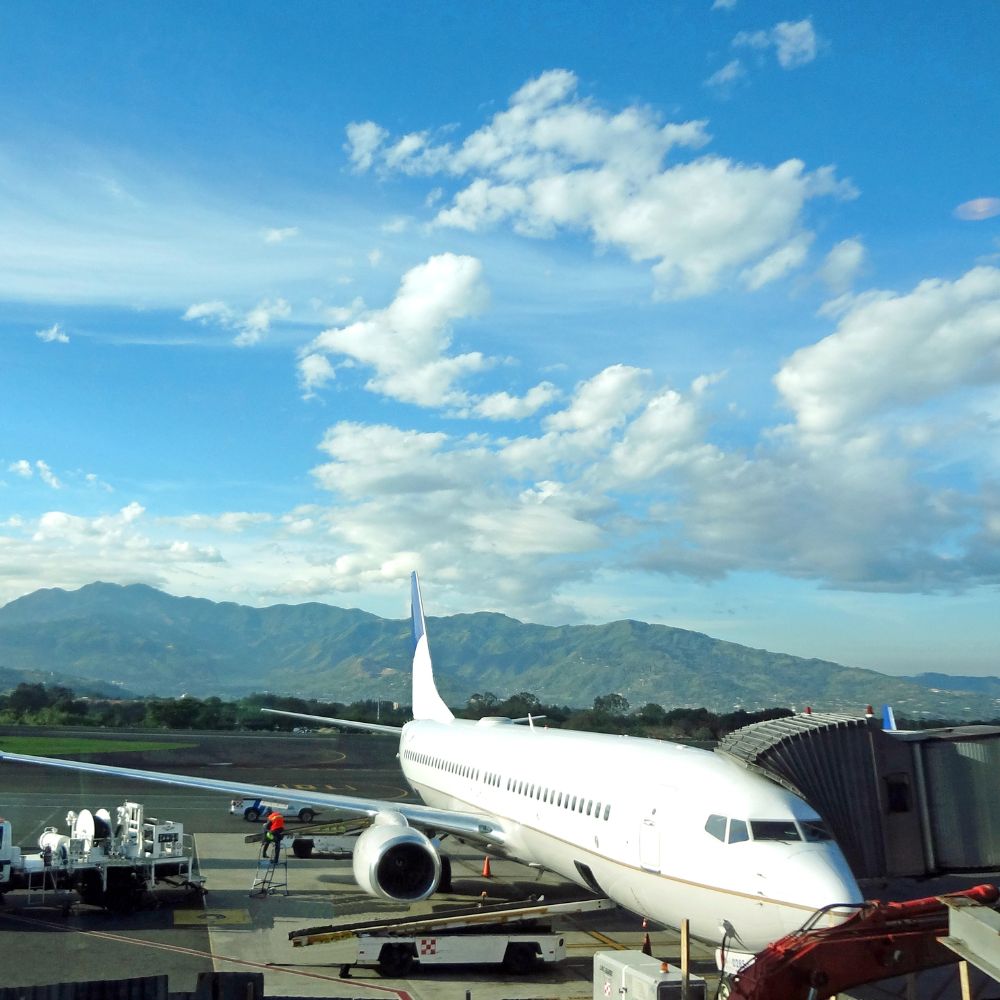
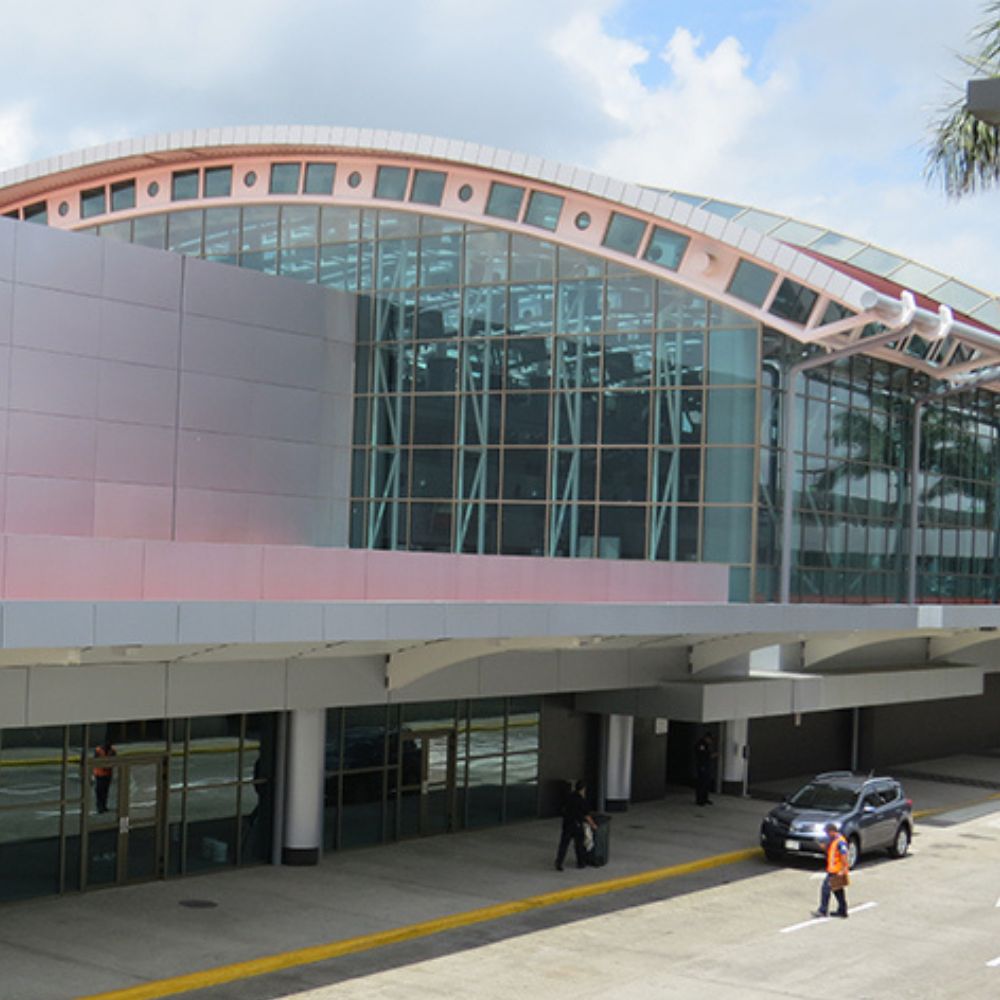
The distance from the Arenal Volcano to the Juan Santamaría International Airport is 120.4 km (2 hr 50 min), and the distance from the Guanacaste International Airport is 141.2 km (2 hr 36 min).

The distance and time from both airports to Arenal Volcano are fairly similar.

The distance from the Rincon de la Vieja to the Juan Santamaría International Airport is 223.0 km (3 hr 43 min), and the distance from the Guanacaste International Airport is 25.5 km (39 min).

Now you know that if you arrive at the Guanacaste International Airport, the Rincon de la Vieja is much closer.
Rincon or Arenal Volcanoes

History of the Rincon de la Vieja

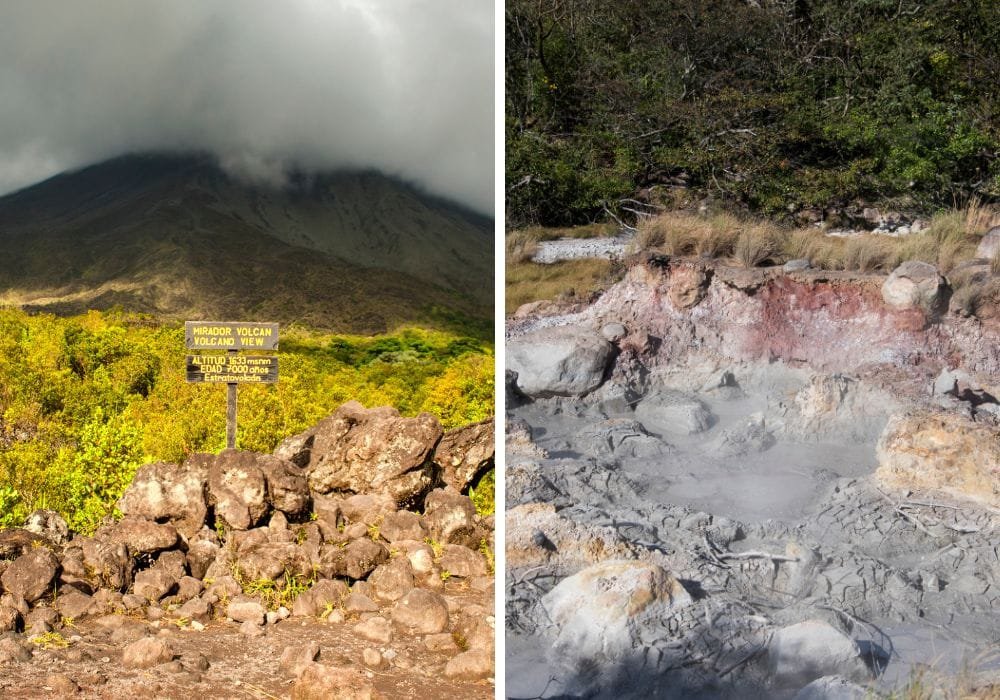
The name alludes to a local legend about princess Curabanda’s lover, Mixcoac, the leader of a nearby hostile tribe, who her father Curabande threw into the crater after discovering their romance. She continued to live on the crater’s rim, giving birth to a son. She tossed her son into the volcano to be with his father. She continued to live on the volcano and became a hermit on the mountain, and she was attributed with healing skills.

Rincón de la Vieja is the highest peak of Rincón de la Vieja National Park, rising 1,916 meters (6,286 feet) above sea level. It most recently erupted in June 2021. On the volcano’s slopes, there are several fumaroles and hot springs. Fesic lava is responsible for its formation.

Only Rincón de la Vieja, Turrialba, and Poás are considered active as of 2022. (01)

A brief history of the Arenal Volcano Region.

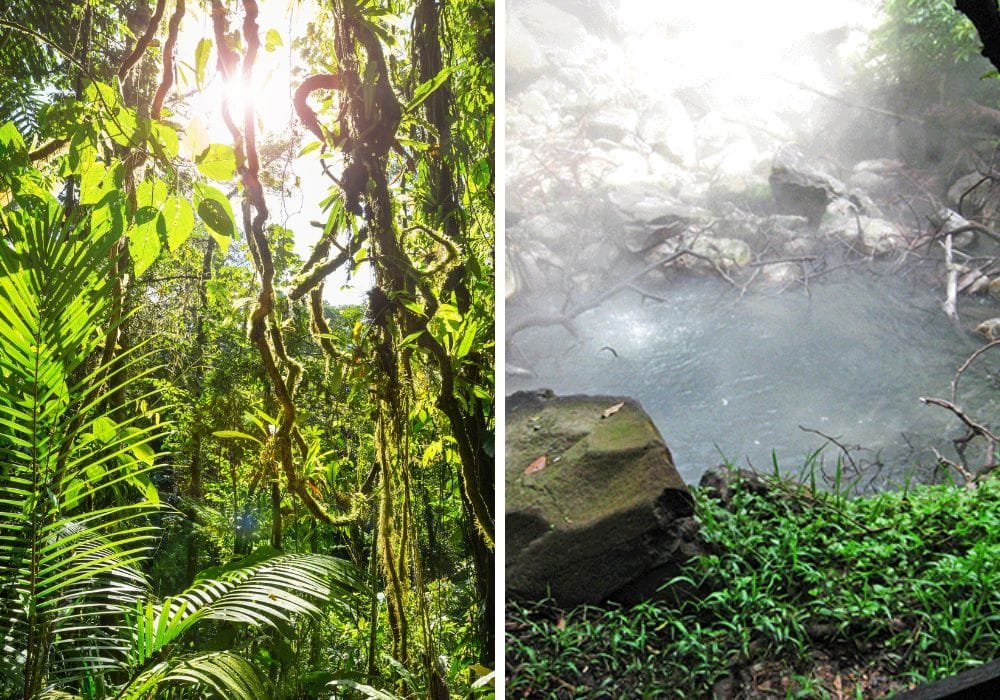
Arenal Volcano’s existence dates back more than 7000 years, being the youngest of all Costa Rican volcanoes. For many years, luscious rainforests covered the mountain, preventing it from being considered a volcano.

29th of July, 1968

The Arenal volcano erupted severely on Monday, July 29, 1968, around 7:30 a.m. For several days, the eruptions proceeded unabated, burying almost 15 square kilometers under lava, boulders, and ash. When it was all over, the eruptions had buried three tiny villages—Tabacón, Pueblo Nuevo, and San Luis—and killed 87 people. The eruptions destroyed the area to the west of the volcano, never reaching the east side.

During its frenetic activity, the volcano shot large boulders—some weighing several tons—into the surrounding area, forming hundreds of visible craters near the National Park.
Rincon or Arenal Volcanoes

Both of them provide electricity.

Rincon de la Vieja Geothermal Plant

Several hot springs and regions of bubbling mud on the volcano’s slopes indicate significant geothermal energy sources. Researchers have investigated the viability of accessing these reservoirs, predicting a 140 megawatt producing capacity for the volcano. However, because the region is part of a national park, drilling was restricted to test wells until 2001.

The Las Pailas Geothermal Power Plant development to 55 megawatts began in 2013, supported by European Investment Bank financing.

Lake Arenal Hydroelectrical Plant

In 1979, the construction of the Arenal dam near the lake’s eastern side increased the size of Lake Arenal. This hydroelectric plant is located at the lake’s western end. It is strategically significant to Costa Rica, once providing 70% of the country’s power but presently generating closer to 17%, and was also a driving factor behind Costa Rica’s green energy strategy.

The northeastern shore of the lake became the new location for the existing villages of Tronadora and Arenal during construction.

Water from the lake is tunneled to the country’s parched North Pacific, passing via three turbine-driven generating sites before being diverted into an irrigation system of canals that has dramatically enhanced Guanacaste’s agricultural production.

Tourism on the Arenal Volcano

We must start by saying that the travel industry did not get to Costa Rica until the late 1980s, as the cold war receded and all the different wars in Central America stopped little by little.

The region of Arenal (same as Rincon de la Vieja) was a region of big cattle ranches and fruits and vegetable production. Even though the region was as lush, fertile, and beautiful as it is now, there was only one restaurant and one hotel.

People could only come to Arenal for the day in lengthy day trips that stopped at the volcano’s bottom to see the continuous eruptions. There were no facilities, and it mainly was all improvised.

Little by little, the farmers saw the future of tourism and started turning their farms into hotels and tour operations.

The Arenal Volcano region developed and is today one of the most visited sites in the country, providing dozens of activities for visitors.
Rincon or Arenal Volcanoes

Tourism in the Rincon de la Vieja

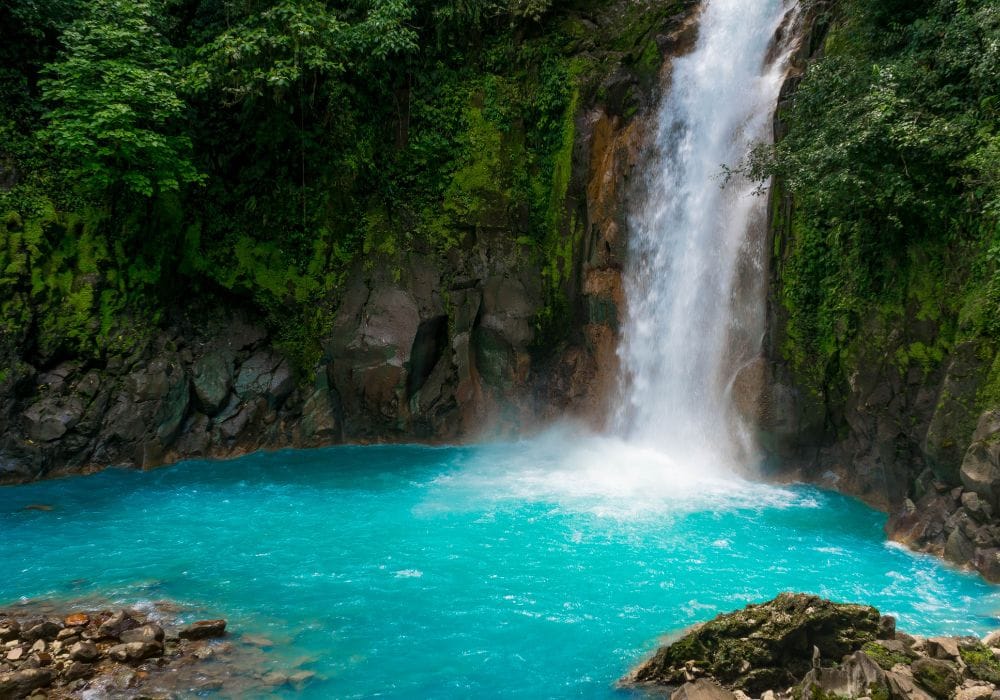
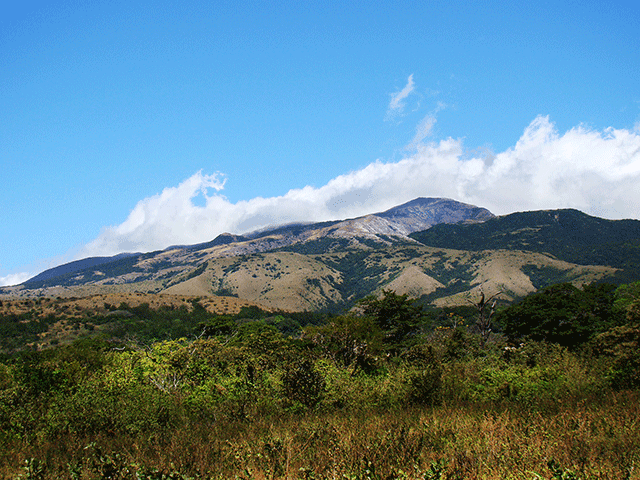
The Rincón de la Vieja Volcano is located inside the Rincón de la Vieja National Park, which covers 12,759 hectares (31,530 acres) and protects both montane and dwarf cloud forests. Trails travel through the park from the Santa Maria ranger station, encountering hot springs and waterfalls along the route. Sloths, tapirs, kinkajous, pumas, jaguars, and howler and spider monkeys may be seen in the park.

Hikers could formerly ascend to the crater, and guides with expertise in wildlife, birding, geology, and other fields are available.
Rincon or Arenal Volcanoes

The Arenal Region’s Weather

The Arenal Volcano Region has enjoyable weather, as green as can be; it’s hot and humid all year round; its average temperature is 28°C (82°F), yet on a hot day in March or September, it may reach 33°F (88°F).

The bright season is in March and April, and then again in September and October; however, January and February may be pretty sunny and only rainy if there is a cold northerly influence.

Even during the heaviest phase of the rainy season, it has long stretches of bright days punctuated by surprise storms and heavy downpours.
 

Rincon or Arenal Volcanoes

The weather of Arenal Volcano and Rincon de la Vieja throughout the year

March through May

The springtime in Costa Rica is exceptionally sunny and beautiful. The weather is extremely dry, and the sight of towering trees in full bloom is truly breathtaking.

June through August

In Rincon or Arenal Volcanoes, you will find the rainy season already installed. However, it rains mainly for a few hours in the afternoon or evening.

September and October

Arenal Volcano

As the Arenal Volcano is on the Caribbean side, these two months happen to be the sunniest months of the year in the Arenal Volcano area and all the Caribbean Coast.

Rincon de la Vieja

This is the rainiest time of the year. The place is as green and lush as possible, and the dry tropical forest turns into a green rainforest. It is lovely.

November

Arenal is experiencing heavy rainfall, which is expected to persist until January or even February.

In Rincon de la Vieja, the sunny season starts this month. And sunny, dry days are quite the norm by the end of the month.

December through February

Rincon de la Vieja’s weather is ideal this time of year for warm-weather visitors. It rains very little, and it is pretty windy. It is a wonderful time to visit the National Park, as you can see the contrasting humid rainforests and the tropical dry forest in one place.

Arenal’s weather is pleasant; however, it may be rainy. The Caribbean Sea influences Arenal Volcano, and it holds the rainy season sometimes until January and even February.


Activities in Rincon or Arenal Volcanoes:

Both areas coincide in a few remarkable facts.

Rincon or Arenal Volcanoes, both vast cattle regions, are home to cowboys, horses, and a wealth of adventure!

Find below the different adventures you can find in both places:

ArenalRincon
ZipliningYesYes
Horseback RidingYesYes
HikingYesYes
Bird WatchingYesYes
CanyoningYesYes
Wall ClimbingYes
WaterfallsYesYes
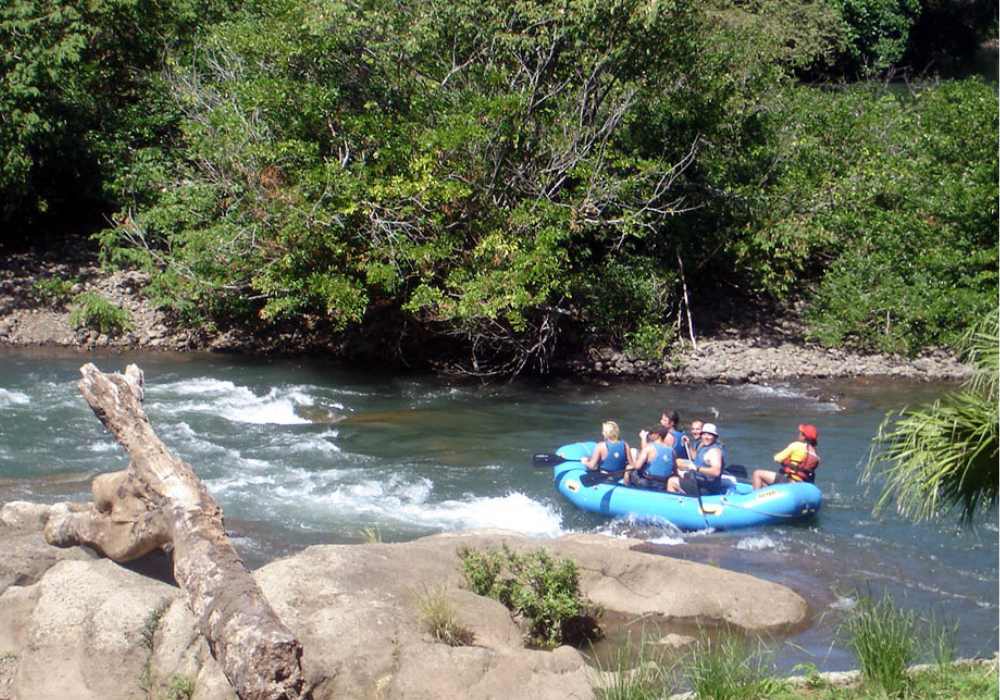
RaftingYesNo
TubingYesYes
KayakingYesNo
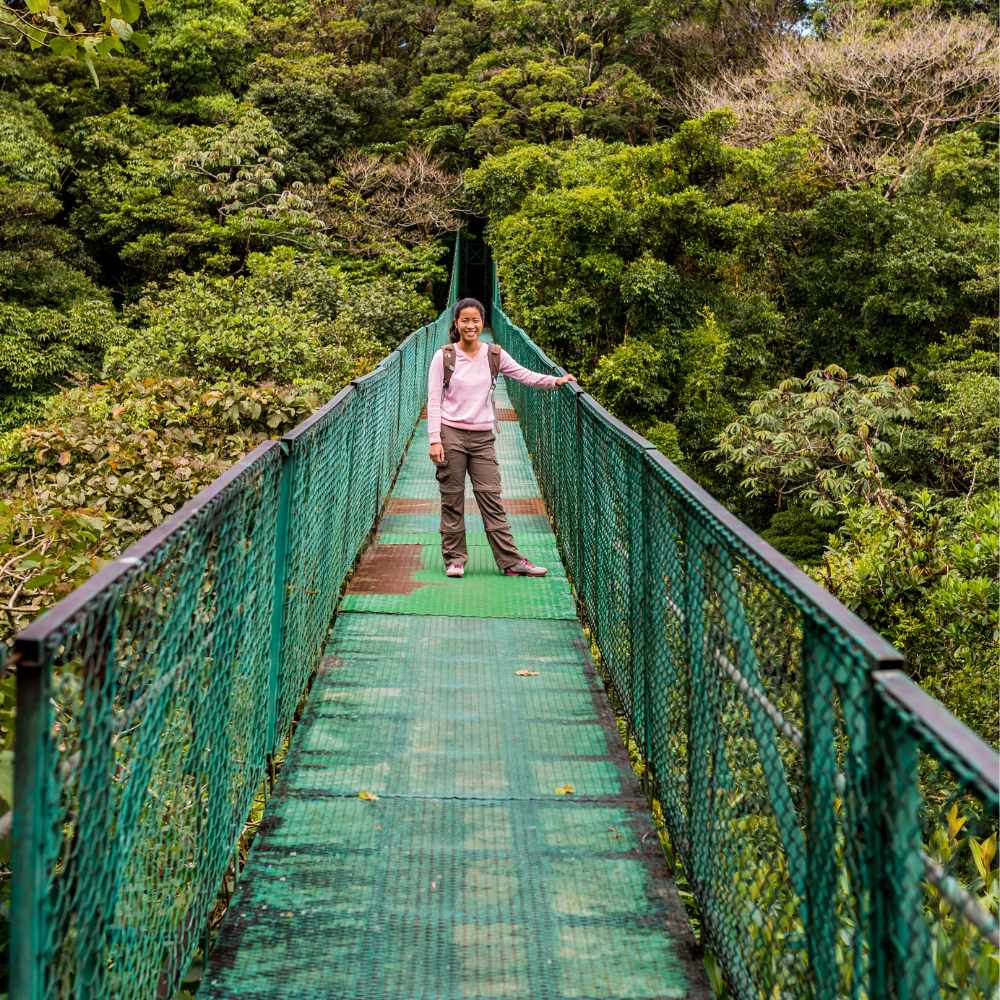
Hanging BridgesYesNo
Hot SpringsYesYes
SpasYesYes


Accommodations in Rincon or Arenal Volcanoes

Arenal Volcano

The Arenal Volcano Region offers a wide range of lodging options, and, as is customary, it is up to you to decide which is ideal for you.

There are options for all budgets, from modest cabins and hostels to Forbes-awarded five-star resorts and boutique hotels. There are hotels where you may fully immerse yourself in the region’s jungles. Others focus on the breathtaking view of the massive volcano and the rejuvenating effects of the hot springs and baths.

Various options focus on wellness, the Arenal Lake, or the region’s fantastic bird viewing.

Some sublime boutique hotels have garnered recognition as the world’s most luxurious hotels.

In Arenal Volcano, you will not find any big chain hotels.
Rincon or Arenal Volcanoes

Rincon de la Vieja

In Rincon de la Vieja, you will find fewer options regarding accommodations. However, there are some perfectly excellent options.

Most hotels in the area are large cattle haciendas, featuring beautiful rooms and a variety of activities.
Rincon or Arenal Volcanoes

To wrap it up

Both places are magnificent, and if you can visit both, as said previously, please do. If you can’t, though, you are just another excuse to come back to Costa Rica! Send us a note, and we’ll start planning your trip now!


This post appeared first in Tavo Leon Customized Tours and was written by Olga Sáenz

Ziplining in Manuel Antonio, the best choice

Ziplining in Manuel Antonio

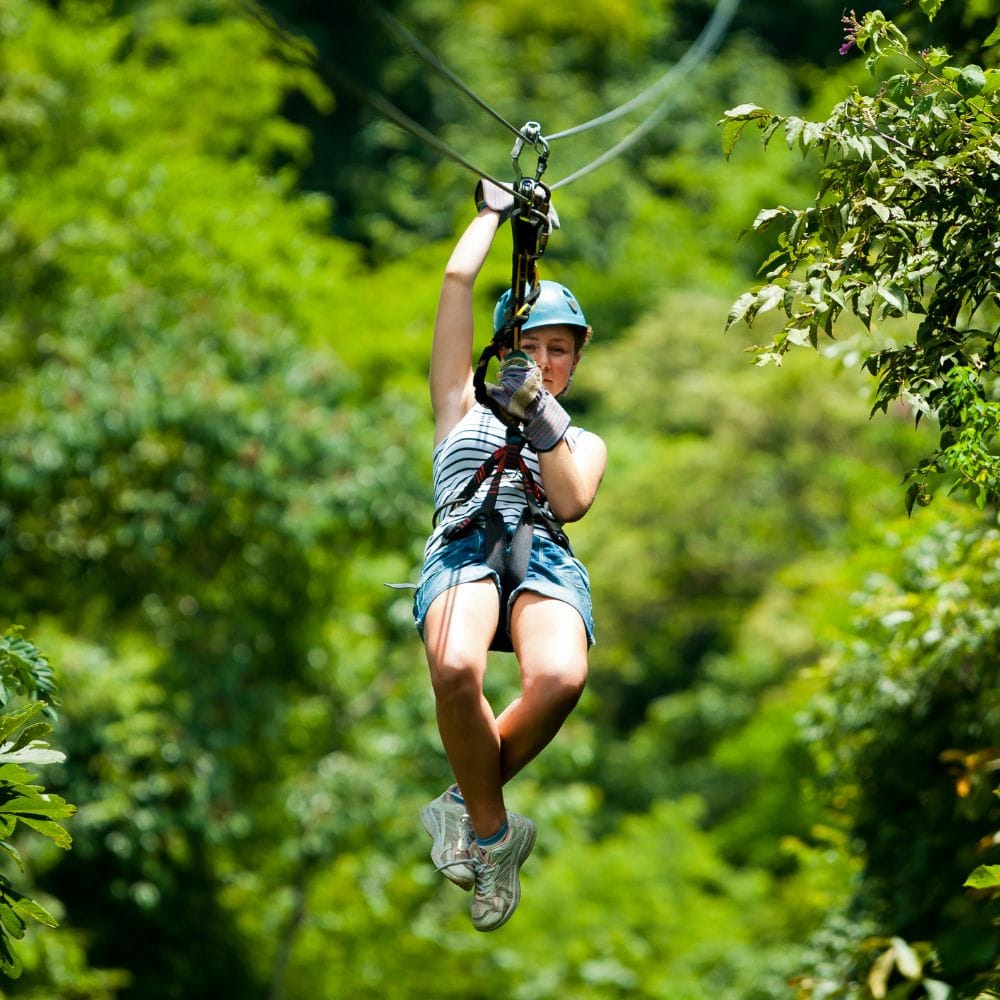
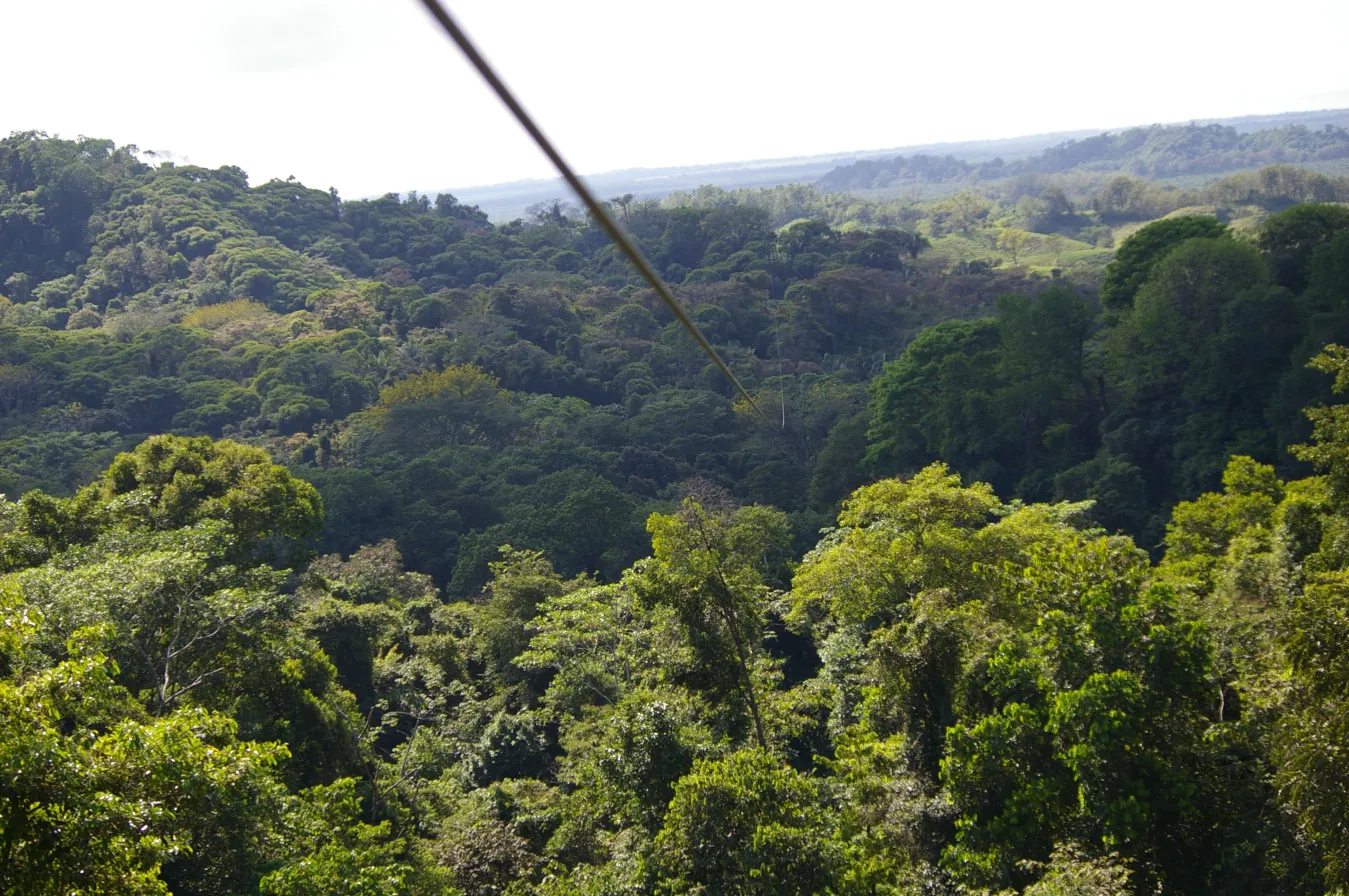
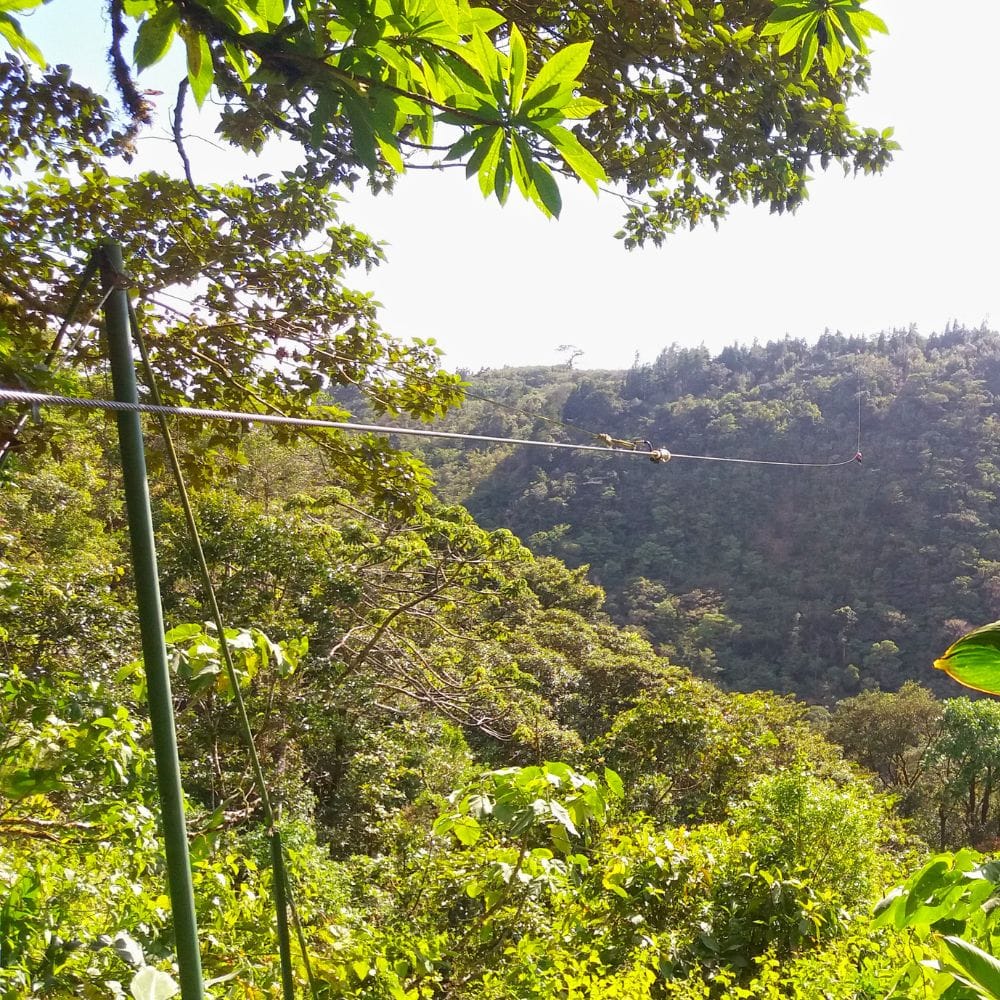
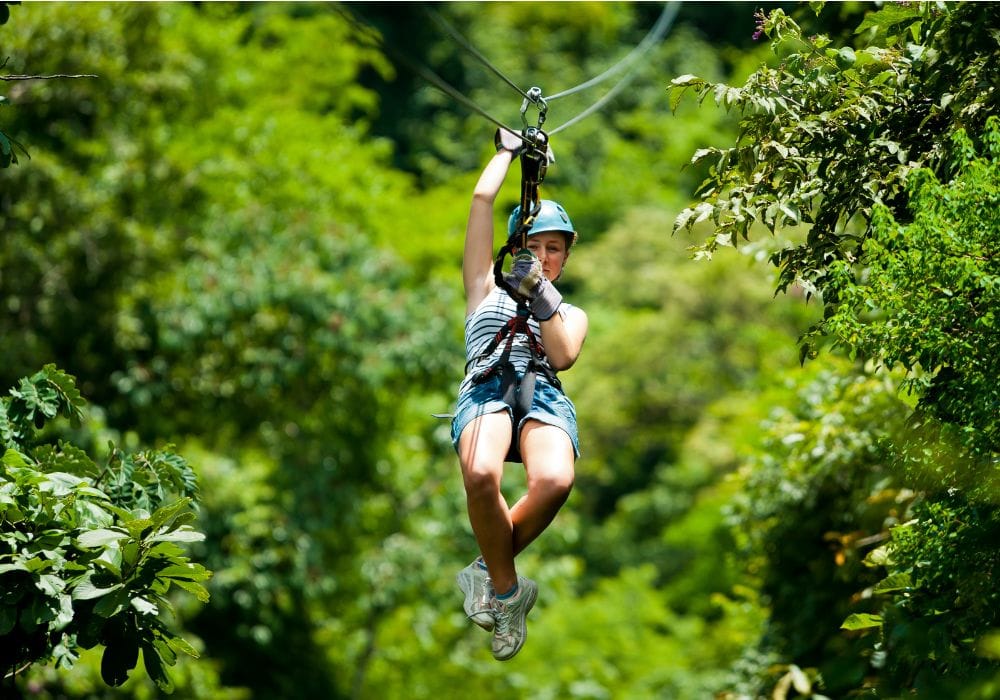
While ziplining in Manuel Antonio, you will experience an exhilarating journey through the treetops, which will provide you with a bird’s-eye view of the stunning scenery and numerous species that are located below. Participating in a canopy tour is a must-do activity in Manuel Antonio for an unforgettable experience.

ziplining in Manuel Antonio

Did you know that Costa Rica is the birthplace of ziplining tours? A biologist working in the northern rainforests of Costa Rica first invented this thrilling activity. As he moved from tree to tree using ziplines, he and his fellow workers discovered not only the practical benefits but also the sheer fun and commercial potential of ziplining. Today, ziplining is a beloved adventure for tourists visiting Costa Rica.

Ziplining in Manuel Antonio is a popular and exciting way to explore the lush rainforests of this picturesque region on the central Pacific coast. Canopy tours in Manuel Antonio take you on an exhilarating journey through the treetops, offering a bird’s-eye view of the stunning landscapes and numerous species below. For an unforgettable rainforest adventure, a canopy tour is a must-do activity during your visit to Manuel Antonio.

ziplining in Manuel Antonio

You’ll find canopy tours all over Costa Rica, with some of the most popular ones in Arenal, the land of adventure, and Monteverde, with its mighty cloud forests. However, if you’re spending your vacation in our region, we recommend the best—El Santuario Canopy Tour. Situated just outside Manuel Antonio National Park, El Santuario delivers a unique and exhilarating experience suitable for all ages and skill levels.

The adventure begins with a picturesque hike through the rainforest, providing the chance to observe diverse wildlife and learn about the local flora and fauna. The knowledgeable and passionate guides ensure a fun and educational experience for everyone. The professional and trained bilingual guides are with you at all times, ensuring your safety and comfort throughout the tour.

ziplining in Manuel Antonio

Many people have a fear of heights but still enjoy a zipline adventure! With doubly secured steel cables, harnesses, and a touch-free riding system, you have nothing to worry about. Just enjoy the ride. A safety line always holds you in place as you wait for the next zip line on the platforms. Our guides provide support throughout your adventure.

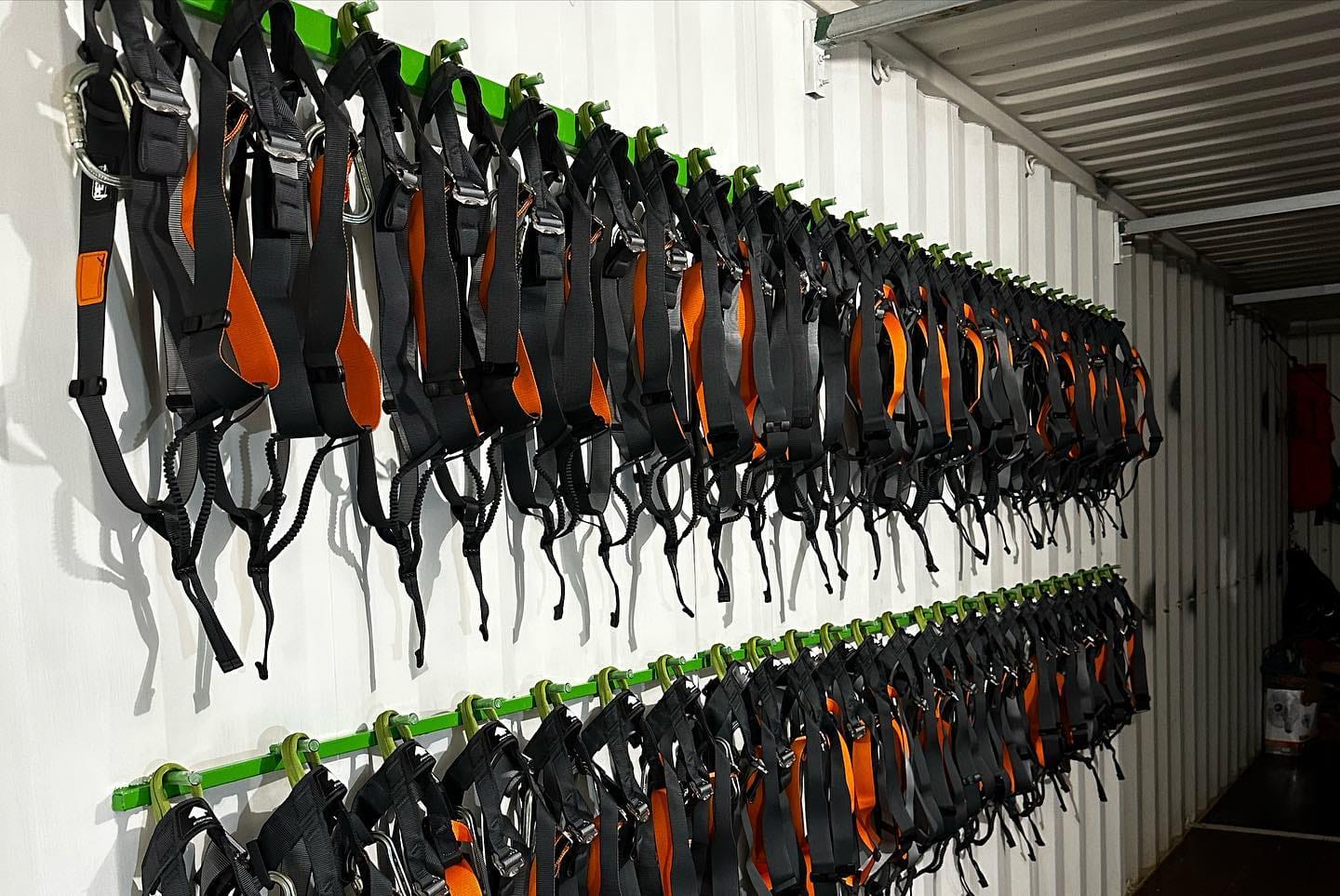
The canopy tour will equip you with a harness, helmet, and all necessary equipment for utmost safety once you reach its starting point. You will never be without these essential items during the entire experience.

Following a brief safety briefing from the guides, it’s time to unleash your inner bird! A series of cables and ziplines will attach you, enabling you to glide through the treetops and take in stunning views of the forest below. There’s something incredibly thrilling about flying through the trees, watching wildlife at close range, and feeling the rush of adrenaline as you soar through the canopy.

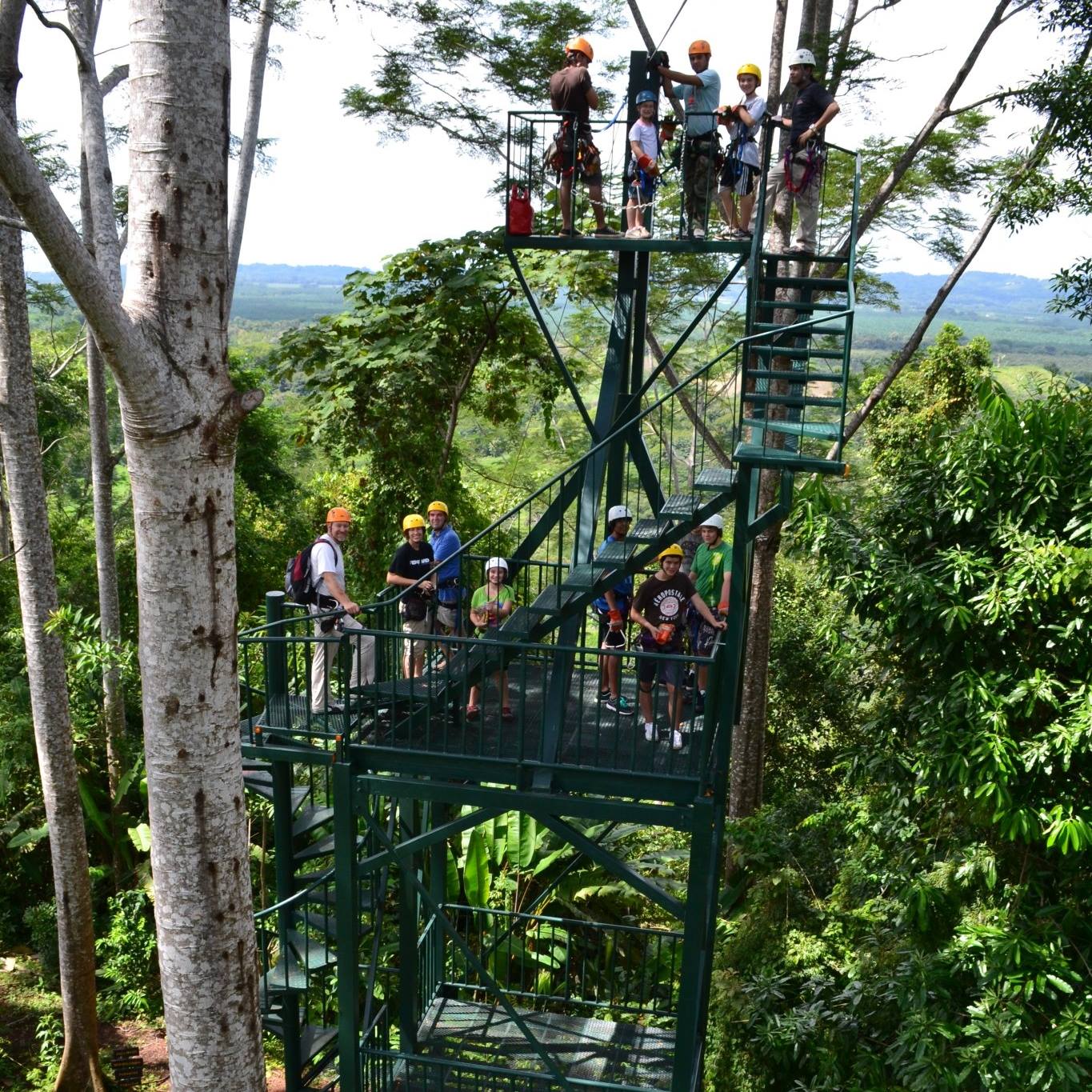
El Santuario boasts ten platforms and eight ziplines, offering an exciting ride with spectacular views of the lush jungle and sparkling waters. The ziplines range in length from 100 to 400 meters, situated at varying heights, offering a variety of forest perspectives. If you are afraid of heights but not terrified, this is an experience totally worth living. Plus, doing it in one of the most biodiverse rainforests in the world adds an incredible upgrade to the experience.

One of El Santuario’s standout features is its innovative braking system, which ensures a safe and comfortable ride for everyone. The system is user-friendly and lets you control your speed, so you can savor the ride at your own pace.

El Santuario also prioritizes sustainability. The tour operates on solar power, and the company has implemented various eco-friendly practices, including using organic products, water conservation measures, and promoting environmentally responsible tourism.

ziplining in Manuel Antonio

Participants in good health are ideal for El Santuario’s canopy adventure. The nature of the tour may restrict participation. All participants must sign a participant agreement/ waiver, weigh between 75 and 275 pounds to ride alone, be at least 4 years old to ride tandem with a guide, have parental or guardian consent if under 18, and meet physical requirements for an active tour.

You will enjoy the tour from the ground, the trees, and above the canopy. The highest platform is about 40 meters above the ground, and you will zip approximately 100 meters above the jungle floor, with amazing views of the Costa Rican rainforest, mountains, and ocean. You will also be able to brag about zipping on Central America’s longest twin zip lines.

You can enjoy ziplining in Manuel Antonio after one of our half-day tours or before. Whether you enjoy the Rainmaker Forest Hike, the Damas Mangroves Kayak, or boat tours, you may also enjoy ziplining the other half of the day.

In conclusion, if you’re planning a trip to Manuel Antonio, make sure to include ziplining in Manuel Antonio. El Santuario Canopy Tour is the top choice for a unique and thrilling experience, thanks to its innovative braking system, commitment to sustainability, and knowledgeable guides. You’ll gain a unique and breathtaking perspective of the rainforest and create memories that will last a lifetime.

If you’re ready to enjoy an incredible experience at El Santuario, contact us now and we can reserve it for you!


This post appeared first in Epic Adventures Costa Rica

My Resume

Olga Saenz | The Costa Rica Podcast


Personal information

Name: Olga Sáenz Carbonell

Nationality: Costa Rican Skype: olgasaenz_3295 WhatsApp: +506-8861-5261 Email: writer@olgasaenz.com


About me

Having held various management positions in areas such as research and product, and having been a tour guide for over twenty-five years in fields as varied as corporate tourism, incentives, student groups, seniors and customized itineraries for high income individuals, I not only know the Central American territory inside out, but more importantly, I know the market. I am constantly researching trends in the travel industry and I know that the current movement of travelers is towards the experience and how to live it better. The creation of the texts has to be in line with that idea. Beyond the use of cute metaphors, the contents of your website have to get to the core of this way of traveling.

SEO (Search Engine Optimization)

The optimization of texts for search engines is a continuous work that, by creating constancy, has very positive effects on the visitation of potential customers to your site. It is not only the creation of well-written texts, or the insertion of researched and corroborated keywords, but it is also perseverance that achieves this in an organic and very effective way. It is slow, but valuable and efficient.

Talents and Knowledge

– MS Office skills. – Photoshop skills – WordPress skills – Written and oral communication skills. – Writing and graphic design skills – Talents for difficult communication with clients in specific situations. – Fast learner.

LANGUES

– Spanish: Mother tongue – English 100% (oral and reading and writing) – Italian and French 40%.%-60%

Experience

June 2020-December 2023

Conversational English classes

Blogs: Epic Adventures Costa Rica, and Terranova DMC.

Pictorial Exhibition in CDMX (Café Galería Café Tostao.)

El Bosque Monteverde Gallery

Neowriters

May 28, 2010- March 2020

Web design, creative content writing, social media management and translation of documents for clients. Specialized in the tourism industry.

Camino Travel / DMC Award (External Contract)

September 2014 – November 2017

Web design, content writing, SEO, bilingual design of descriptions and translations for websites and clients.

UTUR – Universidad del Turismo (Outsourcing Contract)

August 2012 – May 2013

International Tour Management Program Coordinator. In charge of course design, recruitment and on-site management. Guiding techniques – teacher

G Adventures (Product Manager for Mexico, Central America and the Caribbean)

April 2011 – February 2012

Product Manager. Responsible for identifying, negotiating and contracting suppliers in Mexico, Central America and the Caribbean.

Swiss Travel Service.

June 2010 – November 2010

Product Research Manager Responsible for finding and designing products in Nicaragua, Costa Rica and Panama for a wide range of niche markets.

Golfito Chamber of Tourism

April 2009 – June 2010

Executive Director In charge of creating and identifying tourism products for different niches, mainly yacht owners and passengers who spend the hurricane season in Golfito’s private docks.

Grand Circle Corporation

April 2006 – March 2008

Product advisor and guide training (Outsourced) – Responsible for creating, designing and changing tourism product for specific GCT and OAT niches. – Responsible for supporting training and communication with GCT and OAT tour guides.

February 2006 – November 2007

Area Manager for Costa Rica, Nicaragua and Panama. – In charge of all communication with suppliers, product quality monitoring and creation and design of exclusive products for the brands. – In charge of training and communication with carriers and tour guides. – Analysis and elaboration of quality plans for suppliers.

April 1992 – March 2006

General Tour Guide (Freelance) Naturalist guide, cruise guide, chauffeur guide, guide for families, incentives, meetings, women’s groups and thematic groups. Main Markets: United States, Canada, United Kingdom, Germany, Switzerland, The Netherlands. Companies: – Swiss Travel Service – Expediciones Tropicales – Eclipse Tours – Tam Travel – Travel Excellence – Ara Tours – Mawamba Lodge – Calypso Cruises – Costa Rica Quest – Costa Rica Destination.

June 1987 – April 1992

Cielo Azul Plant Tourist Guide

Education

Insight Seminars, Seminar- Insight I August 2017 – 4 days Academia 404 – (SEO Specialist) 2016 Course in SEO (Search Optimization Engine) and optimized content writing. Instituto Técnico de Heredia – Complete course in WordPress 2010 UCR – English Literature (Not finished) 1984-1985 Tour Guide Certification by INA – Bachillerato por Madurez – MEP 1984

SUMMARY

– Customer service experience. Training and leadership, technology and internet use. – Studies in WordPress web design, creative writing and social media management. – Knowledge of creation, design and improvement of tourism products in Central America, Cuba and Mexico.

  • Knowledge in all areas of the Costa Rican tourism industry.
  • Studies in the grammatical and conversational teaching of the English language.

Written Blogs

Camino Travel | 2014-2017 Mapache Tours | 2017-2020 Terranova DMC | 2017 – Ocotea Boutique Hotel | 2021- Epic Adventures CR | 2021 –

Websites designed:

– Epic Adventures Costa Rica – Giotours – National Tourism Offers – Florist Embrujos – Toku.travel travelo.solutions

References:

Ricardo Fernández General Manager FETIZO +506 8324 0780 Manuel Rodríguez Technology Leader CYDONIA TECH +506 8847 0437

About Bocas del Toro, Panama. Enjoy a great extension to your holiday!

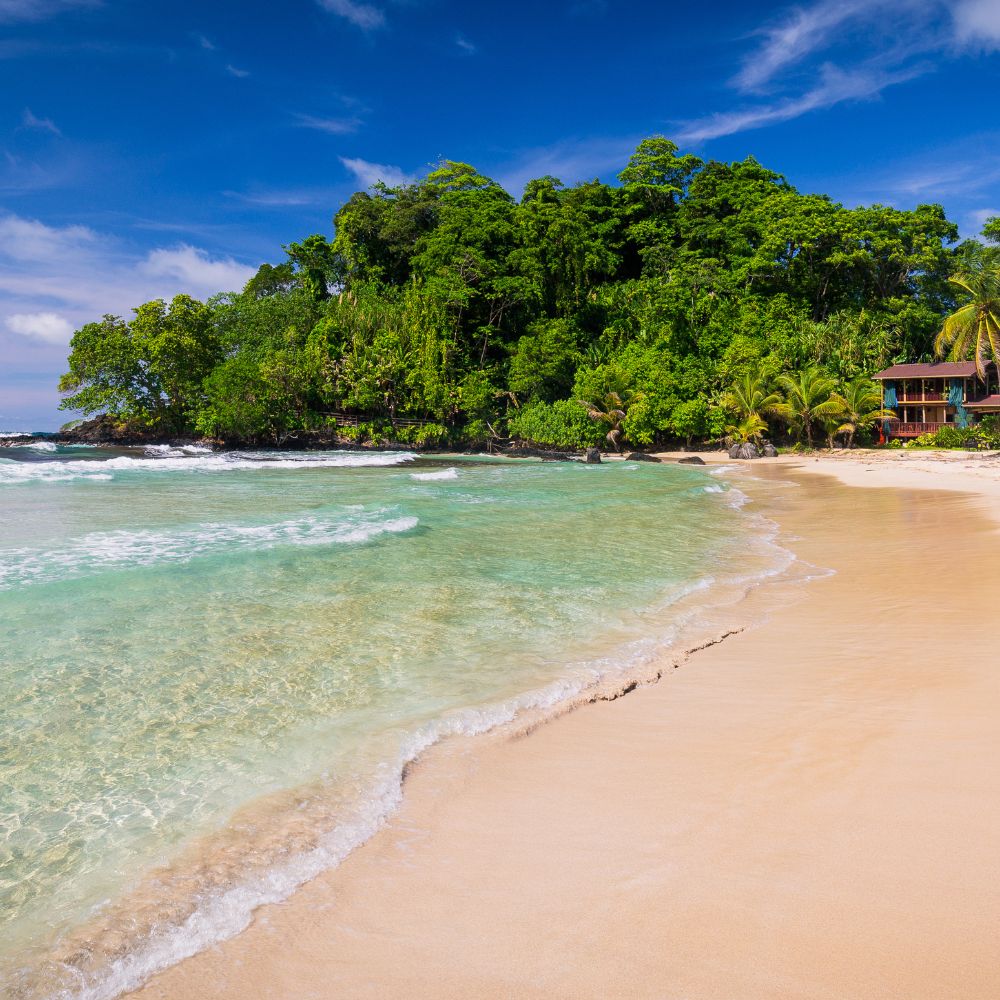
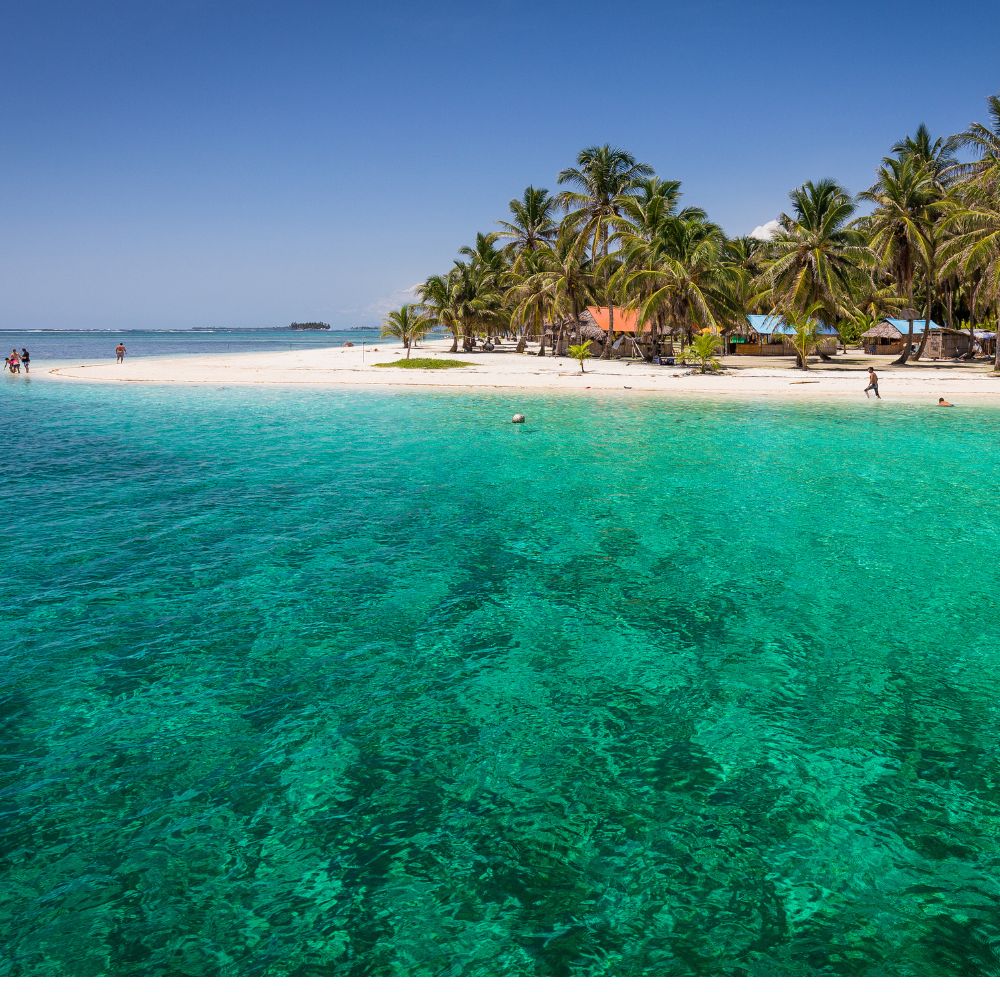
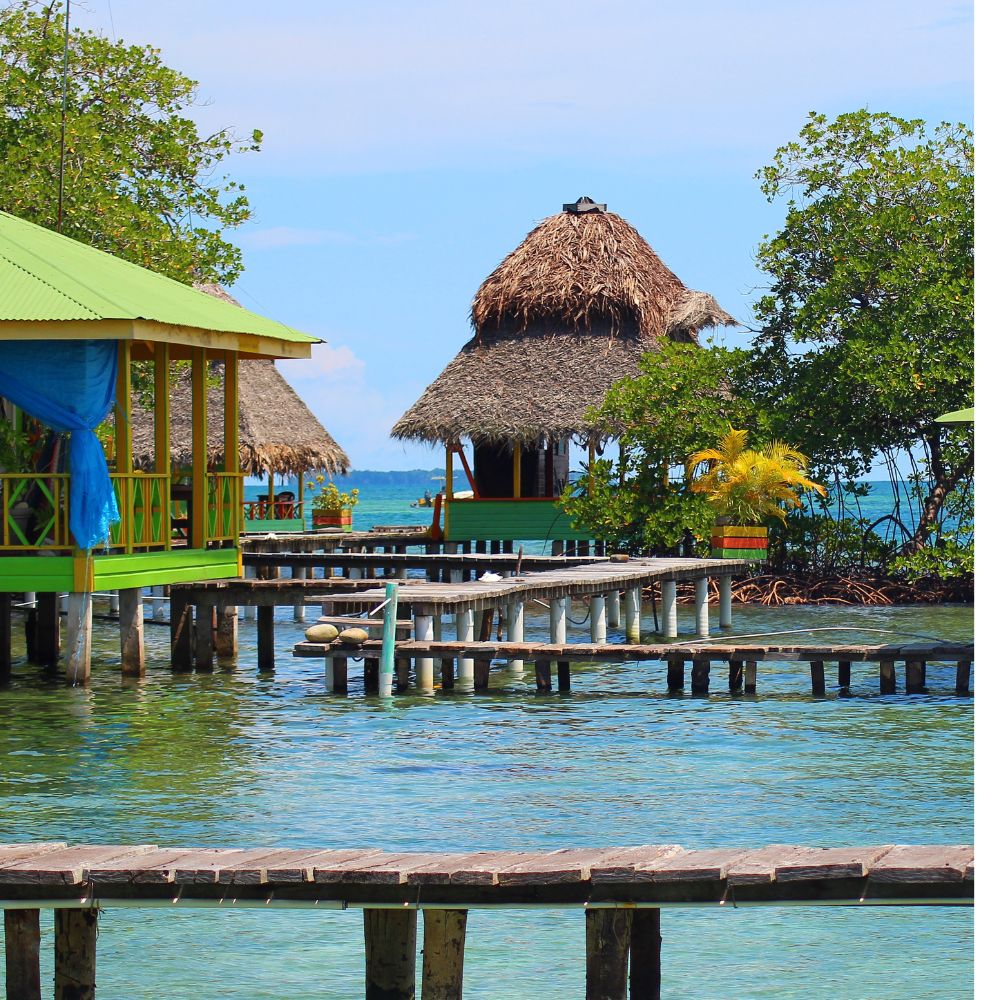
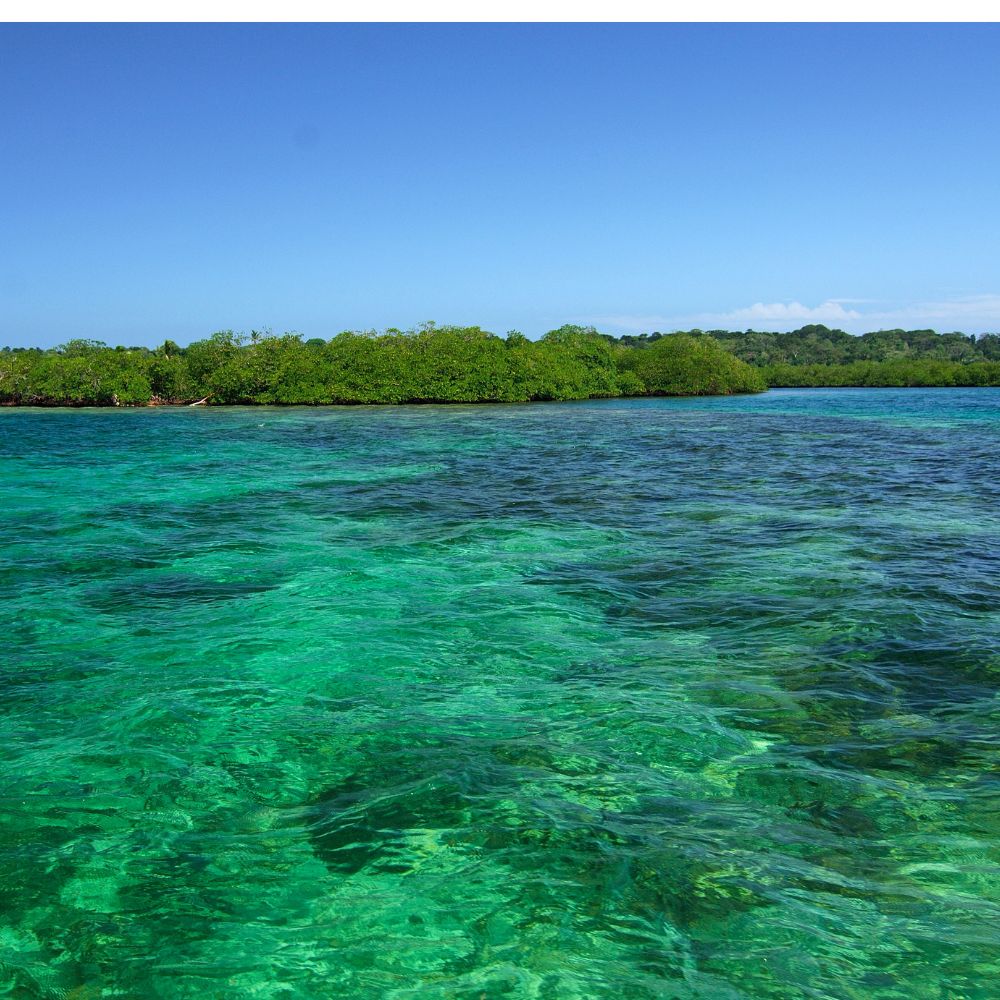
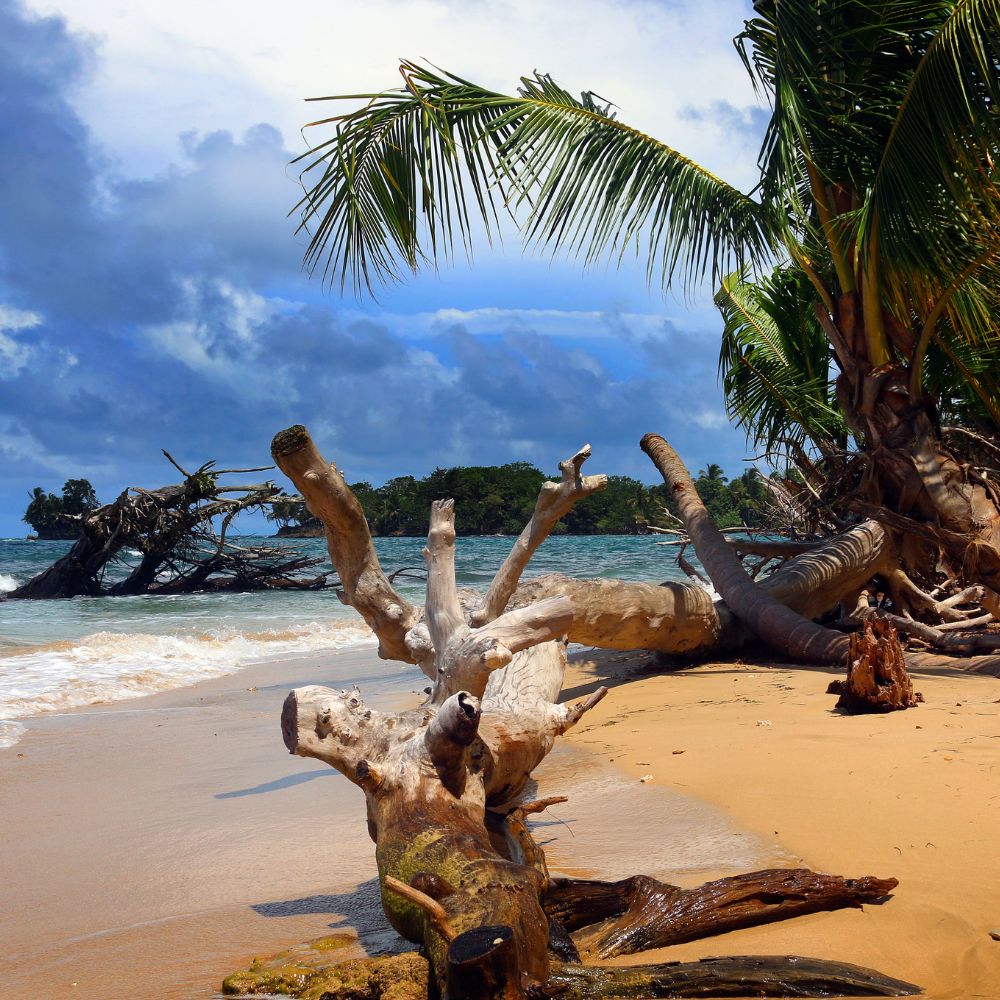
Bocas del Toro, Panama, is a tropical paradise located on the north Caribbean coast of Panama. This stunning destination is known for its beautiful islands, rich marine life, and lush rainforests.

The archipelago includes nine main islands, thousands of islets, and cays, making it a haven for nature lovers and adventure seekers alike.

Bocas del Toro, in the North Caribbean of Panama, is part of the UNESCO World Network of Biosphere Reserves, highlighting its ecological significance.

Visitors to Bocas del Toro, Panama, can enjoy a variety of activities, from snorkeling and diving in vibrant coral reefs to exploring the dense rainforests and mangroves.

Bocas del Toro, Panama

The area is also home to Panama’s first-ever national marine park, offering a chance to witness diverse marine species in their natural habitat. Whether you’re looking for relaxation on pristine beaches or thrilling outdoor adventures, Bocas del Toro has something for everyone.

Your Costa Rica Holiday Extension in Panama

For those planning a vacation from Costa Rica, there’s no better choice than partnering with experienced tour operators who know every secret and highlight of this paradise. We work closely with the best tour operators in town to ensure your journey is seamless and unforgettable.

Itinerary:

Day 1: Orientation Walk and Day at Your Leisure Upon arriving in the Bocas del Toro archipelago, you’ll take an orientation walk around Isla Colón to help get acquainted with the area. Stroll through the colorful streets of Bocas del Toro, discovering landmarks, restaurants, shops, and local conveniences.

After the brief walking tour, enjoy free time to explore more of Isla Colón on your own—swim, relax on the beach, browse the shops, or enjoy a delicious Caribbean-inspired lunch.

Bocas del Toro, Panama

The rest of the afternoon and evening are yours to enjoy Bocas del Toro, Panama, at your leisure!

On the first day of our Bocas del Toro itinerary, you’ll be picked up from your hotel in San José and transferred to the international airport for a flight to Bocas del Toro. The flight is about an hour long. While the airport waiting time might be longer than the flight itself, it will all be worth it when you catch your first aerial glimpse of the stunning islands that await you.

Bocas del Toro, Panama

Day 2: Dolphin Bay and Coral Cay

Embark on an incredible boat tour to some of the top attractions in Bocas del Toro. Our first stop is Dolphin Bay, where you can spot bottlenose dolphins playing and leaping in pairs and small groups. The bay, located in a mangrove region, is known for its abundance of fish and crustaceans, making it an ideal habitat for dolphins.

Next, head to Coral Cay for thrilling snorkeling among Bocas del Toro’s coral reefs, teeming with colorful tropical fish and diverse marine wildlife.

Bocas del Toro, Panama

Day 3: Bird Island, Starfish Beach, and Bocas del Drago

On the third day, travel by boat to the fascinating Bird Island, a rocky isle with lush vegetation and thousands of resident birds. This tropical bird sanctuary is home to both native and migratory species, including the red-billed tropicbird. The island is located off the north shore of Bocas del Toro.

Then, visit Starfish Beach for a surreal walk on a white sandy shore dotted with live orange starfish. Afterwards, head to nearby Bocas del Drago to enjoy its beautiful beach and picturesque views.

Bocas del Toro, Panama

Day 4: Departure Sadly, every great adventure must come to an end. Today, we transfer back to mainland Costa Rica after our Bocas del Toro escapade, already dreaming of the day we can return to this Caribbean paradise.

Book Your Dream Vacation

By choosing one of our wonderful tour operators, you’re ensuring an adventure of a lifetime with the best local tour operators who truly know and love Bocas del Toro, Panama. Their extensive local knowledge and experience guarantee that you’ll uncover hidden treasures and experience the very best of this stunning region.

Don’t miss out on the chance to explore Bocas del Toro, Panama. Contact us today to customize your perfect getaway and embark on an unforgettable journey.

Reference:

About Bocas del Toro Panama | Visit Bocas del Toro. (2024, November 6). Retrieved November 25, 2024, from Visit Bocas del Toro website: https://go.bocasdeltoro.travel/about-bocas-del-toro/?form=MG0AV3

‌This post or very similar appeared first on Tavo Leon Tours:

Saenz, O. (2024). Bocas del Toro, Panama with Tavo Leon Tours. [online] Tavo Leon – Customized Tours. Available at: https://tavoleon.com/bocas-del-toro-panama-with-tavo-leon-tours/ [Accessed 25 Nov. 2024].

Happy Sisyphus or, what Pol Gise gave me.

“Sisyphus, the man who cheated death”, is a book published by Spanish author Pol Gise. It has been a great pleasure to read/listen to it and its lesson is one that is worth everything. Keep reading if you’re interested in feeling that trying is worth it. 🙂

Pol Gise is a young Spanish writer whom I met thanks to one of my daughters in a brilliant channel in which he exposes the theater of mythologies with emoticons. I met him, not the other way around, although he speaks so well and has such a sense of humor that there is always a part of me that would reproach him for not greeting me with a hug if we pass each other on the street. Pol is a deeply and wonderfully fertile guy. He has written three fantastic books. As have his“chismecitos” and his podcast. The first, “Hades, the least bad god“; the second, “Hercules, the hero who didn’t want to be a hero“. And lastly, and very recently, “Sisyphus, the man who cheated death“. And his Youtube channel has become for me a sanctuary where I rest from many pods and which undoubtedly puts my mind in a literally fantastic place, in this brutal and sometimes inevitably comic humanity that bring the stories of Greek mythology.


Here is the link to all Pol Gise’s information: https://linktr.ee/polgise


But his latest book, Sisyphus, put me on a vantage point from which I had never contemplated the view.

Pol showed me Sisyphus happy.

OK, let’s go to the beginning…

Sisyphus, the man who cheated the death of Pol Gise

Sisyphus has a long and intense history, first and foremost a human being, through and through. Witty, clever, cunning, sometimes fucked up. Creative, to say the least. Who succeeds, one way or another. Inevitably it reminded me of our Uvieta and his Death on a grape stick, while he had Thanatos locked in the closet. I won’t go into details, listen to you or read the book which is worth it every moment. And if not, Pol has the story summarized in one of his videos!

I’m not going to get into it, there’s always Google if you’re interested. What is transcendent is the part of Sisyphus’ story that touches us all. The part of his story that we talk about more or less like this: “Sisyphus is the one who was punished by climbing and climbing – to the top of a mountain – a stone that always falls back down.”. The “daddy of frustration” in my universe, the symbol of disappointment, the most phenomenal witness that fucking hope had reason to be in Pandora’s box …. I thought so until I read Pol’s book.


This year my colored stone has gone up and down again and again, in many and varied ways. Somehow, on the one hand because my writing went down to almost zero and on the other because I really believe in what comes out of my brush, I have climbed the mountain dozens of times this year; one and another and another chance, project, idea, path, solution… and the fucking stone goes down again, no matter what I do or don’t do. With shameful frequency I have wanted to quit, kick it and send it all to hell. In the end, no. The stone goes up again, and I push on, usually bitter and angry.

This site (olgasaenz.com) is a result of that. One more stone to climb, let’s see if we can do it once and for all. And no… this one falls too, as small as it seems to be. So much for the story. A tale of failed attempts. One failure after another, after another.


Hope for a day that is not today, precisely. Battling with fear and bewilderment that at times seem to beat me up like a father and master of mine. Tied down by the imaginary calendar, which brings a bunch of also imaginary swords of Damocles: rent, utility bills and similar little details. Tempted to give up every day and start all over again every other day. But exhausted from trying so hard and feeling like I couldn’t make it. Until I read the end of this wonderful Sisyphus. The one that teaches me that, somehow, this trying indefinitely IS the project, IS the true enjoyment of this whole odyssey. That trying is the goal. The only important one at the time of the hours. The real wonder does not happen at the end of the adventure. The True, the Important and the most HAPPY thing is in each brushstroke, in each word, in each attempt, even if apparently I keep on wasting time and the umpteenth trial and error.

And although I often look at the top from below with resentment and self-pity, and feel that no matter how much I want to, I will never achieve it…. Here I am, starting one more painting, writing more letters, more articles, arranging the paintings so that someone will come to see them. Raising my stone of colors once again. Because that’s what Sisyphus is all about, and Living.

The time of the hour is to try, whether you succeed or not. We are in the now, climbing, believing, seeing possibilities, breathing. Alive. Undoubtedly, alive.

Thank you, Pol Gise, for the wonder you bring us in every word and every letter.

And thanks to you, if you read to the end, for reading me, for supporting me and for raising your own stone, which touches us all. The triumph is not to leave it up…. It is to climb it, every time, every day. With or without fatigue, with or without hope. Peace is either active or it is not Peace. And my peace today is in trying with love, singing at times, dancing at others, smiling and laughing as I try. And crying and getting pissed off and sending everything to hell, too!

Therein lies everyday freedom, which in the end is the only true summit that matters.

I’ll leave it there, I’m going to go and arrange the paintings; maybe I’ll get a group today. 🙂 Thank you very much.


Whitewater Rafting In Costa Rica

Whitewater Rafting in Costa Rica

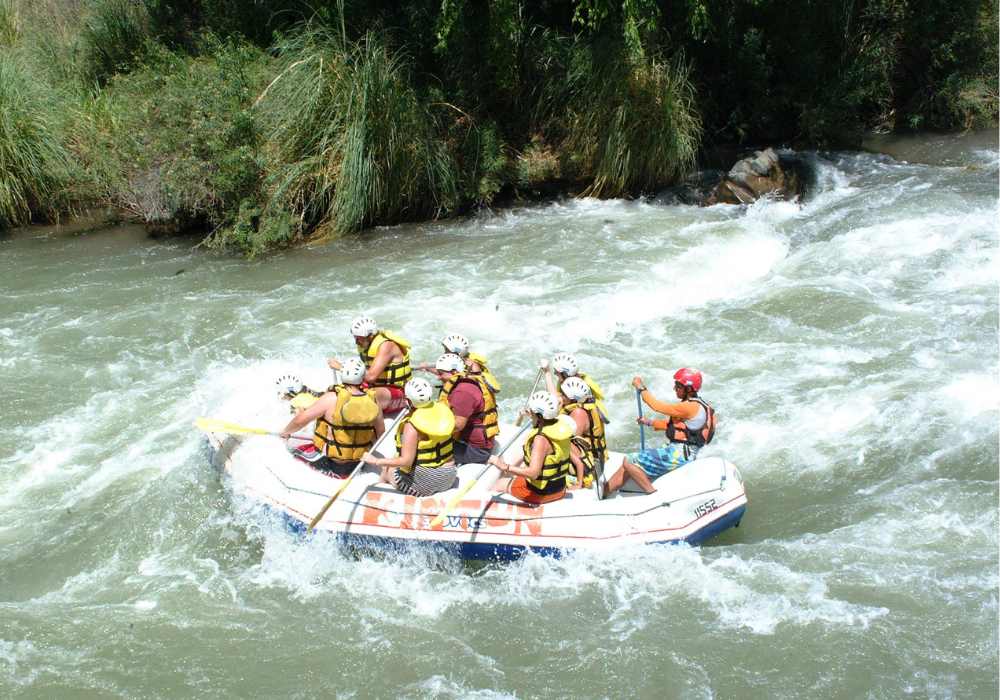
Whitewater Rafting is an adventure to experience anywhere in the world, but in Costa Rica, your rafting will be surrounded by a breathtaking landscape at every turn. Never mind which river you are riding; fascinating rainforests are the edges of all rivers where there is rafting. So, join us in this complete guide to whitewater rafting in Costa Rica! 

Whitewater Rafting in Costa Rica

Rafting is an exhilarating experience, wherever you enjoy it. It takes adrenaline and a daring attitude, and it is usually done in the most beautiful environments in the world. Costa Rica has a lot of mountains, making some of the best rafting rivers in the world.

Rafting in Costa Rica is enjoyed in some of the most breathtaking scenarios in the world. Costa Rica’s best rivers for whitewater rafting offer exciting experiences for specialists and amateurs alike. Even more, when you go whitewater rafting in Costa Rica, you will be submerged in the core of pristine rainforests, where you will delight in wildlife sightings, see the virgin forests, and encounter remote indigenous villages.

You will be going through areas not usually visited by tourists and seeing Costa Rica off the beaten track.

In Costa Rica, you can get adventures and thrilling experiences in unblemished nature while enjoying the fantastic hospitality of the Costa Ricans and the biodiversity that makes Costa Rica so respected.

If you have never done rafting, we’ll give you a short intro before submitting an overview of the best rafting rivers in Costa Rica and the options open.

Whitewater Rafting in Costa Rica

What is whitewater rafting?

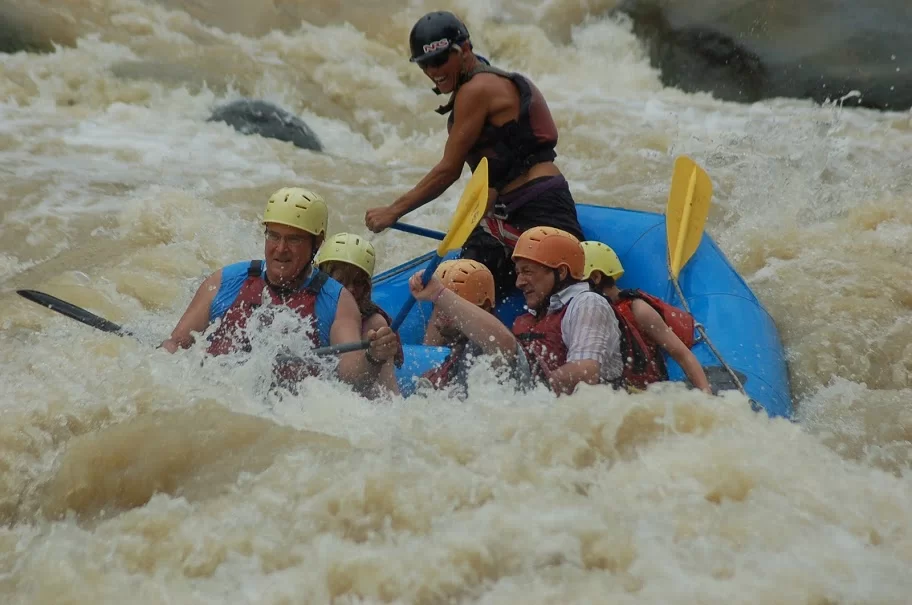
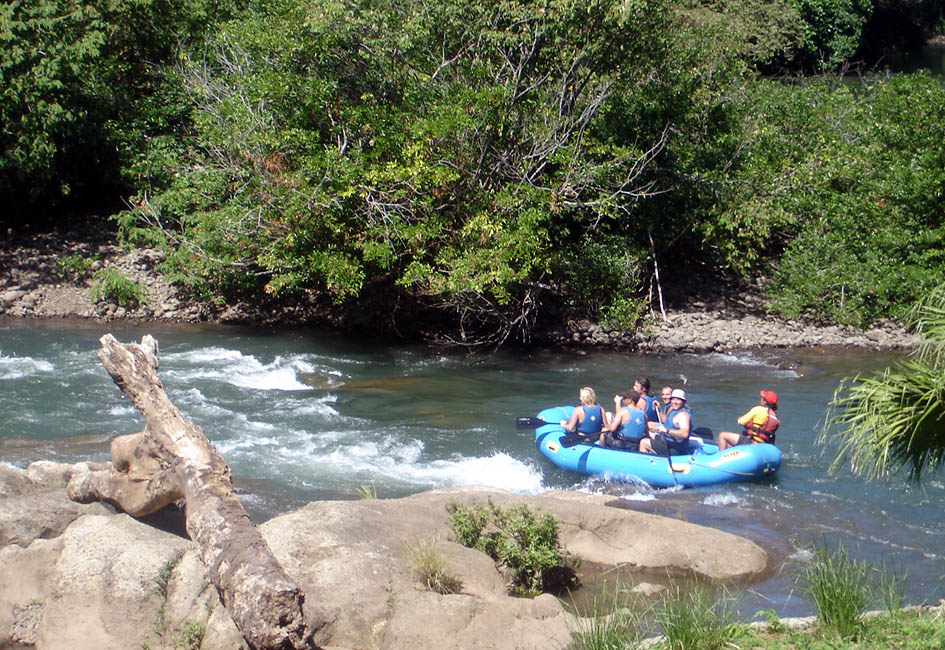
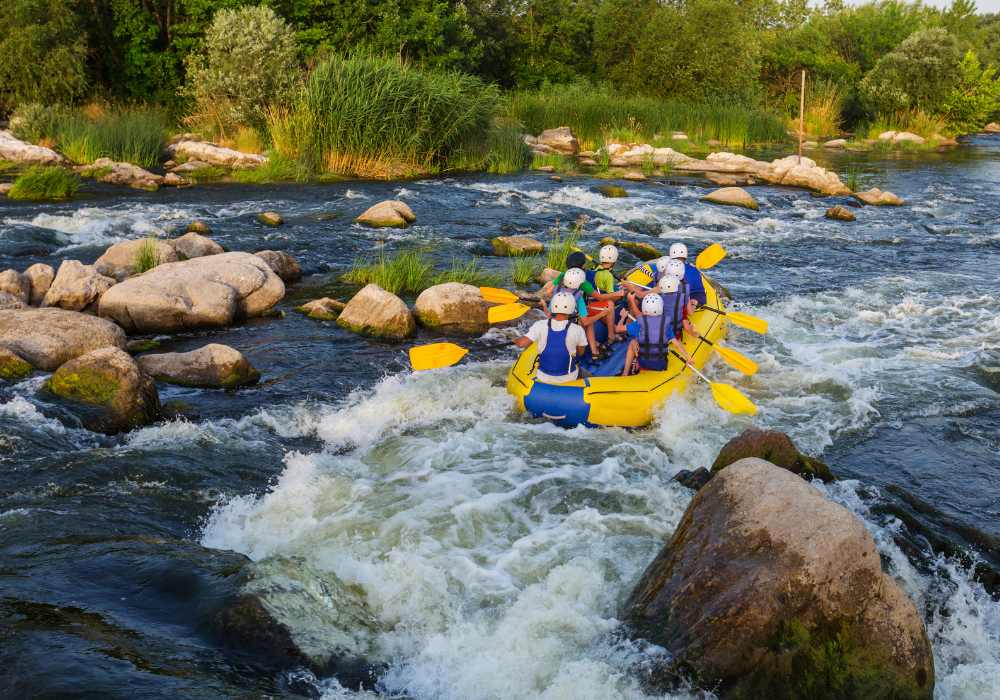
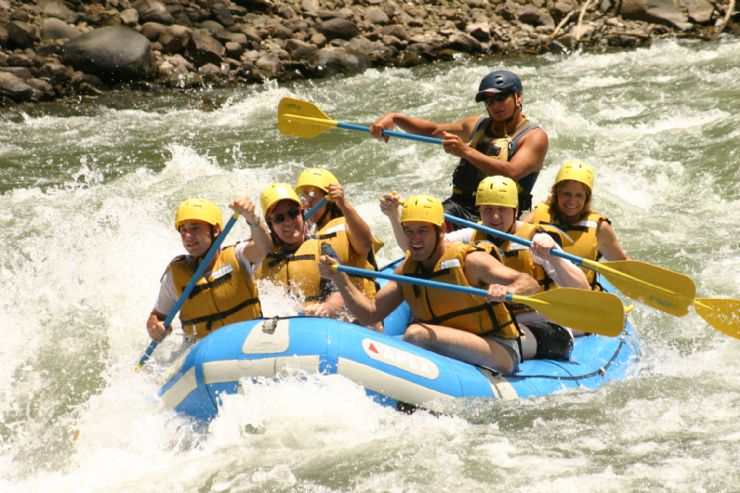
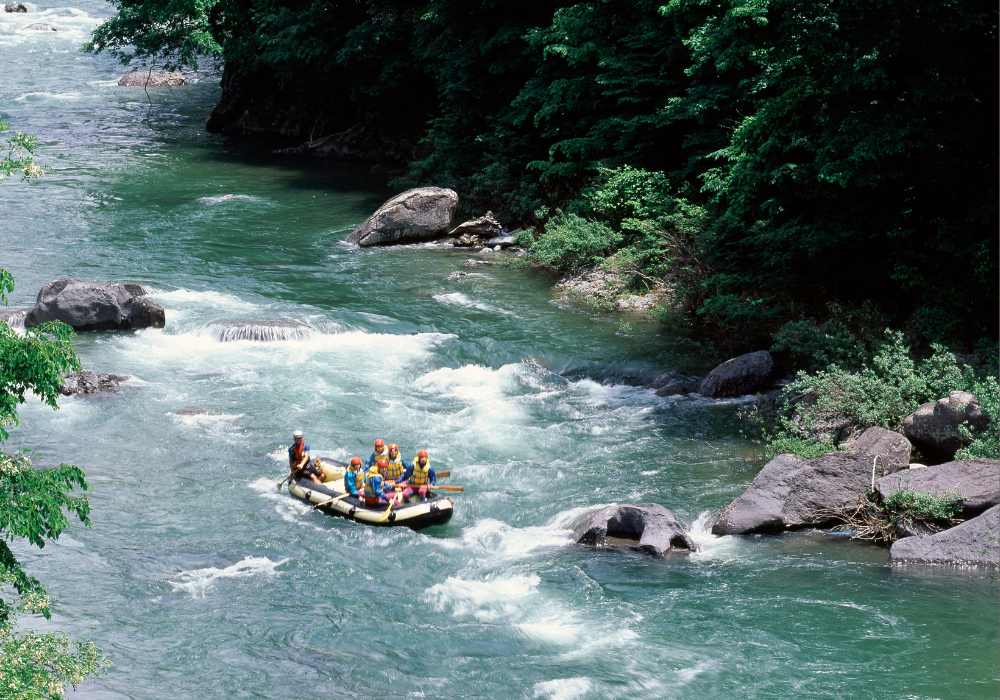
Whitewater rafting is a fun outdoor activity where an inflatable raft is used to navigate a river with passengers sitting on it and paddling through the different flow sectors while the tour guide is usually at the back of the raft managing navigation. The rivers in Costa Rica grant some great hits and dips, creating whitewater rafting experiences.

Rafting Grades of Difficulty

There are classes of effort for whitewater rafting (according to the International Scale of River Difficulty).

Whitewater rivers are ranked by grade of difficulty. In Costa Rica, you’ll notice rapids rated from I to V, with I being the most relaxed and best for small children or passengers who care more about the scenery and wildlife than the thrill of white waters. 

  • I and II class rivers are floating, easy-flowing trips.
  • III-class rivers with rough white waters have some areas, but they may still be shallow and not as strong.
  • IV-class river rafting depends much more on the paddling and interaction of the participants, and it is adventurous and thrilling.
  • V-class rivers are kept for very experienced people. They may even contain some small waterfalls and a continuous, rapid water flow.

A river may change its classification depending on the area where rafting is practiced. As well as depending on the period of year you take the trip.

Whitewater Rafting in Costa Rica

Safety Tips for White Water Rafting

• Pay attention to your guide’s directions and your environment.

• Use sunblock on all exposed skin.

• Wear proper footwear (waterproof if possible!). Either strapped sandals or water shoes.

• Use a long-sleeve shirt.

• Be careful with your glasses—if you wear them, make sure they are on a neck string.


Types of Rafting Excursions

Your rafting travel experiences will change depending on where you are staying, but you can choose from one-day, multi-day, or multi-adventure packages. Ask the Terranoval Travel Designer for the different sorts of trips you may get while enjoying Costa Rica.

Whitewater Rafting in Costa Rica

Is There a Better Time to Go Whitewater Rafting in Costa Rica?

Yes and no: the best time for whitewater adventures is shortly after the rainy season, when rivers are at their most abundant. November and February are favorable months (in the Caribbean and Northern rivers).

Dams control several of the rivers in Costa Rica, so they are enjoyed all year long. Acknowledging that various areas of Costa Rica receive diverse levels of rainfall during the rainy season, it depends on the region you are visiting to have the best season for river rafting.

I wouldn’t recommend going rafting at the end of the rainy season, October or early November, as usually the rivers may turn dangerous. If you are coming in the last months of the year, please find out the levels of the water before reserving a tour.

You can also ask me about it, and I’ll call some of the best rafting tour guides in the country to find out in real time.

Whitewater Rafting in Costa Rica

The Best Rivers for Whitewater Rafting in Costa Rica

Costa Rica has some of the world’s best whitewater rafting as well as some of the safest.

Not only do the classifications dictate age requirements, but there is also a great variety of stretches, from elementary Class I and Class II to high-adrenaline stretches for expert rafters. You will find the requirement in age is 8 or 12 years old as a minimum. It mainly depends on weight.

Fortunately, the possibilities are many. In Costa Rica, you can find in a tiny range more than a dozen established rafting rivers running, and new ones are added almost every year.

Whitewater Rafting in Costa Rica

Where to White Water Raft in Costa Rica

It depends on where you are in Costa Rica and how important it is to enjoy some rafting.

To put it another way: If you have done it a couple of times and you have enjoyed it, you want to do it again. Please check with your Terranoval Travel Design, which will be the perfect river for you, according to your itinerary.

If, however, you are a whitewater rafting fan, and wherever you go, you practice rafting, you already know the one river that you have to run in Costa Rica. Thus, it would help if you stayed in the Central Valley, Turrialba Valley, or the Caribbean Plains to enjoy its wonder entirely.

The Pacuare River. 

The Pacuare River deserves a special mention as it is considered among the ten best rivers to practice whitewater rafting in the world. 

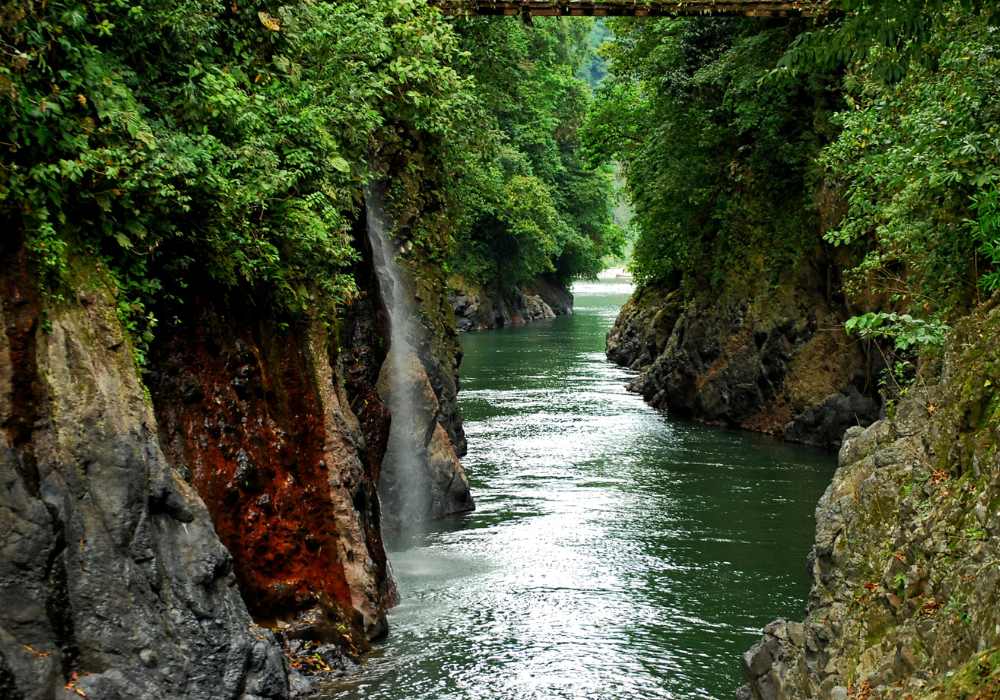
With over 50 rapids in its flow, the Pacuare River traverses some of the most breathtaking rainforests in the world; with waterfalls and canyons covered in lusciousness, Pacuare is an unforgettable experience for any rafting lover.

Whitewater Rafting in Costa Rica

In this magnificent whitewater rafting in Costa Rica you will probably see toucans, sloths, lots of aquatic birds, maybe monkeys, and, if lucky, one of the elusive cats that populate these forests.

This is also an excellent river for first-timers, but you must know that you will be sitting on the edge of a raft and paddling for almost five hours. You must be the right age and have an excellent condition to face this fantastic river successfully.

Difficulty: Class III-IV

Approximate river time: 4 hours

Distance: 30 km/18 mi.

Number of rapids: 52

Minimum age: 12 years

San José and the Caribbean area:

Reventazón River, Class II/III rapids 

The Reventazón River has rapids varying from mild class I bounces to turbulent class V falls. Still, popular rafting trips usually go for the Florida and El Carmen sections, which are essentially class II/III rapids.

Rafting the Reventazon River is for beginners. Nevertheless, even seasoned rafters visiting in groups with less experience will enjoy the rafting day. This is a great trip to enjoy nature; you can see monkeys, sloths, iguanas, and many aquatic birds at the edge of the water. During the rainy season, it’s charming as bright blue morpho butterflies border the shores.

However, if you are a pro, know that the Reventazon River is used instead of the Pacuare. When this happens, it usually is the result of pouring rains and dangerous conditions in Pacuare. Depending on your itinerary, make sure you get another rafting day in your travel plan.

Difficulty: Class II III

Approximate river time: 2 hours

Distance: 10 km/7 mi.

Number of rapids: 9

Minimum age: 6 years

Rio Sarapiqui—Class II, III, and IV rapids—Year-round 

The Sarapiqui River flows down from the Central Volcanic Range of Costa Rica and to the border with Nicaragua, where it becomes part of the Sucio River and then the San Juan River. The river’s borders and dark green waters are full of tropical wildlife, creating the softer rapids (ideal for beginners and families with children or elderly) particularly satisfying.

When you raft at a slower pace, you’ll have more chances and time to appreciate the beautiful scenarios around the river. The Sarapiquí is in the northern area of Costa Rica, a less visited, however impressive, rainforest region. Either if you stay in the numerous lodges around the Sarapiqui River or are coming from the Central Valley or the Arenal Volcano region.

Whitewater Rafting in Costa Rica

The Sarapiquí River is well-known as the picturesque river of Costa Rica’s rainforest, with 35 kilometers of preserves, magnificent natural views, and great fun for all. An upper section with 11 km of really white water rapids class IV, for the knowledgeable and physically equipped; the 13 km of classes II and III for learners, children, or people who are more into the fun than the adrenaline-oriented adrenaline.

There is a third sector where you will find plenty of tours that are done in the slow waters of the Sarapiqui when it is already getting closer to its ending in Rio Sucio.

Difficulty: Class III-IV

Approximate river time: 2.30 to 3 hours

Upper Sarapiquí:

Distance: 11 km/7 mi.

Number of rapids: Over 30

Minimum age: 15 years old


Lower Sarapiquí River: 

Difficulty: Class II-III

Approximate river time: 2 hours

Distance: 13 km/8 mi.

Number of rapids: Over 30

Minimum age: 9 years old

La Fortuna and Arenal Volcano 

Rio Balsa—Class II and III—Year-round

Situated close to the Arenal Volcano and La Fortuna, the Balsa River is the closest whitewater river to Costa Rica’s most famous volcano, and it grants beginner-level rapids. The water level of the Balsa River is controlled by a hydroelectrical dam that makes this river the most reliable rafting in the region.

The Balsa River is a perfect option for those apprehensive about rafting in Costa Rica, as it is an exciting yet not overpowering experience.

Difficulty: Class II-III

Approximate river time: 2 hours

Distance: 13 km/8 mi.

Number of rapids: Over 20

Minimum age: 9 years old


Manuel Antonio and Central Pacific Region


Rio Savegre—Class II and III—May to January

The Savegre River is famed to be the cleanest river in Costa Rica. And as a whitewater river is another brilliant option for families, with day trips being not too challenging. Along with mellow rapids, you can also head off for walks to discover waterfalls and halt in beautiful swimming pools on the way down the river. This free-flowing river is deemed to have one of the most transparent waters in all of Central. This is one of the closest whitewater rivers to the Manuel Antonio and Quepos area.

Distance: 10 km/7 mi.

Number of rapids: 9

Difficulty: Class II III

Approximate river time: 2 hours

Minimum age: 8 years

Rio Naranjo – Class III and IV – May to January 

This ride goes into the heart of Costa Rica, starting in the rainforest and going down to farming regions. The trip is perfect for beginners in good physical condition or experienced rafters looking for an adventure experience in Manuel Antonio or the Central Pacific.

Distance: 10 km/7 mi.

Number of rapids: 9

Difficulty: Class II III

Approximate river time: 2 hours

Minimum age: 8 years

Whitewater Rafting in Costa Rica

Guanacaste 

Rio Tenorio – Class III and IV 

Featuring some of the most exciting Class IV rapids in Costa Rica, the Tenorio River is ideal for experienced rafters and kayakers. Tenorio River Rafting will check your bravery with its continual challenges as you go through the turns, drops, and twists of intense, tricky rapids. All participants must be in good physical condition.

This is the largest whitewater river in the northern Pacific region, deriving from the mountain range and the Tenorio Volcano. The profoundly carved canyon is stunning, and, between the exhilarating rapids, you’ll have lots of chances to soak up the gorgeous natural surroundings.

Difficulty: Class II III

Approximate river time: 2.5 hours

Distance: 12 km/7.5 mi.

Number of rapids: 22, including the 12-foot waterfall drop, Cascabel Falls

Minimum age: 12 years


To wrap it up 

There are more rivers for whitewater rafting than the ones we are citing here. However, we are listing the most important.

References


(01) N.a. “Top 10 Whitewater River Rafting Destinations.” Frommers.com. n.d. Web. 27 Jun. 2021. <https://www.frommers.com/slideshows/819247-top-10-whitewater-river-rafting-destinations>


Solo Travel in Costa Rica: Tips 2024 (Mainly For Women)

Solo Travel in Costa Rica

Planning a solo trip to Costa Rica? You’re about to embark on one of the most rewarding adventures in Central America. As a top destination for solo female travelers, Costa Rica offers the perfect blend of safety, natural wonders, and authentic cultural experiences.

Solo travel in Costa Rica

Whether you’re zip-lining through the rainforests of La Fortuna, surfing in Tamarindo, or exploring the biodiversity of Manuel Antonio National Park, this comprehensive guide will help you navigate Costa Rica as a solo female traveler. From essential safety tips to the best destinations for solo adventures, we are covering you in the guide for Solo Travel in Costa Rica, tips 2024.

Why Choose Costa Rica for Solo Female Travel?

Costa Rica consistently ranks as one of the safest countries in Central America for solo travelers. With its stable political climate, well-developed tourism infrastructure, and friendly locals, it’s no wonder why thousands of women choose to explore this tropical paradise alone each year.

Key highlights that create a successfull solo travel experience in Costa Rica:

  • Established tourist infrastructure
  • Widespread use of English in tourist areas
  • Safe and reliable public transportation options
  • Numerous women-friendly accommodations
  • Active community of fellow solo travelers
  • Rich biodiversity and natural attractions
  • Year-round travel possibilities

Solo Travel in Costa Rica

Planning Your Solo Adventure in Costa Rica

Successful solo travel in Costa Rica begins with thorough preparation. This section will guide you through essential planning steps to ensure a safe and enjoyable journey.

Best Times to Visit Costa Rica for Solo Travel

  • Dry Season (December to April):

    • Ideal weather for outdoor activities
    • Higher prices and larger crowds
    • Perfect for beach destinations like Manuel Antonio and Tamarindo
  • Green Season (May to November):

    • Lush landscapes and fewer tourists
    • Lower prices and availability for eco-lodges
    • Great for rainforest experiences in places like Monteverde

Top Destinations for Solo Female Travelers in Costa Rica

  1. Arenal Volcano and La Fortuna: Adventure hub with hot springs and volcano views
  2. Manuel Antonio: Beach and wildlife paradise
  3. Tamarindo: Surf town with a vibrant social scene
  4. South Caribbean: Laid-back Caribbean vibe
  5. Monteverde: Cloud forest and eco-tourism destination

Essential Packing List for Costa Rica Solo Travel

  • Lightweight, quick-dry clothing
  • Comfortable walking shoes and sandals
  • Reef-safe sunscreen
  • Insect repellent
  • Reusable water bottle
  • Power bank and universal adapter
  • Copy of passport and important documents

Transportation Tips for Solo Travelers

  • Use official taxis or ride-sharing apps in cities
  • Consider shuttle services for longer journeys
  • Rent a car only if you’re comfortable with local driving conditions
  • Use public buses for budget-friendly travel between major towns

Remember, flexibility is key when traveling solo in Costa Rica. Allow room in your itinerary for spontaneous adventures and unexpected discoveries that often become the highlights of solo travel.

Safety Guide for Solo Female Travelers in Costa Rica

Safety is a top priority for women traveling alone in Costa Rica. While the country is generally safe for solo travelers, following these essential guidelines will help ensure a secure and enjoyable experience.

Accommodation Safety Tips for traveling solo in Costa Rica

Recommended Types of Accommodation:

  • Boutique hotels with 24/7 security
  • Eco-lodges with good reviews from solo female travelers
  • Hostels with female-only dorms
  • Verified Airbnbs in safe neighborhoods (Check with someone who knows—you can always ask me; if I don’t know, I will find out who does.)

Solo Travel in Costa Rica

Safety Measures:

  • Research neighborhoods before booking
  • Choose properties with security cameras
  • Opt for rooms above ground level
  • Verify reviews from other solo female travelers
  • Keep room numbers private

Personal Safety Guidelines

During Day Exploration:

  • Stay aware of your surroundings
  • Keep valuables in your hotel safe
  • Use well-traveled routes
  • Carry only necessary cash
  • Keep emergency contacts handy

Solo Travel in Costa Rica

Night Safety:

  • Avoid walking alone after dark
  • Use official taxis or ride-sharing services
  • Stay in well-lit, populated areas
  • Keep friends/family updated on your location
  • Trust your instincts

Transportation Safety

Safe Transport Options:

  • Official red taxis (with yellow triangles)
  • Uber in major cities
  • Reputable shuttle services
  • Tourist-friendly bus companies
  • Licensed tour operators

Emergency Preparedness

Important Numbers:

  • Emergency: 911
  • Tourist Police: 2221-9505
  • Local Embassy/Consulate (save based on your nationality)
  • Your hotel’s direct line
  • Travel insurance emergency contact

Digital Safety Tips

  • Use VPN for public Wi-Fi
  • Enable two-factor authentication
  • Back up travel documents to cloud storage
  • Share real-time location with trusted contacts
  • Download offline maps

Solo Travel in Costa Rica

Remember: Costa Rica is known for its friendly locals and safe tourism, but maintaining awareness and following these precautions will ensure your solo adventure remains positive and empowering.

Embracing Costa Rican Culture: A Solo Female Traveler’s Guide

Understanding and respecting local customs is crucial for a positive solo travel experience in Costa Rica. The country’s culture, known for its warmth and hospitality, is encapsulated in the phrase “Pura Vida”—a way of life that embraces simplicity, optimism, and appreciation for nature.

Cultural Norms for Solo Travelers in Costa Rica

  • Greetings: Start conversations with “Hola” or “Buenos días” to show respect
  • Pura Vida Lifestyle: Embrace the relaxed pace and positive outlook
  • Punctuality: Expect a more relaxed approach to time, especially in rural areas
  • Public Behavior: Modest public displays of affection are generally accepted

Dress Code Tips for Women Traveling Solo

  • City Attire: Opt for casual but neat clothing in urban areas like San José
  • Beach Wear: Swimwear is fine for beaches, but cover up when leaving the shore
  • Eco-Adventures: Pack quick-dry, modest clothing for rainforest and volcano tours
  • Cultural Sites: Dress modestly when visiting churches or rural communities

Solo Travel in Costa Rica

Language Tips for Solo Female Travelers

  • Learn basic Spanish phrases—locals appreciate the effort
  • Use “Usted” (formal ‘you’) when addressing strangers or older individuals
  • Download a reliable translation app for complex conversations
  • Join language exchange meetups in tourist hubs for practice and social connections

Eco-Friendly Travel Practices

  • Choose eco-certified lodges and tour operators
  • Participate in local conservation efforts
  • Use reef-safe sunscreen to protect marine ecosystems
  • Minimize plastic waste with reusable water bottles and bags
  • Support local artisans and sustainable businesses

Solo Female-Friendly Cultural Experiences

  • Take a Costa Rican cooking class
  • Join a coffee plantation tour
  • Participate in local festivals and events
  • Volunteer with community projects (ensure they’re ethically run)
  • Explore indigenous communities with respectful, guided tours

By embracing Costa Rican culture with an open mind and respectful attitude, solo female travelers can forge meaningful connections and gain a deeper appreciation for this beautiful country’s traditions and natural wonders.

Solo Travel in Costa Rica

Smart Travel Strategies for Solo Female Travelers in Costa Rica

Implementing savvy travel strategies can enhance your solo experience in Costa Rica, ensuring a smooth and enjoyable journey. Here are essential tips to make the most of your adventure:

Money Management for Solo Travel in Costa Rica

  • Inform your bank of travel plans to avoid card blocks
  • Carry a mix of cash and cards
  • Use ATMs inside banks during business hours for added security
  • Consider a money belt for keeping valuables close
  • Keep small denominations handy for tips and small purchases
  • Budget for eco-friendly tours and sustainable accommodations
  • Bring more than one card, and keep one at the hotel safe.
  • Solo Travel in Costa Rica

Technology Tips for Solo Female Travelers

  • Invest in a portable charger or power bank
  • Use a VPN when connecting to public Wi-Fi networks
  • Download offline maps of Costa Rica and translation apps
  • Consider a waterproof phone case for beach and rainforest adventures
  • Use cloud storage to back up photos and important documents
  • Download apps for local transportation and currency conversion

Emergency Preparedness for Solo Travel

  • Save emergency numbers: 911 (general), 2221-9505 (Tourist Police)
  • Know the location of the nearest embassy or consulate
  • Carry a basic first-aid kit, especially for eco-adventures
  • Consider comprehensive travel insurance covering medical emergencies and evacuations
  • Keep digital and physical copies of important documents
  • Learn basic Spanish phrases for emergencies

Solo Travel in Costa Rica

Sustainable Solo Travel Practices in Costa Rica

  • Choose eco-certified accommodations and tour operators
  • Respect wildlife and maintain a safe distance during nature tours
  • Use reef-safe sunscreen to protect Costa Rica’s marine ecosystems
  • Minimize plastic waste by carrying a reusable water bottle and shopping bag
  • Support local businesses and artisans in destinations like Monteverde and Puerto Viejo
  • Participate in local conservation efforts or eco-volunteering programs

Solo Female-Friendly Activities in Costa Rica

  • Join group tours for activities like zip-lining in Monteverde or white-water rafting in Arenal
  • Take surf lessons in popular beach towns like Tamarindo or Jaco
  • Explore national parks with guided tours for safety and educational value
  • Enjoy solo-friendly spa treatments and yoga retreats in wellness-focused areas
  • Participate in cooking classes or coffee tours for cultural immersion

Solo Travel in Costa Rica

By implementing these strategies, solo female travelers can navigate Costa Rica with confidence, focusing on the joy of discovery while staying prepared for any situation. Remember, smart travel is safe travel, especially when exploring this beautiful country on your own.

Solo travel in Costa Rica may be an unforgettable experience that will empower you for life. Just make it smart solo travel! 

Building Connections: Social Tips for Solo Female Travelers in Costa Rica

One of the greatest aspects of solo travel in Costa Rica is the opportunity to meet like-minded travelers and friendly locals. Here’s how to make meaningful connections while maintaining safety:

Safe Social Networking for Solo Female Travelers

Digital Connections:

  • Join Costa Rica solo female travel Facebook groups
  • Use travel apps like Meetup for local events
  • Follow Instagram hashtags: #SoloTravelCR #CostaRicaSoloTravel
  • Connect with other travelers through hostel apps
  • Use women-focused travel networks

Solo Travel in Costa Rica

In-Person Meetups:

  • Attend organized group activities
  • Join guided tours in major tourist spots
  • Participate in local cooking classes
  • Take group Spanish lessons

Popular Social Activities in Costa Rica

Adventure Activities:

  • Group surfing lessons in Tamarindo
  • Guided hiking in Arenal Volcano National Park
  • Shared shuttles between destinations
  • Eco-tourism group tours in Monteverde
  • White water rafting expeditions

Cultural Experiences:

  • Coffee plantation tours
  • Local cooking workshops
  • Language exchange meetups
  • Volunteer programs
  • Cultural festivals and events

Safety Tips for Social Interactions

  • Meet new people in public places
  • Avoid sharing detailed travel plans with strangers
  • Trust your instincts about new acquaintances
  • Keep emergency contacts updated
  • Stay aware in social situations
  • Limit alcohol consumption when socializing

Community-Based Tourism

  • Support local women-owned businesses
  • Join community-led tours
  • Participate in local artisan workshops
  • Stay with verified host families
  • Engage in sustainable tourism initiatives

Solo Travel in Costa Rica

Digital Nomad and Long-Term Connections

  • Join co-working spaces in major cities
  • Attend digital nomad meetups
  • Connect with expat communities
  • Participate in local sports groups
  • Join beach cleanup events

Remember: While Costa Rica is generally safe for solo female travelers, always prioritize your safety when making new connections. The right balance of openness and caution will lead to authentic experiences and lasting friendships.

Conclusion: Your Solo Female Travel Adventure in Costa Rica Awaits

Embarking on a solo female travel adventure in Costa Rica is more than just a vacation – it’s a transformative journey that combines personal growth with unforgettable experiences. From the misty peaks of Monteverde to the sun-soaked beaches of Manuel Antonio, Costa Rica offers endless opportunities for safe, meaningful solo travel.

Remember these key takeaways for your Costa Rica solo adventure:

  • Trust your instincts and maintain awareness
  • Embrace the Pura Vida lifestyle
  • Connect with fellow travelers responsibly
  • Support sustainable tourism
  • Respect local customs and environment

Conclusion: Your Solo Female Travel Adventure in Costa Rica Awaits

Whether you’re seeking adventure in La Fortuna, relaxation in Tamarindo, or cultural immersion in San José, Costa Rica welcomes solo female travelers with open arms. By following the safety tips and travel strategies outlined in this guide, you’re well-equipped to create your own extraordinary journey in this beautiful country.

Ready to start planning your solo adventure in Costa Rica? Remember that the best experiences often come from stepping out of your comfort zone while staying smart and aware. ¡Pura Vida!

As a local ex-tour guide with over thirty years of experience in the travel industry and in Costa Rica, a solo female traveler, a travel writer, and a plastic artist, I’m here to help make your solo journey truly unforgettable. If you have any questions or want to know more about Costa Rica, don’t hesitate to send me a note to writer@olgasaenz.com.

Solo Travel in Costa Rica
Painting in neon acrylics, by Olga Sáenz
For a unique experience, you’re welcome to visit my Studio and Gallery. Just send me a note or a WhatsApp message, and I’ll open my house and studio for you to view my paintings. For the best experience, visit after 5 PM to see my neon paintings in all their glory.

© [2024] Olga Saenz. All rights reserved. For permission to reproduce any part of this guide, please contact.


27 Responsible Travel Practices for Your Costa Rica Vacation

Responsible Travel Practices

If you’re planning a trip to Costa Rica, you’re in for a treat! But let’s make sure we use responsible travel practices to deeply enjoy your vacation. In this guide, I’m sharing some simple, eco-friendly tips to help you enjoy your adventure while being kind to our planet. So, let’s dive in and discover how we can travel responsibly together!

Responsible Travel Practices


  1. Support Eco-friendly Lodging:

Choosing accommodations with a Certification for Sustainable Tourism (CST) is more than just booking a room; it’s joining a movement. In the eco-friendly lodges, you will find innovative, responsible travel practices that will be a part of your life from then on. 

Imagine waking up to the sounds of nature, knowing your stay supports renewable energy and waste reduction. These places are sanctuaries that offer both relaxation and responsibility.

Responsible Travel Practices

  1. Participate in eco-tours:

Dive into adventures that entertain and enlighten. These tours are outdoor classrooms where every trail and forest whisper tales of conservation and harmony.

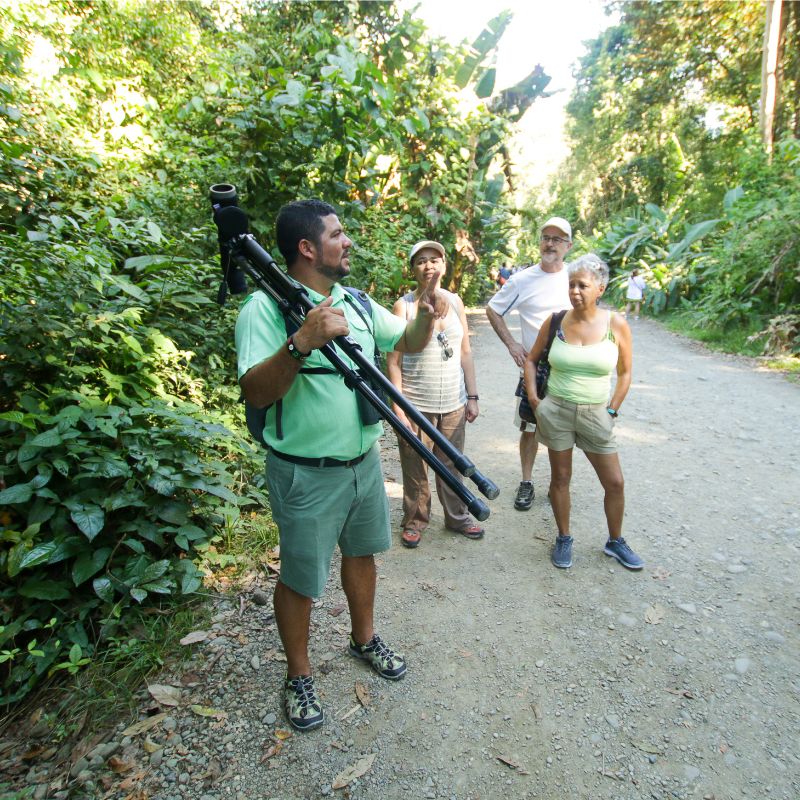
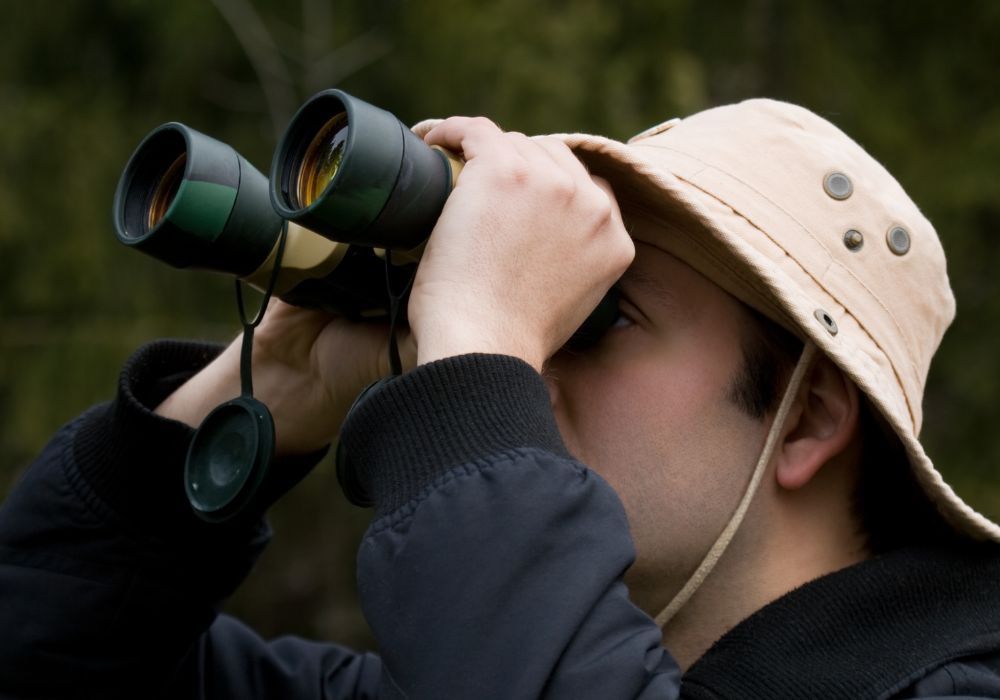
Your journey becomes educational and unforgettable thanks to the passionate experts guiding you. Tour guides are extremely knowledgeable and passionate, and usually they take optical gear that will allow you to see all the details in the wildlife.

Plus, by hiring a tour guide, you will also be supporting a family, which is one of the healthiest and most responsible travel practices.

Responsible Travel Practices

  1. Use Public Transportation:

Discover Costa Rica’s landscapes sustainably and authentically. Buses and shared rides reduce your carbon footprint and offer chances to connect with locals.

Sit next to a resident, share stories, and perhaps uncover a hidden gem not found in travel guides.

Responsible Travel Practices

  1. Carry Reusable Items:

Your reusable water bottle and shopping bag are more than travel accessories; they’re commitments to the planet.

Each use says “no” to waste and “yes” to a cleaner future. Small gestures, big impacts.

Responsible Travel Practices


You may also want to read: Sustainable Travel in Costa Rica: Three Decades of Change


  1. Dine at Organic Restaurants:

Savor meals that tell stories of local fields and sustainable farming. By choosing restaurants supporting farm-to-table, you delight your palate and strengthen a conscious production chain. Each dish is a celebration of the earth and farmers’ hard work.

Responsible Travel Practices

  1. Respect Local Culture:

The essence of travel lies in the connections we make. By interacting respectfully with local communities and supporting artisans, you value traditions and contribute to vibrant cultures. Let the exchange of smiles and stories enrich your journey.

Responsible Travel Practices

  1. Volunteer for Conservation:

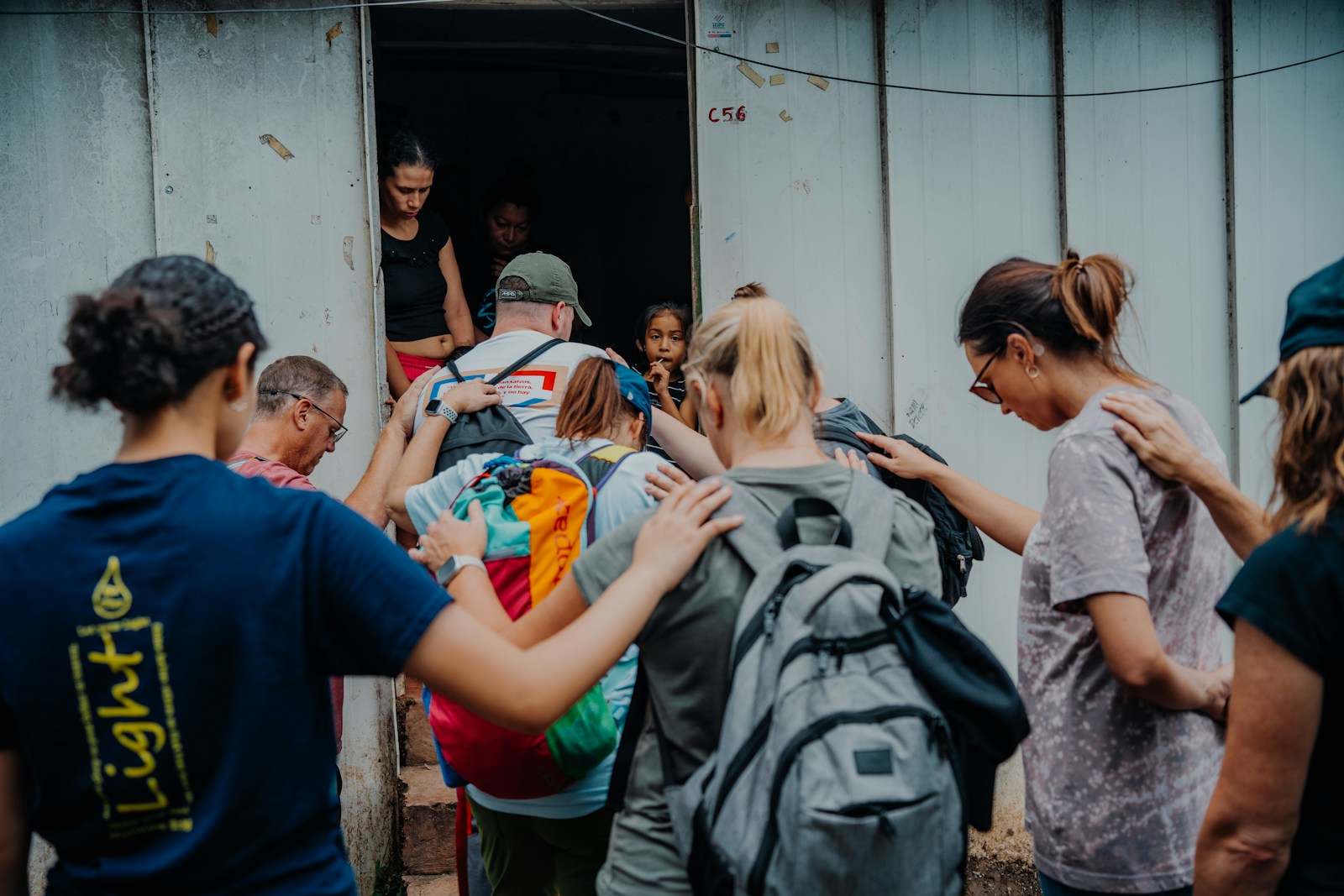
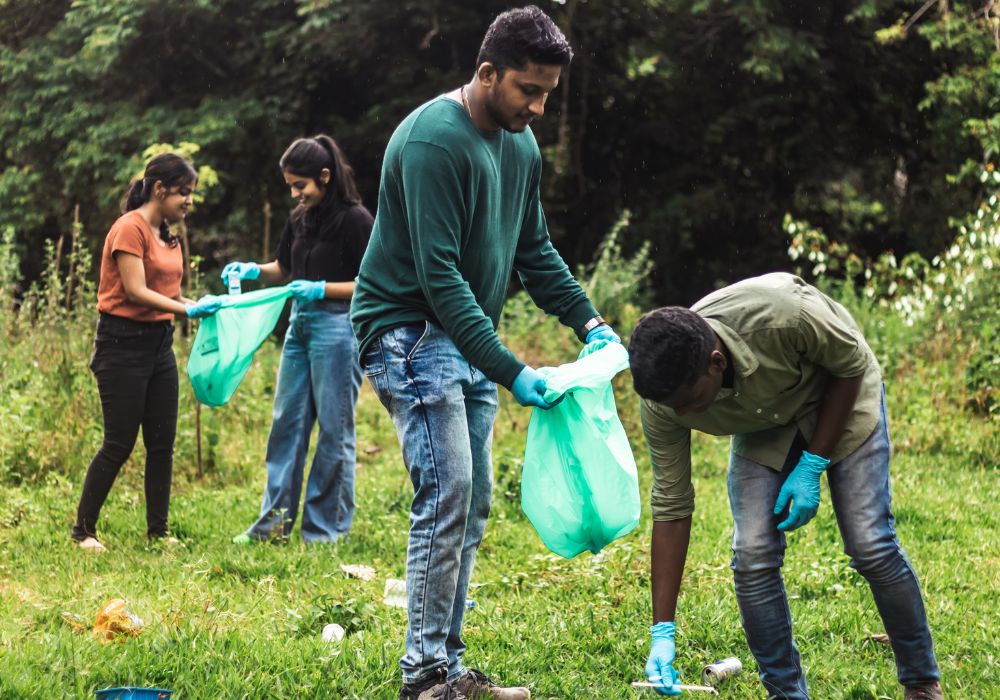
Roll up your sleeves and dive into activities that truly make a difference. Projects like beach clean-ups and wildlife rehabilitation are not just good deeds but opportunities to leave a positive mark on the world. By donating your time, you become a guardian of nature.

Responsible Travel Practices

  1. Visit National Parks:

Explore Costa Rica’s stunning national parks as a conscious explorer, adhering to park rules to help preserve these natural habitats. Each step you take is a pledge to protect the breathtaking beauty that surrounds you.

Responsible Travel Practices

  1. Learn About Sustainability:

Engage in educational programs about Costa Rica’s environmental initiatives. Deepen your understanding and appreciation for the efforts made to preserve this paradise. Knowledge is the key to becoming a more responsible traveler.

Responsible Travel Practices

  1. Support Renewable Energy:

Opt for activities and accommodations that utilize solar, wind, or hydroelectric power.

Your choices can drive the demand for cleaner energy solutions, making every adventure a step towards a sustainable future.

Responsible Travel Practices

  1. Minimize Waste:

Practice recycling and proper waste disposal throughout your stay. Every piece of trash sorted is a step towards preserving the pristine landscapes you came to enjoy.

Responsible Travel Practices

  1. Participate in Reforestation:

Join local reforestation initiatives by planting trees to combat deforestation. Your hands-on involvement helps restore ecosystems and leaves a lasting legacy for future generations.

Responsible Travel Practices

  1. Engage in Birdwatching:

Experience the joy of observing wildlife without disturbing their natural habitats. Birdwatching offers a serene connection to nature, where patience and silence reveal the wonders of avian life.

Responsible Travel Practices

  1. Avoid single-use plastics:

Support businesses that have banned single-use plastics, helping reduce environmental impact. Every plastic-free purchase is a vote for a healthier planet.

Responsible Travel Practices

  1. Choose Sustainable Vehicles:

Rent eco-friendly vehicles like hybrids or electric cars for your travel. Driving sustainably ensures that your journey is as gentle on the earth as the destinations you explore.

Responsible Travel Practices

  1. Purchase Carbon Offsets:

Offset your travel emissions through certified programs to help balance your carbon footprint. It’s a small investment in the planet’s future that makes a big difference.

Responsible Travel Practices

  1. Support Local economies: Buy local products and services to boost the community’s economy and enjoy authentic experiences. Your spending power can uplift lives and preserve cultural heritage.

Responsible Travel Practices

18. Stay on Trails:

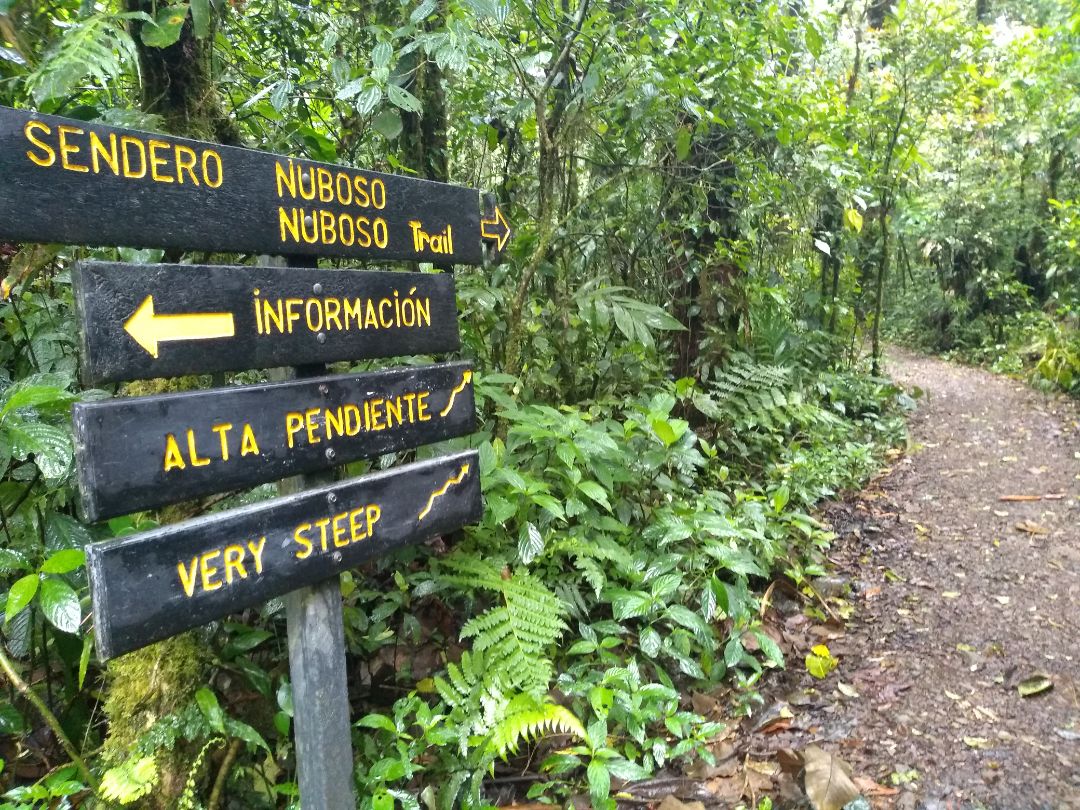
When you’re out hiking, it’s super important to stick to the marked trails. Not only does this help protect the vegetation around you, but it also keeps you safe from getting lost in the wild.

Responsible Travel Practices

Every step you take on these paths is like making a little promise to keep the natural beauty of Costa Rica intact. Plus, staying on the trails lets you enjoy the stunning views without trampling over delicate plants. So, lace up those hiking boots and let’s keep our trails pristine!

19. Avoid Wildlife Interactions

Seeing wildlife in its natural habitat is one of the coolest parts of traveling in Costa Rica. But it’s crucial to keep a respectful distance. Observing animals from afar and not feeding them helps maintain their natural behaviors and keeps them wild and free.


When we respect their space, we’re not just being good guests; we’re also ensuring that future travelers get to enjoy these amazing creatures just as we did. So grab your binoculars and enjoy the show from a distance!

20. Practice Water Conservation:

Water is a precious resource, especially in beautiful places like Costa Rica. You can do your part by taking shorter showers and reusing towels during your stay. Every little bit helps!

Think of it this way: each drop you save is a nod to the environment and a step towards sustainability. Plus, being mindful of water usage not only benefits nature but can also help you feel more connected to the amazing ecosystems around you. Let’s cherish our water!

21.Choose Eco-certified Tours:

When you’re planning your adventures, look for tours that have eco-certifications. These businesses are committed to sustainable practices, which means they’re doing their part to protect the environment while giving you a great experience.

Responsible Travel Practices

By choosing these tours, you’re supporting companies that prioritize the planet’s health over profits. It’s a win-win! You get to explore the beauty of Costa Rica while ensuring that your adventures are eco-friendly.

22. Engage in Cultural Exchanges:

Traveling is all about connecting with new places and people. Take the time to learn about and respect local traditions and customs during your visit. Meaningful interactions with locals can really enrich your experience and help foster mutual understanding.

Responsible Travel Practices

Whether it’s sharing a meal or learning a traditional craft, these exchanges create lasting memories and strengthen the bonds between cultures. So, don’t be shy—dive into the local scene!

23. Avoid Overcrowded Destinations:

While it’s tempting to hit all the popular spots, consider exploring some of the lesser-known areas instead.

Responsible Travel Practices

Not only will you find hidden gems, but you’ll also help reduce the pressure on those crowded attractions. Plus, venturing off the beaten path often leads to unexpected adventures and unique experiences. Your adventurous spirit can help protect beloved landmarks while allowing you to discover the quieter, more tranquil side of Costa Rica.

24. Use Biodegradable Products:

Making eco-friendly choices is easier than you think! Opt for biodegradable toiletries and cleaning products during your travels. These products break down naturally and have a much lower impact on the environment compared to traditional options.

Responsible Travel Practices

By choosing biodegradable items, you’re contributing to the health of our planet and ensuring that your footprint is as light as possible. It’s a small change that can make a big difference!

25. Participate in Sustainable Farming:

If you’re curious about where your food comes from, visiting organic farms is a fantastic way to learn about sustainable agriculture practices. People who are passionate about the land and the environment frequently run these farms.

Responsible Travel Practices

By supporting them, you’re not only enjoying fresh, local produce but also helping to promote farming methods that are good for the earth. Plus, it’s a great way to connect with the local community!

26. Educate Others:

As you learn about sustainable practices during your travels, don’t keep that knowledge to yourself! Share what you’ve learned with fellow travelers and inspire them to adopt responsible tourism habits.

Responsible Travel Practices

Your voice can spark change and encourage others to tread lightly on our planet. Whether it’s chatting with someone at a café or posting about your experiences online, every conversation counts. Let’s spread the word and make a positive impact together!

27. Support Conservation Projects

There are many organizations working hard to protect the natural wonders of Costa Rica, and they need our support! Consider donating your time or money to conservation projects focused on environmental protection. Whether it’s helping with beach clean-ups or supporting wildlife rehabilitation efforts, your contributions can make a real difference.

By getting involved, you’re not just a visitor; you’re becoming a guardian of the incredible ecosystems that make Costa Rica so special.


By incorporating these responsible travel practices into your Costa Rica adventure, you’ll not only help preserve this country’s breathtaking landscapes but also contribute to the global effort towards sustainability. Remember, every small action counts!

Responsible Travel Practices
Flying Macaws, by Olga Sáenz
Remember, I am not a travel agent, but I know the best for your needs! So, if you are planning to come to Costa Rica, let me know, and I will point you in the right direction.

And if you find yourself in San Jose downtown, feel free to stop by my studio downtown. Just send me a note or a WhatsApp message, and come visit!

Happy travels, and let’s make a difference together!

Sustainable Travel in Costa Rica: Three Decades of Change

Sustainable Travel in Costa Rica

Sustainable travel in Costa Rica is a remarkable tale of foresight, commitment, and transformation. Since the late 1980s, this small Central American nation has evolved from a hidden gem to a global leader in eco-tourism.

Sustainable Travel in Costa Rica

As a woman who began her career as a tour guide in 1989, I’ve had the privilege of witnessing this incredible evolution firsthand.

In the early days, Costa Rica was known for its stunning beaches and lush rainforests, but the concept of sustainable tourism was in its infancy. Many of today’s popular destinations were untouched, with minimal infrastructure. However, as global tourism boomed in the 1990s, Costa Rica faced a crucial decision: how to share its natural wonders with the world while preserving them for future generations.

The 1990s: Foundations of Sustainable Tourism

The transformation began in earnest during the 1990s. As tourism worldwide experienced unprecedented growth, Costa Rica emerged as a pioneer in sustainable practices. Leading day tours during this period revealed both the challenges and opportunities that lay ahead:

Sustainable Travel in Costa Rica

  1. Infrastructure Development

    • Early tourism relied on basic facilities
    • Gradual development of eco-lodges and sustainable accommodations
    • Integration of environmental considerations in construction
  2. Community Engagement

    • Local communities became active participants in tourism
    • Traditional fishing villages transformed into sustainable tourism hubs
    • Development of community-based tourism initiatives
  3. Conservation Priorities

    • Expansion of protected areas
    • Wildlife conservation programs
    • Habitat restoration projects

The country’s approach to tourism development wasn’t just about attracting visitors; it was about creating a model that would benefit both the environment and local communities. This vision led to groundbreaking initiatives that would shape the future of sustainable tourism worldwide.

Sustainable Travel in Costa Rica

Key Initiatives Shaping Sustainable Tourism

Costa Rica’s commitment to sustainable tourism is evident in several groundbreaking initiatives:

  1. Certification for Sustainable Tourism (CST)

    Launched in 1997, the CST program revolutionized how tourism businesses operate. The program evaluates:

    • Environmental impact
    • Community relations
    • Cultural preservation
    • Sustainable business practices
  2. Protected Areas Network

    • Over 25% of land under protection
    • Marine conservation areas
    • Biological corridors
    • Reforestation programs
  3. Community-Based Tourism

    • Local-run eco-lodges
    • Indigenous tourism initiatives
    • Rural tourism development
    • Fair trade practices
  4. Environmental Education

    • Guide certification programs
    • Visitor education initiatives
    • Community awareness programs
  5. Renewable Energy Integration

    • Nearly 100% renewable energy usage
    • Carbon neutrality goals
    • Sustainable transportation initiatives

These initiatives have transformed Costa Rica into a global model for sustainable tourism, demonstrating how environmental conservation and economic development can work hand in hand.

The Present and Future of Sustainable Tourism in Costa Rica

Today, Costa Rica stands as a beacon of sustainable tourism, but the journey is far from over. The country continues to innovate and adapt to new challenges:

  1. Balancing Growth and Conservation

    • Managing increased visitor numbers
    • Developing sustainable infrastructure
    • Preserving biodiversity hotspots
  2. Climate Change Adaptation

    • Coastal management strategies
    • Resilient tourism planning
    • Carbon-neutral tourism initiatives
  3. Technology Integration

    • Digital tools for conservation
    • Virtual tourism experiences
    • Sustainable tourism apps
  4. Community Empowerment

    • Expanding local tourism enterprises
    • Skills development programs
    • Fair distribution of tourism benefits
  5. Global Leadership

    • Sharing best practices internationally
    • Hosting sustainable tourism conferences
    • Collaborative research initiatives

The future of sustainable travel in Costa Rica looks promising, with continued focus on innovation, community involvement, and environmental stewardship.

As the country moves forward, it remains committed to its core principle: that tourism can be a force for positive change, benefiting both visitors and local communities while preserving the natural wonders that make Costa Rica unique.

For those planning a visit, remember that sustainable tourism is not just about where you go, but how you travel. By choosing certified eco-lodges, participating in community-based tours, and respecting local environments and cultures, you become part of Costa Rica’s ongoing commitment to sustainable tourism.

¡Pura vida, and may your travels in Costa Rica be as enriching for the local communities and environment as they are for you!

Costa Rica SJO Airport Travel Essentials: A gateway to paradise

Costa Rica SJO Airport

As Costa Rica gears up for its high tourist season from late November through April, Juan Santamaría International Airport (Costa Rica SJO Airport ) stands ready to welcome travelers eager to explore the country’s breathtaking landscapes, vibrant culture, and rich biodiversity.

Costa Rica SJO Airport

Listen to this article!

Located just outside the capital city of San José, Juan Santamaría International Airport (Costa Rica SJO Airport)  serves as the primary international gateway for tourists heading to popular destinations such as Arenal Volcano, Manuel Antonio, Liberia, and the South Caribbean region.

Preparing for High Season at SJO Airport

Aeris, the operator of Costa Rica SJO International Airport, has implemented a comprehensive plan to manage the anticipated surge in visitors. With over 1,600 additional commercial flights scheduled compared to last year, SJO is enhancing its infrastructure and services to ensure a smooth travel experience.

Álvaro Arguedas, Operations Manager at Aeris, emphasizes the airport’s commitment to efficiency and customer satisfaction: “We are closely coordinating with government agencies to ensure we have the necessary resources to meet this demand.”

To facilitate quicker transit times, SJO International Airport plans to install automated kiosks that will guide visitors through the terminal, streamlining check-in processes and significantly reducing congestion during peak hours.

Costa Rica SJO Airport

Security improvements include increasing the number of non-intrusive scanners to expedite passenger checks, ensuring a more efficient arrival experience.

 SJO Airport Arrival Procedure

Arriving in Costa Rica SJO Airport

After landing at Costa Rica’s SJO international airport, you’ll walk through a series of hallways before lining up for immigration. Depending on your gate, you may need to go down stairs or escalators to reach the lower level of the airport, but an elevator is also available for those who need assistance.

Costa Rica SJO Airport

Note: If you’re connecting to another flight, you’ll be directed to a separate area with a different process to ensure a smooth transition.

Immigration

The immigration line at the International SJO Costa Rica Airport can be notoriously long, sometimes taking up to an hour, while at other times, it may only take around 20 minutes.

Once at the front, an immigration official will ask for your passport and onward travel documents. As a foreigner, you can receive a maximum 180-day tourist visa, so be prepared to show proof of your exit within that timeframe.

After processing, the official will stamp your passport and note the duration of your visa. Always double-check this number before proceeding to avoid any issues.

Priority Line: If you’re traveling with young children or have mobility issues, look for airport staff who can help you access a priority line for faster processing.

Costa Rica SJO Airport

 Baggage Claim and Duty-Free Shops

After immigration, your next stop is baggage claim. On the way, you’ll pass a duty-free shop and a money exchange desk. Note that there’s a smaller duty-free shop closer to baggage claim, which is often less busy.

In SJO Costa Rica Airport, duty-free prices for items like wine and alcohol can be quite favorable, so consider stopping here if you plan to purchase these items during your trip.


SJO Costa Rica Airport


The currency in Costa Rica, the Costa Rican colón, can fluctuate frequently due to various economic factors, which is why exchange booths may offer varying rates. It’s often advisable to wait for a bank to exchange your money, as they typically provide more favorable rates and lower fees.

SJO Costa Rica Airport
Image From:Fernanda, Ma. (2019). Banknotes and Coins Circulating banknotes. Retrieved November 8, 2024, from Bccr.fi.cr website: https://www.bccr.fi.cr/en/banknotes-coins/circulating-banknotes

If you feel the need to exchange cash, my recommendation would be to limit the amount to a maximum of $50 to colones. In tourist areas, you’ll find that U.S. dollars are widely accepted, so you might not encounter any issues using them for purchases. This approach allows you to minimize losses from unfavorable exchange rates while still having access to local currency when necessary.

In the baggage claim area, you’ll find circular conveyor belts for your luggage, with free carts available nearby. Porters are also on hand to assist with your bags for tips. (The tip goes from $1 to $2 per bag)

 Cell Phone SIM Card

Purchasing a SIM card at Costa Rica SJO Airport can be tricky. While a Kolbi desk (the largest local provider) previously operated near baggage claim, it has since closed.

Fernanda, Ma. (2019). Banknotes and Coins Circulating banknotes. Retrieved November 8, 2024, from Bccr.fi.cr website: https://www.bccr.fi.cr/en/banknotes-coins/circulating-banknotes ‌

You may find a Claro desk, another local provider, but availability can vary.

If you can’t find a SIM card at SJO Costa Rica Airport, you can easily purchase one at a retail store after you leave—just search “Kolbi” on Google Maps for nearby locations.

Kolbi is a state company and the one with more signal coverage. Although Tigo, Claro and Moviestar are quite efficient too. 

 Customs

After collecting your luggage, the final step is customs. Unless you’re declaring a large sum of money, traveling with animals, or carrying agricultural products, you won’t need to fill out a customs form.

At the customs checkpoint, your luggage will go through a scanner.

Customs officials typically focus on the monitor and may not engage unless they see something unusual.

Exiting Costa Rica SJO Airport

Once you clear customs, it’s a short walk to the exit doors of SJO Costa Rica Airport.

Before you exit, you’ll find rental car desks on the left and a taxi representative on the right. The area outside SJO Airport has been redesigned for better flow, making it less chaotic than before. However, it can still be busy, so be prepared for some activity as you exit.


Costa Rica SJO Airport

Transportation Choices from Costa Rica SJO Airport

Taxis: readily available and convenient for direct transfers. Official airport taxis are orange with a yellow medallion, ensuring you choose a licensed service.

Rental Cars: Several rental offices are located nearby; it’s recommended to reserve in advance for the best options.

Public Buses: budget-friendly but can be uncomfortable and time-consuming, especially if you’re unfamiliar with the routes.

Costa Rica SJO Airport

Ubers: Available around the airport for a more comfortable ride, providing flexibility and convenience.

Private Transfers: Highly recommended for convenience unless your hotel offers a shuttle service, ensuring a stress-free journey to your destination.


 Special Assistance Services at SJO Airport

For passengers requiring special assistance, SJO Airport offers services such as authorized porters, wheelchairs, and lifts. AERIS personnel are available at information booths to guide passengers through the airport, ensuring everyone has a comfortable experience.

Baggage Protection Services

To safeguard your belongings, consider using Secure Wrap, a leading baggage protection service. Their services can provide peace of mind as you travel through SJO Airport and beyond, ensuring your luggage is secure during your adventures.

Parking at SJO Airport

If you require parking service, SJO Airport has parking for approximately 400 vehicles on two levels, operating 24/7. The upper level (uncovered) is recommended for departing passengers, while the lower level (covered) is for arriving passengers. Facilities for people with reduced mobility are available, including ramps and elevators.

Costa Rica SJO Airport

Know What to Do in Case of Long Layovers

Passengers whose connection at SJO Airport exceeds 6 hours may leave the International Terminal, complying with the documentation required by the Dirección General de Migración y Extranjería (General Directorate of Immigration and Foreigners).

For more specific information about transit visas, it is advisable to consult with your airline.

 In Case of Lost Baggage

If your baggage is lost during your flight, immediately contact the customer service department of the airline that operated your last flight.

They will guide you through the necessary steps to locate your luggage.

Costa Rica SJO Airport

Carry-On Baggage Restrictions

Be aware of items that have restrictions for transport in carry-on baggage to avoid complications at security. Familiarize yourself with TSA regulations or your airline’s guidelines to ensure a smooth passage through security checks.

Key Destinations from SJO Costa Rica Airport

After navigating SJO Airport, the Central Valley offers a wealth of attractions. Here are some highlights you won’t want to miss:

 Arenal Volcano

Approximately 3 hours from SJO Airport, it’s best to travel during daylight hours due to fog and winding roads.

Arenal Volcano, well-known for its stunning cone shape and encircled by verdant rainforests and hot springs, is a top destination for both adventurers and nature lovers. It’s crucial to plan your trip during daylight hours to avoid the risks associated with nighttime travel, especially if you plan to hike or explore the area.

 Manuel Antonio

About 3 hours away, this destination is perfect for stunning beaches and national parks.

Known for its beautiful national park, Manuel Antonio is a must-visit for its stunning beaches and diverse wildlife. The journey from SJO Airport takes about 2.5 hours, making it a great option for a day trip or longer stay. Enjoy hiking trails, pristine beaches, and the chance to spot monkeys, sloths, and a variety of bird species.

Costa Rica SJO Airport

Liberia

Located about 5 hours from SJO Airport, Liberia serves as a great base for exploring the Guanacaste region.

As the capital of Guanacaste, Liberia is a gateway to some of Costa Rica’s best beaches and national parks. With a drive of approximately 5 hours from SJO Airport, it’s an ideal base for exploring the northern Pacific region.

Don’t miss the chance to visit nearby attractions like Rincon de la Vieja National Park and the stunning beaches of Playa del Coco.

South Caribbean Region

Expect a journey of around 4-5  hours, depending on your exact destination, with beautiful coastal views along the way.

This area, known for its vibrant culture and stunning beaches, is about 4 to 5 hours from SJO Airport. Destinations like Puerto Viejo and Cahuita offer a unique blend of relaxation and adventure, with opportunities for snorkeling, surfing, and experiencing the rich Afro-Caribbean culture.

Conclusion:

As Juan Santamaría International Airport prepares for the busy high season, travelers can look forward to a seamless arrival experience.

With improved facilities and services, SJO Airport is more than just a transit point; it’s the gateway to an adventure-filled vacation in Costa Rica. By planning ahead and utilizing the available resources, such as transportation options and local tour operators, you can maximize your time exploring the stunning landscapes and vibrant culture of this beautiful country.

So pack your bags, keep these SJO Airport travel essentials in mind, and get ready to experience the wonders of Costa Rica, starting from the moment you land at SJO Airport!

If you have any questions, don’t hesitate to contact me via WhatsApp in this website

References:

Bermeo, A. (2024). Aeropuerto Internacional Juan Santamaría. Retrieved November 8, 2024, from Sjoairport.com website: https://www.sjoairport.com/?lang=en

‌Times, T. (2024, November 7). Costa Rica’s Juan Santamaria Airport Gears Up for High Season. Retrieved November 8, 2024, from The Tico Times | Costa Rica News | Travel | Real Estate website: https://ticotimes.net/2024/11/07/costa-ricas-juan-santamaria-airport-gears-up-for-high-season

Disclaimer: Copyright protects all of the content and text provided here. Any copying or reproduction of this material is strictly prohibited without prior written permission. For permission requests, please contact the author at writer@olgasaenz.com. Thank you for your understanding.