All Colors: An Amazing Art Retreat in Costa Rica

Art Retreat in Costa Rica

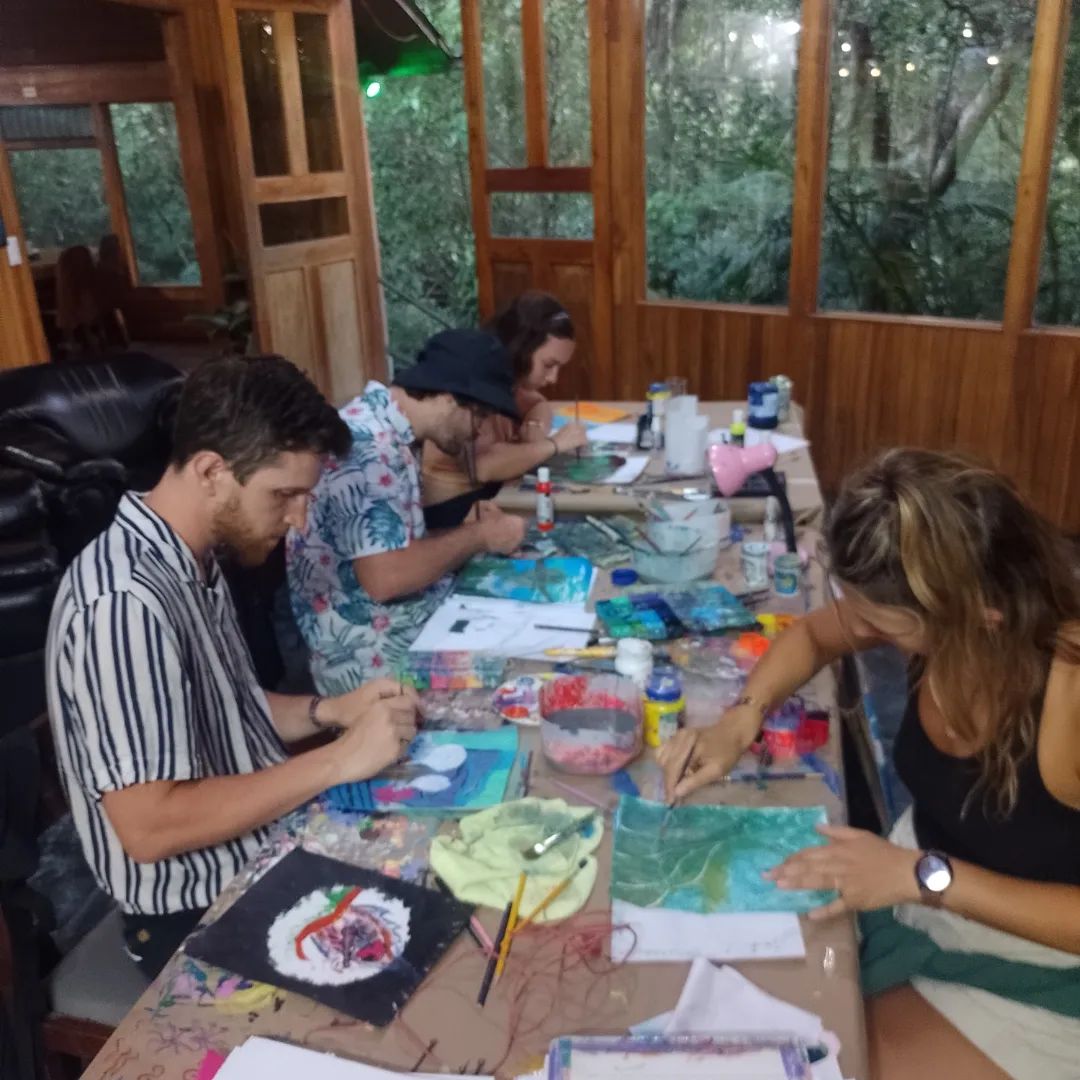
Olga Saenz, a naturalist and artist, is leading a 9-day art retreat in Costa Rica that encourages participants to disconnect from technology and engage with nature through creative workshops and mindfulness exercises.

Set in Arenal, Monteverde, and Manuel Antonio, the journey is designed to harmonize inner energy centers and foster personal expression. Ideal for those seeking rejuvenation, the retreat offers an inspiring escape into art and nature.

Art retreat in Costa Rica

In a world filled with constant connectivity, screens, and the pressures of daily life, finding moments to step back and reconnect with us has become more important than ever. There is immense value in slowing down, setting aside digital distractions, and diving deeply into the beauty and creativity of life itself.

Our 9-day Inner Being and Art Retreat offers an inspiring journey through Costa Rica’s stunning natural landscapes and invites you to explore inner peace, balance, and creative expression.

Leading the way on this adventure is Olga Saenz, a former naturalist tour guide and renowned artist, whose deep connection with nature shines through in her art and teaching. With her unique background, Olga blends her love for Costa Rica’s biodiversity with a passion for creative exploration, guiding you through a series of transformative workshops designed to reconnect you with your creative self.

Art Retreat in Costa Rica

Each session is carefully crafted to align with the body’s energy centers, drawing on themes from Costa Rica’s vibrant ecosystems and encouraging you to create art that resonates with your deepest experiences and aspirations.

This art retreat in Costa Rica is designed for a small, intimate group (minimum 4 participants), allowing for meaningful interactions, personalized guidance, and a nurturing community of like-minded individuals.

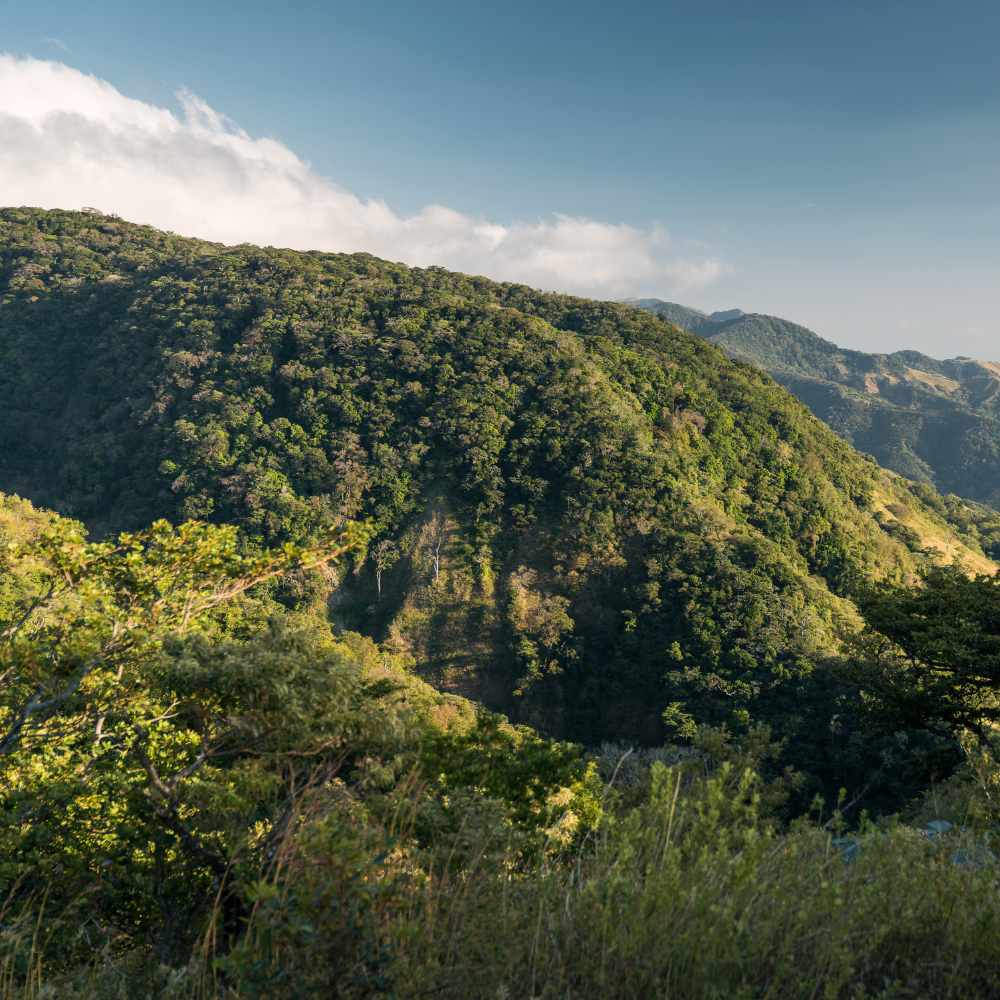
You’ll explore the rich landscapes of Arenal, Monteverde, and Manuel Antonio, engage in moments of reflection and creative sessions, and return home feeling refreshed, inspired, and reconnected with your natural rhythm.

Join us on this journey to awaken your inner artist, connect with nature, and cultivate mindfulness in the heart of Costa Rica. Sign up today to reserve your place on this transformative adventure!

Day 1: Arrival at Juan Santamaria International Airport (SJO)

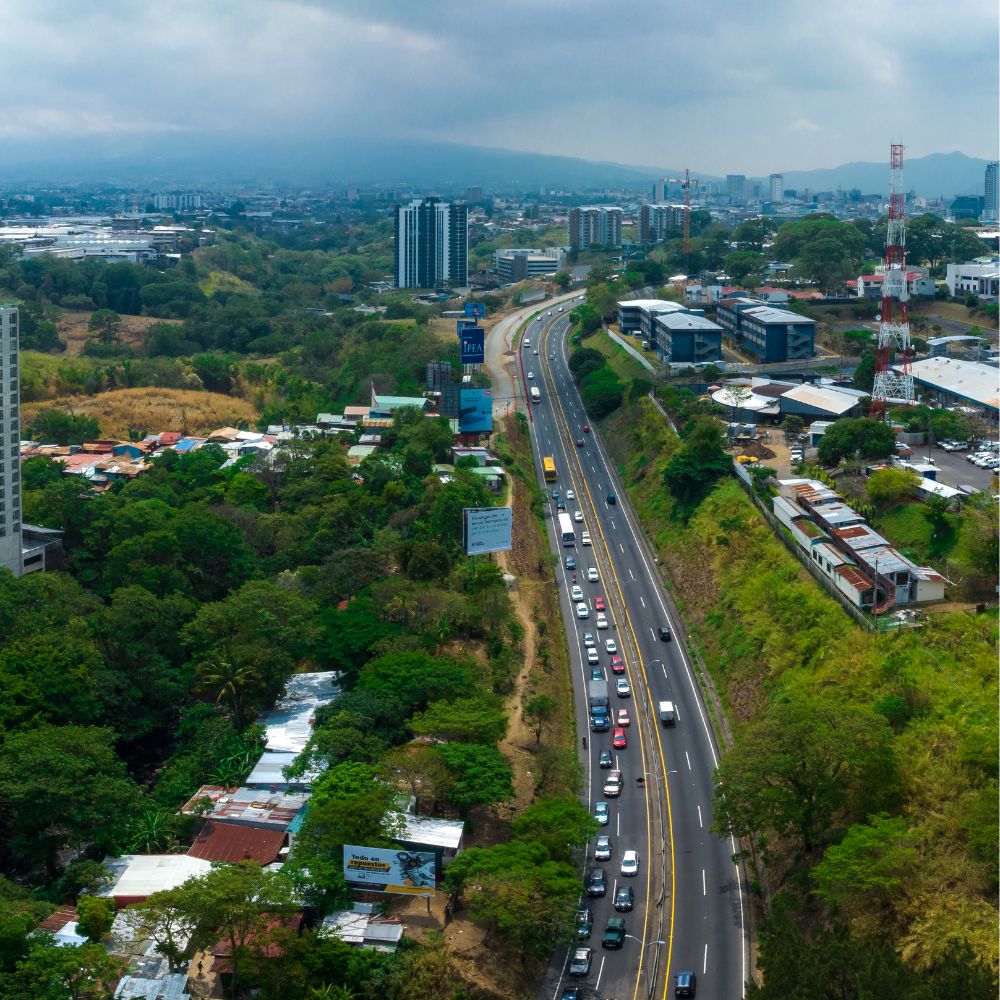
Arrive in beautiful Costa Rica at Juan Santamaria International Airport, where our warm and welcoming team will greet you and assist with your transfer to a comfortable hotel in San José. Once settled in, join a guided walking tour through the heart of the city, a chance to immerse in San José’s vibrant streets and cultural spots, connecting with its energy and creative pulse.

The tour will culminate in the Art and Peace Studio, where a welcome briefing will introduce you to the journey ahead, setting a tone of exploration and inner growth. After the briefing, return to the hotel for a delightful welcome dinner.

Here, you’ll meet fellow participants in this art retreat in Costa Rica and engage in a grounding meditation to center yourself, preparing to embrace the coming days with a sense of peace and openness.

Art Retreat in Costa Rica


Day 2: Muladhara, the Root Chakra (Red Color)

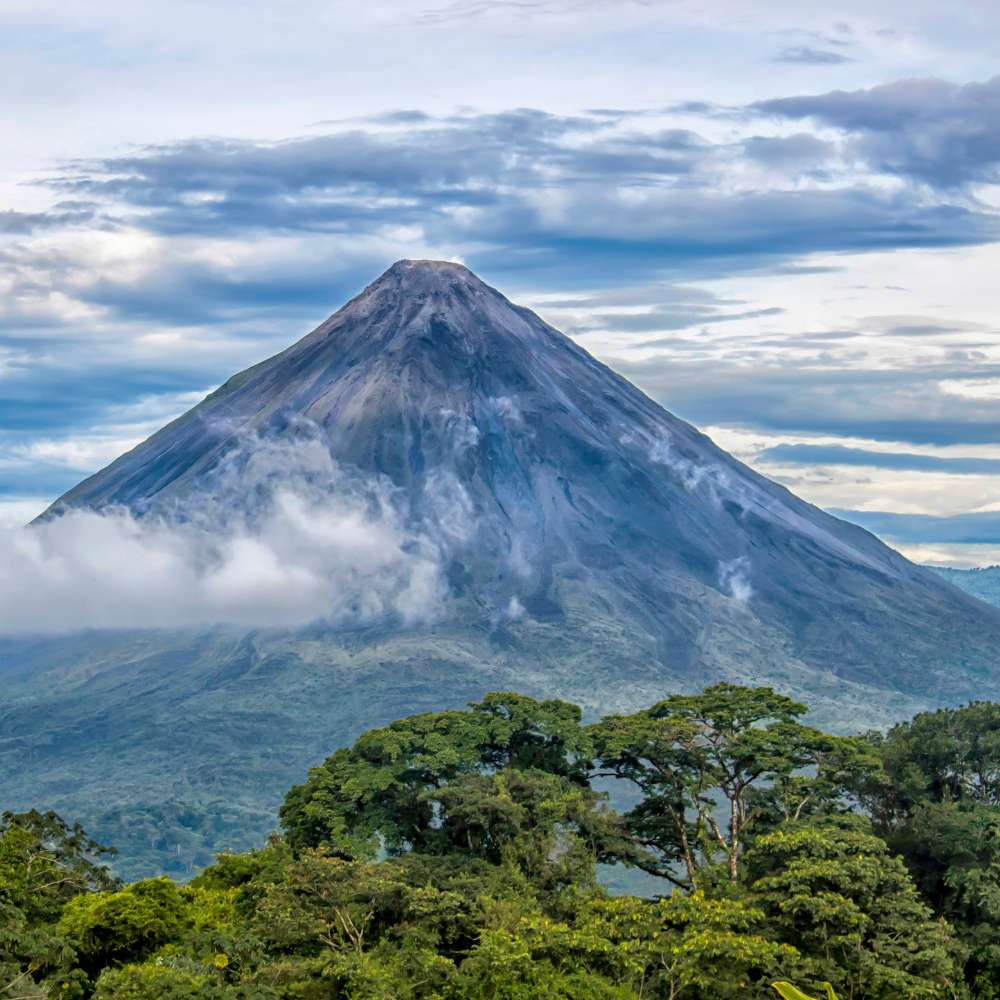
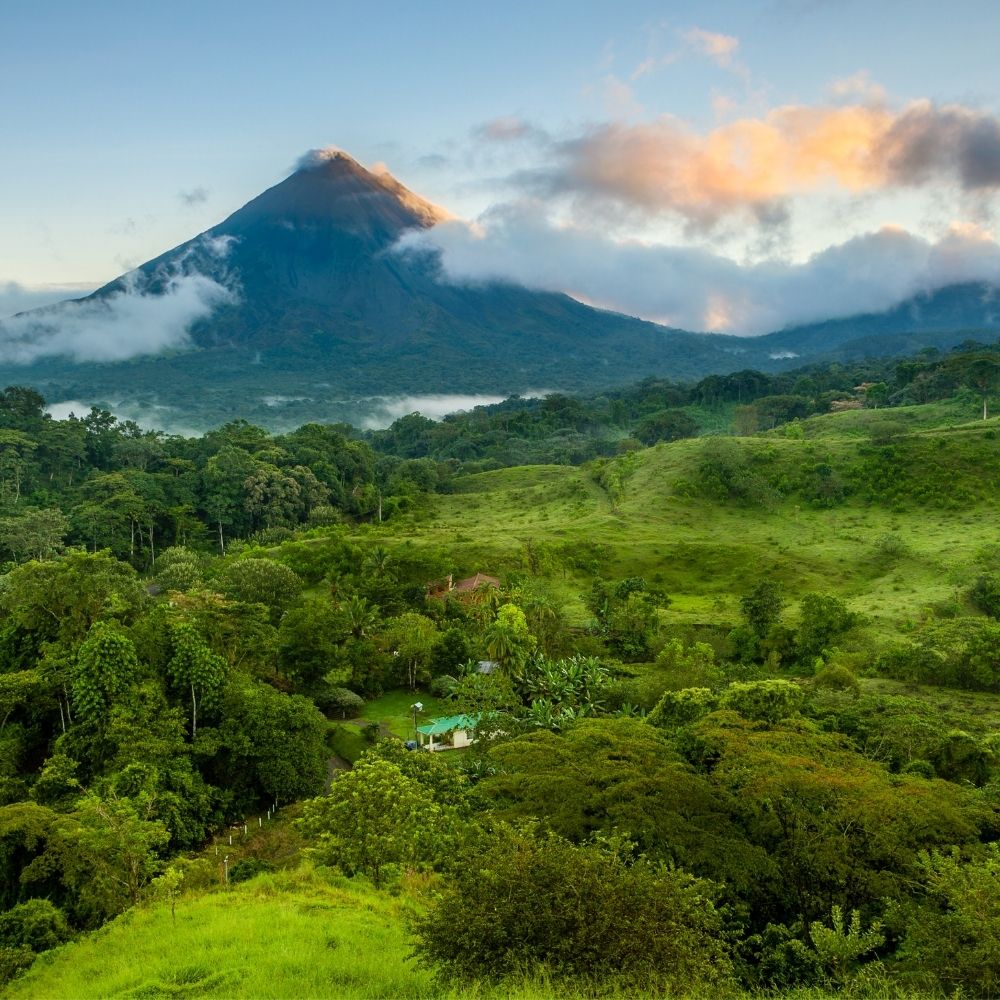
Begin the day with a session in silence and expression to foster a sense of grounded presence and connection. After breakfast, embark on a scenic journey to Arenal, arriving at Hotel Manoa, beautifully nestled in lush rainforest surroundings with views of the majestic Arenal Volcano.

The afternoon will be spent hiking in Arenal Volcano National Park, where you’ll explore diverse landscapes and feel the vibrant, grounding energy of the earth. Amid volcanic craters, flourishing flora, and natural beauty, this hike will help you connect deeply with the foundational energy of the root chakra.

Enjoy dinner at the hotel and then join Olga Saenz for the Red Color Workshop, where you’ll express the raw power of the root chakra and the grounding energy of Arenal’s landscapes through your artwork by channeling the themes of dawn, dusk, red earth, and fire.

Art Retreat in Costa RIca

Day 3: Svadisthana, the Sacral Chakra (Orange Color)

The morning begins with a peaceful silence and expression session, encouraging you to open up to creativity and change. After a nourishing breakfast, embark on a river tubing adventure down the thrilling Balsa River, with its Class II and III rapids providing excitement and vitality.

Embrace the invigorating energy of the water as it energizes your sacral chakra. Then, enjoy a horseback ride along scenic trails, returning to the hotel where you can unwind and soak up the serene atmosphere.

Art workshops inspired by nature

Later, explore your creative side in an Orange Color Creative Session with painting, music, and clay sculpting, inspired by the flowing energy of the sacral chakra. Experiment with shades of red, orange, and yellow as you delve into the energies of fluidity and passion, finishing the day with a delicious dinner at the hotel.


Day 4: Manipura, the Solar Plexus Chakra (Yellow Color)

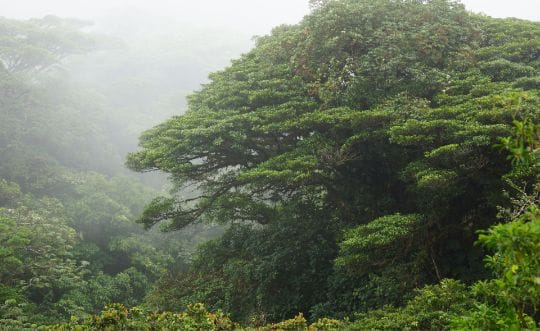
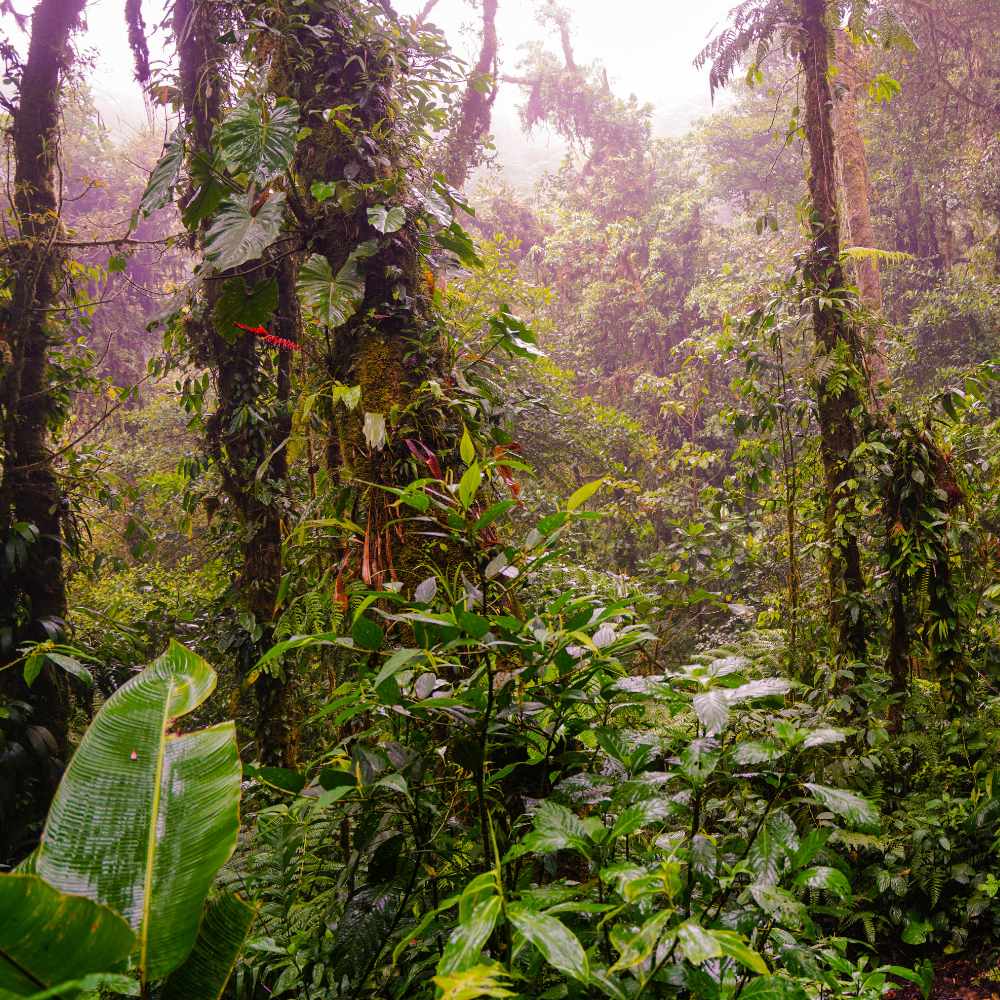
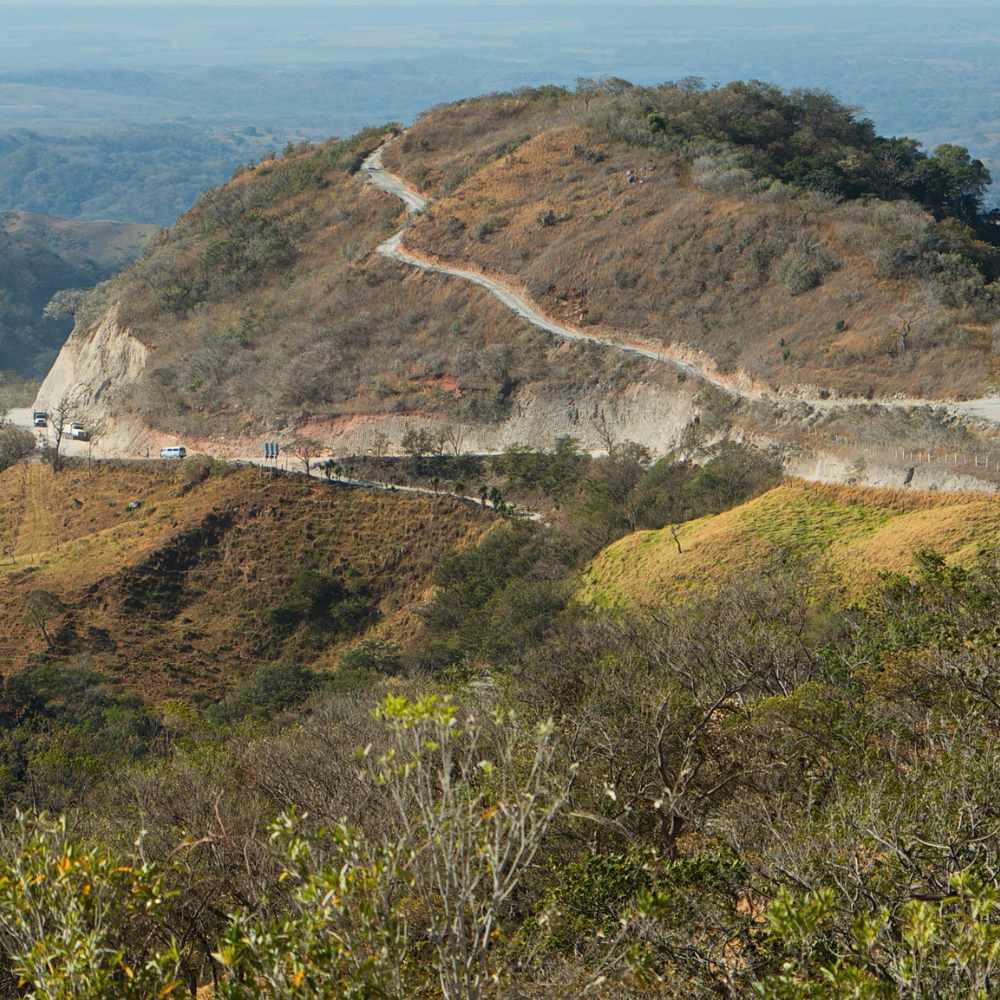
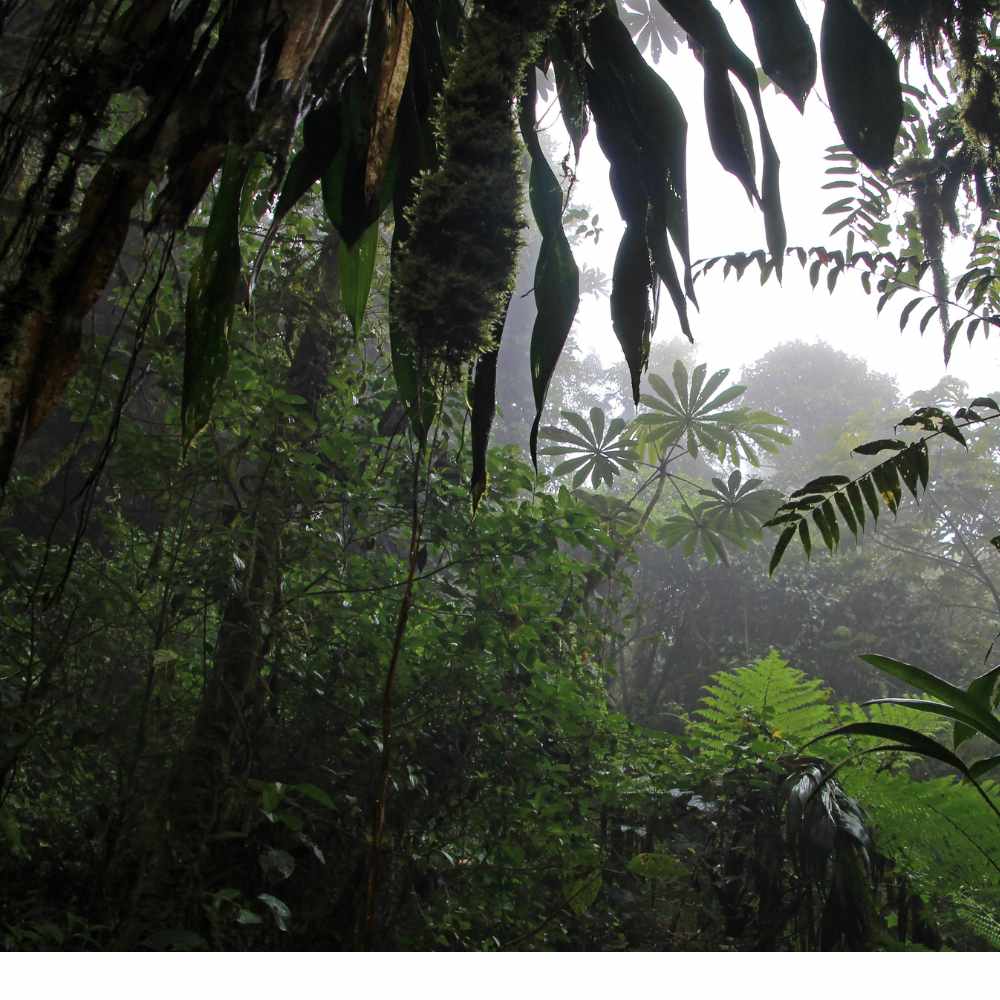
After a morning of silent reflection and expression focused on inner strength and personal power, enjoy breakfast and set off for Monteverde. Travel through mountainous terrain to reach Fonda Vela or Trapp Family Lodge, which are both encircled by the ethereal allure of Monteverde’s cloud forest.

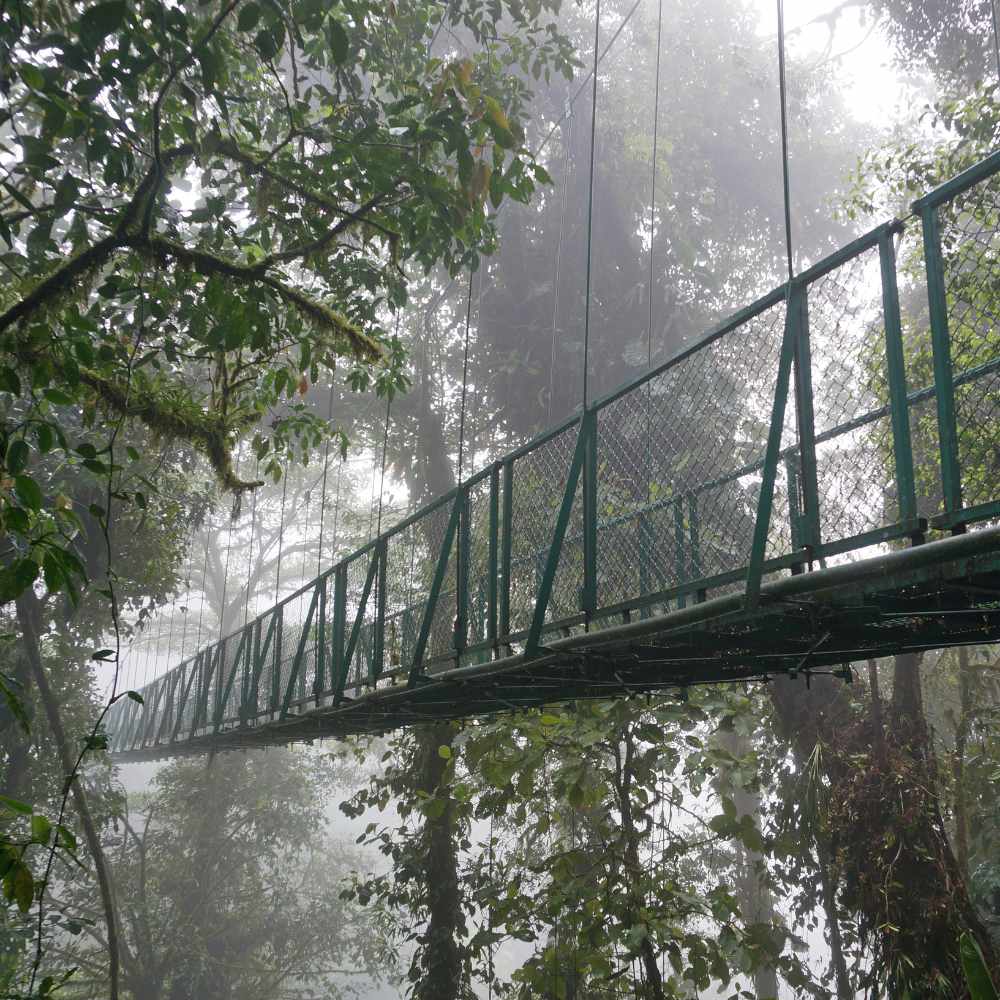
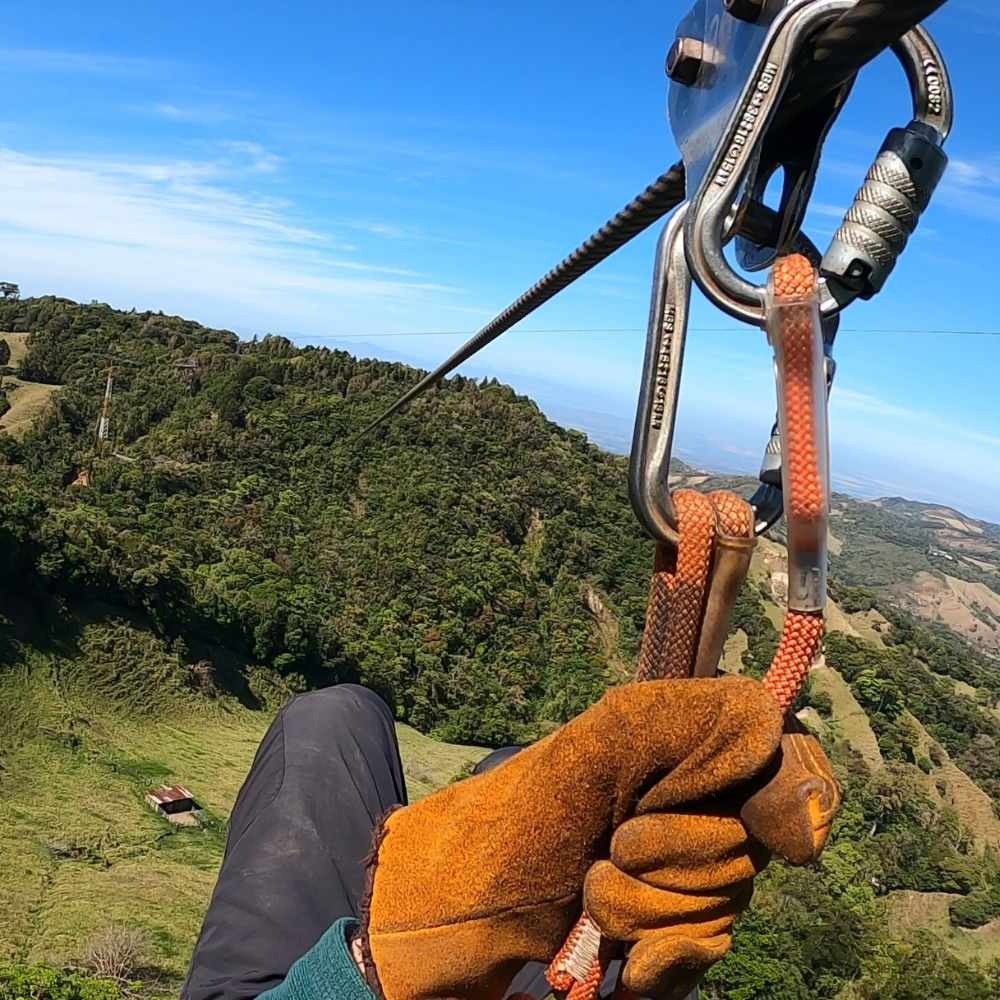
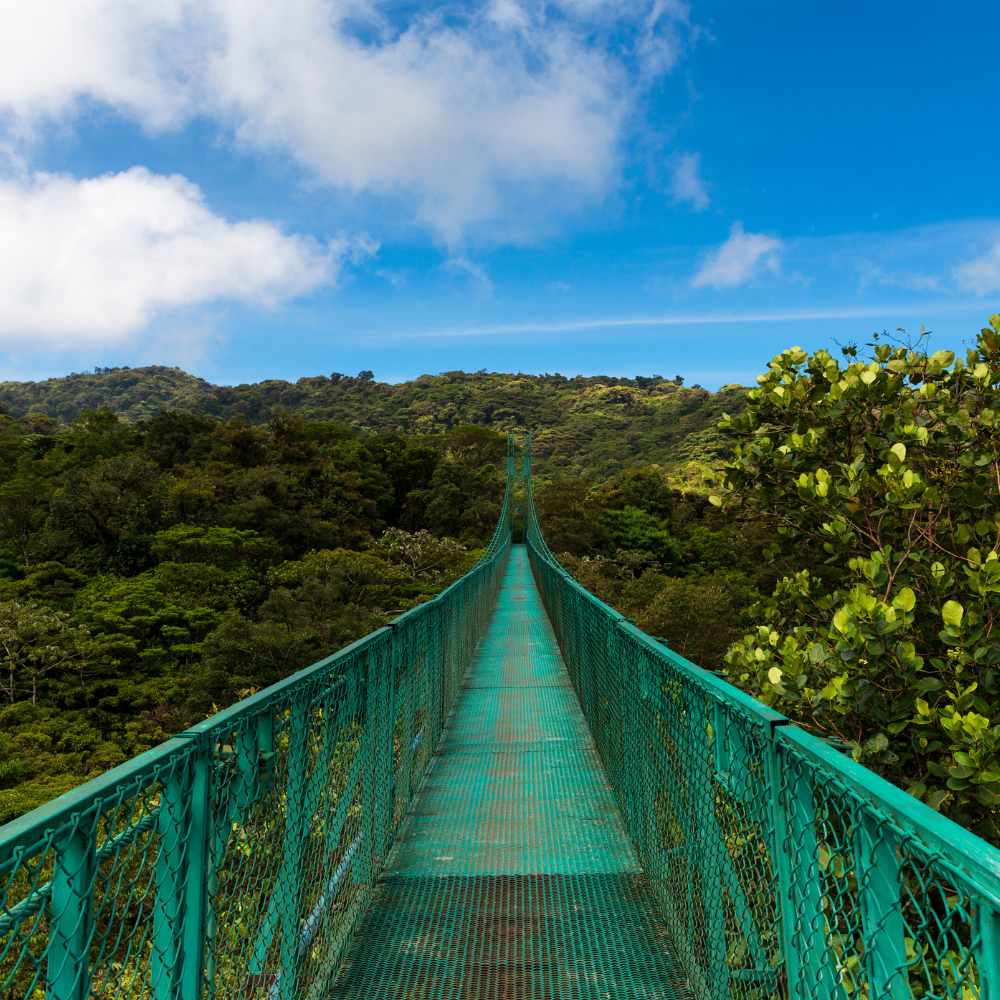
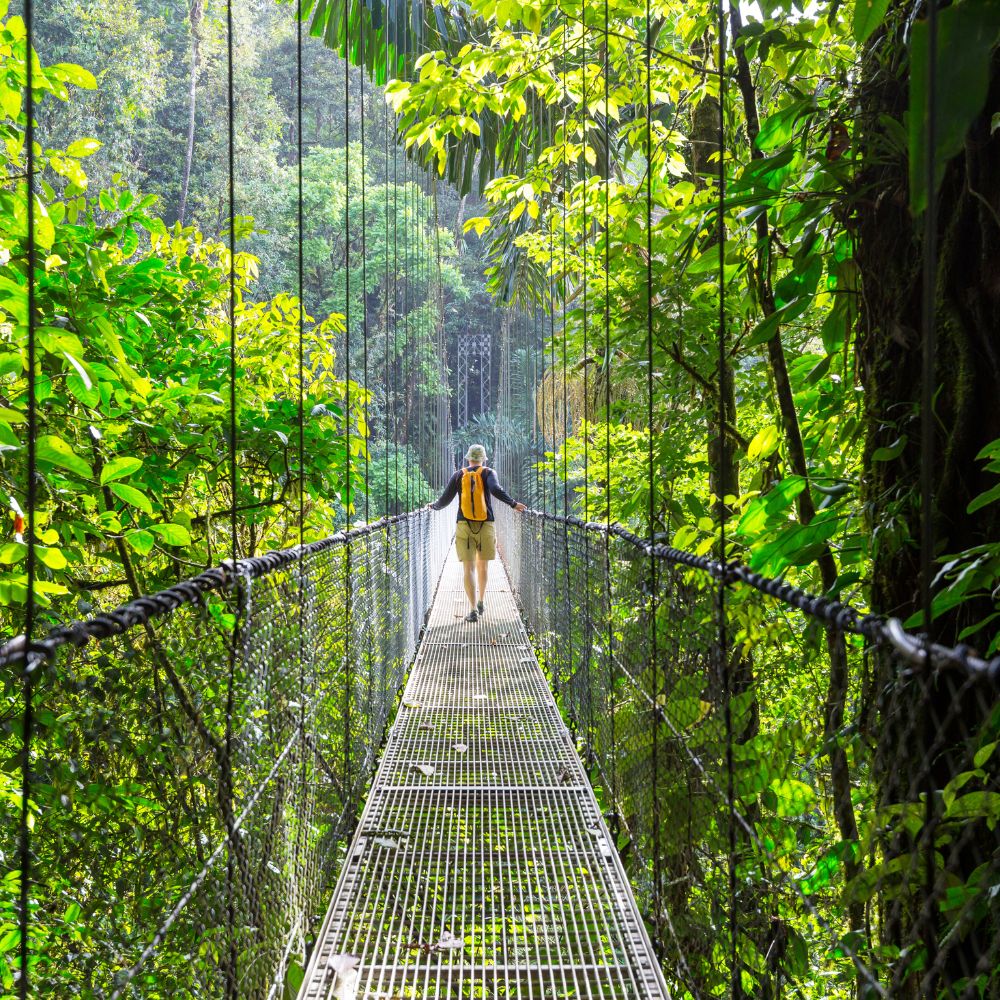
The afternoon invites you to face new heights with a walk on the hanging bridges or an exhilarating ziplining experience through Selvatura’s canopies. Embracing courage and strength as you move through the forest’s lofty paths, feel your confidence grow.

A walk by the garde | Costa Rica in the rainy season
A walk by the garden | Costa Rica in the rainy season

In the evening, a Yellow Color Workshop with Olga Saenz awaits, centered on the empowering themes of Mars, blazing fire, and sunlight. Through art, explore and express the powerful, radiant energy of the solar plexus chakra, concluding with a comforting dinner at the lodge.

Day 5: Anahata, the Heart Chakra (Green Color)

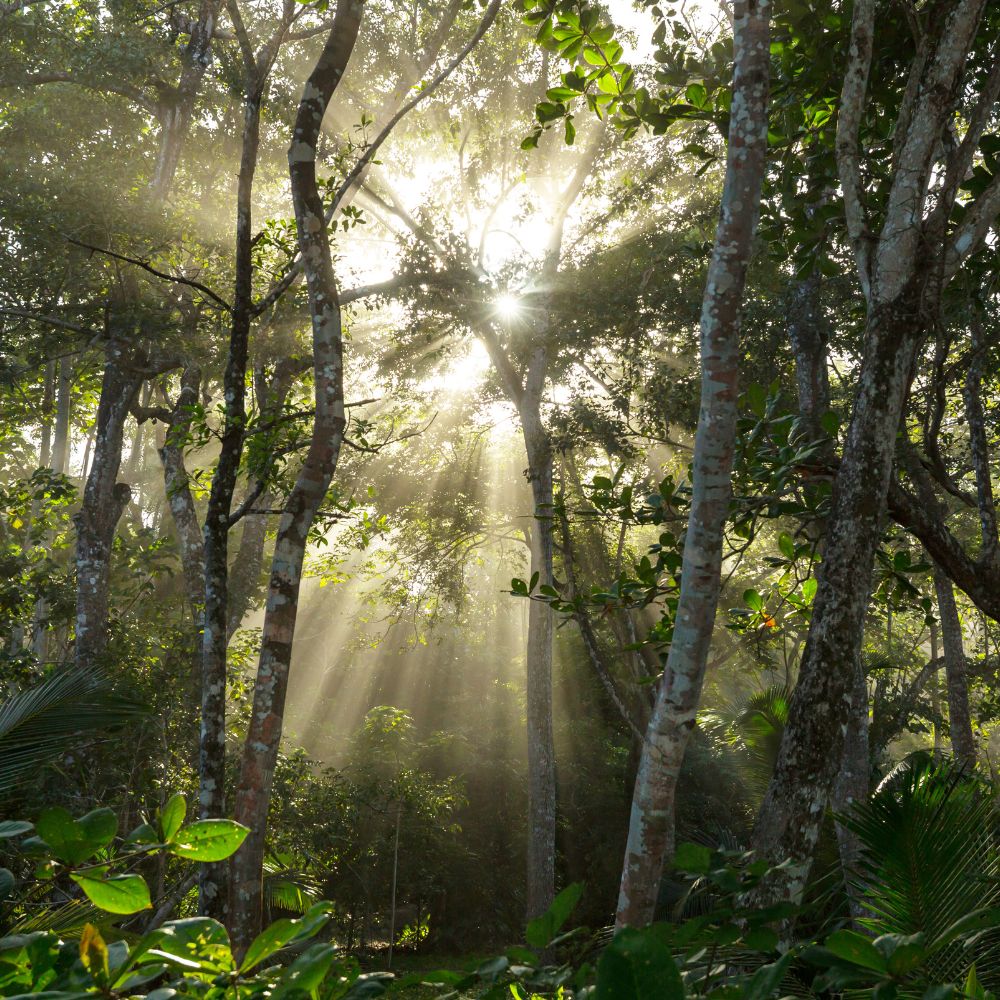
This day begins with silent reflection at sunrise on the Santa Elena platform (weather permitting), a time to connect with the heart’s energy in harmony with nature. Following breakfast, take a mindful hike along the Shinrin Yoku trail, experiencing the tranquility of the cloud forest and absorbing the calming, healing energy of the green surroundings.

Art Retreat in Costa RIca

At midday, visit a nearby organic farm where you’ll harvest fresh vegetables and enjoy a nourishing lunch prepared with love.

The afternoon is open for personal exploration, relaxation, or an optional night tour of the forest. In the evening, join the Green Color Workshop with Olga Saenz, focusing on love, compassion, and forgiveness. Through shades of green, express the serene, balanced energy of the heart chakra before ending the day with a hearty dinner at the lodge.

Day 6: Vishuddi, the Throat Chakra (Blue Color)

Embrace the morning with silent reflection and self-expression, focusing on the themes of truth and openness. After breakfast, depart for Manuel Antonio, a tropical haven where you’ll check in at Sambada Hotel, located just a short walk from the beach.

Art Workshops Inspired By nature
Cahuita – 90×70 cm

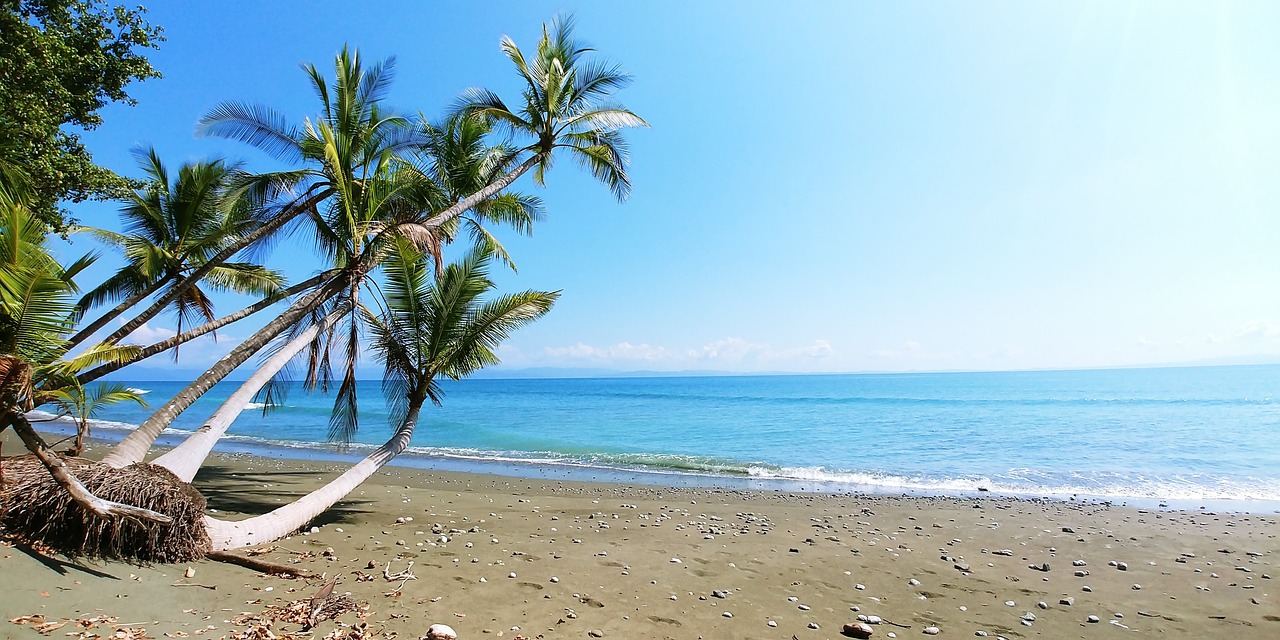
This afternoon is yours to unwind by the beach, swim, or simply relax. At sunset, join a serene meditation to deepen your connection to the ocean’s vastness, grounding in the throat chakra’s essence.

Later, enjoy a dinner on your own before gathering for the Blue Color Workshop with Olga Saenz. In this workshop, you’ll explore themes of communication, expressing your personal truths and emotions through art as you align with the energy of the throat chakra.

Art Retreat in Costa RIca

Day 7: Ajna, the Third Eye Chakra (Indigo Color)

In the morning, practice silent introspection to attune to your intuition, followed by a soothing breakfast. Midday brings a paddleboarding experience through the peaceful mangroves, where you’ll cultivate balance and reflect on your inner vision.

Afterward, enjoy lunch on your own and prepare for an exciting snorkeling excursion in the Pacific waters. While diving into the marine world, let yourself connect to the mysterious, tranquil essence of the third eye chakra.

In the evening, join the Indigo Color Workshop with Olga Saenz, where you’ll explore intuition, inner vision, and spiritual insight through artistic expression, followed by dinner on board or at the hotel.

Art Retreat in Costa RIca

Day 8: Sahasrara, the Crown Chakra (Violet Color)

Enjoy a silent morning by the pool, taking in the peaceful sounds of nature as you prepare for the culmination of your journey.

Following breakfast, you’ll have the option to join a local studio for yoga sessions or take time to relax and explore Manuel Antonio’s beauty. In the evening, gather for a special Violet Color Workshop with Olga Saenz, where themes of spirituality, unity, and connection to the cosmos take center stage.

Celebrate the journey’s completion with a farewell dinner and a dancing meditation, an expressive closing ritual to honor the growth, friendships, and insights gained during the retreat.

Day 9: Departure

After a final breakfast, the retreat concludes with a transfer to Juan Santamaria International Airport for your departure. You’ll leave Costa Rica with cherished memories, newfound inner peace, and a deeper sense of connection with yourself and the vibrant world around you.

If you are interestedin this retreat or something similar please send me a note! We’ll make it happen!

Send me a note!

Send me a note!

First
Last

Most Popular Costa Rica Travel Itinerary: Simple Coast to Coast. (8 Days)

Most Popular Costa Rica Travel Itinerary

In this podcast, Costa Rican tour guide Olga shares the most popular Costa Rica travel itinerary, highlighting must-see destinations such as San José, Tortuguero, Arenal, and Manuel Antonio. This itinerary is designed for travelers seeking a well-rounded experience, covering key attractions and practical tips for a memorable visit.

You can listen to the podcast here:

Costa Rica Travel Itinerary

Introduction

Hello, my name is Olga, and I’m a Costa Rican tour guide, travel blogger, and now travel podcaster. Today, I’m going to tell you about the most usual -and popular- itinerary—the vacation that everybody sells. You know, it’s the one that you will find on the big company websites and in local travel agencies. It’s the itinerary that everybody will sell you.

This Costa Rica travel itinerary includes the main destinations that I’ve been discussing recently in other podcasts when talking about must-see places in Costa Rica. It covers San José downtown, Tortuguero, Arenal, and the beach. I will be excluding Monteverde in this occasion. So let’s just start by arriving.

Arrival in Costa Rica

You’re dreaming about going to Costa Rica. I don’t care where you are right now; I know you’re dreaming about coming to paradise and thinking about what to do and what’s best. I’ve been talking about these must-see places in Costa Rica because they are the first destinations that everybody tells you to visit.

This is the most popular route that we use for newcomers; this Costa Rica vacation itinerary can help you get ideas about where to go and how to do it.

Why These Destinations?

Why are they so good? Well, they have everything: good infrastructure, good communication, well-maintained roads, quality hotels, great tours, and responsible operators. This has all been summarized in past podcasts about the must-see places in Costa Rica. You can find them on my website, olgasigns.com, or at costaricapodcast.com.

First Day Itinerary

Now, let’s talk about the first day when you arrive in Costa Rica for this coast-to-coast usual itinerary. You will be arriving in San José. SJO is the main international airport of Costa Rica. Depending on what time you arrive, you may want to know a little about San José and what there is to do in the city. Is it worth a visit?

Costa Rica Travel Itinerary

San José: The Reality

Many people say it’s ugly, dirty, and dangerous. Is that true? Let me tell you a little bit about it in a minute. First, consider what time you arrive. Usually, hotels allow check-in at 2 or 3 o’clock in the afternoon, and some even extend up to 4. This is especially true in high season. In low season, it can vary.

The reason for this is that rooms are empty, so you can check in early. However, when the hotel is waiting for the previous guest to depart, they need time to clean and prepare the room for you. As I mentioned, check-in time usually goes from 2:00 to 4:00 in the afternoon.

Costa Rica Travel Itinerary

Arrival Example

Let’s say you’re coming from the west coast of the United States, and your flight arrives around 8 to 10 o’clock in the morning—maybe 8:30 or 9:00. Upon arrival, your travel company will welcome you at the airport, or you can get an Uber to take you to downtown San José and your chosen hotel.

I will discuss San José and its areas in future podcasts. For now, suffice it to say that it’s 20 kilometers from the airport. You can take an Uber, a bus, or a private transfer. My suggestion is to opt for a prepaid reserved transfer to take you to your hotel or Airbnb.

Exploring San José

Once you arrive at your hotel, you can leave your luggage while your room is being prepared. If you arrive at 11 o’clock in the morning, you have the whole day to explore. My suggestion is to get a taxi or an Uber and head downtown San José.

Costa Rica Travel Itinerary

I say “come” because I live in downtown San José. Contrary to what I just mentioned, there are very few people living in downtown San José now. It’s more like a huge bus stop, with buses coming from everywhere in the Central Valley. San José is the main city of Costa Rica and a crossing point for many travelers.

Hotels in San José

There are some big, nice hotels downtown, such as Hilton and Marriott, along with charming boutique hotels.

First Hours in San José

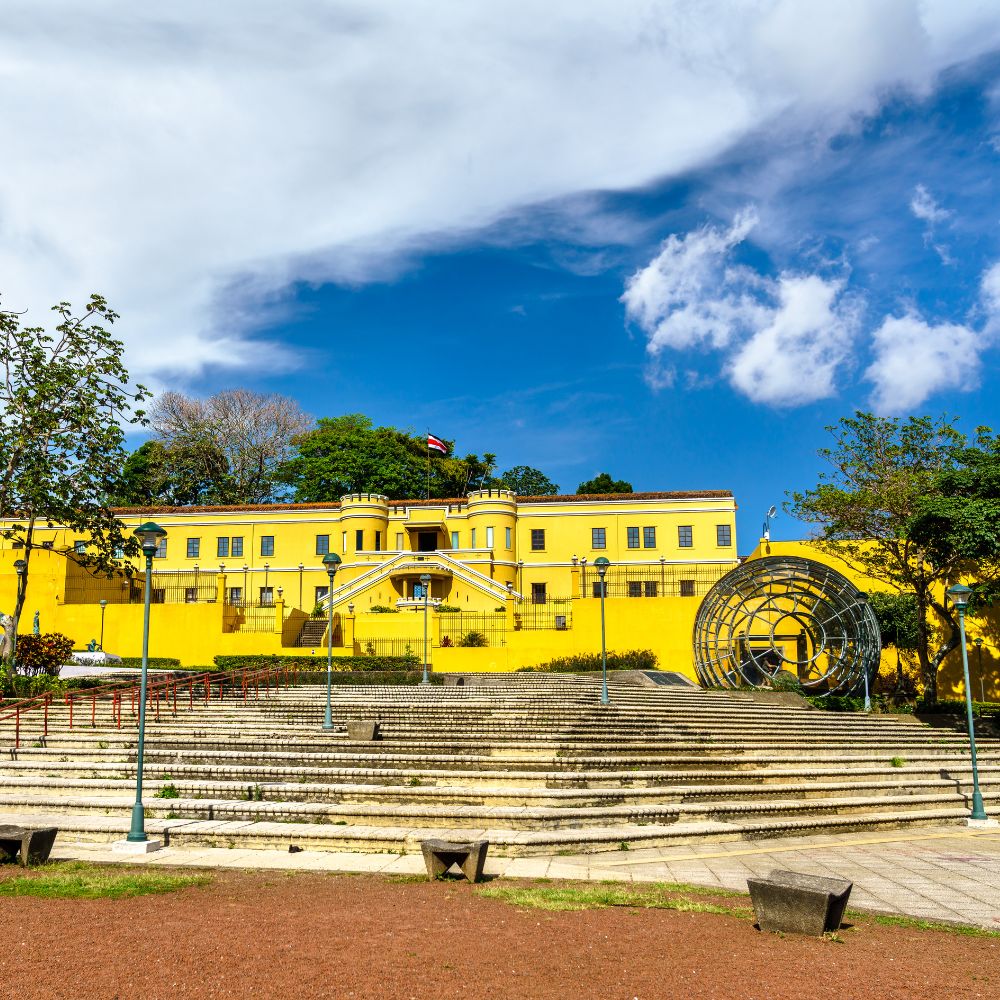
What to do during those first hours? You can visit one of the museums. The National Museum is a great place to see the old headquarters of the Costa Rican army and learn about the recent history regarding the abolition of the army. They have a small pre-Columbian collection, a butterfly garden, and an amazing botanical garden. If you have a tour guide, they will definitely recommend this place, as it’s a great spot to discuss Costa Rican history.

Costa Rica Travel Itinerary

The Jade Museum and the Gold Museum are also fantastic places to visit, mainly because of their architecture and the way they display their collections. The Jade Museum, which was built in the last 10 to 15 years, resembles jade rock and has an amazing pre-Columbian jade collection.

Family-Friendly Options

Another museum worth visiting is the National Children’s Museum. If you have kids with you, they’ll have a blast. It was created amidst an old Costa Rican prison, and the building itself is really cool. I highly recommend visiting the National Children’s Museum if you have children.

Art and Culture

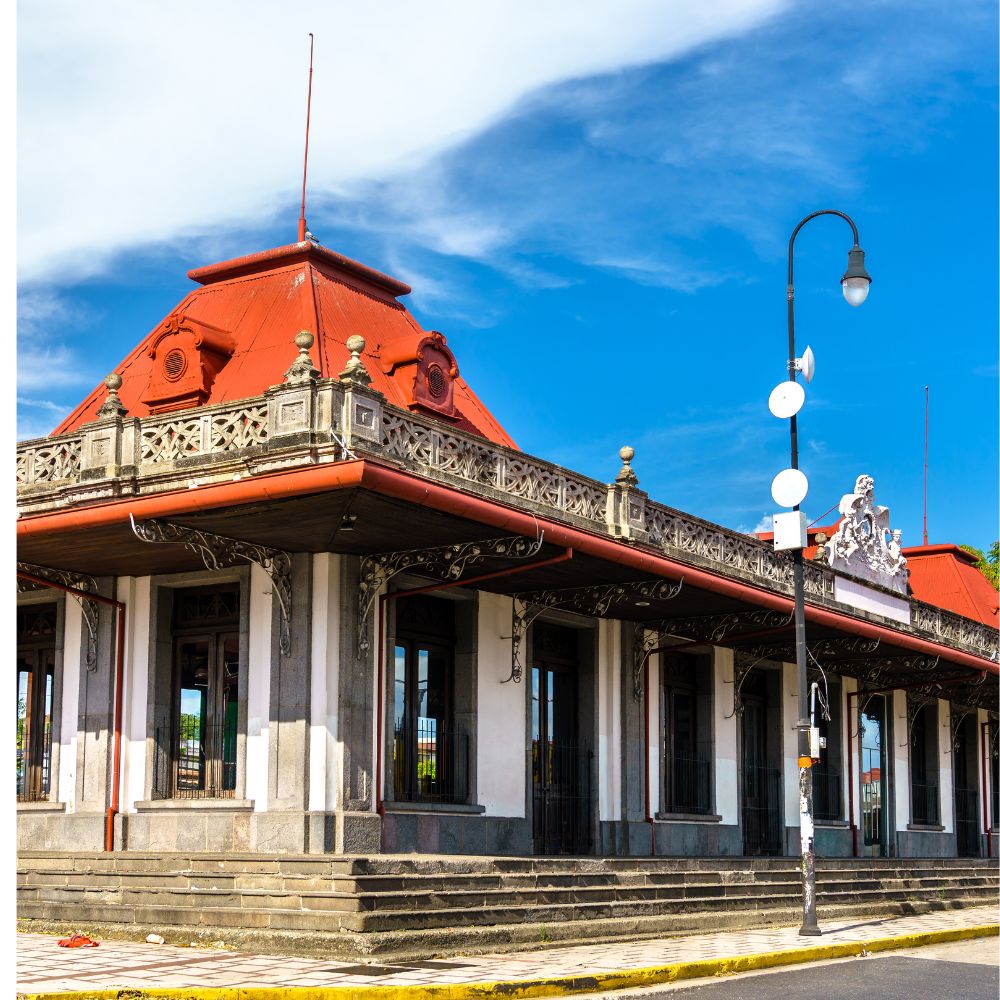
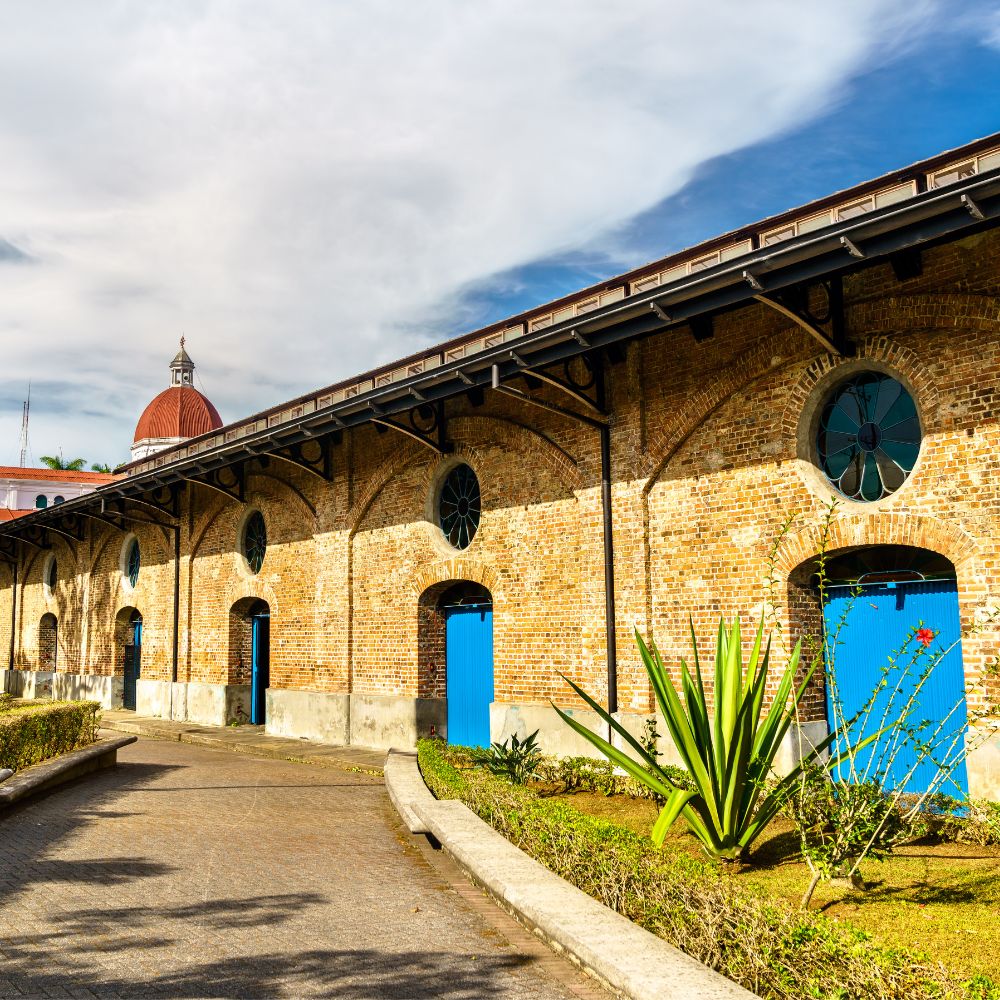
There are a couple of art museums, including the Contemporary Art Museum downtown, which is surrounded by parks. This area is worth a stroll, especially around the National Park, the old train station, and the Congress building. You’ll also see the old liquor factory, which is now the Contemporary Art Museum.

From there, you can walk to Parque España and the Morazan Park. These parks are very green and beautiful.  From there, you can head into Central Avenue, take the pedestrian walkway, and return to the Gold Museum and the Plaza de la Cultura.

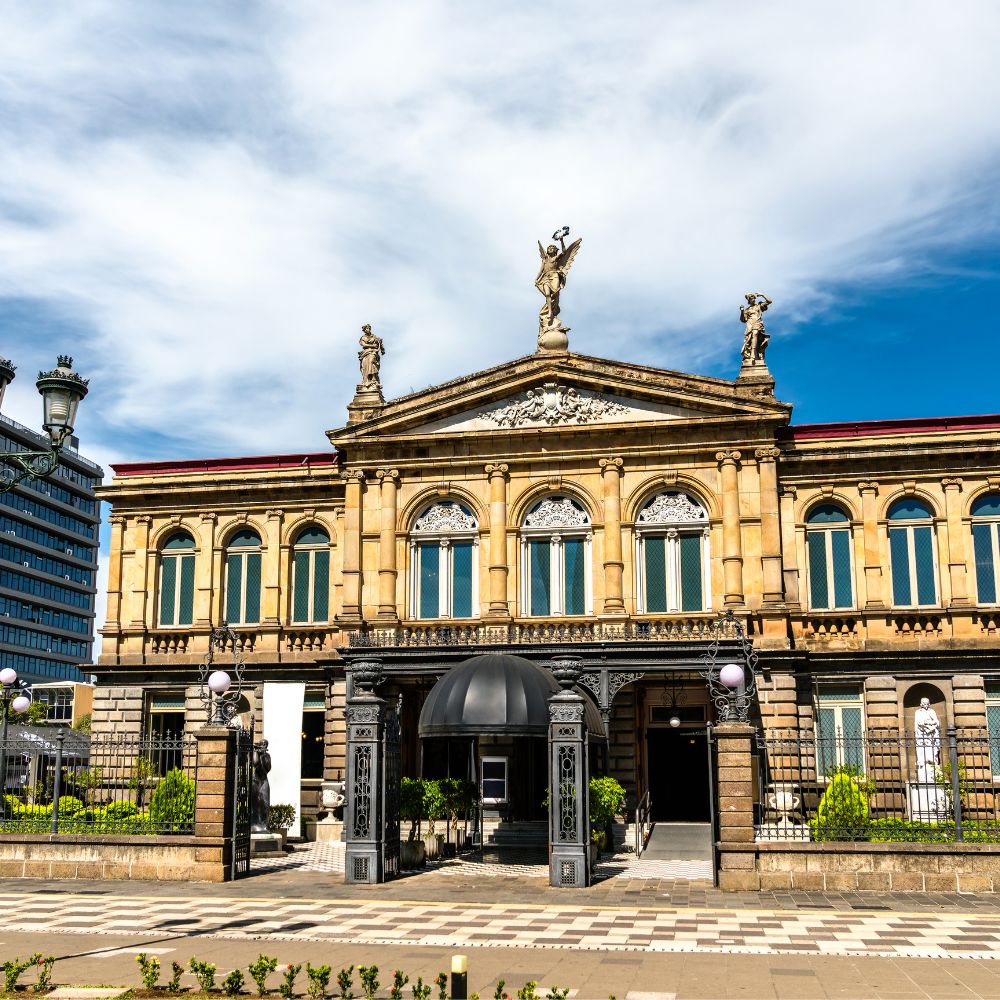
National Theater

Then, you will find the National Theater, a real landmark of Costa Rica. You should go with a guide or take one of their guided tours, as it has so much information about Costa Rican history and culture.

Costa Rica Travel Itinerary

Understanding Costa Rica through the National Theater will give you insight into how the country values beauty, art, peace, and agriculture. The building is beautiful, with golden details and lots of artwork, and it reflects Costa Rican democracy and the drive for peace and work.

Central Market

From there, you can walk down the pedestrian boulevard on Central Avenue to the Central Market. In that area, you will find some nice cafeterias on the second floor of a couple of buildings where you can have lunch or enjoy delicious Costa Rican coffee.

Costa Rica Travel Itinerary

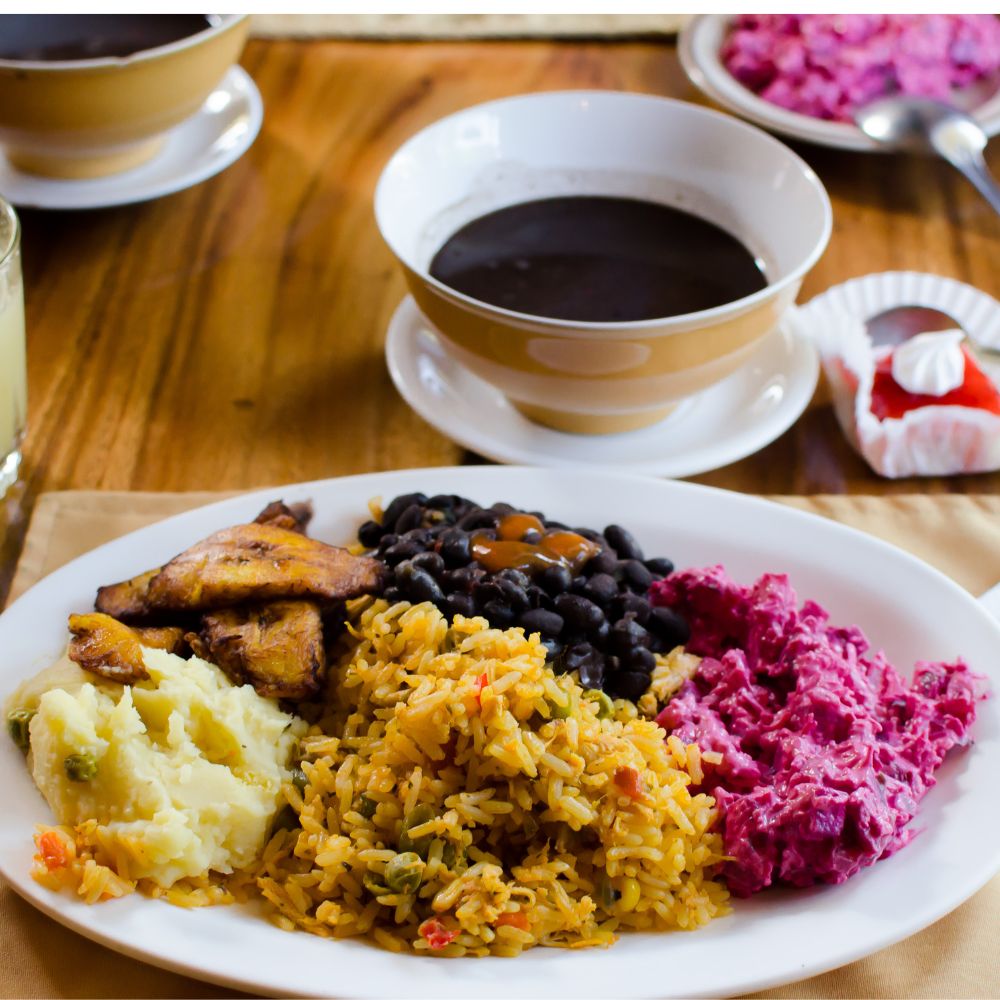
The Central Market also offers authentic Costa Rican food, souvenirs, and a chance to see locals interacting. You’ll find traditional artisan shops, flower stores, and iconic artisanal ice cream known as “Helados de Sorbetera.”

Safety Tips

San José is a very small city. When I lived in Mexico, the locals would joke that there were more people in their neighborhood than in all of Costa Rica. I totally agree because it’s true.

Costa Rica is refreshingly small. One thing to note is that there is some petty crime, so be mindful of your belongings. Keep your purse close and your wallet in your front pocket. Tourists are not typically targets for violent crime, but petty theft can occur.

You will also find a special police force called Policia Turistica. They are bilingual and available to assist you if anything happens.

Costa Rica Travel Itinerary

Next Steps

After your first day in Costa Rica, in the most popular travel itinerary in Costa Rica, you’ll head to your hotel for dinner, and the next day, you will travel to Tortuguero. You will wake up early and drive through the Braulio Carrillo National Park, which is a gorgeous rainforest filled with massive amounts of greenery.

Costa Rica Travel Itinerary

Journey to Tortuguero

Through the mountains, you will go through a tunnel to reach the Caribbean side of Costa Rica. The landscape changes dramatically.

You’ll have breakfast in the Caribbean lowlands and start to see ornamental plantations, pineapple plantations, and banana plantations. Livestock is also a significant product in the area. You might even see local tropical fruits like yuca, malanga, or guanabana.

At the pier, there is usually a small grocery store where you can buy snacks, juice, or water. This is where your luggage will be taken to the boat. We usually recommend that passengers come down from the bus and wait for their luggage to be unloaded. Once the luggage is out, passengers need to take it to the assigned boat.


Learn more about Tortuguero here: Must See Places in Costa Rica (P.2): Tortuguero National Park and Region


Boat Ride to Tortuguero

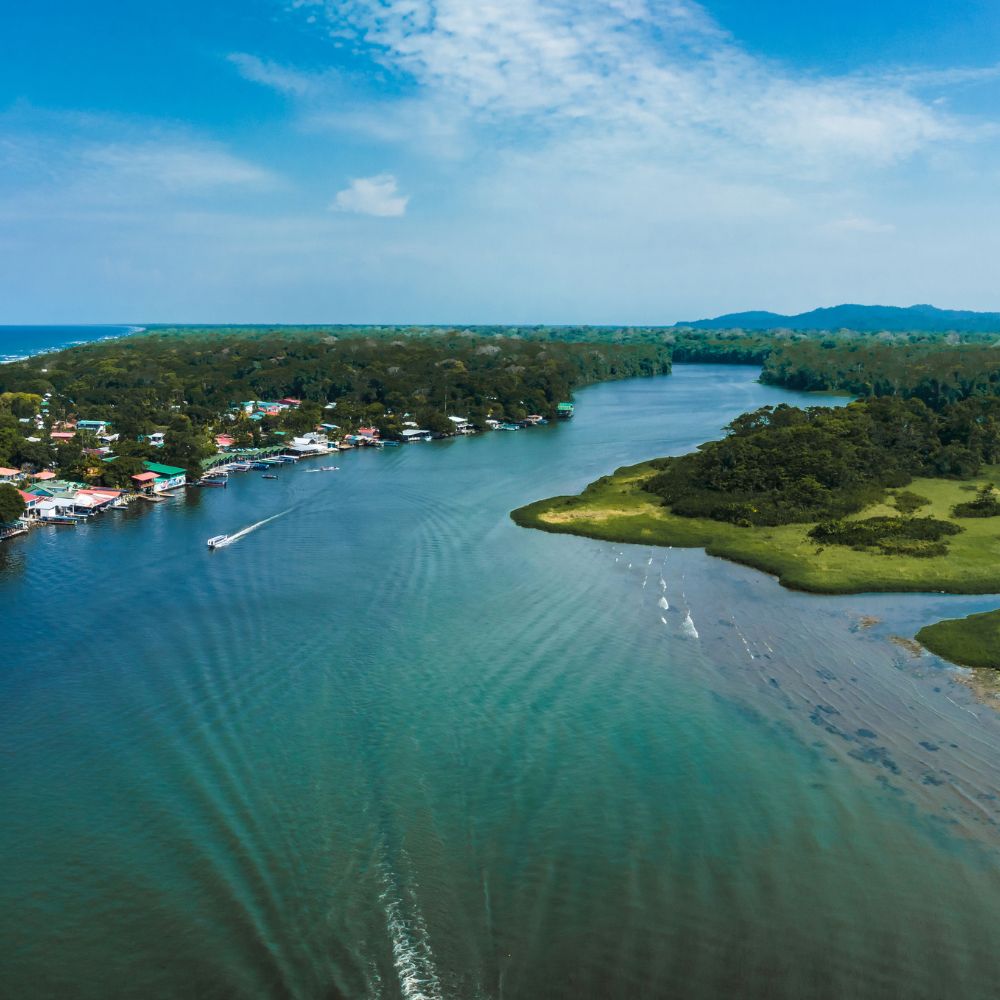
The tour guide will inform you where to find your boat, and then you can use the restroom or buy snacks before departing for Tortuguero. Depending on the time of year, the most commonly used pier is La Pavona. After arriving at La Pavona, it’s about an hour to Tortuguero.

Exploring Tortuguero

You will arrive at the lodges right before lunch, enjoy a meal, and then explore the town. This isn’t the usual hotel package; it’s a chance to get to know the people and see where the grocery store is located. If you’re staying at one of the hotels, I recommend taking a walk through the gardens while heading into town.


You can also read: Corcovado or Tortuguero? What’s the best destination for your trip?


You can do some shopping in town, which has a bank office and supermarkets. You’ll find some needed medicines if necessary, but they do not provide pharmaceuticals, so bring what you need with you.

Tortuguero National Park

Once you are in Tortuguero, as I mentioned in previous podcasts, you will explore the national park either by boat or canoe. On the third or fourth day of your vacation, you will move from Tortuguero to Arenal. You will depart around 9:00 a.m.

Costa Rica Travel Itinerary

Once you’ve done all the activities in Tortuguero, your transportation will be waiting for you at La Pavona. If you’re in a group, the bus will be waiting for you at the pier. In some cases, the group bus will take you to where you had breakfast, which is also where you will have lunch.

Journey to Arenal

After breakfast, you will head to Arenal, which is about a three and a half to four-hour drive. You will likely depart around midday, arriving in Arenal around 4 or 5 in the afternoon. It’s worth noting that there are a few stops you can enjoy along the way, but don’t take too long; you don’t want to be on the road at night, as it can be dark and confusing.

Costa Rica Travel Itinerary

You will drive through Horquetas, Puerto Viejo, and the Rio Sarapiquí area, which is a haven for bird watching and rainforest exploration. There are fruit stands along the way where you can stop and taste some exotic tropical fruits.

Exploring La Fortuna

Once you arrive in La Fortuna, I highly recommend taking a walk around the town to see what it has to offer. If you’re in a tour group, your guide will likely take you to the town. La Fortuna has great galleries, pubs, restaurants, banks, and pharmacies, making it a vibrant place to explore.


You can also read Must Visit Destinations in Costa Rica (P3): Arenal Volcano and La Fortuna


Activities in Arenal

In Arenal, there’s so much to do. You can visit the national park, go hiking, ziplining, canyoning, rappelling, or rafting. Depending on your adventurous spirit, you can enjoy various activities or relax at one of the amazing spas and soak in hot mineral volcanic waters.

Journey to the Beach

After enjoying Arenal, you will drive all the way to the coast.

In this travel itinerary in Costa Rica you will go to Manuel Antonio, but it’s important to clear that you can also go to the Guanacaste beaches.

This itinerary spans about seven to eight days. At this point, you can choose whether to visit Monteverde. For this itinerary, we will head straight to the beach, specifically to Manuel Antonio instead of Guanacaste.

Costa Rica Travel Itinerary

Why Manuel Antonio?

Manuel Antonio is much closer to the international airport, which is a good reason to choose it. It’s also part of the Central Pacific area, where you can enjoy both the rainforest and the beach. Manuel Antonio is the most well-known place in the area, featuring a national park filled with wildlife, including monkeys and sloths.

Other Beach Options

However, it can be crowded, and finding hotel space can be challenging. Other options include Jaco Beach, which is close to San José and known for its nightlife. Just be cautious of the riptides there. Playa Hermosa is great for surfers, while Esterillos is a beautiful, empty beach perfect for relaxation.

Accommodation in Manuel Antonio

In Manuel Antonio, you have Quepos, the downtown port, but not many accommodation options. I recommend heading up the hill to Manuel Antonio, which has stunning views and beautiful boutique hotels, some of which are rated among the best in the world.

Manuel Antonio | Must See Destinations in Costa Rica

Exploring the Southern Pacific Coast

Further south, you can explore Dominical and Uvita, which are also great areas, especially for surfers. The whale festival takes place here in August, September, and October when whales migrate from the southern hemisphere.

Conclusion

After enjoying the Manuel Antonio area, you will drive back to San José. This is the usual itinerary that travel agents sell as the most common Costa Rica travel itinerary. It’s not the best or the worst; it’s just the main destinations. These places have everything you need for comfort in every way you can think of.

While there are other less-known destinations that are just as beautiful, I’ll stick to discussing this Costa Rica travel itinerary in this podcast. I plan to share information about other itineraries in future podcasts.

As I mentioned, I’m not a travel agent and do not operate tours, but I can recommend the best options. If you’re coming with family, on your honeymoon, or planning a wedding here, I can provide guidance tailored to your needs. If you’d like to discuss your trip further, please let me know, and we can arrange a short meeting to go over my fees and services.

Thank you for listening, and enjoy your trip to Costa Rica!

The Importance of Having a Private Tour Guide in Costa Rica

Private Tour Guide in Costa Rica

When planning your adventure in the lush landscapes of Costa Rica, particularly in the stunning Manuel Antonio area, hiring a private tour guide in Costa Rica is essential for an enriching experience.

Private Tour Guide in Costa Rica


At Epic Adventures, we recognize that a knowledgeable and passionate guide can transform your journey into something truly memorable. Founded in 2003, our small company is dedicated to preserving the natural beauty of the Manuel Antonio/Quepos region, and we remain committed to this mission today.

A private tour guide in Costa Rica offers invaluable insights into the local ecology and culture, ensuring that you fully understand and appreciate the diverse environments you encounter.

Our guides possess extensive knowledge of the flora and fauna, allowing them to point out hidden gems that you might otherwise overlook.

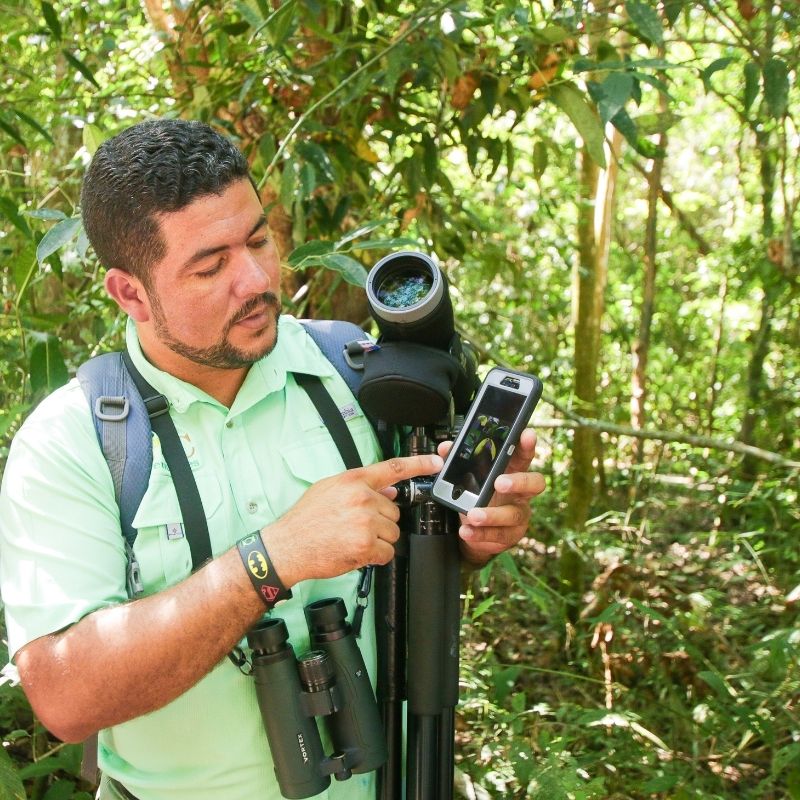
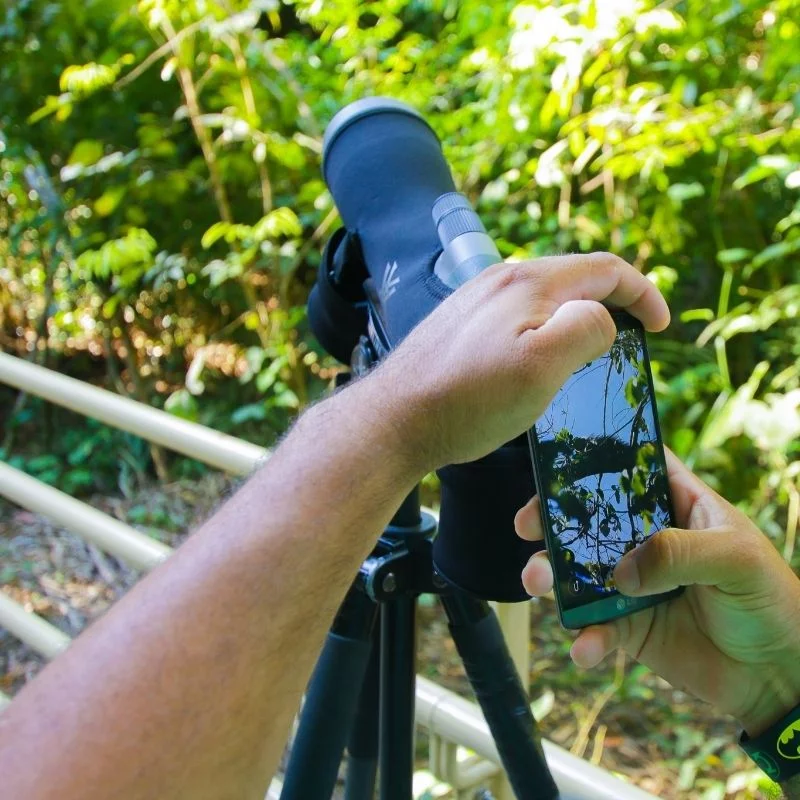
With professional-grade optical gear, they help you spot elusive wildlife, from sloths lazily hanging in trees to vibrant toucans soaring overhead. This close-up experience enhances your connection to nature and enriches your understanding of the ecosystem.

private tour guide in Costa Rica

Epic Adventures’ private tours in Manuel Antonio are thoughtfully designed to focus on ecology, safety, and environmental protection, all while prioritizing your enjoyment.

Whether you choose guided hiking tours through Manuel Antonio National Park, the breathtaking Rainmaker Park, or the tranquil Damas Mangroves, our guides ensure that your adventure is both safe and educational. Each tour is tailored to your interests, whether you’re traveling with family, friends, or students, making your experience uniquely yours. And if you decide to go for the most exclusive, let us know!

We will get a Private Tour Guide in Manuel Antonio for you!

A tour guide makes a difference, a private tour guide makes a whole difference!

Our commitment to fun and education means that you will leave with cherished memories and a deeper appreciation for Costa Rica’s incredible biodiversity. A private tour guide in Costa Rica will enhance your vacation in all possible ways.

We offer a wide range of activities to choose from, ensuring that there’s something for everyone. Imagine hiking through lush rainforests, where your guide shares fascinating stories about the native plants and animals, or embarking on a thrilling boat tour at sunset, watching as the sky transforms into a canvas of colors.

Moreover, having a private tour guide allows you to explore at your own pace.

You can linger in areas that captivate you or move quickly through others, ensuring that your itinerary reflects your desires. This flexibility is especially important as the high season approaches, when crowds can overwhelm popular attractions. By booking a private tour, you can avoid the hustle and bustle, enjoying a more intimate and personal experience with nature.

As we continue to strive for excellence in our services, we invite you to join us in celebrating the natural wonders of Costa Rica. Our guides are not just experts; they are passionate advocates for the environment, dedicated to educating visitors about the importance of conservation. They will inspire you to appreciate the delicate balance of ecosystems and the need to protect them for future generations.

Ready to embark on your Costa Rican adventure?

Contact us today at 1 (855) 740-1200 to start planning your perfect itinerary in Manuel Antonio. Don’t forget to say “¡Pura Vida!” and let us help you create unforgettable experiences that celebrate the natural beauty of Costa Rica. By choosing Epic Adventures, you’re not just booking a tour; you’re investing in a meaningful experience that supports local conservation efforts and enriches your understanding of this incredible country.

This post appeared first on Epic Adventures Costa Rica. Check Epic Adventures here.

Must-Visit Places in Costa Rica (P4): Monteverde Cloud Forests

Must See Places in Costa Rica | Monteverde Cloud Forest

Discover Monteverde Cloud Forests, one of the must-visit places in Costa Rica, renowned for its lush greenery and vibrant biodiversity. This remote paradise offers unique experiences, from stunning hikes to thrilling zip lines, making it a top destination for nature lovers and adventure seekers alike.

Must-visit places in Costa Rica | Monteverde Cloud Forests

Find here a summary of the podcast Must see places in Costa Rica, extracting the podcast section where I speak about Monteverde. Down below is the whole transcription.

The Challenge of Access

Before I dive into Monteverde, it’s essential to understand why it is sometimes included in itineraries and sometimes not, although it is definitely one of the must-visit places in Costa Rica.

The main reason is that the roads leading in and out of Monteverde can be quite challenging. Similar to Tortuguero, it’s a remote place, breathtakingly beautiful, and home to one of the most thriving and progressive communities I’ve ever experienced. But the access even now, when the main road is paved, is quite hard.

Must-visit places in Costa Rica | Monteverde Cloud Forests

I had the privilege of living in Monteverde for the entire pandemic, and this place is unlike anything I’ve encountered. I plan to create a podcast about it because it’s truly worth sharing. However, getting there and leaving can be quite difficult. If you have the time, it’s definitely worth including in your plans.

Plus, being in the mountains means it can be chilly; you’ll need a sweate and likely a rain poncho. Waterproof hiking shoes are recommended, as temperatures can drop. This is the primary reason why Monteverde is sometimes left out of travel itineraries.

Personal Connection

I must admit, I am quite biased when discussing Monteverde. I fell in love with the area, its community, and its people during my time there.

Location

So, where is Monteverde located?

It sits in the Cordillera of Tilarán, which is part of Guanacaste. It lies between the central volcanic mountain range and the older Guanacaste mountain range.

It’s about three and a half to four hours from both San José and Liberia. Whether you fly into one airport or the other, the distance to Monteverde remains the same.

Community and Attractions

Monteverde is one of the most popular must-visit places in Costa Rica due to its stunning beauty. It boasts a unique community of scientists, artists, and a conscientious conservation population.

In Monteverde, similar to Arenal, there are various areas to stay depending on your preferences.

Must-visit places in Costa Rica | Monteverde Cloud Forests

Areas to Stay

Monteverde itself is primarily a reserve. Unlike many destinations, it doesn’t have national parks; instead, private foundations own all the reserves. Notable ones include the Monteverde Reserve, the Eternal Rainforest, and the Santa Elena Reserve, along with smaller reserves like Curicancha, which are excellent for birdwatching and other activities.

Depending on your interests, you can choose between more crowded, touristy areas or quieter, wilder spots.

Layout of Monteverde

Let’s discuss the layout of Monteverde. Picture a linear path: at one end, you have the Monteverde Reserve, and at the other, the Santa Elena Reserve, which are interconnected. This imaginary line represents the main road through Monteverde.

Must-visit places in costa ricaa | Monteverde Cloud Forest

Monteverde Town is close to the reserve, while an area known as Perro Negro (Black Dog) hosts some of the largest hotels. Although it’s touristy, it offers a few good restaurants. Continuing along this line, you reach Santa Elena, the first town you’ll encounter, which is small and charming, with plans to become entirely pedestrian-friendly. It features supermarkets, nice restaurants, and popular bars like Amigos Amigos, known for live music on weekends.

I wouldn’t recommend staying in Santa Elena unless you’re looking to enjoy the nightlife.

 Activities and Attractions

After Santa Elena, you will head toward the Santa Elena Reserve, home to hanging bridges and various projects. This area also offers organic farms, coffee tours, chocolate tours, and sugar tours, with plenty of boutique hotels and Airbnbs.

Must-visit places in costa ricaa | Monteverde Cloud Forest

Adventure Activities

There are numerous activities in Monteverde, including impressive ziplining and thrilling Tarzan swings. If you’re a hiking enthusiast, the trails in the Monteverde Reserve are a must-visit, though they can be pricier than those in Santa Elena. However, the beauty of the Monteverde Reserve is breathtaking, especially during the pandemic when it was less crowded.

In the Santa Elena Reserve, you’ll find the most strenuous hiking trail, which I highly recommend. If you’re interested in more details about hiking trails in Monteverde, feel free to reach out via email or WhatsApp.

Must See Places in Costa Rica | Monteverde Cloud Forest

Night Tours and Waterfalls

The Monteverde area also offers fantastic night tours. Night hikes in Arenal and Tortuguero are particularly enchanting due to the sounds of the forest.

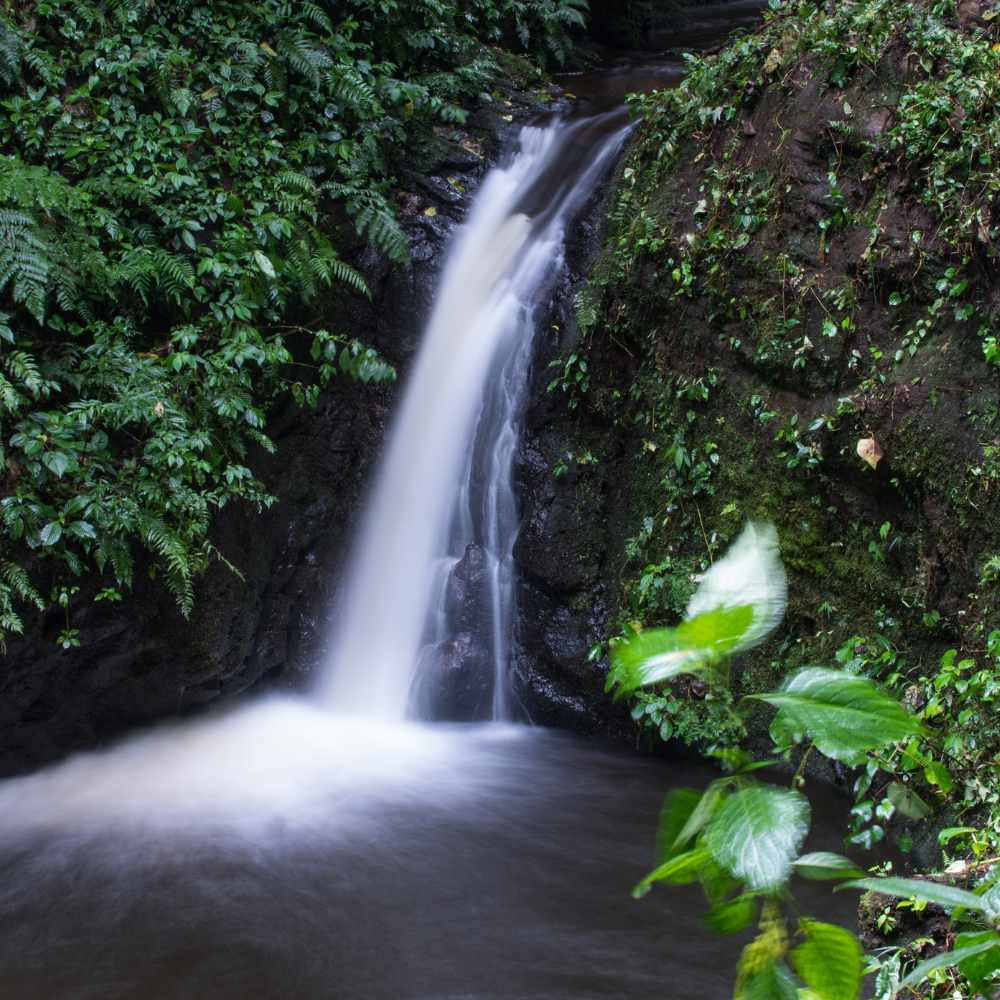
Monteverde features stunning waterfalls, with El Tigre being the best spot to experience them. It’s an unforgettable experience that you simply must have when visiting Monteverde.

Weather

Now, let’s talk about the weather. If you enjoy cool, misty climates, Monteverde is the perfect destination. However, if you’re escaping the cold, it might not be ideal.

I once met a Russian tourist who, upon arriving in Monteverde, remarked on his sweater, asking if he really traveled 24 hours just to wear it in Costa Rica. He quickly decided to head to the beach instead.

Must-visit places in costa ricaa | Monteverde Cloud Forest

In Monteverde, temperatures typically range from 50°F to 75°F, and the area often experiences light drizzle, contributing to the frequent rainbows throughout the year.

Best Time for Birdwatching

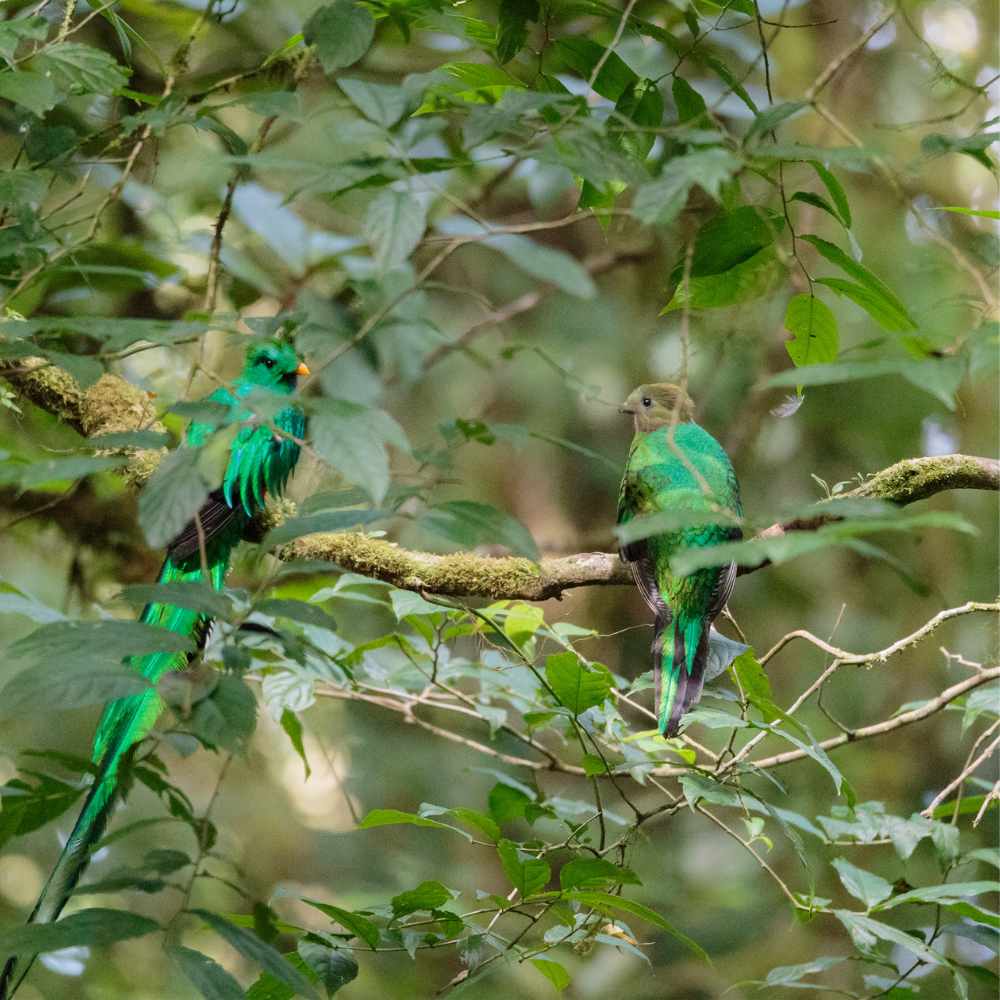
The best time for birdwatching in Monteverde is from March to August, when you can spot the Resplendent Quetzal and the Bellbird, among other species. December to February can be windy, making it less ideal for birdwatching.

Must-visit places in costa ricaa | Monteverde Cloud Forest

Biodiversity

Monteverde is home to over 2,500 plant species and boasts the highest variety of orchids on earth.

Conclusion

I highly recommend visiting Monteverde Cloud Forests, one of the top must-visit places in Costa Rica.

Share your experiences with me in the comments or through a message, and let me know how your journey in the Monteverde Cloud Forests went. If you have any questions or need more information, don’t hesitate to reach out!

Must See Places in Costa Rica | Monteverde Cloud Forest

TRANSCRIBED FROM PODCAST:

Let’s go now into Monteverde. Now, before I get into Monteverde Cloud Forest Region, I want to see why it is that sometimes it is included and sometimes it’s not.

The reasons, mainly, are because the road in and the road out to Monteverde are usually hell. And it’s pretty much like Tortuguero. It’s a very remote place, breathtakingly beautiful, with one of the most thriving communities, the most progressive communities that I’ve ever lived with.

I had the privilege of living in Monteverde for the whole pandemic. And this place, it’s like nothing I’ve ever been in. I can give it to you, and I will create a podcast about it, but because it’s worth it. But it is very hard to get to and very hard to leave from.

Must-visit places in Costa Rica | Monteverde Cloud Forest

So if you have time, they will include it. Plus it is mountains; it is chilly. You have to wear a sweater to go there. You will probably wear a rainponcho. You have to wear your hiking shoes, waterproof if possible, because it’s a chillier place. The temperatures fall. So that’s the main reason why Monteverde sometimes is not included in the itineraries.

Okay, I must say that when I’m talking about Monteverde, and this is a disclaimer, I’m super biased when talking about Monteverde. I was in love with that area. I was in love with its community, its people, and my experience living there. So I am biased.

Location of Monteverde Cloud Forest and Region

Where is it located? It’s located in the Cordillera of Tilaran, which is part of Guanacaste. It’s like a little; it’s like between the central volcanic mountain range and the Guanacaste mountain range, which is actually an old one, but it’s in between these two.

It’s about four hours or three and a half hours from San Jose, same from Liberia.

It’s exactly the same distance and the same time.

If you come to one airport or the other to go to Monteverde, if you want to go straight to Monteverde, it will be exactly the same distance.

And it’s one of the most popular places in Costa Rica because it’s just simply beautiful. Plus, it has a very distinctive community of scientists and artists and then a very sensible conservation population.

Must-visit places in Costa Rica | Monteverde Cloud Forests

Areas to Stay

So you will find it in Monteverde, just like Arenal is extended. I would say that there are three areas where you can stay in Monteverde depending on what you like best. There is the Monteverde area. Monteverde doesn’t have any national parks; there, foundations own all of the private reserves.

I make a huge podcast about this. But there is a Monteverde reserve, there is the Eternal Children rainforest, there is another one that is called the Santa Elena reserve, and there are a few smaller ones, like Curicancha reserves, that are great for bird watching or other pursuits.

So depending on what you want, you can go into more crowded, more touristic areas or more quiet and foresty, wilder areas.

The area of Monteverde, and we will talk about it like that. Let’s talk about, you know, like a line; let’s make these like a linear thing. So in one extreme, you have the Monteverde Reserve. At the other end of this line, you have Santa Elena Reserve; they’re actually connected. But this line that I’m telling you about is actually a road.

And this imaginary line will give you a glimpse of which are the places in Monteverde. Monteverde has Monteverde Town, which is close to the reserve. Monteverde. Then you have an area that is actually called Perro Negro, or Black Dog.

And it’s the area where you will find some of the biggest hotels. You don’t find it called Perro Negro. I know that because I used to be a local. But it’s a very touristy area. You’ll find many restaurants; it’s not many, but some restaurants, some really good restaurants.

Then you go into Santa Elena, and this is going in this line; you go Monteverde Reserve, Monteverde Town. Then you have Perro Negro, which is where the hotels—these big hotels are. Then you go under on the drive and you go into Santa Elena Town, which is the first town that you will arrive in.

Must-visit places in Costa Rica | Monteverde Cloud Forests

Depending on either way you come, you will arrive at Santa Elena. Santa Elena is a four-block town. It’s a very small town, very nice. They’re actually talking about making it totally for pedestrians. It has a few supermarkets, it has a view, a few very nice restaurants and cafeterias, and a few very cool bars and pubs. And it has a very known one that is called Amigos Amigos. It closes at 2:00 in the morning, and they do live concerts, especially on weekends.

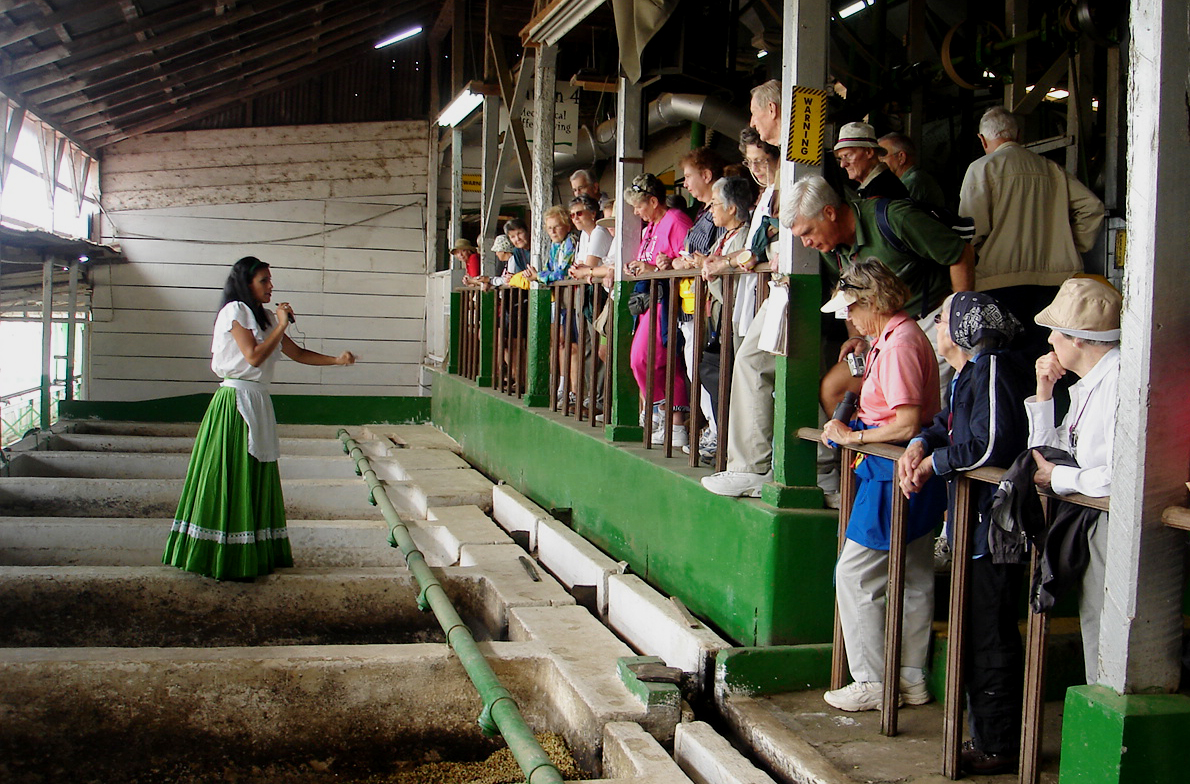
So I wouldn’t recommend staying in Santa Elena unless you want to go partying in the area. When you pass Santa Elena, you will go towards the area of the Santa Elena Reserve. This is where the hanging bridges are and several other projects in the region. Like not only hanging bridges, ziplines, and there will be organic farms, coffee tours, chocolate tours, sugar tours—all of those are in that area. That’s an area where you can find boutique hotels and lots of Airbnbs.

Activities in Monteverde Cloud Forest

So this is a summary of the options to stay in Monteverde and the areas of Monteverde. Explaining a little bit of the layout of the area.

Let’s talk about the activities. As I’m saying, there are a lot of hanging bridges. There is ziplining, huge, like really impressive ziplining. They have a lot of versions of it. You know, they have like incredibly high Tarzan swings and bungee jumping. It’s really cool. If you like that, then you have the best hiking ever. I’m going to make, I have, I think, in the blog somewhere.

There is already a post on the hiking trails of Monteverde Reserve. But it’s worth a visit to go for those hiking trails. The Monteverde Reserve is less popular because it’s much more expensive than the Santa Elena Reserve. But mainly because of that, it’s super beautiful. It’s really. It’s so breathtaking. I was very privileged to see it in the pandemic, so all of them were very empty.

In Santa Elena Reserve, though, you will find a trail that is not. It’s the most strenuous one. If you like hiking, that’s the one I recommend. I will totally create a whole blog about these trails.

But if you want to know more about it and you need to know it, like now, please send me an email or send me a note through WhatsApp, and I’ll get back to you as soon as I see it with whatever answer you need on hiking trails in Monteverde or wherever.

Must-visit places in Costa Rica | Monteverde Cloud Forests

So anyways, the Monteverde area also offers great night tours. I didn’t mention that. In Arenal, you can do. And in Tortuguero, you can do night hikes that are very cool, especially because of the sounds. They have amazing waterfalls, great waterfalls.

They do have amazing waterfalls there. There are some of them. But the best place to go is El Tigre. To go see waterfalls in the forest is. You have to see it. It’s very little to say about it. You have to experience it. If you go to Monteverde, it’s a place to see.

Then you have… What else do we have in Monteverde? We have trees. We have trees to climb. Because of the trees in Monteverde, there are some hollow trees, and in some private properties, you can climb inside of a tree. It is really a cool experience.

Weather in Monteverde

Now let’s talk about the weather. If you like cool, misty climates, this is the place for you. That’s what happens with me. I love the misty climate. But it’s not for everyone. If you’re running away, escaping the cold, you know. Once I was with a Russian tourist, and when we arrived in Monteverde, his question was, “See what I’m wearing here?” And he was wearing a sweater. And I looked at the sweater, and he said, “Do you think I traveled for 24 hours to put a sweater in Costa Rica?” So we had to move to the beach, like right away. Like they didn’t want to see the cloud forest. I couldn’t blame them; you know, if you got the money, go to the beach; go for it. Enjoy.

So having said this, the temperature really ranges from 50°F to 75°F, and it’s wet. A lot of times it’s quite wet. There’s a drizzle, you know; usually, it’s a very slight, slight drizzle. Lots of rainbows, mostly all year round.

But the best time is in the sunny season. December to February is windy—very windy. Not a good time for birdwatching because it’s windy. The best time for bird watching is between, I think, March and August, which is where you can find the Resplendent Quetzal and the Bellbird, along with some others that are great targets for birdwatchers and photographers.

In Monteverde, you find more than 2500 plant species, and it is the place on earth with more varieties of orchids.

So I super recommend you visit. Pay a visit to Monteverde and let me know how it went. Let me know in the comments or send me a note telling me how Monteverde treated you. And if you need anything, if you need to know anything, let me know about it. Send me a note or WhatsApp.


Must See Places in Costa Rica (P.2): Tortuguero National Park and Region

Must see Places in Costa Rica: Tortuguero National Park

Among the Must See Places in Costa Rica, the first destination (or the last) is usually the Tortuguero National Park and Region. Why is this? What is it that makes Tortuguero a unique place? Keep on listening, or read on, and we’ll tell you about it!

Must see Places in Costa Rica: Tortuguero National Park

Introduction to Tortuguero

Tortuguero is a tropical haven. It’s a dream for any nature lover. When I first went to Tortuguero, it was so breathtaking that I was literally speechless. Each visit reveals something new and stunning.

It is usually chosen to be the first destination in itineraries as it is one of the most beautiful must see places in Costa Rica, yet very remote and isolated.

It does not have a road. .

Unique Experience in Tortuguero

  • Biodiverse: Incredibly biodiverse and offers a unique way to see the forest.
    • Birdwatching
    • Butterflies, frogs and reptiles identification and sightseeing
    • Garden and rainforest interpretations and Walks
    • Night Tours
  • Hiking in the Rainforest: You’re part of the environment, feeling blended into the forest.
  • Boat Tours: Observing the forest like artwork from a distance. Different experiences on larger boats vs. canoes/kayaks.

Accommodation in Tortuguero

  1. Hotels:
    • Packages: Three days, two nights or four days, three nights.
    • Ideal for nature lovers, photographers, and bird watchers.
    • Includes hotel pick-up and drop-off in San Jose.
  2. Downtown Tortuguero:
    • Family-owned hotels and a lively atmosphere.
    • Note: Noise from the town may disrupt the rainforest experience.

Must see Places in Costa Rica Tortuguero

Activities in Tortuguero

  • National Park: Nearly 200,000 acres (77,000 hectares), with 124,000 acres of protected water.
  • Usual Activities:
    • Hiking
    • Kayaking
    • Boat trips into the national park
    • Canopy tours
    • Coco tours
    • Bird watching

Wildlife and Biodiversity

  • Home to:
    • 300+ bird species
    • 60+ species of mammals
    • 118 species of reptiles
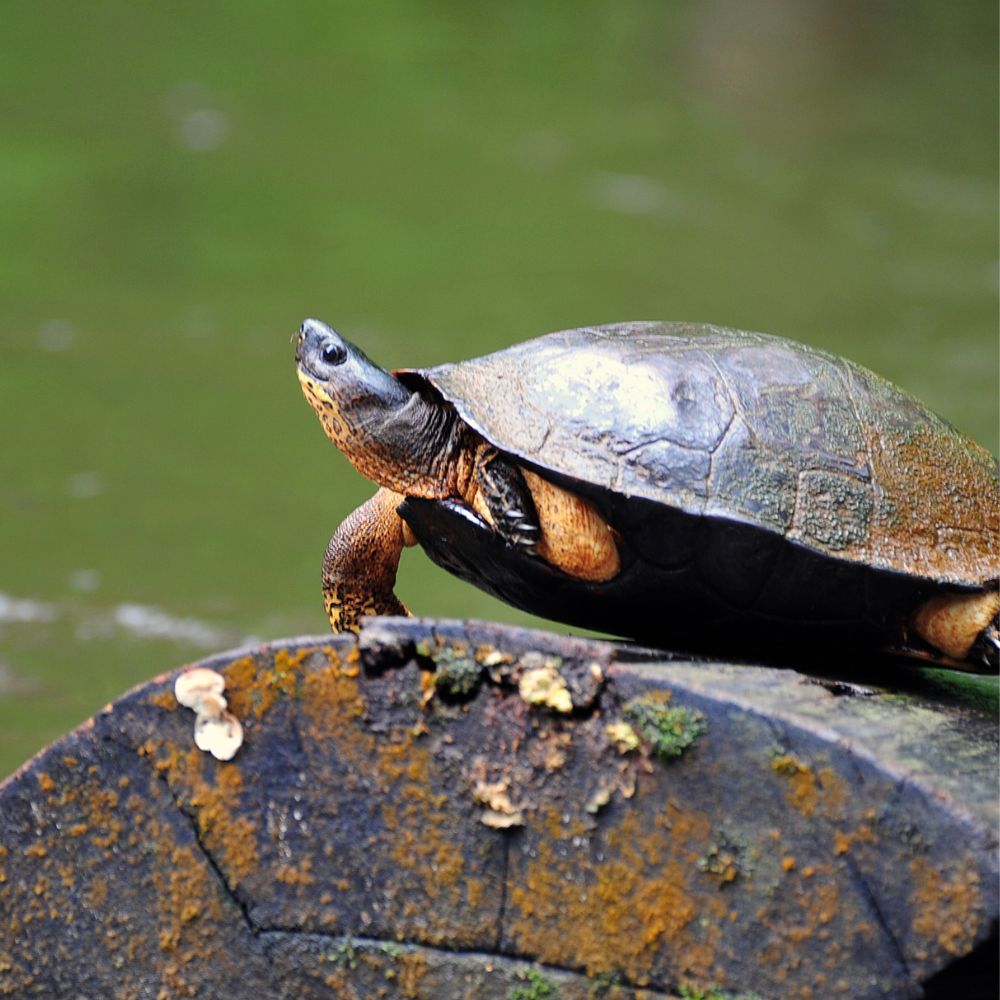
    • Four species of turtles
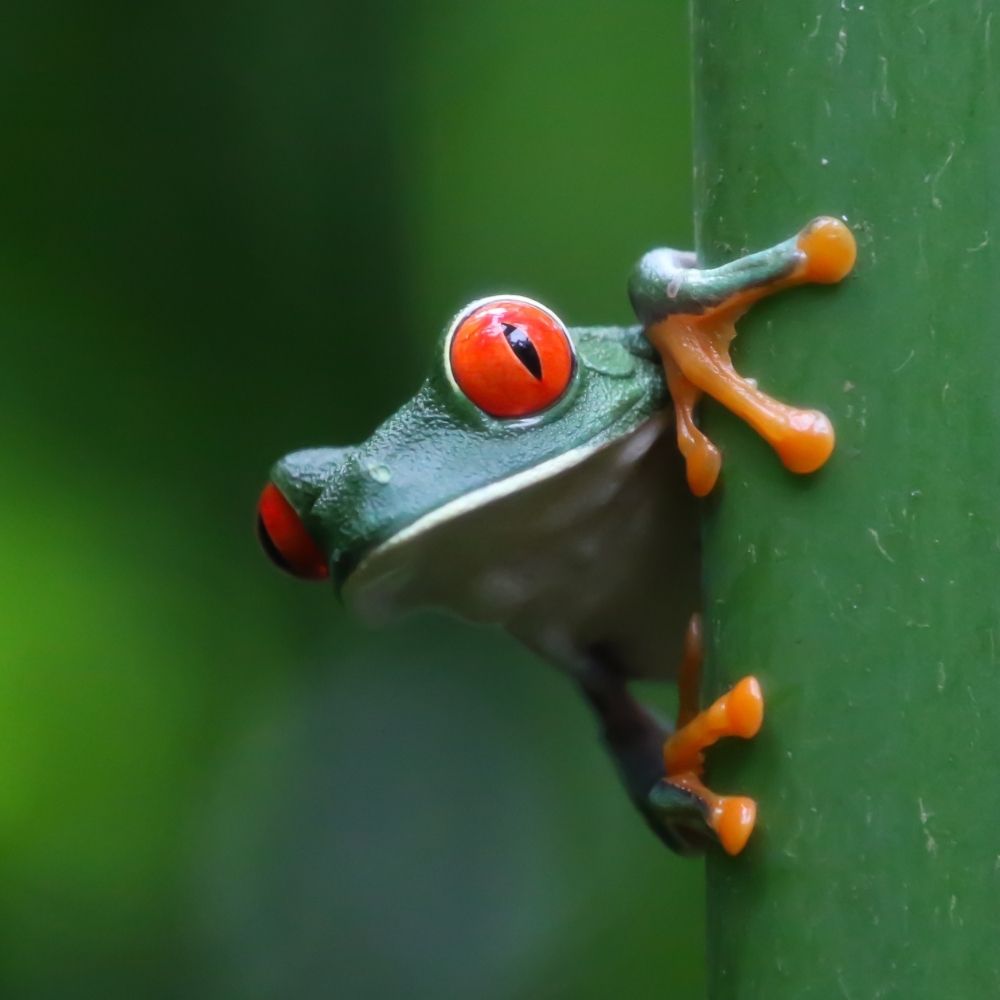
    • Dozens of frogs and butterflies, including the blue morpho butterfly

Must see Places in Costa Rica: Tortuguero National Park

Weather and Conditions

  • Weather: Super humid rainforest.
  • Temperatures: 75 to 86 Fahrenheit (24 to 30 Celsius).
  • Biodiversity: Visible even on rainy days, with sunny periods being especially magical.

Final Recommendations

  • Camera Gear: Bring a good camera or phone lenses for macro photography.
  • First or Last Destination: A must-see in Costa Rica, whether it’s your first or last stop.

I hope this works for you! Let me know if there’s anything else you need.

Must see Places in Costa Rica: Tortuguero National Park

The transcripted podcast about Tortuguero as one of the first of the must see places in Costa Rica

Let’s talk about these must-see places in Costa Rica. And we’re starting with Tortuguero. Tortuguero is a tropical haven. It’s really the dream of any nature lover. When I first went to Tortuguero, it opened my mouth. It was so breathtaking, I couldn’t close it almost for hours, like I couldn’t talk. Literally speaking. And up until my last visit, which was a couple of years ago, I haven’t closed my mouth yet. It’s. Every time I go, I discover something new. It is just stunning. Other than that, it is incredibly biodiverse, and it has a way to see the forest that is very different from the usual.

A different way to see the rainforest, from hiking to sliding on a boat.

You see, when you go to hike in the rainforest, you are in; you are part of it. It’s like somehow the monkey within takes over; you know, somehow it’s; it’s a very inclusive sensation, so to say, you know, it’s; you’re part of it; you belong to the forest somehow. Either you are by yourself, which is actually the way I usually hike, especially if I know the place very well and you feel you’re part of it.

Hiking is different | Must See Places in Costa Rica

You feel that somehow this place blends you in. You know, while when you’re on a boat in the forest, it’s like looking at an artwork. It’s like you’re there, but at the same time you are in this secluded place.

When you’re hiking, you’re touching plans because you just pass through them. You know, somehow when, and then branches fall, you know, it’s just different.

And being on a boat, either on a boat with an engine with 15 other people, or being on a kayak or on a canoe, it’s a different feeling for both. I mean, when you’re on a bigger boat, which is the way I used to tour guide there, you still have your own little private paradise. But sometimes people talk.

Must see Places in Costa Rica: Tortuguero National Park

Depending on the tour guide, they will want to give you a lot of information. You know, it’s that one thing, that one fact. When you have people around, when you have only two people with you or three people because you’re in a canoe, or when you are in a kayak, even better with a guide and everything because you cannot get in by yourself.

For me, this is enough of a reason to make Tortuguero National Park one of the must see places in Costa Rica.

But it’s like a very personal, close, and personal feeling, you know, to this work of art. It’s like you’re seeing it but you’re not in it. It’s a very weird sensation, but it’s so amazing. So I totally recommend you go.

If you’re going, you can go either with one of the hotels that are in the area. They will give you all the included packages, which are three days, two nights, or four days, three nights. The first one is better for people who don’t have time and who are not, you know, as fanatics. The latter, which I totally recommend for real nature lover photographers, especially your bird watchers, may enjoy three-night, four-day packages.


Must see Places in Costa Rica: Tortuguero National Park

So you can choose one of these hotels that are either on the side of the beach or on the side of the national park, and you can stay with them. They’ll give you everything. They’ll pick you up at your hotel in San Jose, and they will bring you back to your hotel in San Jose.

They can bring you back also to set different places where you can catch your car rental or you can catch a local transfer to take you to the arena, volcano, or elsewhere. But it’s a choice.

The other choice, if you’re driving, is that you can also go to one of the piers, and you will have to find out about it. You can ask me, actually send me a note or a WhatsApp, and find out about which is the pier that they are using. Every now and then the river dries up, and so they have to temporarily go to one pier or another pier. So it’s important to find out where you are going. If you’re driving, you can stay in Tortuguero town, at the very entrance of the Tortuguero National Park.

Downtown, there are a few pretty good little hotels, usually family owned by local people. There are a few expats that have moved and integrated in the town of Tortuguero. The low side of the town of Tortuguero sometimes is the noise, at least in my experience.

I mean, if you are in the rainforest, you want to hear the rainforest sounds at night, not reggae. However, it is always humane, depending on your preferences. Want to listen to some reggae and want to go partying. So, you know, depending on your likes and wishes, I would highly recommend asking a little bit, you know, to research some more. If you would like to stay out of town or in town, I can find you some really good operators and some amazing experts that live in the area. Here in Tortuguero, or in any of the must see places in Costa Rica

Must see Places in Costa Rica: Tortuguero National Park

So having said that, let’s talk a little bit about the national park. The national park of Tortuguero. It’s a little bit under 200,000 acres, which is 7,76,000, actually 77,000 hectares. But out of this, 124,000 acres are in the water.

Meaning that nobody can fish there; nobody can catch turtles or fish there. You know, it’s there; it’s all the water protected so that the turtles can be safe to lay their eggs. Coming to Tortuguero, it’s part of the main conservation projects in the area.

So what do we do when we get to Tortuguero? What are the usual activities? Usually, of course, you have hiking and kayaking, and you usually go to the hotels and packages that I told you about; they usually include one or two trips into the national park by boat. And then you have. Actually, there is; I think that there is a canopy tour somewhere.

There is a fantastic with a capital F Cocoa tour that I highly recommend. I will bring an expert to discuss this tour, as it is truly fascinating. Then you have, of course, bird watching. It is a paradise for photographers. If you are into macro tropical nature, just simply take your breath away. Wherever you see a picture, it’s stunning. I used to take a lot of photography in Tortuguero, and it was like a never ending game.

Must see Places in Costa Rica: Tortuguero National Park

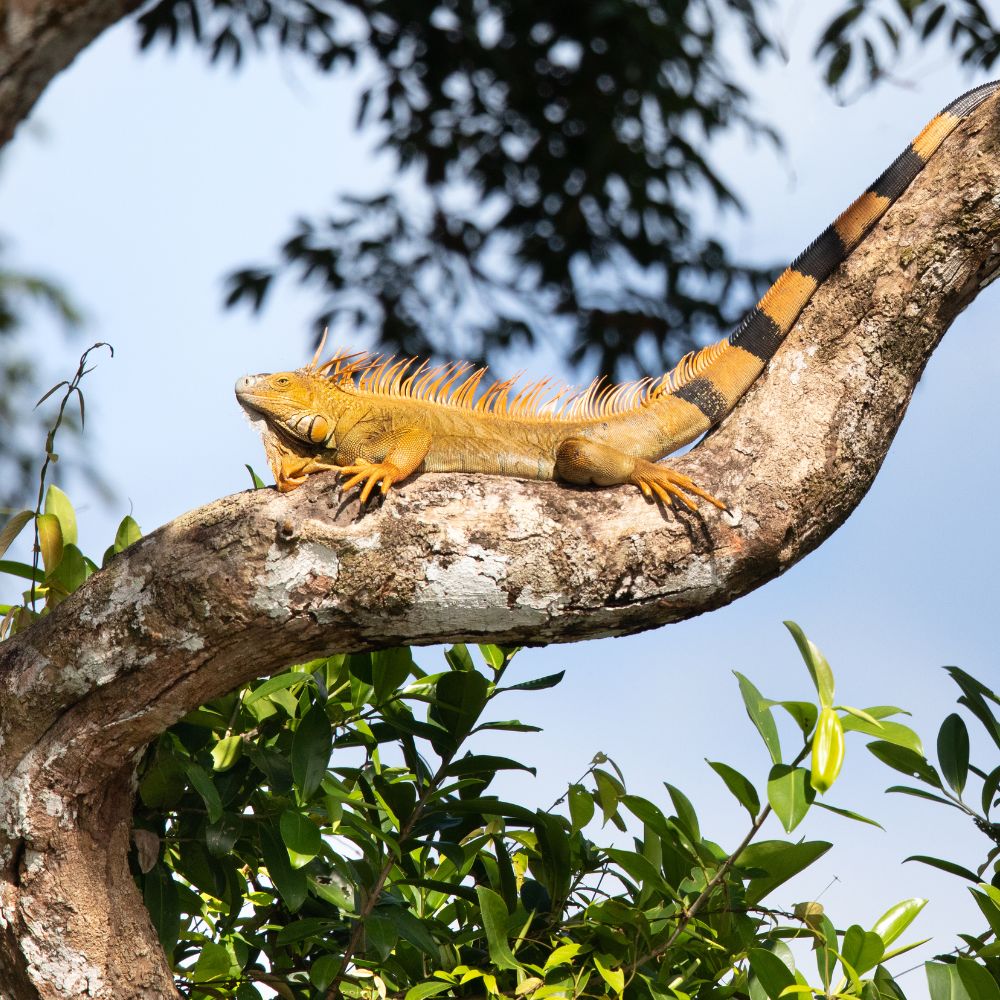
It’s really an amazing place to take pictures when you are anywhere in Tortuguero. But when you’re in any of these hotels, close to the beach or close to the rainforest, you’re so used to seeing animals up on their gardens. You know, you iguanas and basilisks and sloths, it’s, it’s like, it’s. You’re so in the jungle there.

So just being there, it’s an activity on its own. And I super recommend you to have some time for it because it’s wherever you look you will find something. Bring a good camera or have some lenses for your phones because it’s really a place to take macro.

Must see Places in Costa Rica: Tortuguero National Park

Okay, let’s talk about good lenses. If you possess a high-quality camera, such as a 500 or higher, you will derive immense pleasure from capturing the fleas in the sloths’ fur.

So anyways, let’s talk a little about weather and biodiversity. The weather in Tortuguero is super humid. It’s. The forest is a rainforest. It’s mosquito coast. Actually. The movie was supposed to be set very close to Tortuguero in Nicaragua, but very close to Tortuguero Mosquito Coast, Harrison Ford. It’s a movie from the 70s. I never watched it, but it was; it pictured the rainforest as hell. Anyways, it’s very close to where we are talking about. Usually the temperatures range from 75 to 86 Fahrenheit, which is 24 to 30 in Celsius.


Copyright laws protect the proprietary content in this article. Reproduction, distribution, or transmission in any form, whether in part or in whole, is strictly prohibited without explicit permission from the author.
If you wish to use, quote, or reference any portion of this article or blog, it is mandatory to provide proper attribution by including a clear reference to the original source at olgasaenz.com. Unauthorized use without appropriate credit is not permitted and may result in legal action.

Must-See Destinations in Costa Rica – (Part 1)

Manuel Antonio | Must-see Destinations in Costa Rica

Discover the Must-See Destinations in Costa Rica; why are they so popular? Why do you find them in mostly all itineraries and vacation plans? From the tropical haven of Tortuguero to the adventurous Arenal Volcano. Explore Monteverde’s cloud forests and the sun-kissed beaches of the North and South Pacific regions.

Continue reading

Costa Rica Travel Safety Regarding Crime… and Crocodiles

Costa Rica Travel Safety

Costa Rica is a popular destination for tourists due to its natural beauty, adventure, beautiful beaches, rainforests, and friendly locals. However, it’s important to use common sense and be mindful about some things. Here I am sharing several Costa Rica travel safety ideas that can help you enjoy our country in a great, safe way.

Costa Rica Travel Safety Recommendations (Regarding Crime)

So yeah, let’s say you have already purchased your flight ticket to your dream destination and for your dream vacation. Coming to Costa Rica, aren’t you?

Well, what’s next? You may tell me that. Pack your bags; get ready to come.

But no, you have to do your homework, and you’re doing it right now. By hearing this podcast, I guess you are getting informed. That’s the most important thing to do when we travel.

Get informed

Getting informed about the destination when we’re going helps us to prevent a lot of disasters, but it also allows us to put our priorities first and it also allows us to plan ahead in terms of safety.

When we talk about Costa Rica, we talk about nature, we talk about adventure, we talk about beautiful beaches, amazing rainforests, and super friendly locals. And this makes it a very popular destination for all sorts of tourists, including celebrities. While Costa Rica is generally safe, some visitors may feel uneasy due to the reports of violence in the recent weeks.

These acts of violence are happening in very specific areas, mostly isolated from the touristic destinations. On the other hand, most crimes against tourists are mainly due to chance and involve petty theft rather than violence. Serious crimes such as armed robberies, assault, or similar are less common but can occur. It’s important to remain vigilant and to take precautions to minimize the risks.

When we talk about Costa Rican travel safety, we must go beyond illnesses, diseases, and insurance possibilities. We covered all that in another post called Costa Rica travel safety tips.

Here we will talk a bit about other risks and all that you need to know to cope with them.

As a Costa Rican, I want you to feel at home, be safe, and leave with a smile. We always strive for visitors to have the safest and most delightful vacation. And even if you’re not traveling with a travel agent or a tour guide, for me, it’s really important for visitors to leave Costa Rica with a smile. Talk about it with love and cherish your time in Costa Rica.

So please keep on reading these Costa Rica travel safety recommendations and find some of the most important travel safety tips regarding crime.

Travel with the certified suppliers

When talking about a Costa Rica vacation, the first and most important tip that I have to recommend always, whatever you’re doing or for whatever you’re coming, is to use your common sense and ask questions to the right people. That’s probably the most important advice that anyone can give you.

Costa Rica Travel Safety Recommendations

What do I mean by the right people? Okay, whenever you are hiring a travel agent or a tour operator, even a hotel, make sure they exist. Make sure that they are authorized. Make sure that they are listed on the Costa Rican travel board.

Here is  the link so that you can check travel agencies, hotels, you know, people in general, even tour guides. You can find the list of the authorized tour guides on the Costa Rican travel board website. Costa Rican Tourism Board

So using authorized services is a very important thing. It’s very easy to be gullible when Costa Ricans are so nice. But please make sure that you’re traveling with someone who knows what they’re doing and is recommended and reviewed.

Weather Awareness

Please remember we are in the tropics. The tropics are unpredictable. I mean, we have the sunny season and we have the rainy season, and you’ve seen, I even have a podcast about the weather in the Caribbean.

Costa Rica Travel Safety

And the one thing that I tell you about, especially the Caribbean, is that it’s unpredictable. Sometimes it rains during the sunny season. Sometimes there is a drought during the rainy season. So find out what the weather’s going to be like and prepare yourself for this.

Verify the insurance.

First of all, your travel insurance—what does it cover?


Make sure that it covers everything that you need. But also find out about what the insurance of the hotel, of the travel agency, or of the tour operator covers, because you don’t want to know about it after the accident happened. If something happens—hopefully nothing will happen—but you don’t want to find out it doesn’t cover whatever this or that, or that it covers it but you have to pay extra.

It’s important to be informed about what the policies are, the cancellation policies, and the insurance policies of all the people involved with your trip—travel agents, tour operators, hotels, and homestays.

Avoid secluded areas.

What are secluded areas in Costa Rica? If you have come to Costa Rica or you’ve seen videos about Costa Rican roads, you will see that there is nature everywhere. It’s like you cannot avoid it. Wherever you go in this country, except maybe for the downtown areas in the cities, you will find very strong, luscious nature.

And it’s very tempting to stop in the middle of the road, especially if you’re driving, of course, and just get off the car and look at this amazing waterfall, landscape, or rainforest. But if it’s totally alone, avoid it because you just don’t know where you are, and it’s as easy as that.

From all the Costa Rica travel safety recommendations I want to highlight this one. Some amazing spots in our roads, have unfortunately become traps. 

Costa Rica Travel Safety

You know, in Costa Rica, there are trails in places that are free. There are some areas where you can find places that only the locals go to—trails, for instance, or outlooks where you can see amazing landscapes, but when you get there, they’re empty. Avoid them.

It may be a trap, and you don’t want to have a problem in Costa Rica. So what I would recommend is don’t go jogging at sunrise, don’t go hiking by yourself without telling anyone where you’re going, and don’t go hiking by yourself into an open trail that is free.

It happens; there are those, but it’s best if you have a guard and a door, if you have to pay for it, and if it has marked trails. That will be so much safer. Not only for your health, of course, but especially in regard to crime. It’s much safer to stay in known places with people around.

Next, trust the police. In Costa Rica, there is a type of police that we call Policia turística—touristic police. The touristic police are people that are required to be bilingual, at least not fully bilingual, but they will listen, they will understand a lot, and they will speak some. They’re there for you. Trust them. One of the beautiful things about this country is that you can actually trust the police. Remember, we don’t have an army, so this is the group we trust most in regards to our safety.

Get a local SIM card

That’s a very good idea, and if you can get two, even better. The reason—and you can get them at the airport; you can also get them in some of the main supermarkets, malls, and so on—is that it’s really important for you to be able to communicate at all times.

Even though in some areas you won’t find a signal, in Costa Rica in general, there is very good Internet; there is good signal mostly everywhere. You always want to know where you are and be close to a place where you can reach the police or an ambulance if needed. So, the SIM card is important.

Using local currency.

Costa Rican currency is colones, and we receive dollars everywhere. You don’t have to change everything. It’s important to bring—hold on, let me rephrase this.

Okay, next is to talk about currency in general terms. You don’t need to change everything to colonies. Change $20 at the airport, and that’ll be good enough. In general, where you’re going, they will take dollars in the touristic destinations. They will take dollars—no euros, no pounds, no other currency than colones or dollars or credit cards, of course. I would think twice with American Express because there are places where they don’t take it.

When talking about bringing cash, bring small bills—twenties, tens, fives, and ones. $50 and $100 bills are usually rejected in stores and restaurants. On the other side, avoid using damaged bills because they will just give them back to you. Even a small tear or anything that looks too old will be rejected.

Costa Rica Travel Safety

My recommendation is to put your money and your credit or debit card together.

Have two or three credit cards with you, let your banks know that you’re going to use them outside of wherever you are, and just change very little money to colones. They will give you change in colones anyway. So you will end up having the beautiful colones bills, which are really beautiful. You should check them out—they’re  beautiful.

ATM safety

Be aware of your surroundings when using an ATM, especially at night. ATMs in Costa Rica—many of them are closed from 10:00 PM to 5:00 or 6:00 AM. That’s important information to note. But be careful where you use them, and be mindful of your surroundings whenever you find that the ATM is in an isolated or secluded place.

Costa Rica Travel Safety

Remember what I just told you about secluded areas, okay?

Travel light.

Especially if you are either renting, not renting a car, but going by box, private transfers, or even on a tour, traveling light is very comfortable.

You will find laundry services everywhere you go. There are laundry options in all the main touristic spots of Costa Rica and in most start-up hotels. So be mindful of the luggage weight. There might be trouble boarding it into planes, especially local planes. You may also have trouble boarding your luggage or heavy luggage into boats. So it’s easier, faster, and safer to travel light.

Guard your belongings

Whether you’re renting a car, traveling by yourself, with a group, driving, or traveling by public services or buses, guard your belongings. Let me give you a couple of examples for different ways of traveling.

Costa Rica Travel Safety

If you’re traveling with a group, keep in mind that the bellboys, tour guides, or travel agency are not responsible for your belongings. When they tell you to put your luggage outside your door because they’re going to pick it up, make sure they pick it up and that it gets put on the bus or boat. Check that your luggage is being boarded, because it happens sometimes—I’ve been a tour guide and seen situations where someone’s luggage didn’t get loaded, and we had to retrieve it from a different bus later. It’s complicated, so avoid that.

If you’re traveling with private transfers from one place to another, the same thing applies. Make sure they board your luggage. When other passengers get off, ensure your luggage stays on the vehicle. If they remove it temporarily, make sure they put it back. Be vigilant with your belongings, whether you’re on private transfers or traveling in a group.

If you’re driving, lock your car doors and park in private parking lots. If you’re stopping at places like the Tárcoles River bridge or at an outlook, even if you think it’s just for a minute, lock the car and keep an eye on it. Sometimes police will be nearby—park close to them. In most of these places, you’ll find restaurants or stores where you can park and have someone keep an eye on your car.

You’ll also find something in Costa Rica called “guachis,” and I’ll explain them in a bit, but be mindful of these people watching your car.

Be discreet with your phone.

Phones are expensive—unless you have a really cheap one like mine—but big iPhones and Samsungs can be sold for good money. Be discreet with them. Keep them in your bag, purse, or pocket, and take them out only in restaurants or hotels.

Costa Rica Travel Safety

Don’t take them out on the street unless necessary. If you’re lost and need to check a map, go into a store or restaurant to check it there; maybe even use their Wi-Fi. It’s safer than pulling out your phone in the street, especially in towns or cities.

Emergency Contacts List

Now, let’s talk about emergency contacts. Keep important numbers with you. If you’re traveling solo, make sure people at home know where you are and what you’re doing. If you’re taking an Uber, take a picture of the license plate and send it to a friend or relative. Have emergency contact numbers not just in your phone but written on paper, and if possible, plastify it.

Costa Rica Travel Safety

Keep these numbers—your travel agency’s contact, emergency numbers for Costa Rica, and other important ones—in multiple places, not just your wallet. If your wallet is stolen, you don’t want to lose those contacts.

Car Safety

Let’s talk about car safety. If you’re driving, never leave valuables in your car. Don’t leave anything visible from the outside, like phones or laptops. Hide them in your luggage or lock them up. When parking, choose monitored lots—they’re the safest.

Costa Rica Travel Safety

You’ll also encounter “guachis,” which comes from “guachimán,” meaning “watchman.” They might be men, women, or teenagers dedicated to watching cars. They usually charge 500 to 1,000 colones. Sometimes they use tickets, and sometimes they place something on your windshield.

They wear fluorescent vests and help you park, and they expect a tip when you leave. The usual tip is $1-2, depending on how long you stayed.

But don’t get into discussions with them—just tip and leave, especially in areas like Manuel Antonio or Tamarindo, where you might encounter more issues. I highly recommend using parking lots in these areas.

Navigation Apps

Download navigation apps like Waze and Google Maps. Waze is particularly popular in Costa Rica—it’s very useful for knowing about traffic jams, crashes, or road closures due to landslides or repairs. I highly recommend Waze over Google Maps.

Costa Rica Travel Safety

Choose secure accommodations. Make sure the place you’re staying has proper locks and is certified. Check reviews, especially if you’re using Airbnb. If you’re a woman, I suggest booking rentals from female hosts. While I’m not saying all male hosts are unsafe, it can be more comfortable to rent from a woman.

Electricity

Be mindful of electrical outlets. Costa Rica uses standard US two-prong plugs and 110-volt outlets. Make sure you’re using the correct outlets or bring a converter if necessary.

Use the Hotel Safe

Store your valuables safely. Use the hotel safe for passports, extra cards, and cash. If there’s no room safe, most hotels have safes at reception where your items are placed in a sealed envelope with your signature. I highly recommend using this option if there’s no room safe.

Costa Rica Travel Safety

Carry copies of your passport

Carry copies of your passport. Make multiple copies and put them in different places—your luggage, purse, or other belongings. A US, Canadian, or European passport is valuable on the black market, and you don’t want it stolen. Only carry the original when absolutely necessary, such as crossing into Nicaragua on specific tours. It’s better to carry a copy unless specifically required.

Ask locals for directions

Ask for directions, even if you’re using Waze or Google Maps. While these apps are super useful, sometimes they can take you through rough routes or even dead ends. We’ve all been there, where you end up lost because the app said to go right when everyone else told you to go left. So, always ask for directions.

Ask locals about the landmarks you’ll see on the way—like big trees, supermarkets, or hardware stores that can guide you. Costa Ricans know these parameters very well, so don’t hesitate to ask. If you’re not sure how to ask in Spanish, stop at a hotel or restaurant where bilingual staff can assist you.

Pack wisely.

I’ll create a comprehensive packing list for your trip to Costa Rica soon, but in the meantime, here are three important tips. First, bring sturdy, waterproof footwear. Even if you’re coming during the dry season, the rainforest can be muddy, and you’ll want good hiking boots or at least closed, sturdy shoes.

Second, bring waterproof gear like a rainponcho. If you’re carrying valuable items like photography equipment, a dry bag is essential—and they’re much more expensive to buy here.

Use sunscreen.

Costa Rica recently lowered taxes on sunscreen because we’re close to the equator and the sun is strong. Protect your skin, even on cloudy days.

Costa Rica Travel Safety

Ocean Safety

For ocean safety, always inquire about local swimming conditions and rip currents. On popular beaches, you’ll often see signs or lifeguards that indicate where it’s safe to swim. But on less-known beaches, ask the locals for guidance on where it’s safe and where it’s dangerous. The ocean here is warm and inviting, but it’s important to be mindful of rip currents and other hazards.

Lately, there have been reports of crocodiles near the ocean. While this is now a trending topic, crocodiles have always been in Costa Rica’s oceans. They usually go for fish, not humans, but if you spot one near a beach, I recommend sticking to the pool for peace of mind.

If you ever need help, don’t hesitate to ask.

Costa Ricans are generally very nice and helpful people, and there will usually be more than one person willing to assist. Whether it’s your travel agent, tour guide, or even a local, seek help when needed.

Limit how much you share about your itinerary on social media.

When you post about where you’re going, you’re not just telling your friends and family but also potentially attracting attention from people who don’t have the best intentions. It’s safer to share your travel updates after the fact.

Costa Rica Travel Safety

If you’re in San José today, post the pictures tomorrow or even later, so people can’t follow your every move in real time.

Stay on trails, especially if you’re traveling solo.

In fact, this applies to everyone. Staying on the trail is the bottom line, but solo travelers need to be particularly mindful. Always let someone know where you’re going. When you’re heading out to a reserve, national park, or even just leaving the hotel, tell someone. For example, if you’re heading to the Monteverde Reserve, Manuel Antonio National Park, or the Selvatura Hanging Bridges, inform the hotel staff. This way, they’ll know where to look for you if you don’t return as expected.

In some areas, such as national parks, they may even ask for your trail route before you start, which helps search efforts if needed. In more remote places like the Osa Peninsula in Corcovado, it’s mandatory to have a guide because it can be dangerous.

There have been cases of people getting lost simply by stepping off the trail, so it’s crucial to stick to the paths. Always tell someone where you’re headed, stay aware of your surroundings, and avoid hiking alone unless you’re very familiar with the area.

Group Safety

For group safety, it’s best to stay with others at night and use taxis or Uber instead of walking in dark or secluded areas. This is just common sense. If you’re staying at a hostel and traveling solo, make friends and go out with others.

Costa Rica Travel Safety

If you’re with a partner, it’s still safer to join up with others, especially when traveling on long, remote roads, like those leading to Tortuguero. Sometimes you won’t see another car for miles, so it’s good to travel in groups.

Your travel agent, tour guide, or I can always provide advice on staying safe, so don’t hesitate to ask.

In summary, the most important thing is to use your common sense. Be aware of your surroundings, stay street smart, and don’t be gullible. Costa Ricans are generally very nice, but not everyone is trustworthy. Stick to these safety guidelines, and you’ll be able to fully enjoy your trip.

Stay safe, be free, and enjoy your time in Costa Rica!

Tipping in Costa Rica

Tipping in Costa Rica

When it comes to tipping in Costa Rica, it’s crucial to understand the tipping culture to know what to anticipate and how much cash to carry.

Tipping in Costa Rica | Epic Adventures Costa Rica

Tipping in Costa Rica has slowly become part of our touristic culture, with all the influence we get from the U.S. But it is important to note that by law in Costa Rica, there is a 10% service charge included in all our bills.  However, Costa Ricans usually smile and please people as a part of who we really are.

However, since 1990, when tourism burst as the primary industry and it generalized all over the country, tipping has become part of our day-to-day lives.

Little by little, people have been developing the habit, but it is essential to realize that you are already paying ten percent of your bill, and legally, the owners of the businesses have to give the cash to the whole team, and they will share it.

Nevertheless, although entirely voluntary, gratuities in Costa Rica, especially in the tourism industry, are well received and appreciated.

The tipping etiquette in Costa Rica for visitors is that it is never necessary but always appreciated. Especially considering Costa Rica’s minimum salary is low, the tourism business has been closed due to the epidemic.

Tipping in Costa Rica: Do You Use Dollars or Colones?

You can tip in  Costa Rica’s colones or US dollars. Locals routinely take US dollars, preferably as the currency rate changes almost every day, and for many of them, tips are a usual source of income.

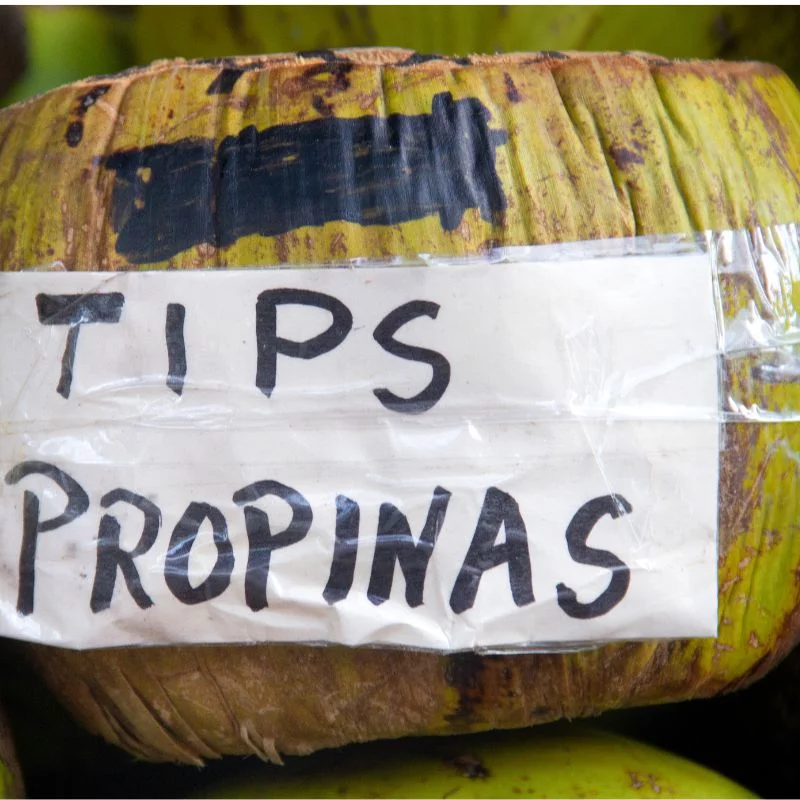
You will find a tips box in some tours and areas, and these are gratuities shared among the whole team.

Other currencies, such as Canadian Dollars, Euros, or British Pounds, will be extremely hard to change in our banking system.

Restaurant Tipping Culture in Costa Rica

The service tax, also referred to as a gratuity or tip charge, is something that restaurants in Costa Rica are required to include in their menu prices by law. The sales tax is 13%, while the service fee (tip) is 10%.

Tipping in Costa Rica | Epic Adventures Costa Rica

However, some restaurants do not include taxes in their menu pricing and will put “taxes not included” or “impuestos no incluidos” anywhere on the menu. If neither tax is included, expect to pay an additional 23 percent on top of the menu price. If just service tax is not included, it is an additional 10%.

Restaurants will indicate this somewhere on the menu if all taxes and tips are included.

Some establishments in more touristy places may give you an extra receipt with a tip section. You don’t have to tip more if you don’t want to, since you’ll pay an additional 23 percent on top of your bill.

Tip Etiquette in Costa Rica when talking about tour guides

Some tour operators will provide tip boxes (especially on adventure tours). Again, this is entirely optional. You can tip in either USD or CRC, and the amount will be shared by the whole team, including drivers, and  sometimes they even cook.

Tipping in Costa Rica | Epic Adventures Costa Rica

If you think they did a good job, feel free to tip 10% of your tour rate—or more. And if you find someone in the team that you want to gratify, especially, our suggestion is to call her or him apart.

If you hire a private driver who speaks English and escorts you around, we recommend tipping 10% or more.

Taxi Tipping

Tipping taxi drivers is not customary in Costa Rica. And on Uber, the app asks you about it.

Hotel Maid Tipping Etiquette in Costa Rica

We usually try to leave something for the maids because they don’t make much money here. You can leave around US$ 2 per day.

Informal parking “guards.”

You can find them in many places, wearing orange vests. They’ll approach your automobile and bill you for parking while claiming to “watch your car.” However, it is crucial to emphasize that they are not official and do not own the parking lot. Furthermore, they lack insurance and will not be held liable if anything happens to your car or valuables.

They can also be quite pushy in trying to convince you to park in “their area.” They can also charge foreign visitors exorbitant fees to park in their area during the holidays, although they’re not even official parking guards or insured. This is especially true in popular tourist destinations such as Manuel Antonio National Park and Tamarindo Beach.

Finally, if at all possible, we avoid parking in unapproved areas. Unfortunately, most parking in Costa Rica is unauthorized, so our recommendation is to pay them afterward.

Some ideas for tipping in Costa Rica: 

  • Tipping in coins is considered bad taste, and they may even return it to you. Not a good idea.
  • If you are going with a guide or driver for several days, an envelope with a small note will be much appreciated.
  • Checks are extremely hard to cash for Costa Ricans. Be prepared with cash.
  • Recognize that Costa Rican banks won’t accept torn or stained bills.

To wrap it up,

Tips in Costa Rica are not only accepted but also encouraged. However, we completely recognize that all jobs in Costa Rica are paid, and tips are always a voluntary extra that our visitors give to show appreciation for a job well done.


This post appeared first on Epic Adventures Costa Rica. It is written by Olga Sáenz