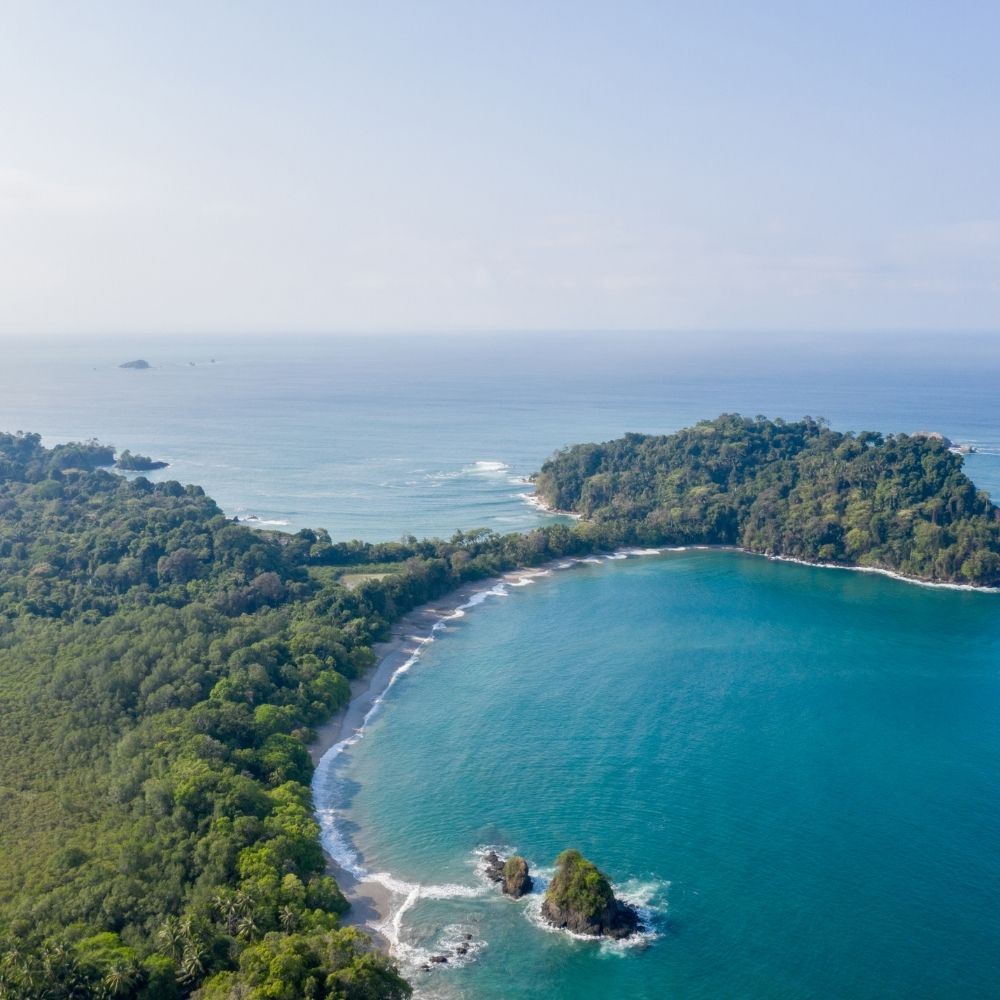
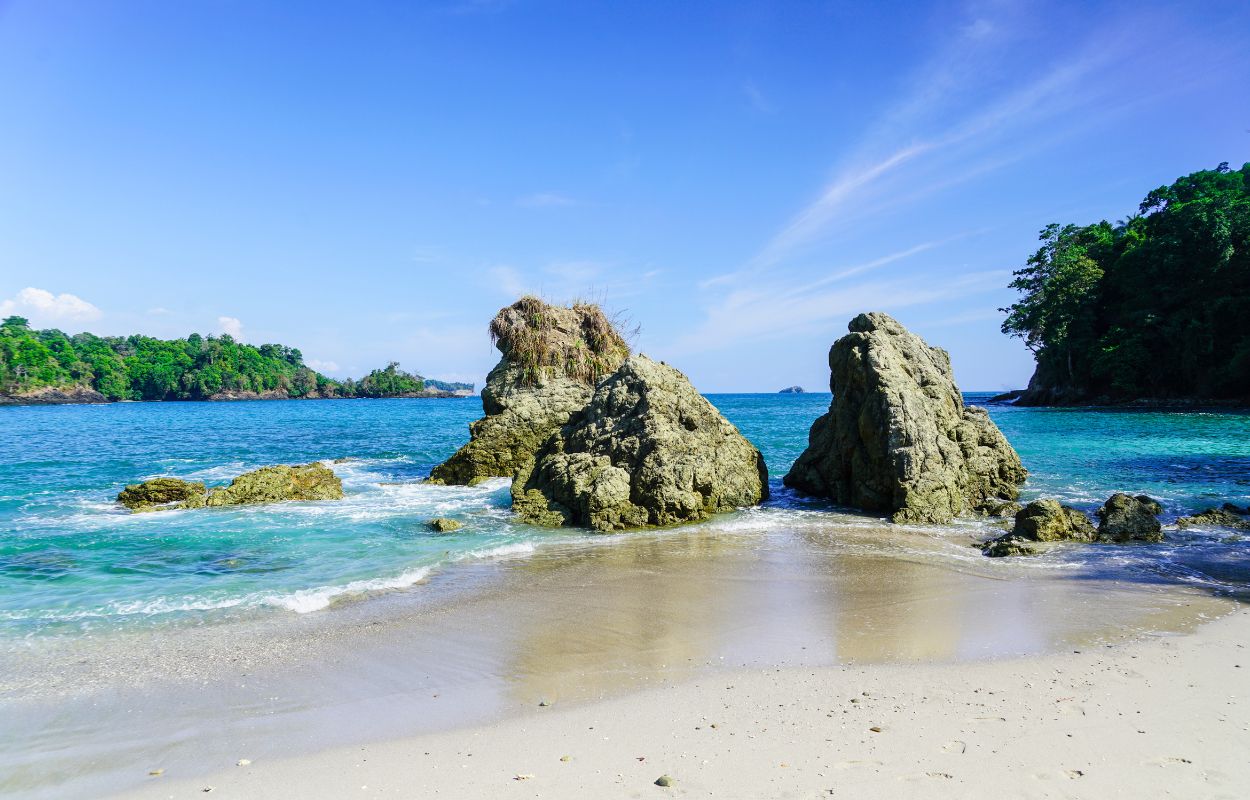
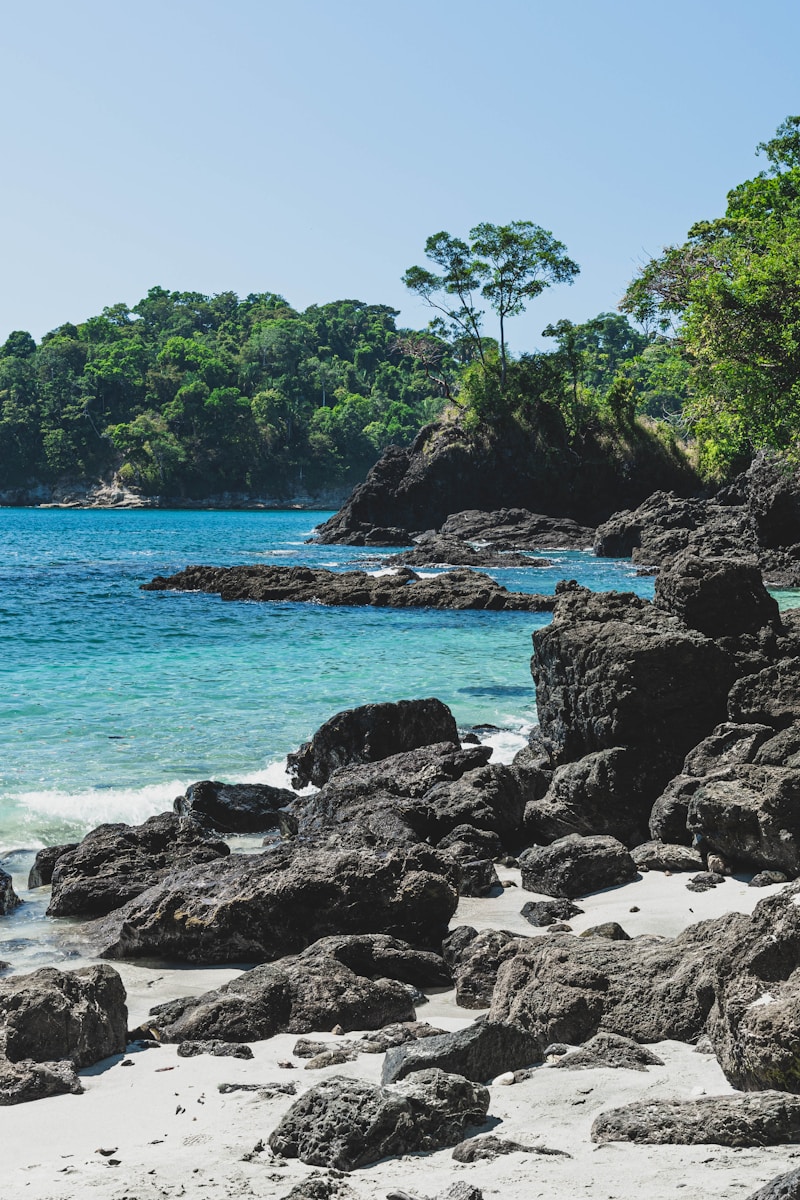
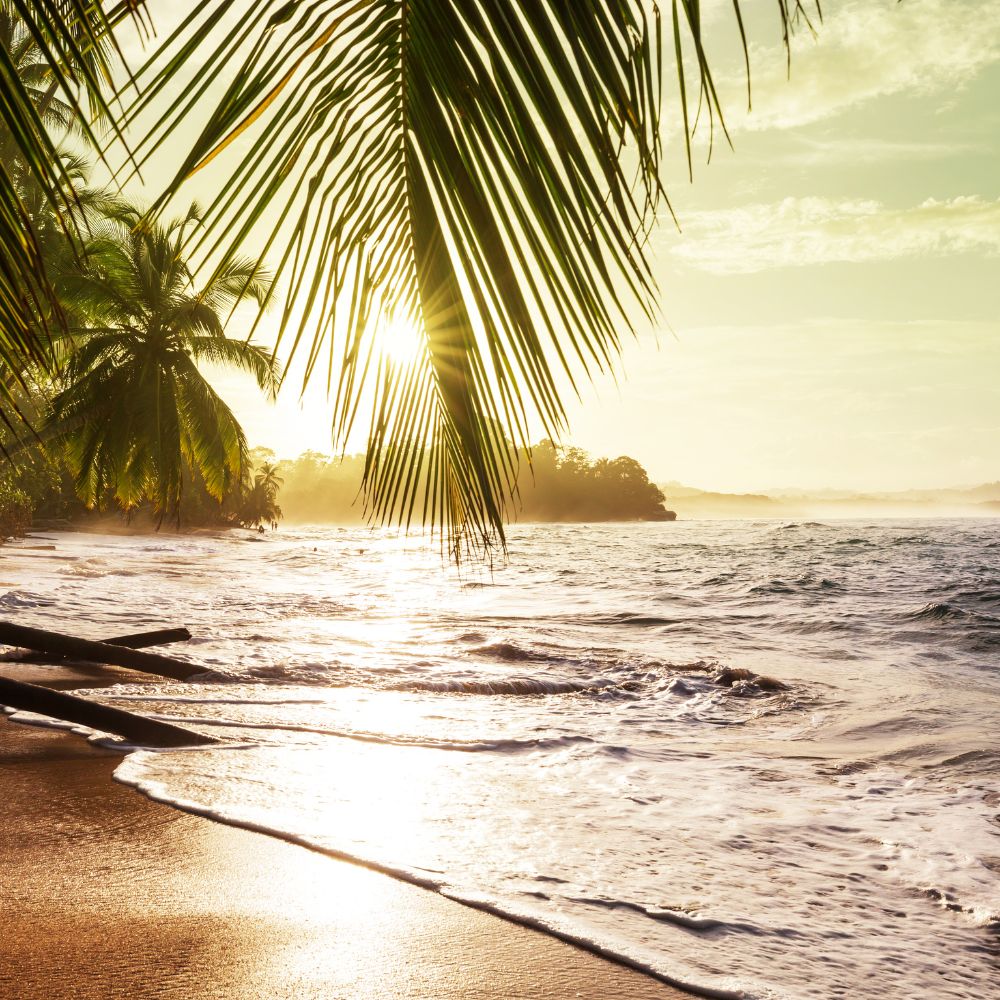
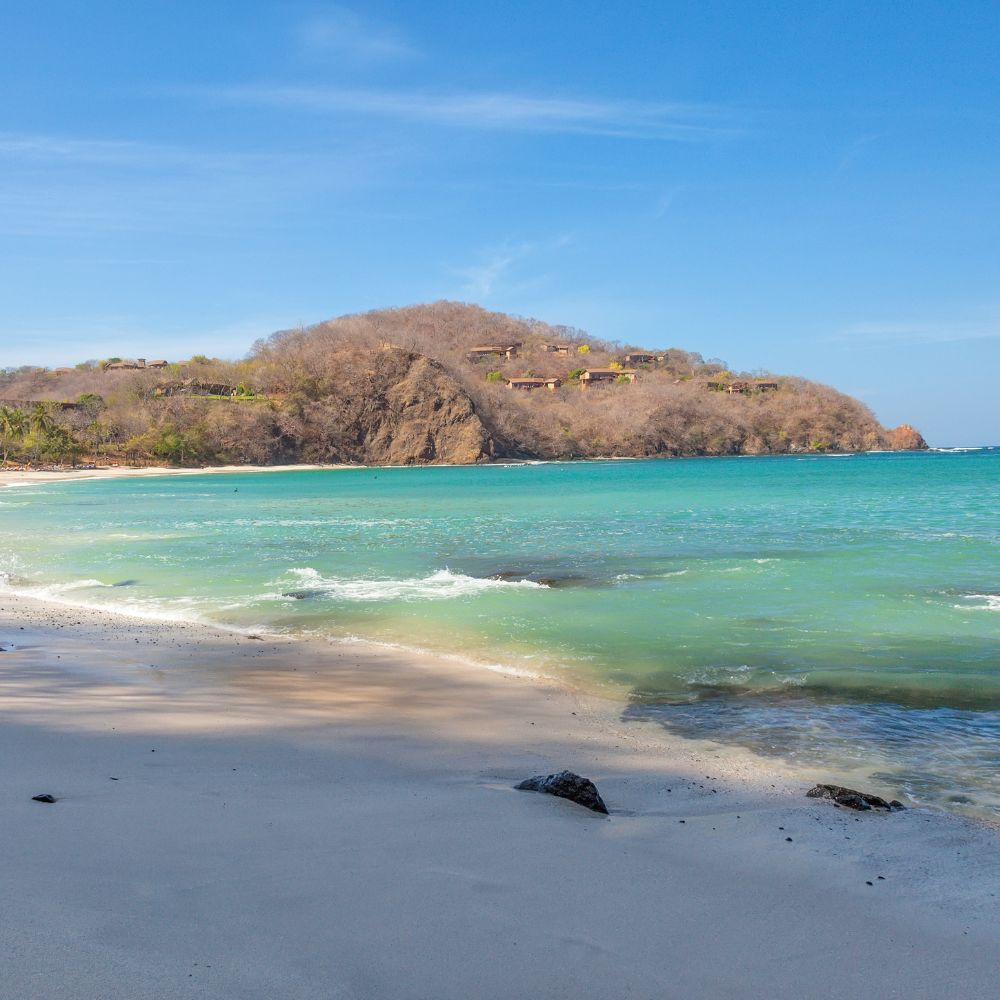
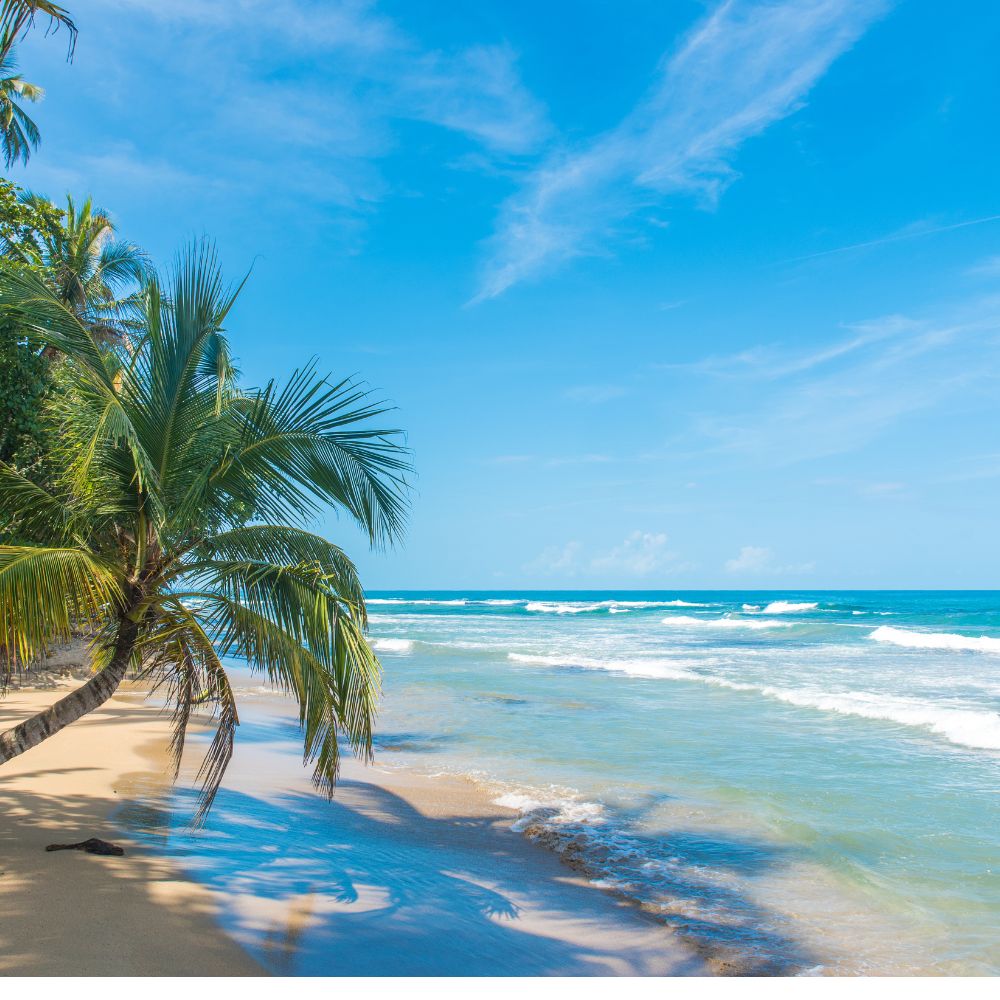
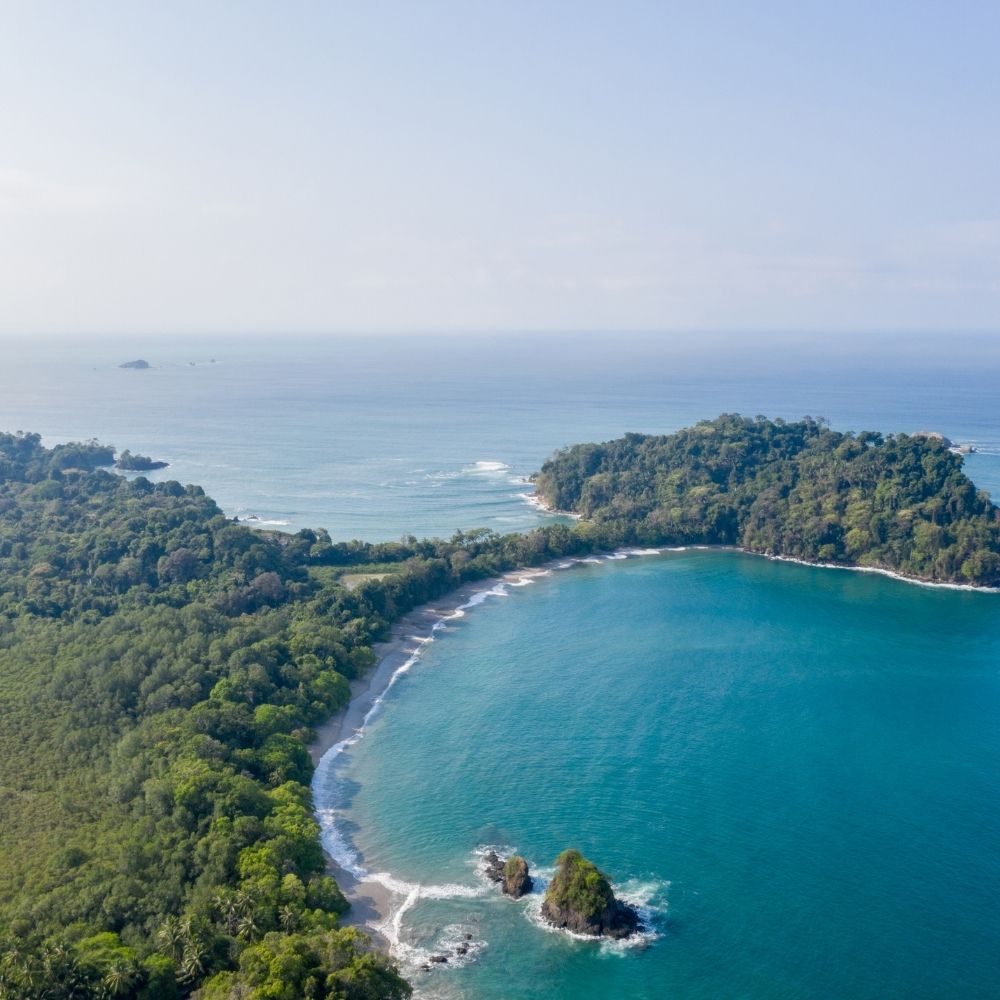
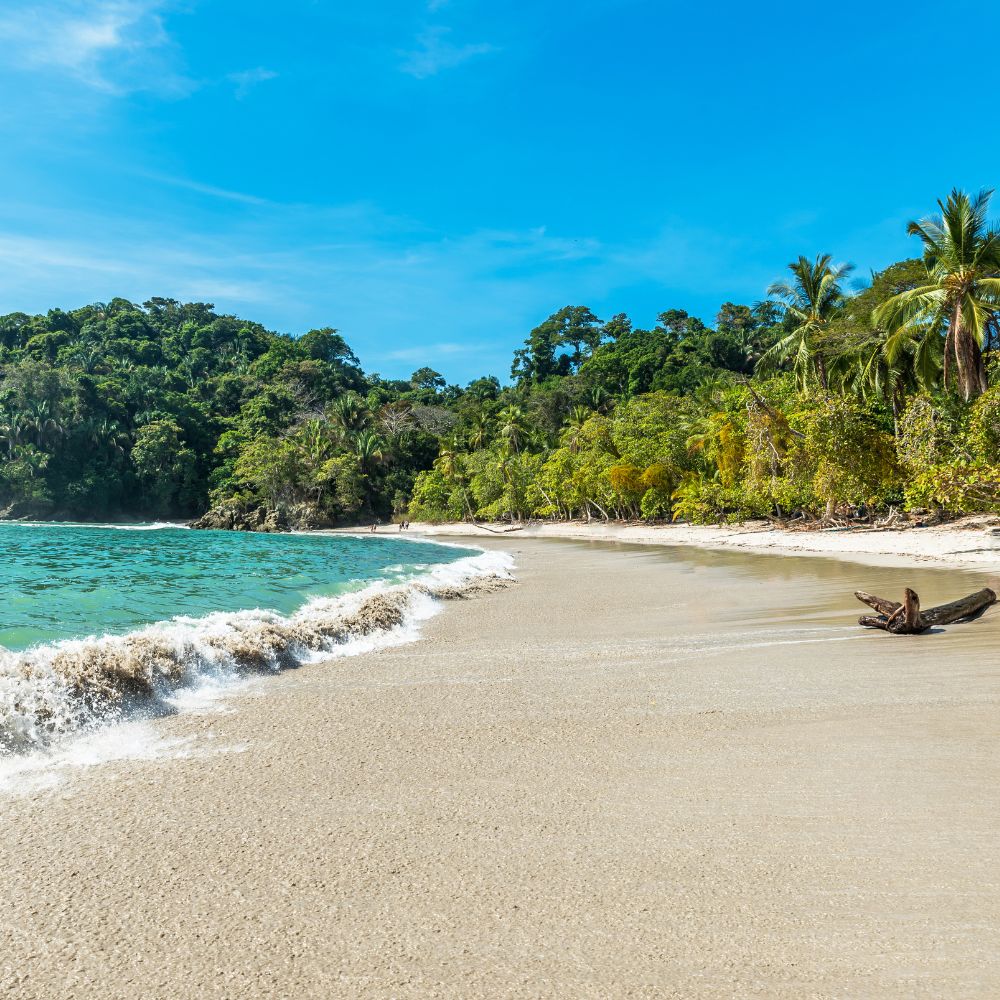
Among the best Costa Rica destinations: Manuel Antonio is a jewel in Costa Rica’s crown, blending natural beauty, abundant wildlife, and a plethora of activities that cater to every type of traveler.
Whether you’re seeking adventure, relaxation, or a mix of both, this destination offers an unforgettable experience. With its pristine beaches, lush rainforests, and world-renowned Manuel Antonio National Park, it’s no wonder this region is one of the most sought-after spots for visitors to Costa Rica.
Manuel Antonio is one of the most comprehensive destinations in Costa Rica. With breathtaking beauty, visible wildlife, a great array of accommodations of all kinds, and fantastic experiences to enjoy, this area is one of the most popular on all itineraries.
Manuel Antonio National Park in Costa Rica has fantastic biodiversity, joined with an abundance of experiences, making it a destination that provides an activity for all.
You can easily spend your entire vacation in the Manuel Antonio and Quepos areas and use them as your home base. It has breathtaking views, a warm ocean, soft sands, and wildlife swarming the forest wherever you look.
How do I get to Manuel Antonio National Park from San Jose?
To get to Manuel Antonio National Park from San Jose, you have to take Road 27 to the coast and then to the south.
3 hours, 2 minutes (158.8 km) from Juan Santamaría International Airport (SJO)
How do I get to Manuel Antonio National Park from the Guanacaste International Airport?
To get to Manuel Antonio National Park from Liberia, you have to get on the Panamerican Highway to the Coastal Road (Costanera) and then travel parallel to the coast until you arrive at Manuel Antonio.
4 hours, 24 minutes (269.6 km) from the Daniel Oduber Quirós International Airport (LIR)
Manuel Antonio National Park is located in the Central Pacific region of Costa Rica.
As you can see in the map below, routes from both international airports are possible, although it is easier to use San Jose SJO International Airport.
The road is paved all the way to the entrance of the National Park.
Ways to get to Manuel Antonio:
Driving to Manuel Antonio:
If you are renting a car and coming from the Central Valley, it is important to know that there are three toll booths.
They may take U.S. dollars in small bills ($1, $5), and they will give you change in colones.
We recommend exchanging about $10 for the toll booths at the international airport.
Flying to Manuel Antonio
There are usually several flights a day coming to Manuel Antonio from each airport.
Depending on your international flight arrival time, you may want to go straight to the terminal and take the flight or spend a night in the area of the airport to fly the next day.
Remember that Amazing Costa Rica will have transportation ready to take you to your accommodations near the National Park.
It is essential to acknowledge that Quepos Airport is about 15 minutes away from the town and arrange transportation beforehand if you are traveling independently.
Itinerary tip:
Numerous people fly from San Jose to Quepos and rent a car as they arrive at the local airport to enjoy the region of Quepos and Manuel Antonio.
Later, they turn the car in to Manuel Antonio and fly back to San Jose to avoid driving on the highways and cities of Costa Rica.
Shared and private shuttles
You can get a shared or private shuttle to Manuel Antonio.
There are affordable shared shuttles with fixed schedules. Usually, they have one early in the morning and the other in the afternoon.
These shuttles usually operate with 10–15 people and have one scheduled stop along the route.
If you are not driving or flying, we recommend having private transportation in a luxurious private car.
Amazing Costa Rica can arrange a fantastic tour guide that will drive you in a comfortable car from the International Airport to the region of Manuel Antonio.
This is the best option for families, or if you want to stop wherever along the way.
Accommodations in Manuel Antonio
Manuel Antonio is characterized by gorgeous hotels that do not belong to any of the known brands but that are truly breathtaking. You will find impressive views and highly luxurious options with personal plunge pools, balconies to watch the nearby wildlife, and fantastic ocean views.
We will fully talk about them in future articles.
Activities in Manuel Antonio:
The most iconic place to visit, of course, is Manuel Antonio National Park, with great trails, facilities for visitors, and breathtaking beaches with an abundance of wildlife right next to the ocean. It is the most popular, but certainly not the only one.
In the area, you can find many other trails to hike in projects like Rainmaker, watch dolphins and even whales in a catamaran at sunset, or visit majestic waterfalls nearby.
To wrap it up:
Manuel Antonio is one of Costa Rica’s top destinations, offering stunning natural beauty, abundant wildlife, and a wide range of accommodations and activities to suit any traveler. To fully experience all that this region has to offer, contact Epic Adventures Costa Rica to help craft the perfect Manuel Antonio itinerary and make all transportation and lodging arrangements seamless.
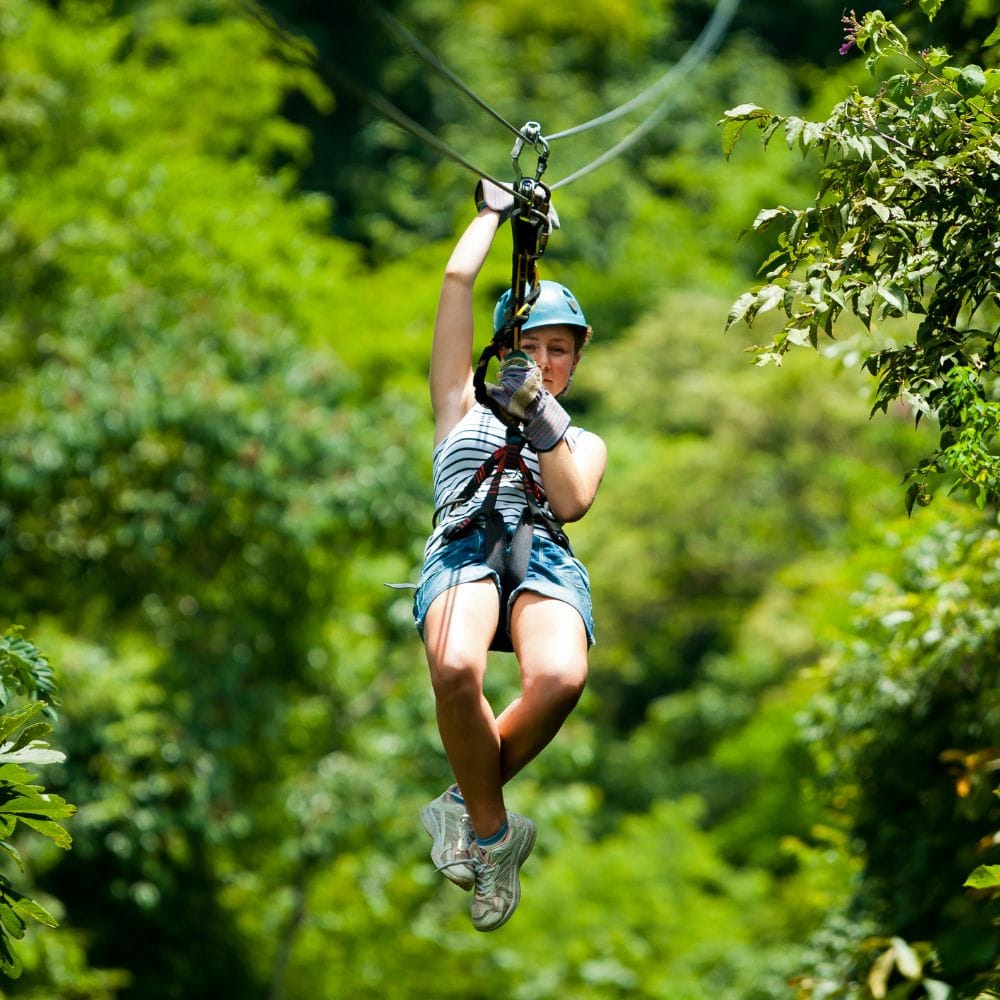
While ziplining in Manuel Antonio, you will experience an exhilarating journey through the treetops, which will provide you with a bird’s-eye view of the stunning scenery and numerous species that are located below. Participating in a canopy tour is a must-do activity in Manuel Antonio for an unforgettable experience.
Did you know that Costa Rica is the birthplace of ziplining tours? A biologist working in the northern rainforests of Costa Rica first invented this thrilling activity. As he moved from tree to tree using ziplines, he and his fellow workers discovered not only the practical benefits but also the sheer fun and commercial potential of ziplining. Today, ziplining is a beloved adventure for tourists visiting Costa Rica.
Ziplining in Manuel Antonio is a popular and exciting way to explore the lush rainforests of this picturesque region on the central Pacific coast. Canopy tours in Manuel Antonio take you on an exhilarating journey through the treetops, offering a bird’s-eye view of the stunning landscapes and numerous species below. For an unforgettable rainforest adventure, a canopy tour is a must-do activity during your visit to Manuel Antonio.
You’ll find canopy tours all over Costa Rica, with some of the most popular ones in Arenal, the land of adventure, and Monteverde, with its mighty cloud forests. However, if you’re spending your vacation in our region, we recommend the best—El Santuario Canopy Tour. Situated just outside Manuel Antonio National Park, El Santuario delivers a unique and exhilarating experience suitable for all ages and skill levels.
The adventure begins with a picturesque hike through the rainforest, providing the chance to observe diverse wildlife and learn about the local flora and fauna. The knowledgeable and passionate guides ensure a fun and educational experience for everyone. The professional and trained bilingual guides are with you at all times, ensuring your safety and comfort throughout the tour.
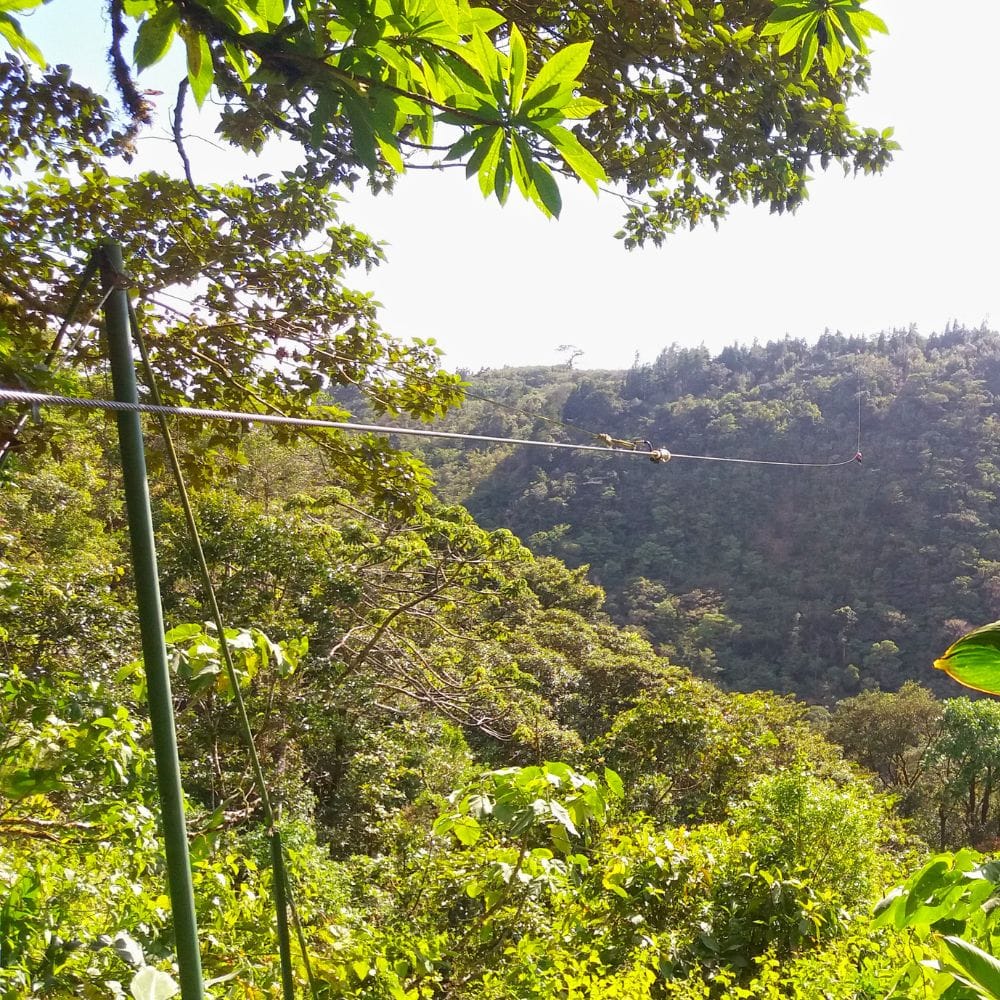
Many people have a fear of heights but still enjoy a zipline adventure! With doubly secured steel cables, harnesses, and a touch-free riding system, you have nothing to worry about. Just enjoy the ride. A safety line always holds you in place as you wait for the next zip line on the platforms. Our guides provide support throughout your adventure.
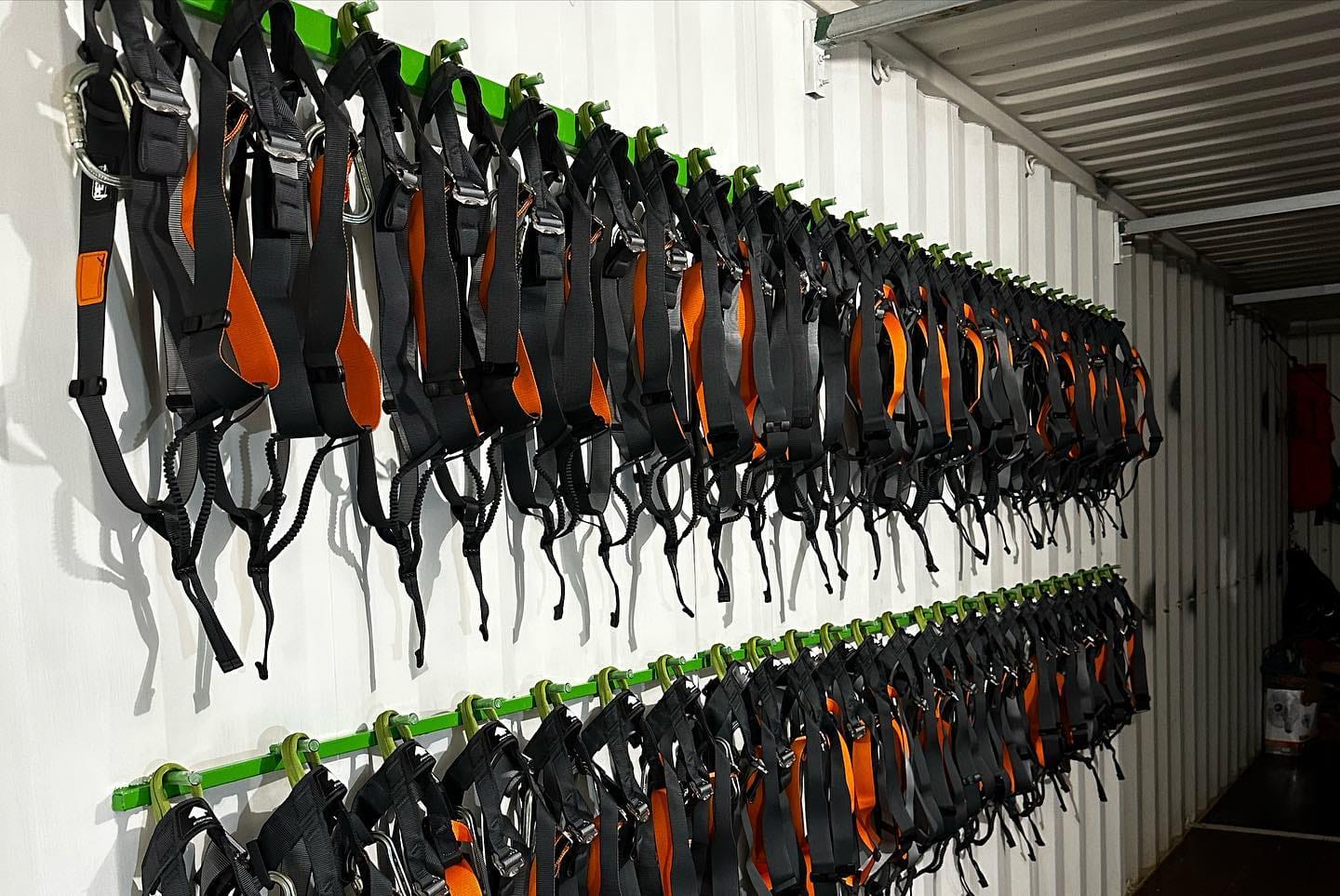
The canopy tour will equip you with a harness, helmet, and all necessary equipment for utmost safety once you reach its starting point. You will never be without these essential items during the entire experience.
Following a brief safety briefing from the guides, it’s time to unleash your inner bird! A series of cables and ziplines will attach you, enabling you to glide through the treetops and take in stunning views of the forest below. There’s something incredibly thrilling about flying through the trees, watching wildlife at close range, and feeling the rush of adrenaline as you soar through the canopy.
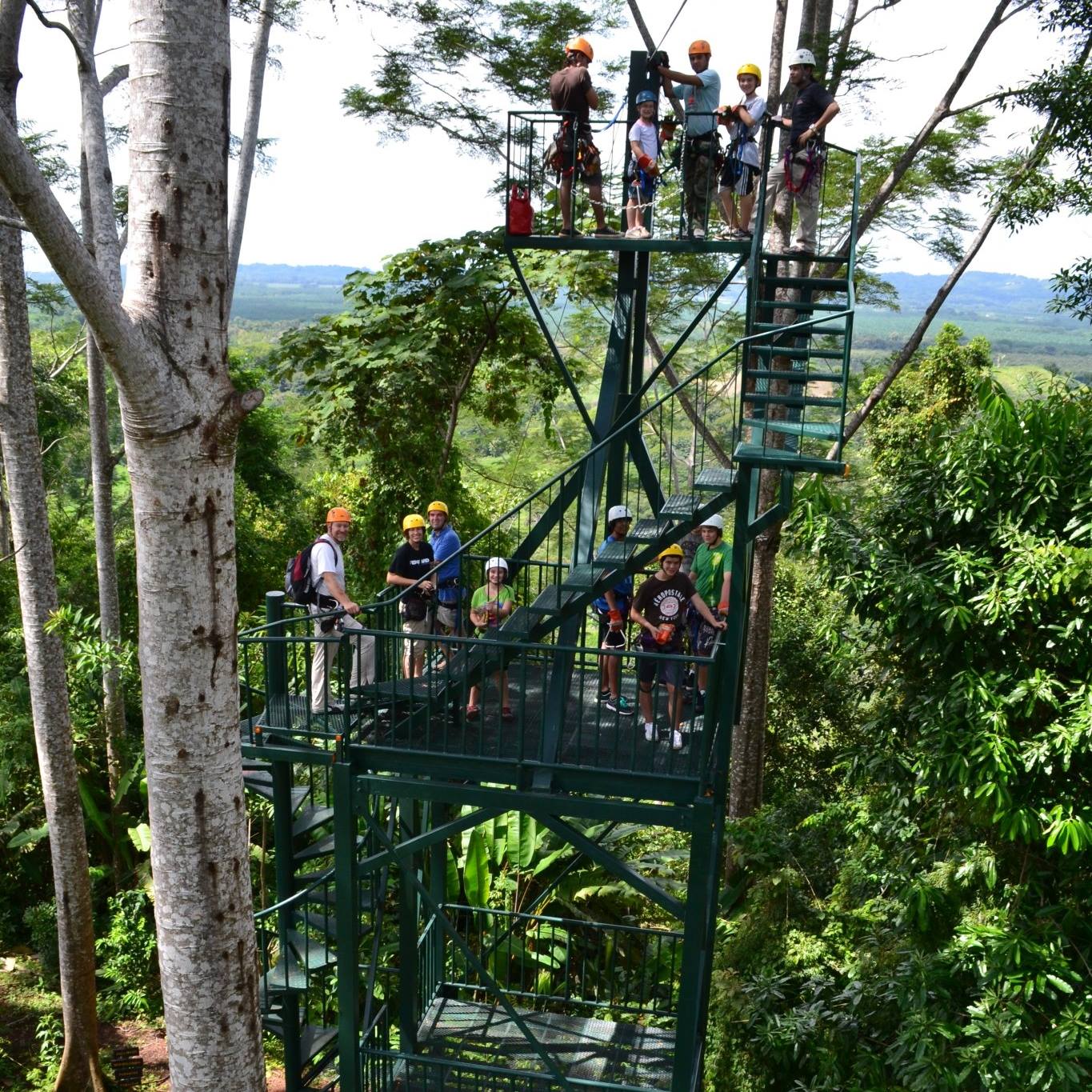
El Santuario boasts ten platforms and eight ziplines, offering an exciting ride with spectacular views of the lush jungle and sparkling waters. The ziplines range in length from 100 to 400 meters, situated at varying heights, offering a variety of forest perspectives. If you are afraid of heights but not terrified, this is an experience totally worth living. Plus, doing it in one of the most biodiverse rainforests in the world adds an incredible upgrade to the experience.
One of El Santuario’s standout features is its innovative braking system, which ensures a safe and comfortable ride for everyone. The system is user-friendly and lets you control your speed, so you can savor the ride at your own pace.
El Santuario also prioritizes sustainability. The tour operates on solar power, and the company has implemented various eco-friendly practices, including using organic products, water conservation measures, and promoting environmentally responsible tourism.
Participants in good health are ideal for El Santuario’s canopy adventure. The nature of the tour may restrict participation. All participants must sign a participant agreement/ waiver, weigh between 75 and 275 pounds to ride alone, be at least 4 years old to ride tandem with a guide, have parental or guardian consent if under 18, and meet physical requirements for an active tour.
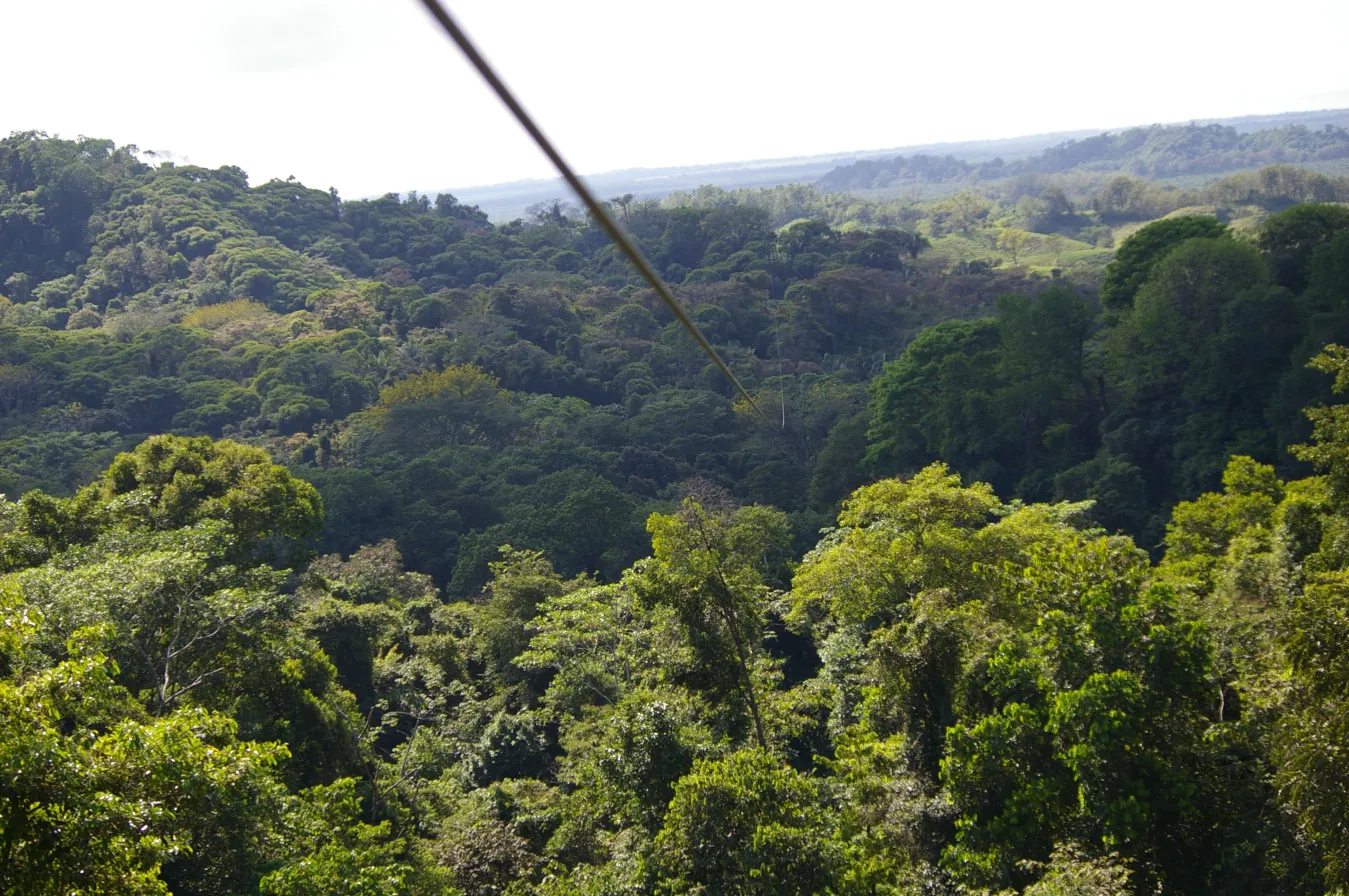
You will enjoy the tour from the ground, the trees, and above the canopy. The highest platform is about 40 meters above the ground, and you will zip approximately 100 meters above the jungle floor, with amazing views of the Costa Rican rainforest, mountains, and ocean. You will also be able to brag about zipping on Central America’s longest twin zip lines.
In conclusion, if you’re planning a trip to Manuel Antonio, make sure to include ziplining in Manuel Antonio. El Santuario Canopy Tour is the top choice for a unique and thrilling experience, thanks to its innovative braking system, commitment to sustainability, and knowledgeable guides. You’ll gain a unique and breathtaking perspective of the rainforest and create memories that will last a lifetime.
If you’re ready to enjoy an incredible experience at El Santuario, contact us now and we can reserve it for you!
If you’re pondering the Pacific or Caribbean Coast in Costa Rica? Which is better for our vacation? This comprehensive guide will explore their differences and similarities to help you make an informed decision.
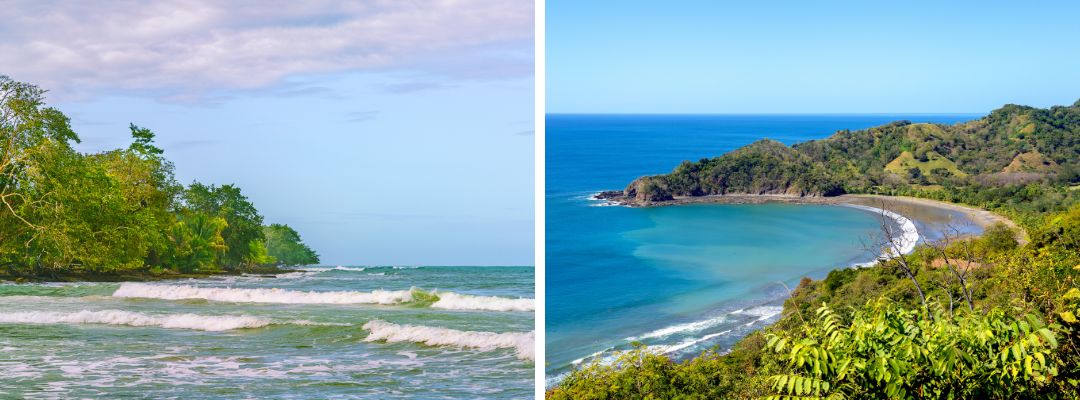
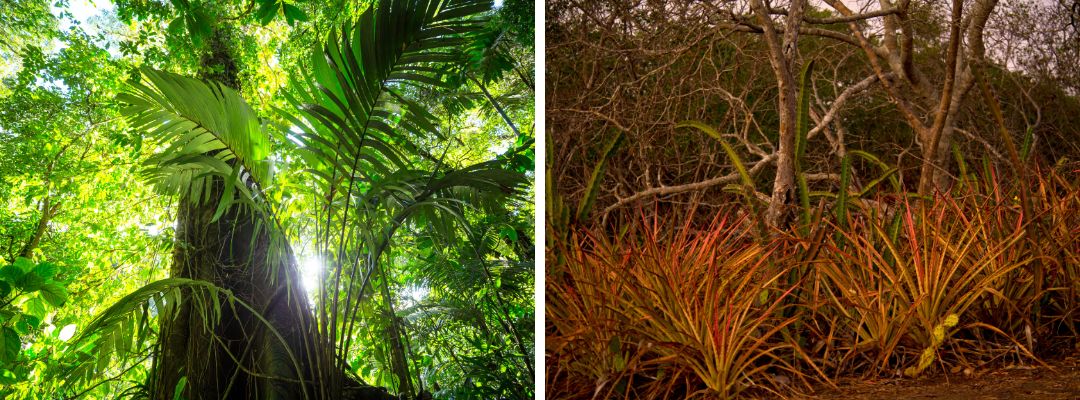
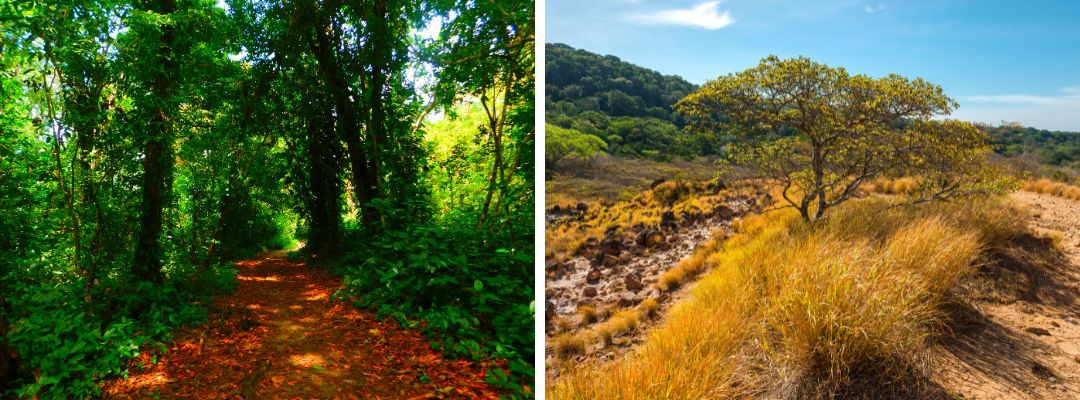
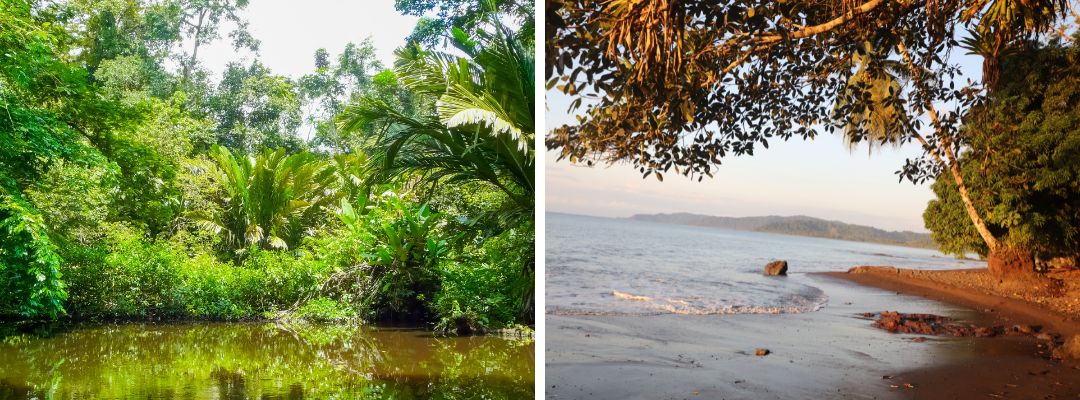
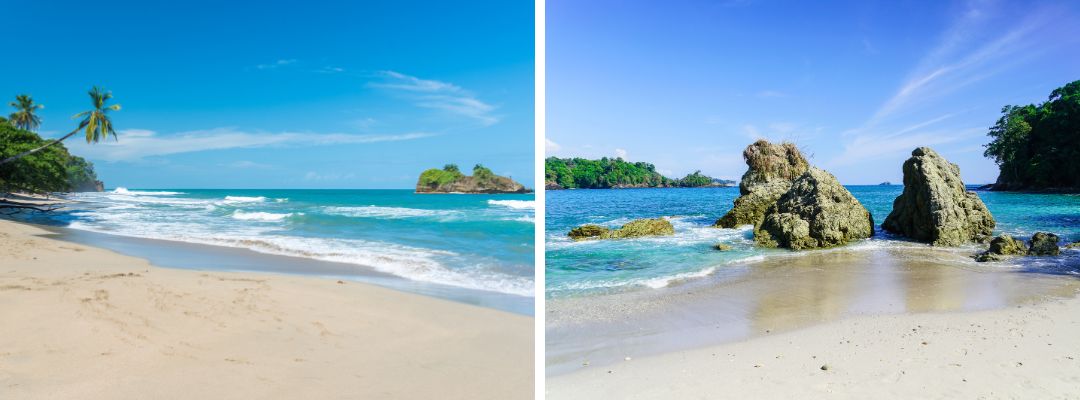
Pacific or Caribbean Coast in Costa Rica? Caribbean to the left, and Pacific to the right
Costa Rica is renowned for its breathtaking diversity, where lush rainforests meet pristine beaches and vibrant cultures blend seamlessly with nature. Among its most captivating regions are the Pacific and Caribbean coasts in Costa Rica, each offering unique experiences for adventurers and nature lovers alike.
Geographic Features
Caribbean Coast: Spanning 132 miles (212 km), the Caribbean coast is characterized by lush rainforests, diverse ecosystems, and unique sandy beaches in colors like black, yellow, and gray.
The Caribbean Coast is luscious, from border to border, all year round
This vibrant landscape is home to numerous wildlife habitats and stunning natural reserves. The coastline features picturesque towns such as Puerto Viejo and Cahuita, where the laid-back atmosphere invites visitors to unwind and connect with nature. The Caribbean coast is known for its vibrant coral reefs, making it a popular destination for snorkeling and diving enthusiasts.
Pacific Coast: Extending over 780 miles (1,254 km), the Pacific Coast features extensive white sandy beaches and a drier climate.
The landscape ranges from tropical dry forests to low montane forests, offering a variety of ecological zones and stunning vistas.
The North Pacific Coat in the sunny season is quite dry
Popular destinations like Tamarindo, Manuel Antonio, and Jacó are known for their vibrant nightlife, surf culture, and luxurious resorts. The Pacific coast is also home to several national parks, including Manuel Antonio and Corcovado, where visitors can experience Costa Rica’s rich biodiversity.
North Pacific
The North Pacific, encompassing areas like Guanacaste, is characterized by dry tropical forests. This region experiences a distinct dry season, making it a popular spot for sun-seekers and surfers.
The beaches here, such as Playa Conchal and Playa Flamingo, are famous for their beautiful sunsets and clear waters. In addition to beach activities, the North Pacific offers numerous opportunities for adventure, including zip-lining, ATV tours, and horseback riding in the surrounding hills.
Central Pacific
The Central Pacific, featuring towns like Jacó and Manuel Antonio, has a mix of humid rainforest and coastal ecosystems. This area is rich in biodiversity and offers lush landscapes, making it a popular destination for eco-tourism and adventure activities.
Manuel Antonio national Park
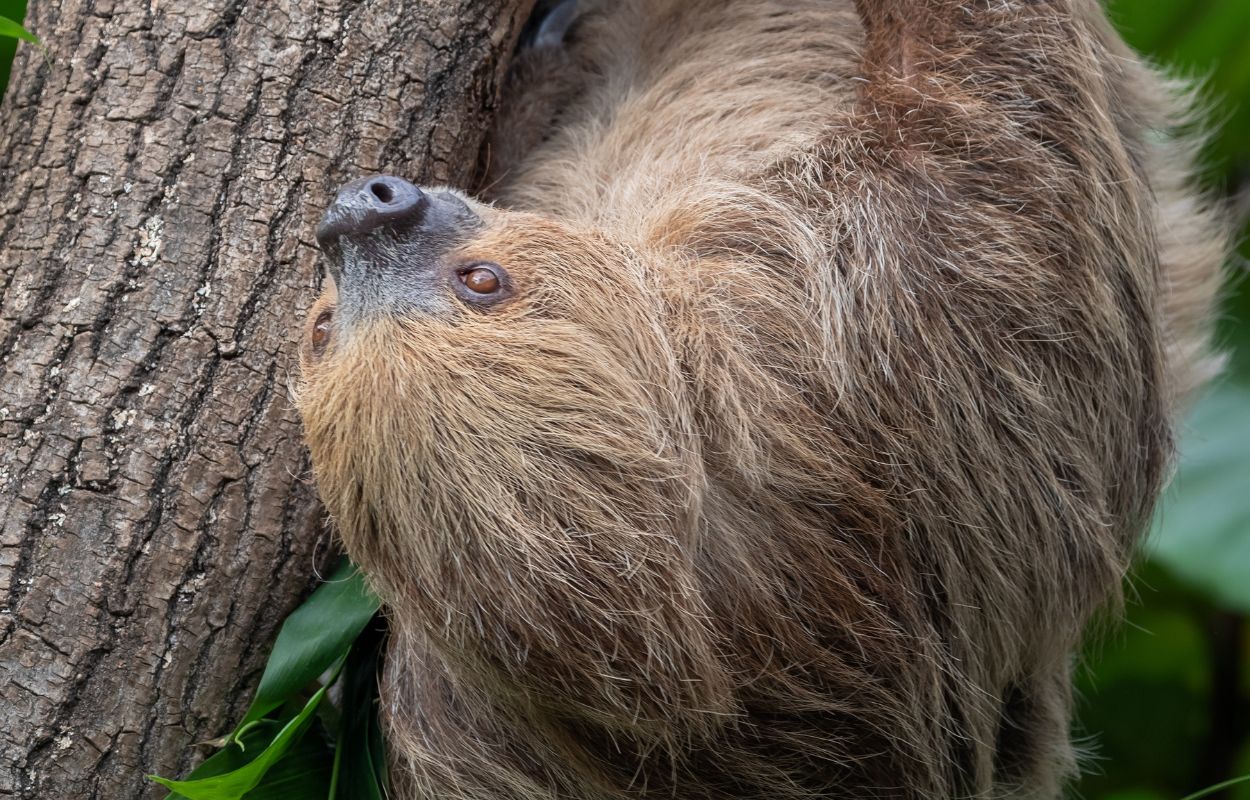
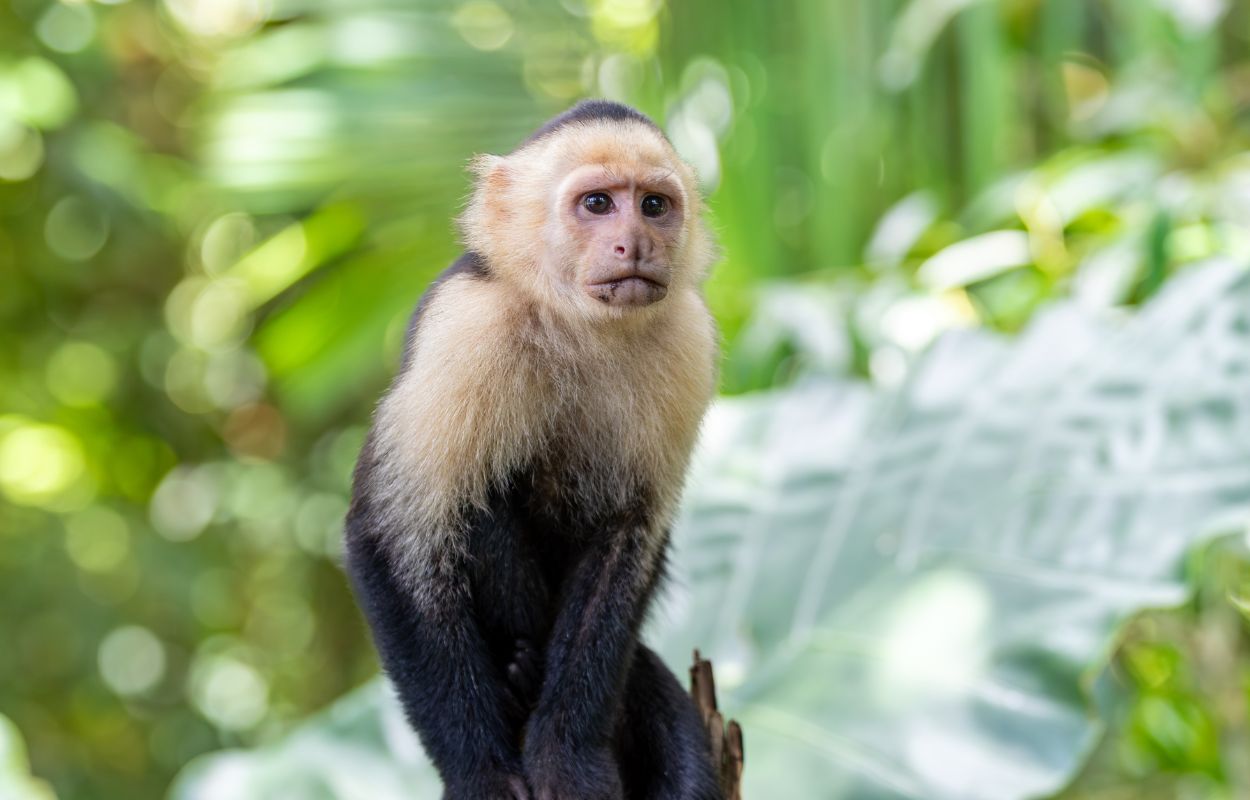
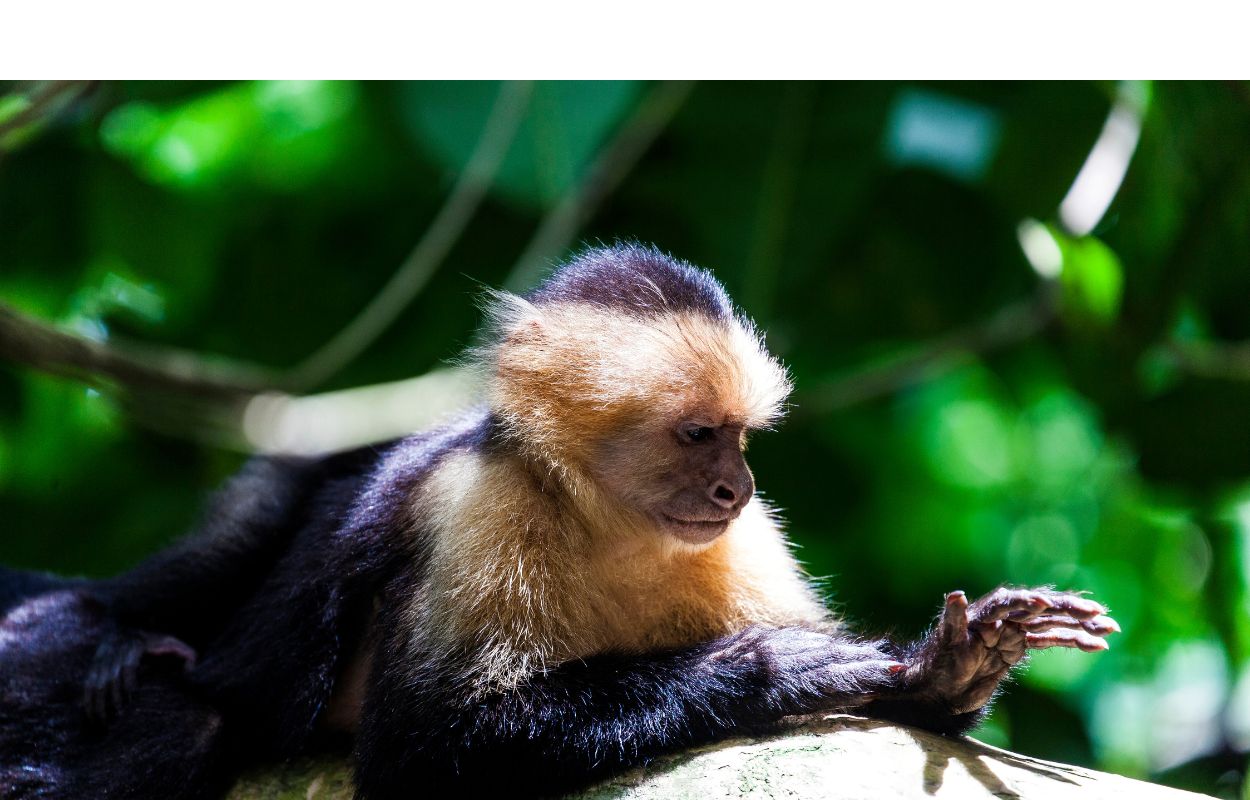
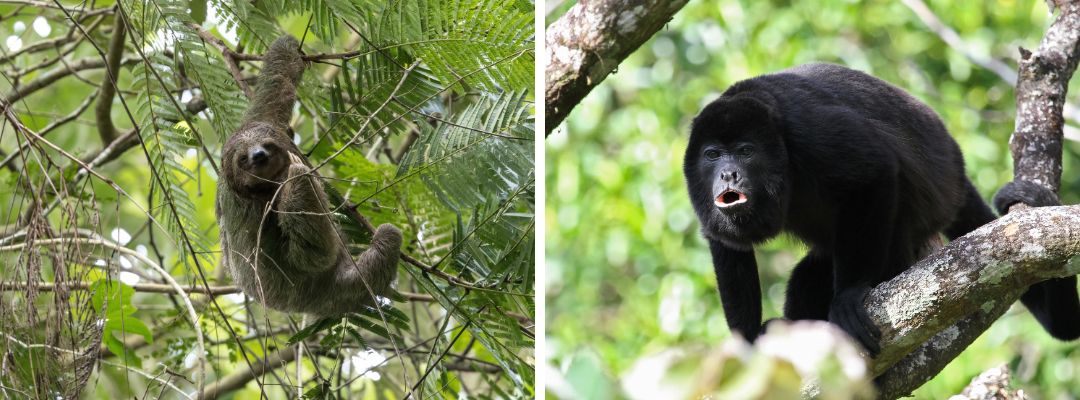
Manuel Antonio National Park, in particular, is renowned for its stunning beaches, hiking trails, and abundant wildlife, including sloths, monkeys, and a variety of bird species. The Central Pacific is also known for its vibrant nightlife and dining options, making it a favorite among travelers seeking both relaxation and excitement.
Central-South Caribbean
The Central-South Caribbean, including areas like Puerto Viejo and Cahuita, is characterized by humid rainforests similar to those found on the Caribbean coast.
This region showcases vibrant Afro-Caribbean culture, exotic wildlife, and stunning beaches. The beaches here, such as Playa Cocles and Playa Chiquita, are perfect for relaxation and water sports, while the nearby Cahuita National Park offers opportunities for snorkeling and hiking through lush trails.
The Central-South Caribbean is also known for its unique culinary offerings, including fresh seafood and Caribbean-inspired dishes.
The Pacific or Caribbean Coast in Costa Rica? Are you into a cultural, laid-back, easy vibe, or leisure and luxury? Pouring rains or dry environments? Lusciousness all over or diverse ecosystems? These are some of the questions to ask yourselves when deciding where to go.
Cultural Influences
Caribbean Coast: Rich in Afro-Caribbean culture, this region showcases influences from various ethnic groups, including the Bribri and Cabécar. The local music blends calypso and reggae, creating a lively atmosphere that resonates throughout the towns.
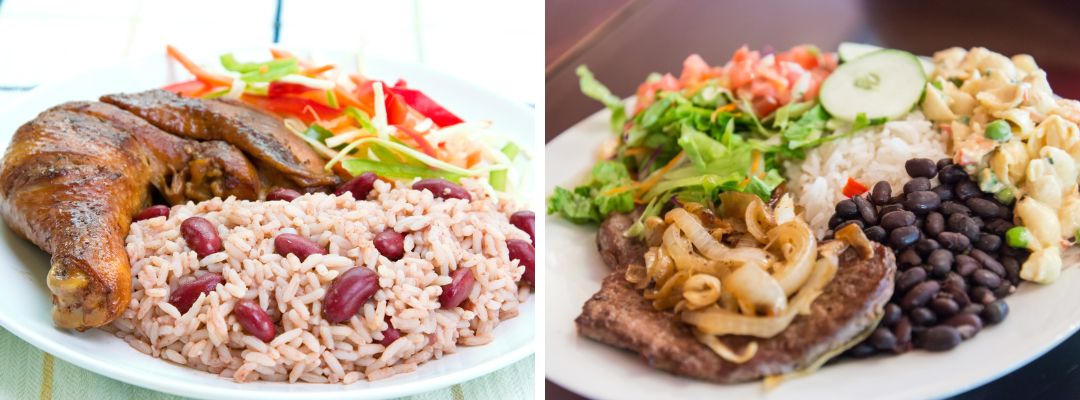
Cuisine in this region features dishes like rondón (a coconut milk stew) and patí (a savory pastry), reflecting the area’s unique heritage. As well as delicious coconut milk cooked rice and beans.
Festivals celebrating local culture, such as the Carnival in Limón, draw visitors eager to experience the vibrancy of Caribbean traditions. The warm and welcoming nature of the locals adds to the charm of the Caribbean coast.
Pacific Coast: Primarily influenced by Spanish heritage, the Pacific emphasizes traditional Costa Rican culture. Its cuisine is centered around seafood and local agricultural products, with dishes that highlight the freshness of the region.
The Pacific coast is home to various cultural festivals, such as the Festival de la Luz in San José, which celebrates the holiday season with parades and music. The Pacific coast’s vibrant nightlife, particularly in towns like Jacó, offers a mix of local and international flavors, making it a hotspot for both relaxation and entertainment.
Biodiversity
Caribbean Coast: Home to Tortuguero, Cahuita, and Hitoy Cerere National Parks, this coast hosts diverse wildlife, including three species of monkeys, exotic birds, and numerous species of reptiles.
It is a hotspot for wildlife observation, especially during turtle nesting seasons. The Caribbean coast’s lush vegetation, which serves as habitat for numerous species, complements its rich biodiversity.
Pacific Coast: Features a mix of ecosystems, including transition forests and protected areas like Manuel Antonio National Park. Known for its rich biodiversity, the Pacific offers opportunities to see a variety of wildlife, including scarlet macaws, iguanas, and dolphins.
The Pacific coast’s diverse habitats, from mangroves to dry forests, make it an excellent destination for nature lovers and wildlife enthusiasts.
Tourism Development
Caribbean Coast: More remote and less commercialized, this area focuses on eco-tourism centered around nature and wildlife experiences.
Limón serves as a central hub for tourism distribution, providing access to lesser-known attractions. The Caribbean coast’s commitment to sustainable tourism practices ensures that visitors can enjoy its natural beauty while minimizing their impact on the environment.
Pacific Coast: Highly developed, with luxury resorts and extensive tourist infrastructure, especially in Guanacaste. Popular beach towns like Tamarindo and Jacó cater to a wide range of tourists, offering numerous amenities and activities.
The Pacific coast’s well-established tourism industry makes it easy for visitors to find accommodations, dining, and adventure options that suit their preferences.
Accessibility in the Costa Rican Pacific and the Caribbean Coasts
Caribbean Coast: Often accessed via waterways, particularly to remote areas like Tortuguero or Barra del Colorado, which can be less convenient for travelers.
In the rainy season, roads can be slow due to natural issues such as floods and landslides, making travel more challenging. However, the journey often leads to hidden gems and stunning landscapes that are well worth the effort.
Pacific Coast: Well-connected with major roads and the Daniel Oduber International Airport, making it more accessible for international tourists.
The infrastructure supports easy travel to popular destinations, allowing visitors to explore the coast’s many attractions with ease. The Pacific coast’s accessibility makes it a favored choice for families and groups looking for convenience.
Climate onthe Costa Rican Pacific and the Caribbean Coasts
Caribbean Coast: Generally more humid and rainy, contributing to its lush vegetation and vibrant ecosystems. The consistent rainfall supports a rich variety of plant and animal life. The Caribbean coast’s climate is ideal for those who enjoy a tropical atmosphere and the vibrant flora that comes with it.
Pacific Coast: Experiences a drier climate, particularly in Guanacaste, leading to a different type of flora and fauna. The dry season attracts many visitors seeking sunny beach days, making it an excellent choice for sunbathers and outdoor enthusiasts. The Pacific coast’s climate is perfect for those who prefer warm, dry weather for their beach activities.
Distances from Major Airports
From San José (SJO):
– North Pacific (e.g., Tamarindo): approximately 4-5 hours (270 km/168 miles)
– Central Pacific (e.g., Jacó): approximately 1.5-2 hours (100 km/62 miles)
Caribbean Coast (e.g., Puerto Viejo): approximately 4-5 hours (230 km/143 miles)
From Liberia (LIR):
– North Pacific (e.g., Tamarindo): approximately 1-1.5 hours (70 km/43 miles)
Central Pacific (e.g., Jacó): approximately 2.5-3 hours (150 km/93 miles)
Caribbean Coast (e.g., Puerto Viejo): Approximately 5-6 hours (350 km/ 217 miles)
Similarities Between the Coasts
Natural Beauty: Both coasts boast stunning landscapes, from pristine beaches to rich forests, offering breathtaking views and natural attractions that captivate visitors. Whether you prefer the lush greenery of the Caribbean or the golden sands of the Pacific, both coasts provide unforgettable scenery.
Adventure Activities: Each region provides ample opportunities for adventure, including surfing, snorkeling, hiking, and wildlife tours, appealing to thrill-seekers and nature lovers alike. From the vibrant coral reefs of the Caribbean to the powerful waves of the Pacific, both coasts cater to adventurous spirits.
Ecotourism Focus: Both coasts emphasize sustainable tourism practices, with many local businesses dedicated to preserving the environment while providing unique experiences. This commitment to eco-tourism ensures that visitors can enjoy the natural beauty of Costa Rica responsibly.
Observation: Each coast offers opportunities to observe diverse wildlife, although the types of species and their visibility may vary depending on the region. Whether you’re spotting howler monkeys in the Caribbean or colorful toucans in the Pacific, wildlife enthusiasts will find plenty to marvel at.
Rich Culinary Traditions: Both regions feature unique culinary offerings that reflect their cultural influences, with an emphasis on fresh seafood and local ingredients that delight the palate. From Caribbean-style rice and beans to Pacific ceviche, food lovers will find a variety of delicious options.
Cultural Festivals and Events: Both coasts celebrate their unique cultures through festivals, music, and dance, showcasing the vibrant heritage of Costa Rica. These events provide visitors with a chance to immerse themselves in local traditions and experience the warmth of Costa Rican hospitality.
Conclusion: Pacific or Caribbean Coast? Which is better?
In conclusion, the choice between the Pacific or Caribbean coast in Costa Rica ultimately depends on your preferences and what you seek in your travel experience. The Caribbean offers a wilder, more remote atmosphere with easy wildlife viewing and a rich Afro-Caribbean heritage, perfect for those looking to connect with nature and culture. On the other hand, the Pacific is more developed and accessible, featuring luxurious resorts, a variety of adventure activities, and vibrant nightlife.
Whether you’re drawn to the vibrant towns along the Caribbean or the sun-kissed beaches of the Pacific, both coasts promise an adventure of a lifetime.
If you need guidance on the best local tour operators in Costa Rica, I can help point you in the right direction to ensure you have the best experience possible. Enjoy your adventure in this beautiful paradise, and remember that whether you choose the Pacific or Caribbean Coast, you are in for an unforgettable journey.
In this podcast, Costa Rican tour guide Olga shares the most popular Costa Rica travel itinerary, highlighting must-see destinations such as San José, Tortuguero, Arenal, and Manuel Antonio. This itinerary is designed for travelers seeking a well-rounded experience, covering key attractions and practical tips for a memorable visit.
You can listen to the podcast here:
Introduction
Hello, my name is Olga, and I’m a Costa Rican tour guide, travel blogger, and now travel podcaster. Today, I’m going to tell you about the most usual -and popular- itinerary—the vacation that everybody sells. You know, it’s the one that you will find on the big company websites and in local travel agencies. It’s the itinerary that everybody will sell you.
This Costa Rica travel itinerary includes the main destinations that I’ve been discussing recently in other podcasts when talking about must-see places in Costa Rica. It covers San José downtown, Tortuguero, Arenal, and the beach. I will be excluding Monteverde in this occasion. So let’s just start by arriving.
Arrival in Costa Rica
You’re dreaming about going to Costa Rica. I don’t care where you are right now; I know you’re dreaming about coming to paradise and thinking about what to do and what’s best. I’ve been talking about these must-see places in Costa Rica because they are the first destinations that everybody tells you to visit.
This is the most popular route that we use for newcomers; this Costa Rica vacation itinerary can help you get ideas about where to go and how to do it.
Why These Destinations?
Why are they so good? Well, they have everything: good infrastructure, good communication, well-maintained roads, quality hotels, great tours, and responsible operators. This has all been summarized in past podcasts about the must-see places in Costa Rica. You can find them on my website, olgasigns.com, or at costaricapodcast.com.
First Day Itinerary
Now, let’s talk about the first day when you arrive in Costa Rica for this coast-to-coast usual itinerary. You will be arriving in San José. SJO is the main international airport of Costa Rica. Depending on what time you arrive, you may want to know a little about San José and what there is to do in the city. Is it worth a visit?
San José: The Reality
Many people say it’s ugly, dirty, and dangerous. Is that true? Let me tell you a little bit about it in a minute. First, consider what time you arrive. Usually, hotels allow check-in at 2 or 3 o’clock in the afternoon, and some even extend up to 4. This is especially true in high season. In low season, it can vary.
The reason for this is that rooms are empty, so you can check in early. However, when the hotel is waiting for the previous guest to depart, they need time to clean and prepare the room for you. As I mentioned, check-in time usually goes from 2:00 to 4:00 in the afternoon.
Arrival Example
Let’s say you’re coming from the west coast of the United States, and your flight arrives around 8 to 10 o’clock in the morning—maybe 8:30 or 9:00. Upon arrival, your travel company will welcome you at the airport, or you can get an Uber to take you to downtown San José and your chosen hotel.
I will discuss San José and its areas in future podcasts. For now, suffice it to say that it’s 20 kilometers from the airport. You can take an Uber, a bus, or a private transfer. My suggestion is to opt for a prepaid reserved transfer to take you to your hotel or Airbnb.
Exploring San José
Once you arrive at your hotel, you can leave your luggage while your room is being prepared. If you arrive at 11 o’clock in the morning, you have the whole day to explore. My suggestion is to get a taxi or an Uber and head downtown San José.
I say “come” because I live in downtown San José. Contrary to what I just mentioned, there are very few people living in downtown San José now. It’s more like a huge bus stop, with buses coming from everywhere in the Central Valley. San José is the main city of Costa Rica and a crossing point for many travelers.
Hotels in San José
There are some big, nice hotels downtown, such as Hilton and Marriott, along with charming boutique hotels.
First Hours in San José
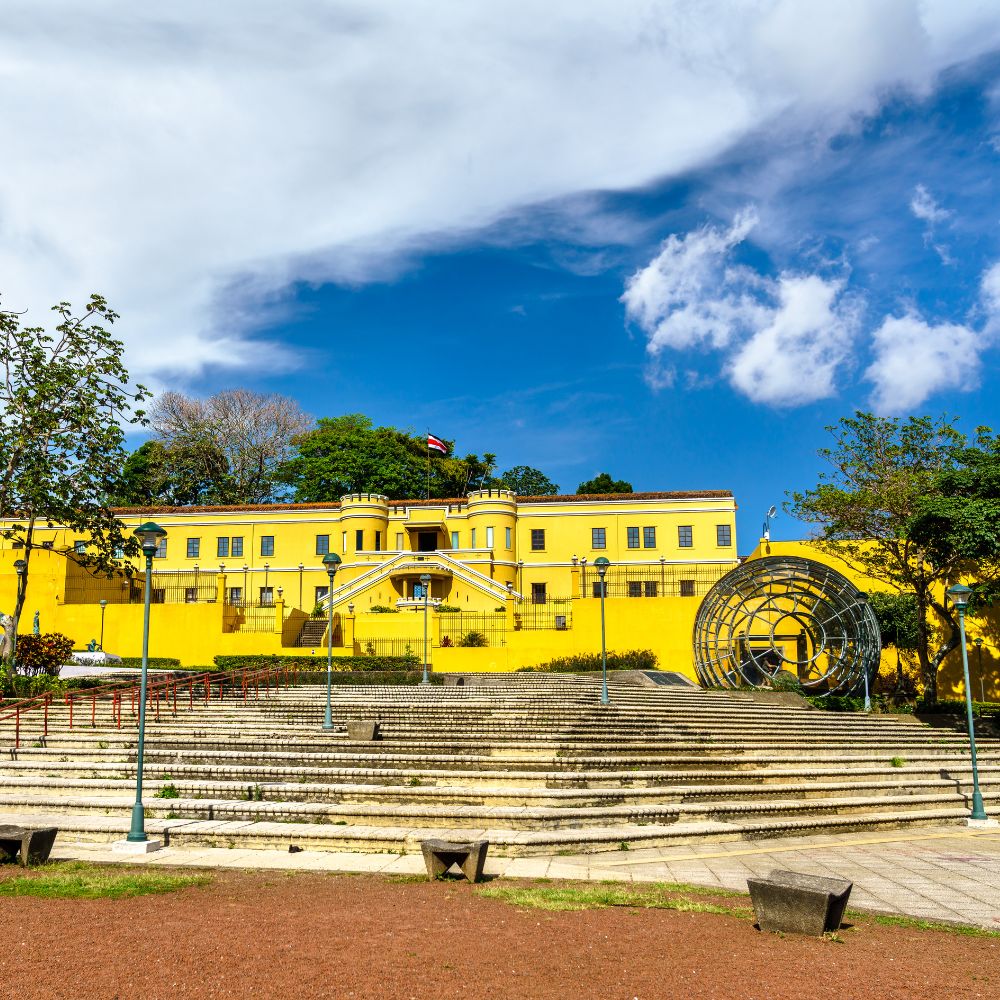
What to do during those first hours? You can visit one of the museums. The National Museum is a great place to see the old headquarters of the Costa Rican army and learn about the recent history regarding the abolition of the army. They have a small pre-Columbian collection, a butterfly garden, and an amazing botanical garden. If you have a tour guide, they will definitely recommend this place, as it’s a great spot to discuss Costa Rican history.
The Jade Museum and the Gold Museum are also fantastic places to visit, mainly because of their architecture and the way they display their collections. The Jade Museum, which was built in the last 10 to 15 years, resembles jade rock and has an amazing pre-Columbian jade collection.
Family-Friendly Options
Another museum worth visiting is the National Children’s Museum. If you have kids with you, they’ll have a blast. It was created amidst an old Costa Rican prison, and the building itself is really cool. I highly recommend visiting the National Children’s Museum if you have children.
Art and Culture
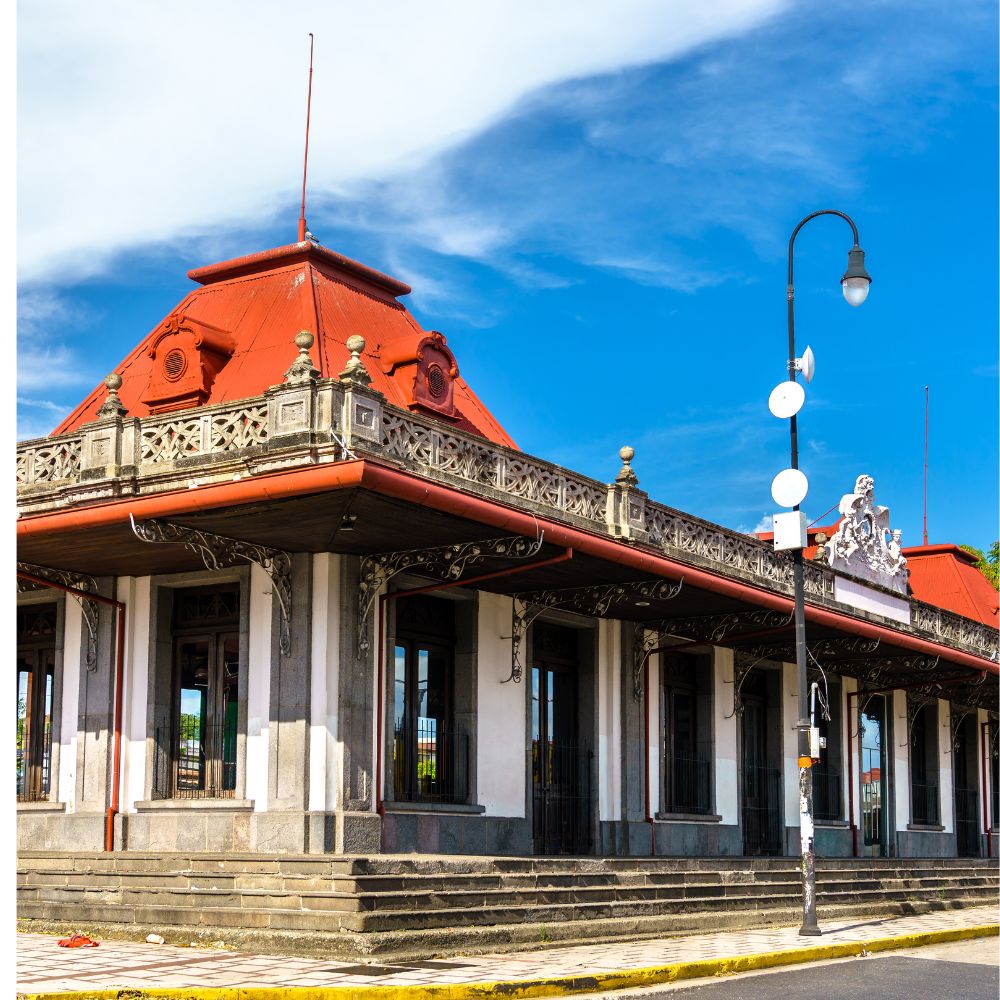
There are a couple of art museums, including the Contemporary Art Museum downtown, which is surrounded by parks. This area is worth a stroll, especially around the National Park, the old train station, and the Congress building. You’ll also see the old liquor factory, which is now the Contemporary Art Museum.
From there, you can walk to Parque España and the Morazan Park. These parks are very green and beautiful. From there, you can head into Central Avenue, take the pedestrian walkway, and return to the Gold Museum and the Plaza de la Cultura.
National Theater
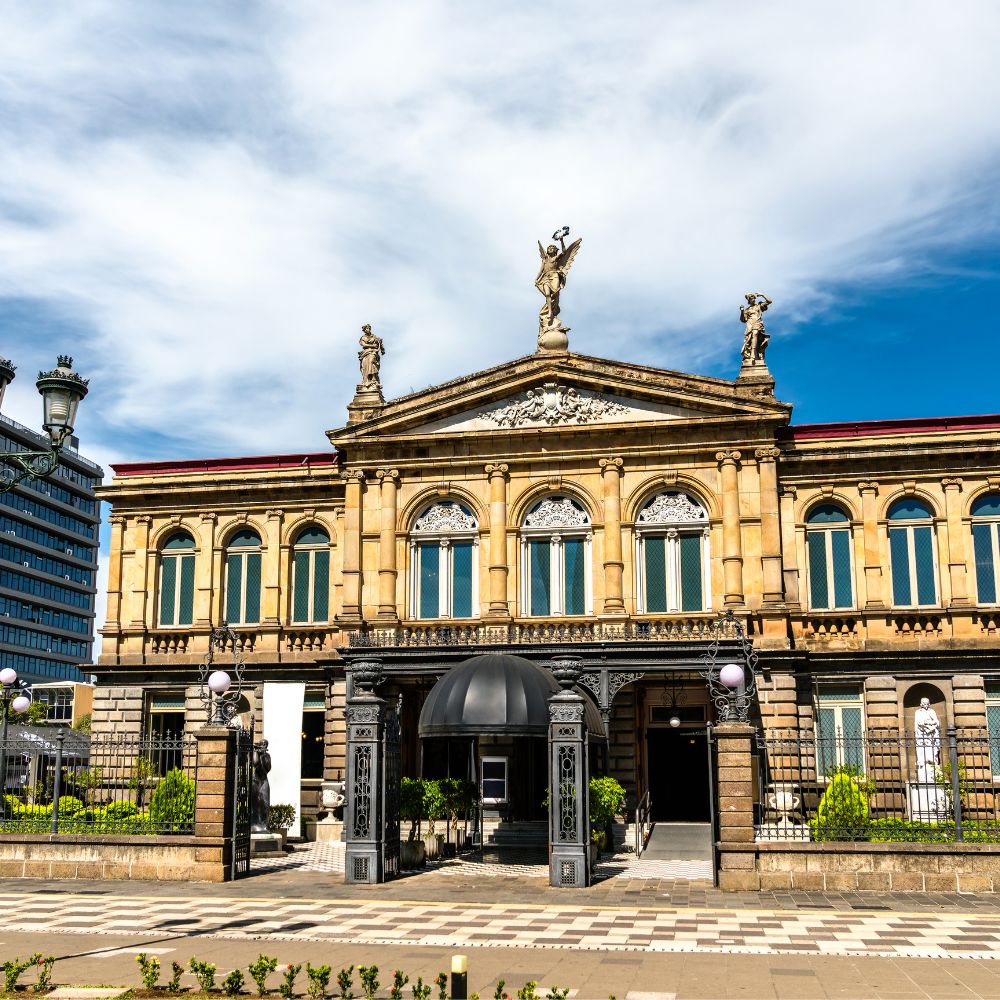
Then, you will find the National Theater, a real landmark of Costa Rica. You should go with a guide or take one of their guided tours, as it has so much information about Costa Rican history and culture.
Understanding Costa Rica through the National Theater will give you insight into how the country values beauty, art, peace, and agriculture. The building is beautiful, with golden details and lots of artwork, and it reflects Costa Rican democracy and the drive for peace and work.
Central Market
From there, you can walk down the pedestrian boulevard on Central Avenue to the Central Market. In that area, you will find some nice cafeterias on the second floor of a couple of buildings where you can have lunch or enjoy delicious Costa Rican coffee.
The Central Market also offers authentic Costa Rican food, souvenirs, and a chance to see locals interacting. You’ll find traditional artisan shops, flower stores, and iconic artisanal ice cream known as “Helados de Sorbetera.”
Safety Tips
San José is a very small city. When I lived in Mexico, the locals would joke that there were more people in their neighborhood than in all of Costa Rica. I totally agree because it’s true.
Costa Rica is refreshingly small. One thing to note is that there is some petty crime, so be mindful of your belongings. Keep your purse close and your wallet in your front pocket. Tourists are not typically targets for violent crime, but petty theft can occur.
You will also find a special police force called Policia Turistica. They are bilingual and available to assist you if anything happens.
Next Steps
After your first day in Costa Rica, in the most popular travel itinerary in Costa Rica, you’ll head to your hotel for dinner, and the next day, you will travel to Tortuguero. You will wake up early and drive through the Braulio Carrillo National Park, which is a gorgeous rainforest filled with massive amounts of greenery.
Journey to Tortuguero
Through the mountains, you will go through a tunnel to reach the Caribbean side of Costa Rica. The landscape changes dramatically.
You’ll have breakfast in the Caribbean lowlands and start to see ornamental plantations, pineapple plantations, and banana plantations. Livestock is also a significant product in the area. You might even see local tropical fruits like yuca, malanga, or guanabana.
At the pier, there is usually a small grocery store where you can buy snacks, juice, or water. This is where your luggage will be taken to the boat. We usually recommend that passengers come down from the bus and wait for their luggage to be unloaded. Once the luggage is out, passengers need to take it to the assigned boat.
The tour guide will inform you where to find your boat, and then you can use the restroom or buy snacks before departing for Tortuguero. Depending on the time of year, the most commonly used pier is La Pavona. After arriving at La Pavona, it’s about an hour to Tortuguero.
Exploring Tortuguero
You will arrive at the lodges right before lunch, enjoy a meal, and then explore the town. This isn’t the usual hotel package; it’s a chance to get to know the people and see where the grocery store is located. If you’re staying at one of the hotels, I recommend taking a walk through the gardens while heading into town.
You can do some shopping in town, which has a bank office and supermarkets. You’ll find some needed medicines if necessary, but they do not provide pharmaceuticals, so bring what you need with you.
Tortuguero National Park
Once you are in Tortuguero, as I mentioned in previous podcasts, you will explore the national park either by boat or canoe. On the third or fourth day of your vacation, you will move from Tortuguero to Arenal. You will depart around 9:00 a.m.
Once you’ve done all the activities in Tortuguero, your transportation will be waiting for you at La Pavona. If you’re in a group, the bus will be waiting for you at the pier. In some cases, the group bus will take you to where you had breakfast, which is also where you will have lunch.
Journey to Arenal
After breakfast, you will head to Arenal, which is about a three and a half to four-hour drive. You will likely depart around midday, arriving in Arenal around 4 or 5 in the afternoon. It’s worth noting that there are a few stops you can enjoy along the way, but don’t take too long; you don’t want to be on the road at night, as it can be dark and confusing.
You will drive through Horquetas, Puerto Viejo, and the Rio Sarapiquí area, which is a haven for bird watching and rainforest exploration. There are fruit stands along the way where you can stop and taste some exotic tropical fruits.
Exploring La Fortuna
Once you arrive in La Fortuna, I highly recommend taking a walk around the town to see what it has to offer. If you’re in a tour group, your guide will likely take you to the town. La Fortuna has great galleries, pubs, restaurants, banks, and pharmacies, making it a vibrant place to explore.
In Arenal, there’s so much to do. You can visit the national park, go hiking, ziplining, canyoning, rappelling, or rafting. Depending on your adventurous spirit, you can enjoy various activities or relax at one of the amazing spas and soak in hot mineral volcanic waters.
Journey to the Beach
After enjoying Arenal, you will drive all the way to the coast.
In this travel itinerary in Costa Rica you will go to Manuel Antonio, but it’s important to clear that you can also go to the Guanacaste beaches.
This itinerary spans about seven to eight days. At this point, you can choose whether to visit Monteverde. For this itinerary, we will head straight to the beach, specifically to Manuel Antonio instead of Guanacaste.
Why Manuel Antonio?
Manuel Antonio is much closer to the international airport, which is a good reason to choose it. It’s also part of the Central Pacific area, where you can enjoy both the rainforest and the beach. Manuel Antonio is the most well-known place in the area, featuring a national park filled with wildlife, including monkeys and sloths.
Other Beach Options
However, it can be crowded, and finding hotel space can be challenging. Other options include Jaco Beach, which is close to San José and known for its nightlife. Just be cautious of the riptides there. Playa Hermosa is great for surfers, while Esterillos is a beautiful, empty beach perfect for relaxation.
Accommodation in Manuel Antonio
In Manuel Antonio, you have Quepos, the downtown port, but not many accommodation options. I recommend heading up the hill to Manuel Antonio, which has stunning views and beautiful boutique hotels, some of which are rated among the best in the world.
Manuel Antonio | Must See Destinations in Costa Rica
Exploring the Southern Pacific Coast
Further south, you can explore Dominical and Uvita, which are also great areas, especially for surfers. The whale festival takes place here in August, September, and October when whales migrate from the southern hemisphere.
Conclusion
After enjoying the Manuel Antonio area, you will drive back to San José. This is the usual itinerary that travel agents sell as the most common Costa Rica travel itinerary. It’s not the best or the worst; it’s just the main destinations. These places have everything you need for comfort in every way you can think of.
While there are other less-known destinations that are just as beautiful, I’ll stick to discussing this Costa Rica travel itinerary in this podcast. I plan to share information about other itineraries in future podcasts.
As I mentioned, I’m not a travel agent and do not operate tours, but I can recommend the best options. If you’re coming with family, on your honeymoon, or planning a wedding here, I can provide guidance tailored to your needs. If you’d like to discuss your trip further, please let me know, and we can arrange a short meeting to go over my fees and services.
Thank you for listening, and enjoy your trip to Costa Rica!
When you choose among destinations to go to Costa Rica, you will repeatedly notice some choices. So aiming to give a more precise point of view, I decided to create these comparison posts that will guide you from the most popular places to the off-the-beaten pathways. This post will discuss Tamarindo Beach in the North Pacific and Manuel Antonio Beach in the Central South Pacific.