Sloths in Costa Rica, a travelers guide.

Sloths in Costa Rica

Sloths in Costa Rica are the beauty everyone wants to dance with. We never see them enough, and visitors from all over the world come to see them and are amazed by this fantastic, quite slow, and dirty creature. What is the reason for his magnetism?

Sloths in Costa Rica
The Blue Sloth. Painting by Olga Sáenz

Like the Mona Lisa, it is probably the smile, perhaps without the clever spark of the painting, but with a softness that is hard to ignore. There is an aura of wisdom around sloths, and somehow it attracts us all.

The fact is that sloths in Costa Rica are the most popular and supported animals of all.

And, of course, another definitive fact is that if you come or are already in Costa Rica, you will want to see a sloth.

Some Data

Let’s talk about them first so that we can understand some facts that will help us find them and know what to do if we encounter one of them:

Sloths are the Neotropical mammals that live high in the treetops, as their diet is based on leaves.

There are two families of sloths in the world: two-toed sloths and three-toed sloths. And these have six species, among which two are found in Costa Rica.

(Despite this universal classification, all sloths have three toes on their hind legs).

They have been around for 64 million years, to be precise.

We all know SID from Ice Age, who is our current version of the great-great-grandfather of all the sloths we know today, in all their different adaptations.

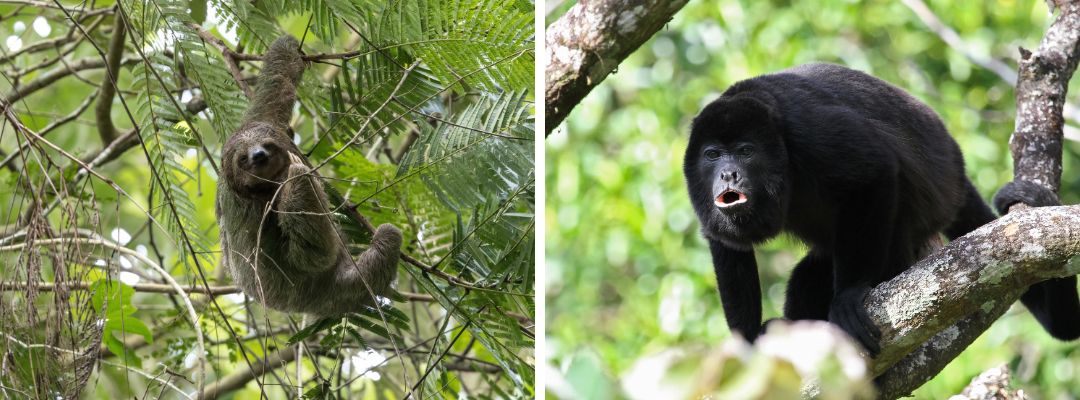
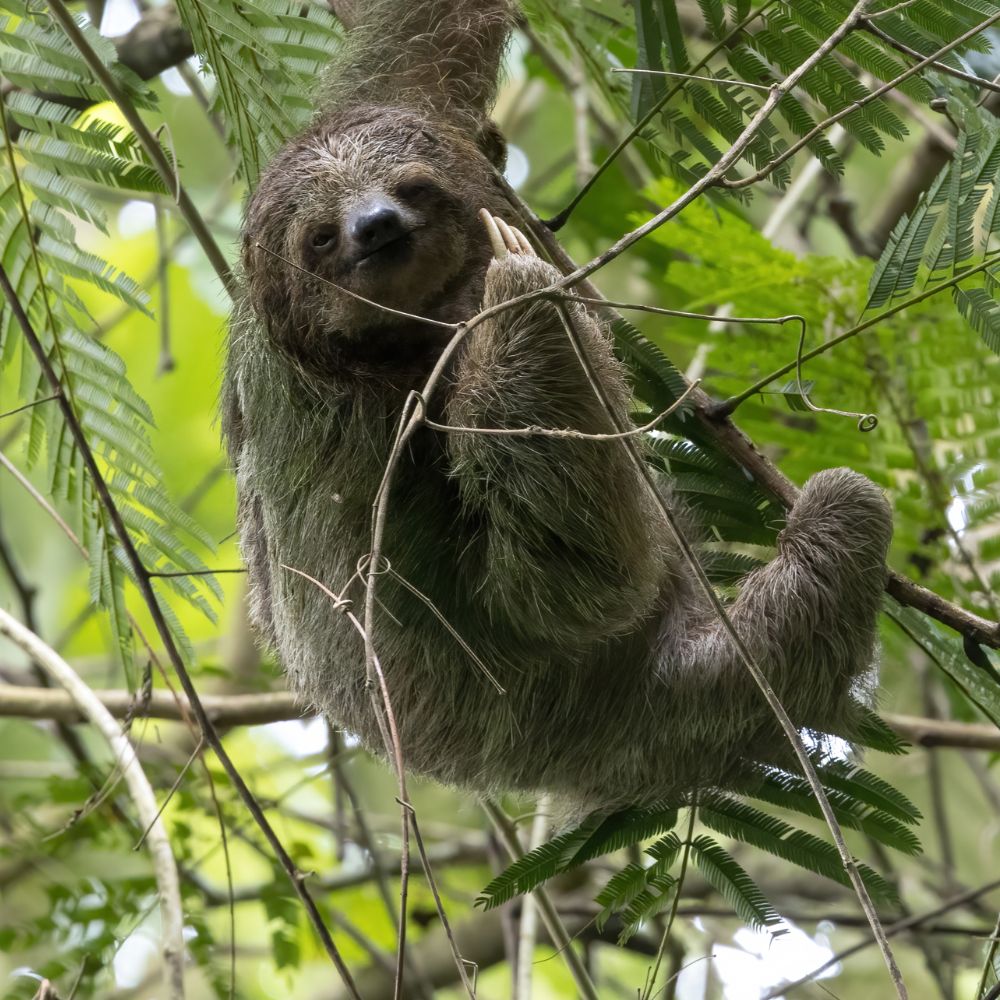
The sloths in Costa Rica are from two recognizable species: the brown-throated three-toed sloth and the Hoffmann’s two-toed sloth.
Sloths in Costa Rica


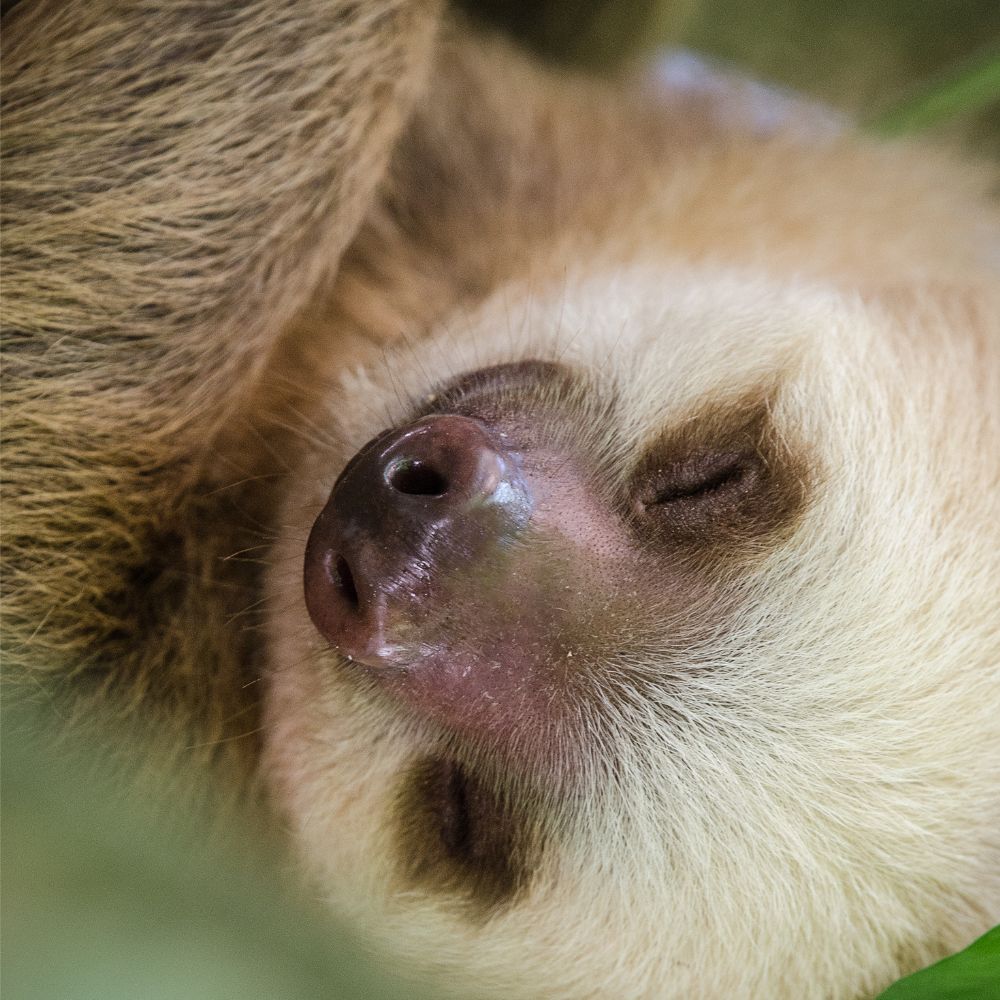
Hoffman’s two-toed sloth (Choloepus Hoffmanni)

The Hoffmann’s two-toed sloth is harder to find, as it is usually active at night. You’ll see it curled up into a ball of fur all day long, typically covered in leaves.
Sloths in Costa Rica

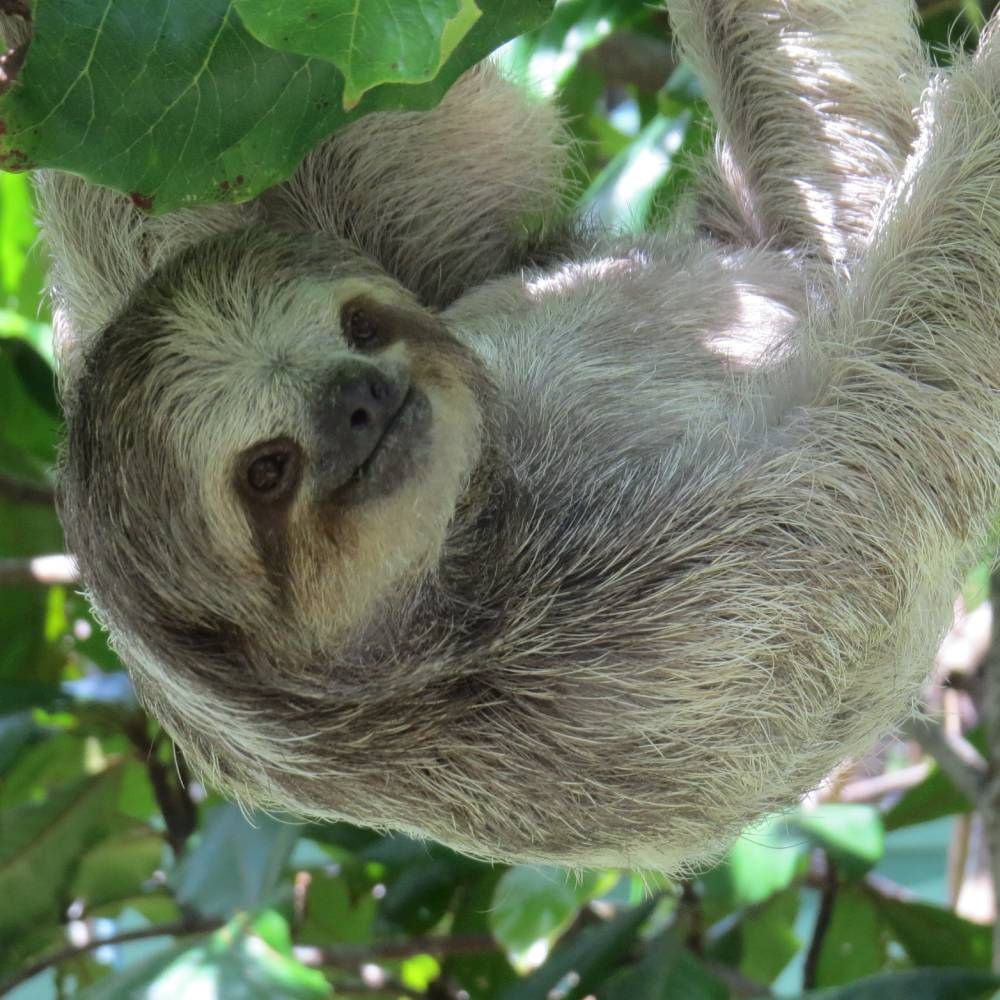
Brown-throated Three-Toed Sloth (Bradypus abigarraus)

The most well-known sloth in the world is the Brown-throated Three-toed Sloth. They are smaller in size than the Hoffman sloth, as they are a bit more active.

Why are sloths so slow?

The slowness of sloths is key to their survival. Far from being lazy, and despite their name, sloths are very efficient in energy maintenance, and it has to do with their diet.

Sloths are slow because of what they eat: twigs, leaves, and flowers, which are low in energy and lack much of the required nutrients—ssuch as fats and proteins—ffor a well-balanced meal.

However, this characteristic also helps them survive in the forest, especially in natural situations.
Sloths in Costa Rica

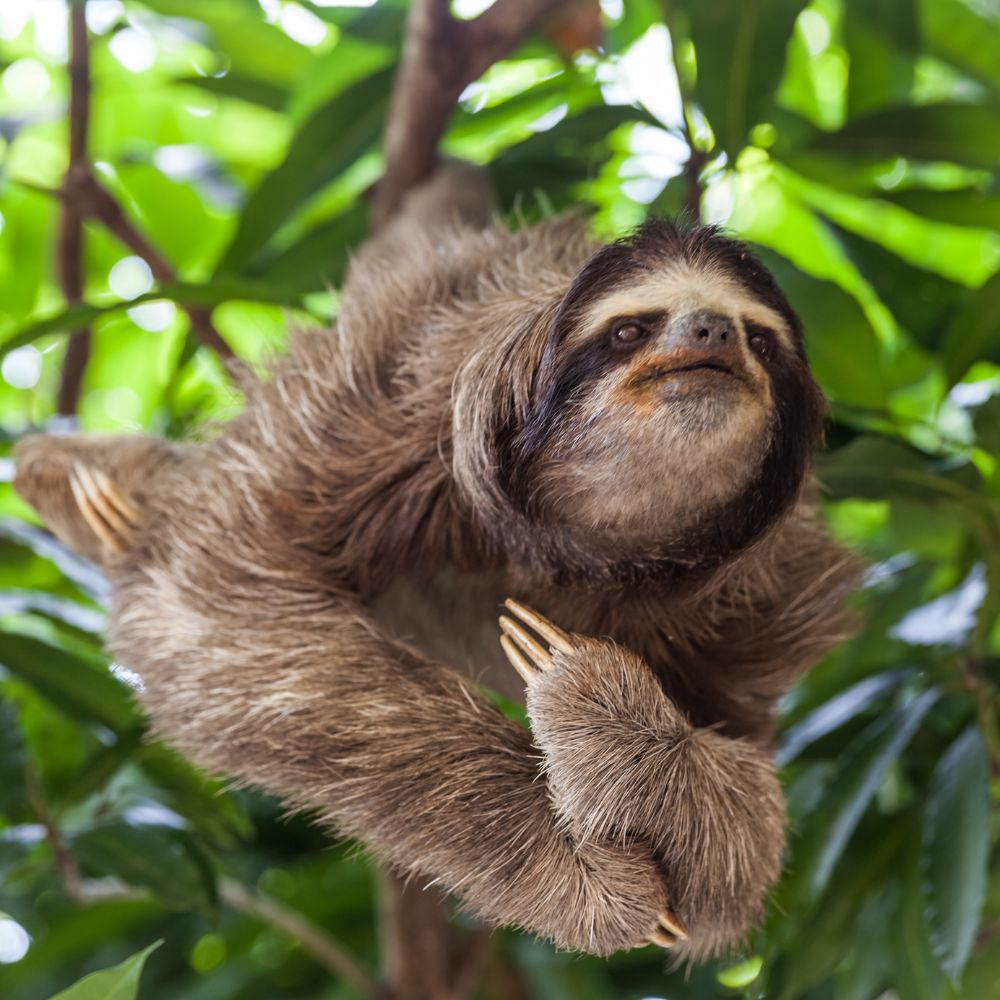
Generally, herbivores that eat leaves, twigs, and flowers from trees have very complex digestive systems that allow them to digest cellulose, among other substances. In the case of the sloth, although it has a complex digestive system, it compensates for its small size with a great energy-saving system and temperature regulation (yes, like reptiles).

Where to find sloths in Costa Rica?

That is the key question… Isn’t that so?

Of course, we can make it easy by saying “in the jungle.” However, no.

Sloths are difficult to spot on a trail in a dense rainforest (unless they’re down in the toilet). Remember that in the jungle, survival is the main objective of any living creature; the superpower of sloths is invisibility.

Any tour guide in Costa Rica will tell you that the best place to see a sloth is actually the road.

Yes, on the road.

The roads in Costa Rica are usually lined with trees, and some of the most common are the Cecropia Trees.
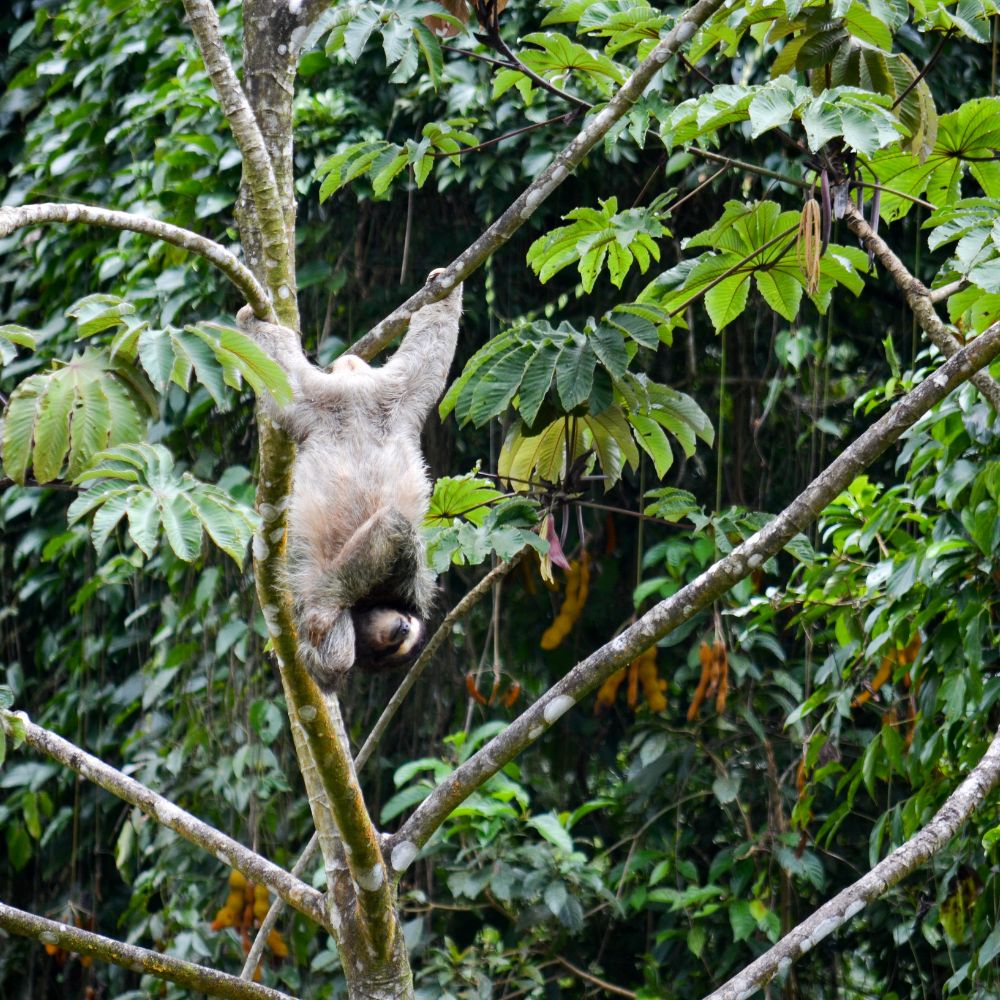
Sloth on a Cecropia Tree | Sloths in Costa Rica

You can spot a sloth from a distance if it’s in a cecropia. And this is simply due to the shape of the tree, which has large and very large leaves with very long branches devoid of other vegetation.

However, when it comes to seeing a sloth on the road, as it may happen and you might see it, it is also very possible that you might not.

And, on the other hand, nowadays, and due to the risk of an accident, you might see them, if you’re lucky, from the window of your bus.

But probably the best place to spot sloths easily is the South Pacific region, from Manuel Antonio and to the South. As well as the South Caribbean area.

Sloth Tours and Sanctuaries. A word on that.

If you MUST see a sloth because is your dream and you do have it on your check list, my best recommendation is to go for a Wildlife Sanctuary or a Rescue Center.

Wildlife Rescue Centers and Sanctuaries to see sloths in Costa Rica

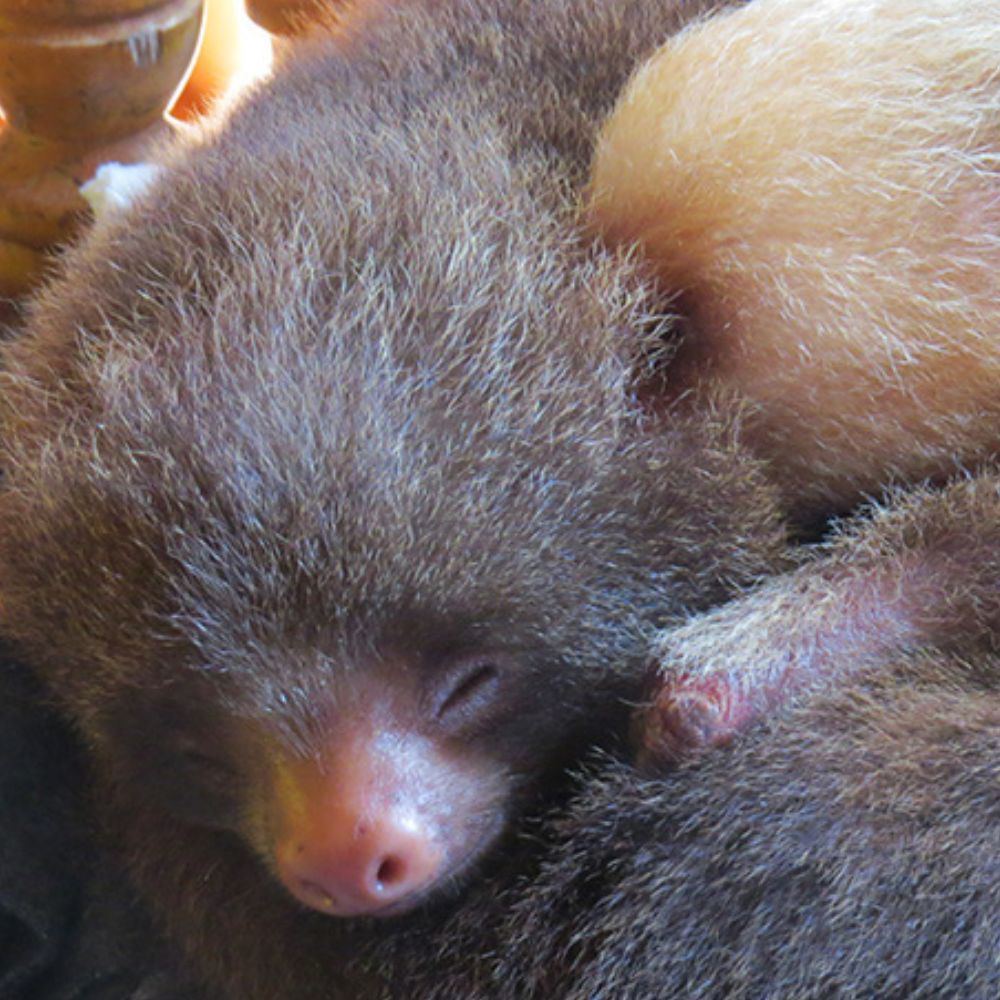
Costa Rica is home to several wildlife rescue centers dedicated to rehabilitating injured and abandoned sloths, providing them with a chance to return to their natural habitats. Visiting these reputable refuges not only supports animal welfare but also allows travelers to engage with the local community.

Many of these centers offer volunteer programs, enabling visitors to contribute directly to the care of these remarkable animals.

Among the notable rescue centers is the Jaguar Rescue Center, located in the Caribbean region near Puerto Viejo de Talamanca. This center focuses on rehabilitation of a variety of wildlife, including sloths. Proyecto Asis, situated just outside La Fortuna, offers guided tours and volunteer opportunities, featuring a specific tour dedicated to sloths.
Sloths in Costa Rica

The Toucan Rescue Ranch in Heredia also plays a crucial role in wildlife rehabilitation, housing many animals that cannot be released back into the wild due to injuries. Visitors staying in San José can easily access this sanctuary. Additionally, the Alturas Wildlife Sanctuary in Dominical is committed to healing and rehabilitating injured wildlife, providing guided tours to educate visitors about their efforts.

In contrast, some facilities serve as sanctuaries for sloths that can no longer survive in the wild due to various circumstances, such as being kept as pets or being born in captivity.

Sloths in Costa Rica
Painting by Olga Sáenz

The Springs Resort & Spa in La Fortuna features a small animal sanctuary that includes two-toed sloths. Similarly, the La Paz Waterfall Gardens and Diamante Adventure Park both have sloths as part of their attractions, with the latter offering discounts on entrance fees. At Selvatura Park, visitors can join guided tours to learn more about the sloths in their sanctuary.

While not a rescue center, The Sloth Institute is a non-profit organization focused on sloth conservation and education, aiming to release sloths back into the wild. Although it isn’t open to the public, it provides valuable information about sloths. They conduct a special sloth walk on the Tulemar property in Manuel Antonio, exclusive to guests of Tulemar, where visitors can often spot multiple sloths in their natural habitat.

These centers and sanctuaries play a vital role in the conservation of sloths and offer unique opportunities for visitors to learn about and support these fascinating creatures.

Let us give you a bunch of random facts about sloths:

The first descriptions in the 1700s describe it as a lazy and useless animal.

And on the other hand, in recent years, the makeover has been successful, and it turns out they are the sweetest and most charming creatures in the jungle.

Both are wrong. And we will be able to see some of the facts that gave both impressions.

1) The population of sloths is very widespread in the jungle.

Sloths are one of the most adaptive creatures in the jungle. Biologists consider that sloths make up more than half of the total biomass of rainforests in South and Central America.

2) Sloths are dirty

No matter how cute they look! You don’t want to hug a sloth!

Sloth hair is long and coarse, and depending on the species, it may include either some channels or irregular transverse fissures that grow in number and size with the animal’s age. These peculiarities are ideal for the habitability of a wide diversity of organisms, ranging from cockroaches, moths, and beetles to ciliates, fungi, and algae.

Sloths in Costa Rica

The sloth’s hair actually functions as an ecological association that has swarms of moths and algae. Algae, which aids sloths in hiding in the lush forests, provides food even for the sloths themselves, and it appears that the mammal’s own feces fertilize them.

3) Sloths risk their lives to go to the bathroom

Sloths have few reasons to leave the safety of the rainforest canopy, but once a week they go down to the base of their favorite tree to defecate. The exact cause of this dangerous journey remains a mystery, but researchers speculate that it may help keep the algae fields in their fur.

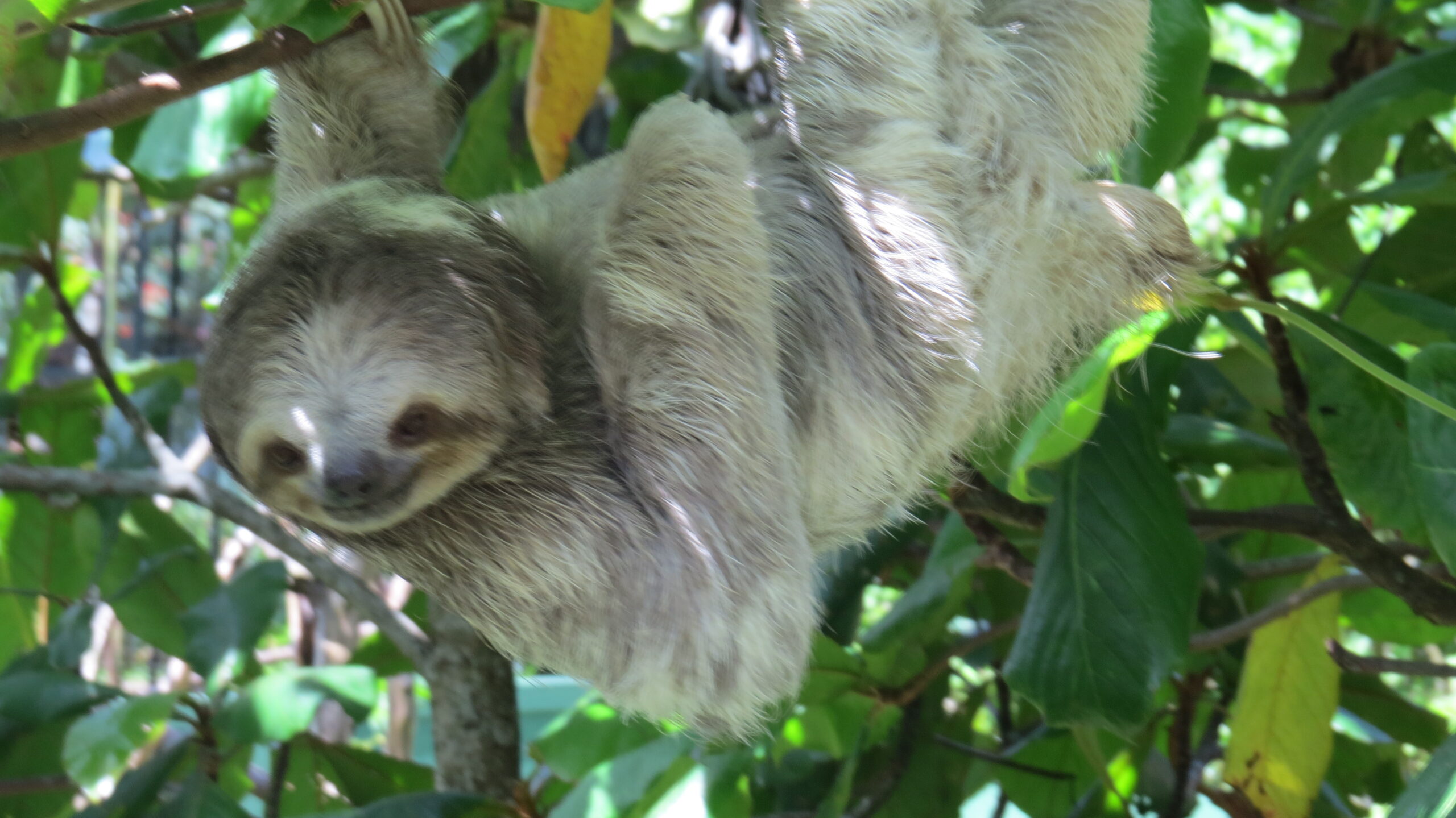
4) Sloths can turn their heads almost completely

Sloths can turn their heads up to 270°. This is very useful since their main predator is the harpy eagle.
Sloths in Costa Rica

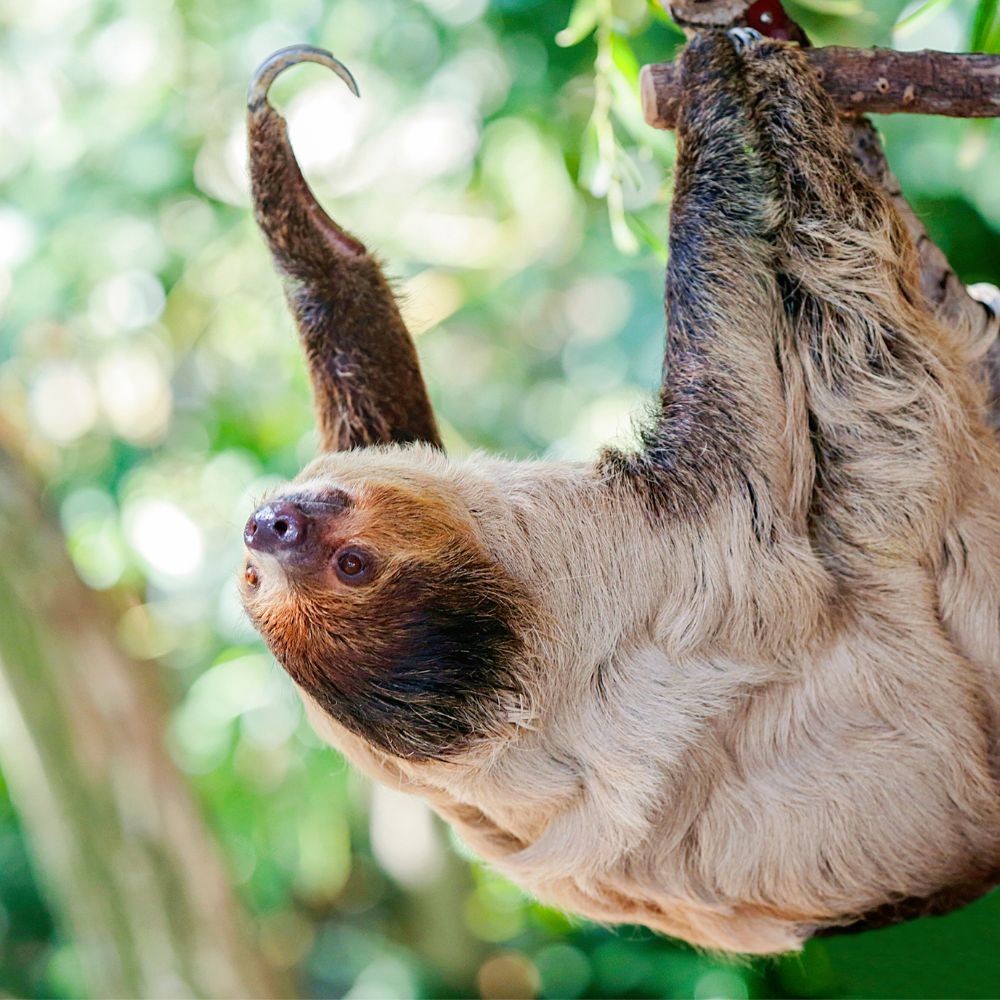
5) 90% of their lives they spend upside down

Monitoring sloths in the forest, it was discovered that sloths spend almost all their time upside down. To manage the influence of gravity, sloths have developed unique fibrous adhesions that keep their organs in place.
Sloths in Costa Rica

Reading point 2, we see that sloths may not sound very attractive; however, large birds of prey (especially harpy eagles) and ocelots, pumas, and jaguars eat them if they have the chance.

It is very interesting to think about what makes them successful as a population, given that they are so slow and defenseless. Despite their lethargy, sloths can be remarkably resistant to predators.

Their claws are like quick knives when the sloth is attacked, but they have developed the most powerful of all superpowers: invisibility. Their algae and everything that inhabits their fur, along with their own slow movements, truly make them invisible.

And in that, without a doubt, lies their security.

7) Sloths are very good swimmers

They may be slow and appear clumsy in the trees, but sloths can move up to three times faster in the water.

Sometimes they are seen in Tortuguero, crossing the canals.

8) Their slowness is a reflection of their metabolism.

Without any exaggeration, it can take up to 30 days for a sloth to digest a single leaf. Although their average is 16 days.

Only 10 species of mammals—less than 0.2%—have evolved to eat leaves and fruits that require climbing to the top of trees.

Sloths in Costa Rica

The leaves are very hard to digest, and generally, large animals are the ones that have this exclusive diet (elephants or giraffes) since they have the space in their bodies for the complex digestive system that can process cellulose.

In the case of the sloth, apart from a complex stomach (which they have), they save a lot of energy simply by not moving much and regulating their temperature according to the environment (like reptiles) (the metabolism of three-toed sloths is 31% slower than that of two-toed sloths).

9) A fungus that lives on the skin of sloths could cure cancer

Scientists took units of fungi from sloth hairs and found that some were adept at combating parasites, bacteria, and even breast cancer cells.

10) Sloths don’t sleep all day

Although it is known that sloths in captivity sleep 15 to 20 hours a day, free sloths normally average 10 hours of sleep per day.

11) Sloths in Costa Rica are everywhere… almost.

They live up on the trees. And we could say that almost on any tree, along the roads, and in the national parks.

Until the 1970s, there were sloths living in the old trees of Central Park in San José and in the central park in Alajuela.
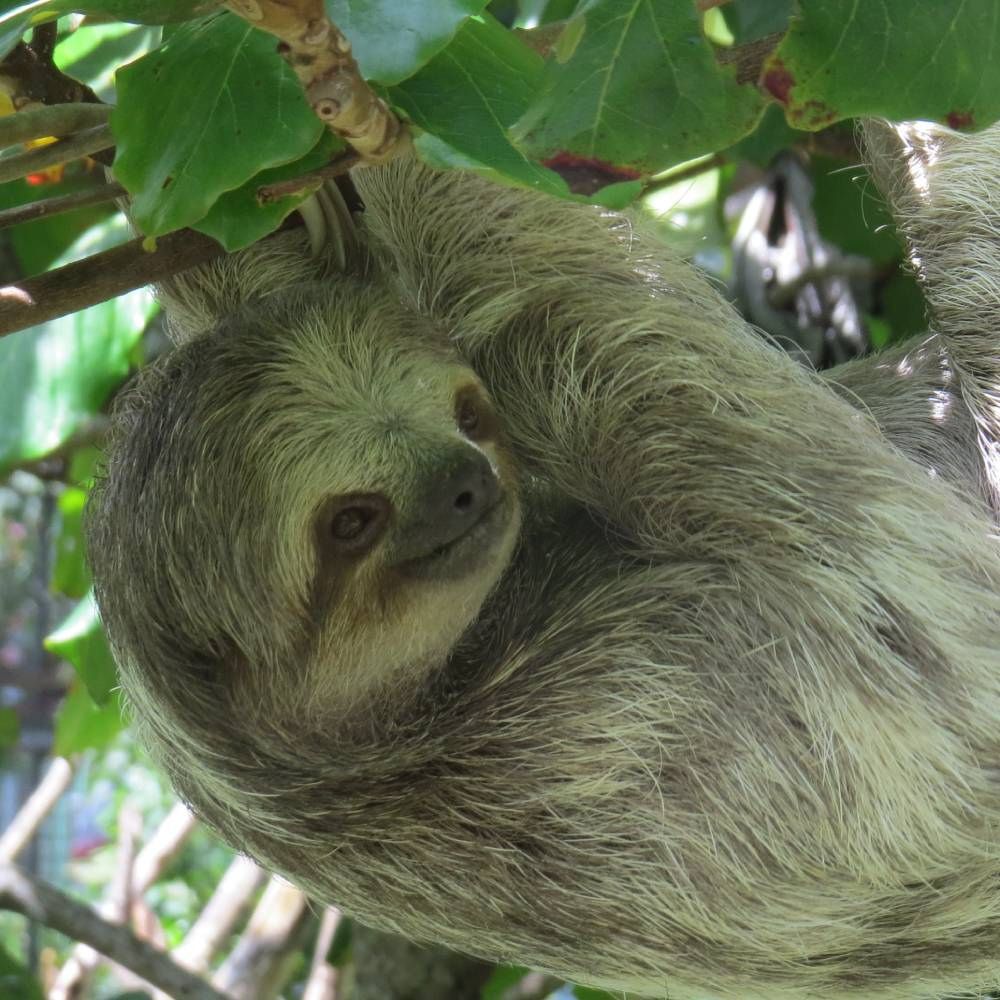
Sloths in Costa Rica

12) Sloths have deadly claws

As we saw above, sloth claws can be like knives (Wolverine style); they are so strong that dead sloths have been found still hanging from the branch on which they died.

To wrap it up

In conclusion, if you’re eager to learn more about traveling in Costa Rica and experiencing the enchanting world of sloths and other incredible wildlife, I invite you to reach out to me at writer@olgasaenz.com. Whether you need assistance planning your trip, insights into the best destinations, or recommendations for top tour companies that cater to your interests, I am here to help ensure your journey is unforgettable.

With a wealth of knowledge about the local culture, attractions, and hidden gems, I can guide you in making the most of your Costa Rican adventure, allowing you to immerse yourself fully in the beauty and biodiversity that this remarkable country has to offer. Don’t hesitate to contact me for personalized support tailored to your travel needs!

References:

Sammi (2024). Where to see sloths in Costa Rica. [online] MytanFeet. Available at: https://mytanfeet.com/costa-rica-wildlife-and-nature/where-to-see-sloths-in-costa-rica-wildlife-nature/ [Accessed 7 Nov. 2024].

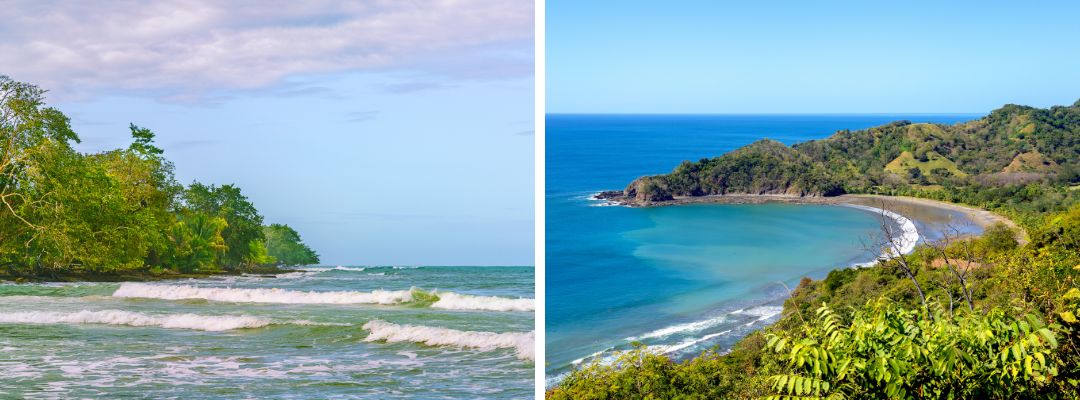
 

The Pacific or Caribbean Coast in Costa Rica? Which is better for us?

Pacific or Caribbean Coast in Costa Rica

If you’re pondering the Pacific or Caribbean Coast in Costa Rica? Which is better for our vacation? This comprehensive guide will explore their differences and similarities to help you make an informed decision.

Pacific or Caribbean Coast in Costa Rica
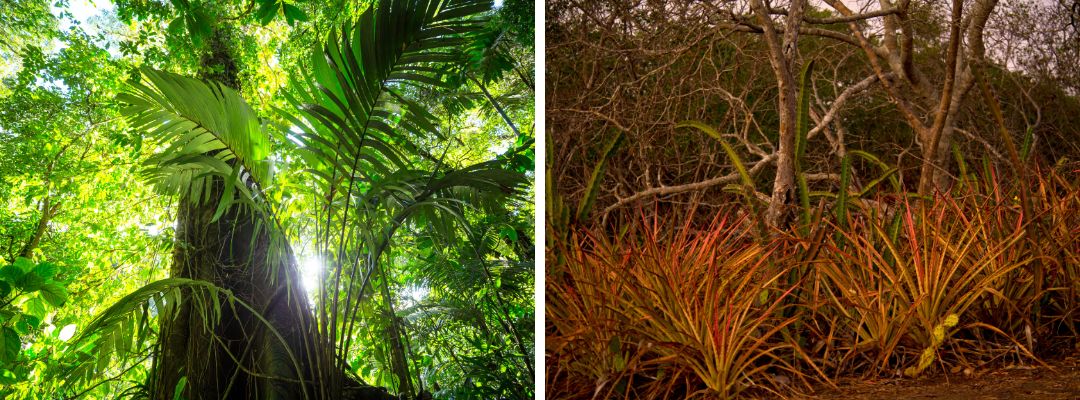
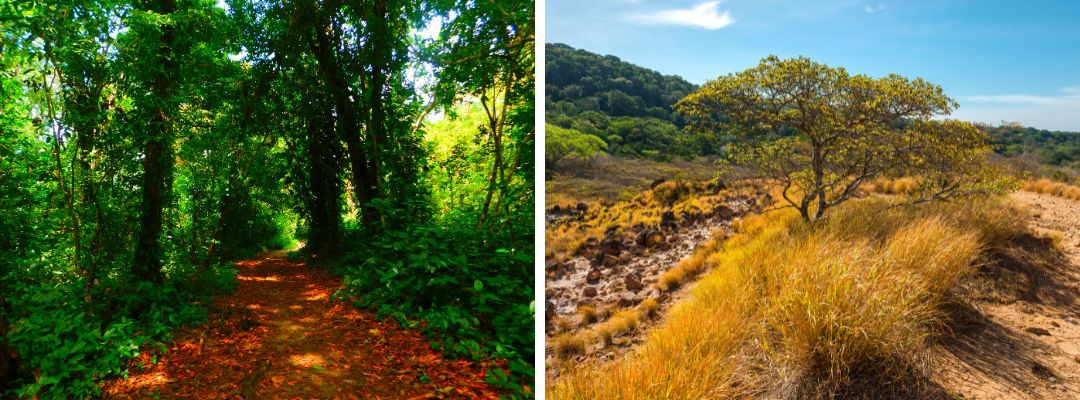
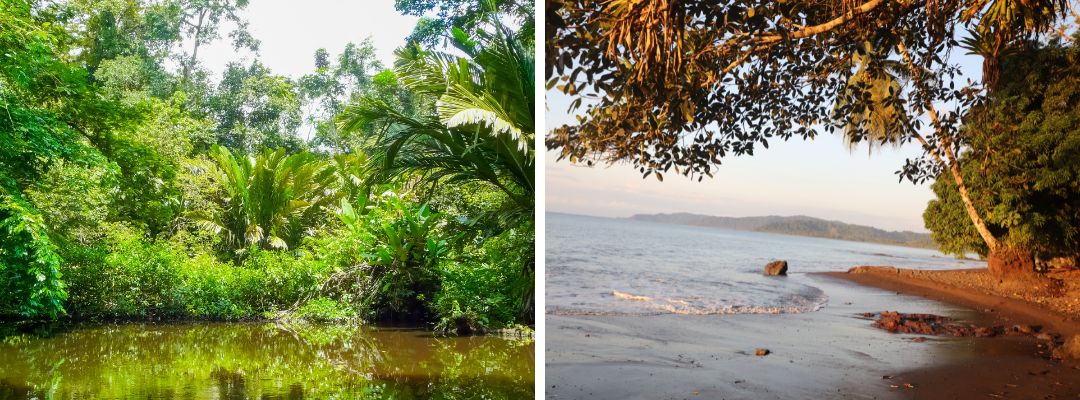
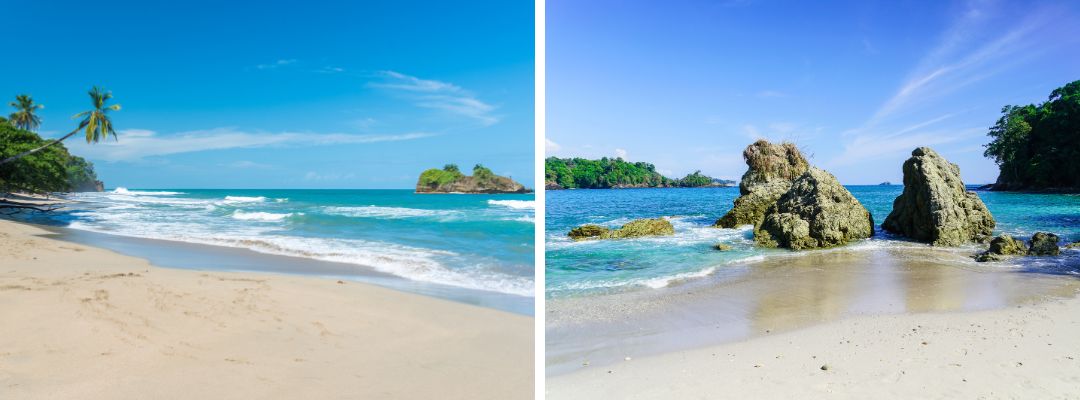
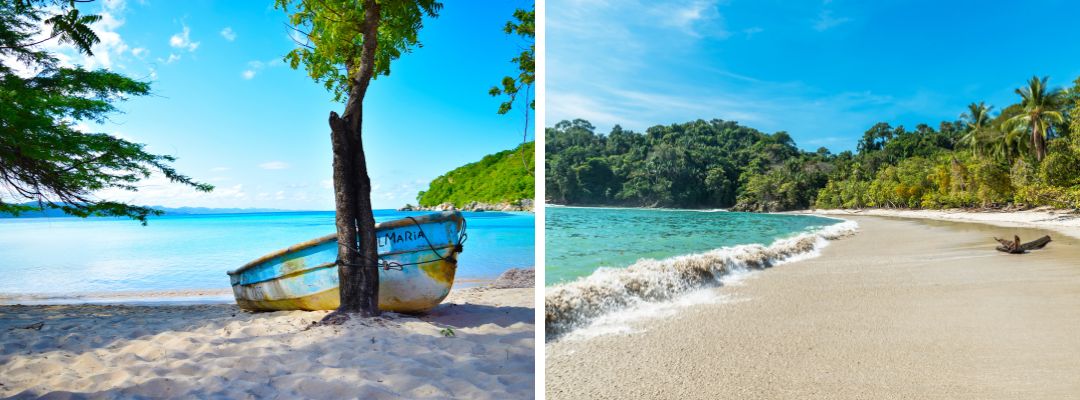
Pacific or Caribbean Coast in Costa Rica? Caribbean to the left, and Pacific to the right

Costa Rica is renowned for its breathtaking diversity, where lush rainforests meet pristine beaches and vibrant cultures blend seamlessly with nature. Among its most captivating regions are the Pacific and Caribbean coasts in Costa Rica, each offering unique experiences for adventurers and nature lovers alike.

Geographic Features

Caribbean Coast: Spanning 132 miles (212 km), the Caribbean coast is characterized by lush rainforests, diverse ecosystems, and unique sandy beaches in colors like black, yellow, and gray.

Pacific or Caribbean Coast in Costa Rica
The Caribbean Coast is luscious, from border to border, all year round

This vibrant landscape is home to numerous wildlife habitats and stunning natural reserves. The coastline features picturesque towns such as Puerto Viejo and Cahuita, where the laid-back atmosphere invites visitors to unwind and connect with nature. The Caribbean coast is known for its vibrant coral reefs, making it a popular destination for snorkeling and diving enthusiasts.

Pacific Coast: Extending over 780 miles (1,254 km), the Pacific Coast features extensive white sandy beaches and a drier climate.

The landscape ranges from tropical dry forests to low montane forests, offering a variety of ecological zones and stunning vistas.

Pacific or Caribbean Coast in Costa Rica
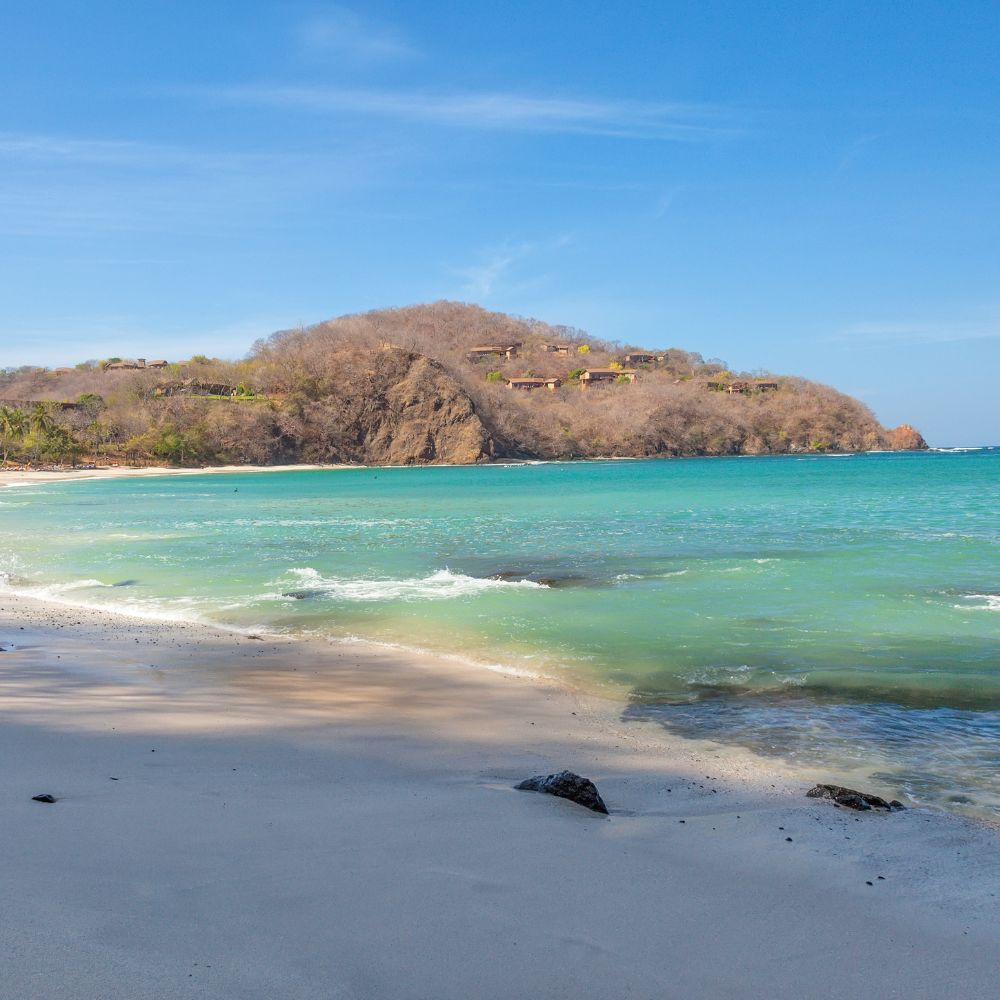
The North Pacific Coat in the sunny season is quite dry

Popular destinations like Tamarindo, Manuel Antonio, and Jacó are known for their vibrant nightlife, surf culture, and luxurious resorts. The Pacific coast is also home to several national parks, including Manuel Antonio and Corcovado, where visitors can experience Costa Rica’s rich biodiversity.

North Pacific

The North Pacific, encompassing areas like Guanacaste, is characterized by dry tropical forests. This region experiences a distinct dry season, making it a popular spot for sun-seekers and surfers.

Pacific or Caribbean Coast in Costa Rica

The beaches here, such as Playa Conchal and Playa Flamingo, are famous for their beautiful sunsets and clear waters. In addition to beach activities, the North Pacific offers numerous opportunities for adventure, including zip-lining, ATV tours, and horseback riding in the surrounding hills.

Central Pacific

The Central Pacific, featuring towns like Jacó and Manuel Antonio, has a mix of humid rainforest and coastal ecosystems. This area is rich in biodiversity and offers lush landscapes, making it a popular destination for eco-tourism and adventure activities.

Pacific or Caribbean Coast in Costa Rica
Manuel Antonio national Park

Manuel Antonio National Park, in particular, is renowned for its stunning beaches, hiking trails, and abundant wildlife, including sloths, monkeys, and a variety of bird species. The Central Pacific is also known for its vibrant nightlife and dining options, making it a favorite among travelers seeking both relaxation and excitement.

Central-South Caribbean

The Central-South Caribbean, including areas like Puerto Viejo and Cahuita, is characterized by humid rainforests similar to those found on the Caribbean coast.

Pacific or Caribbean Coast in Costa Rica

This region showcases vibrant Afro-Caribbean culture, exotic wildlife, and stunning beaches. The beaches here, such as Playa Cocles and Playa Chiquita, are perfect for relaxation and water sports, while the nearby Cahuita National Park offers opportunities for snorkeling and hiking through lush trails.

The Central-South Caribbean is also known for its unique culinary offerings, including fresh seafood and Caribbean-inspired dishes.

The Pacific or Caribbean Coast in Costa Rica? Are you into a cultural, laid-back, easy vibe, or leisure and luxury? Pouring rains or dry environments? Lusciousness all over or diverse ecosystems? These are some of the questions to ask yourselves when deciding where to go.

Cultural Influences

Caribbean Coast: Rich in Afro-Caribbean culture, this region showcases influences from various ethnic groups, including the Bribri and Cabécar. The local music blends calypso and reggae, creating a lively atmosphere that resonates throughout the towns.

Pacific or Caribbean Coast in Costa Rica

Cuisine in this region features dishes like rondón (a coconut milk stew) and patí (a savory pastry), reflecting the area’s unique heritage. As well as delicious  coconut milk cooked rice and beans.

Festivals celebrating local culture, such as the Carnival in Limón, draw visitors eager to experience the vibrancy of Caribbean traditions. The warm and welcoming nature of the locals adds to the charm of the Caribbean coast.

Pacific Coast: Primarily influenced by Spanish heritage, the Pacific emphasizes traditional Costa Rican culture. Its cuisine is centered around seafood and local agricultural products, with dishes that highlight the freshness of the region.

The Pacific coast is home to various cultural festivals, such as the Festival de la Luz in San José, which celebrates the holiday season with parades and music. The Pacific coast’s vibrant nightlife, particularly in towns like Jacó, offers a mix of local and international flavors, making it a hotspot for both relaxation and entertainment.

Biodiversity

Caribbean Coast: Home to Tortuguero, Cahuita, and Hitoy Cerere National Parks, this coast hosts diverse wildlife, including three species of monkeys, exotic birds, and numerous species of reptiles.

It is a hotspot for wildlife observation, especially during turtle nesting seasons. The Caribbean coast’s lush vegetation, which serves as habitat for numerous species, complements its rich biodiversity.

Pacific or Caribbean Coast in Costa Rica

Pacific Coast: Features a mix of ecosystems, including transition forests and protected areas like Manuel Antonio National Park. Known for its rich biodiversity, the Pacific offers opportunities to see a variety of wildlife, including scarlet macaws, iguanas, and dolphins.

The Pacific coast’s diverse habitats, from mangroves to dry forests, make it an excellent destination for nature lovers and wildlife enthusiasts.

Tourism Development

Caribbean Coast: More remote and less commercialized, this area focuses on eco-tourism centered around nature and wildlife experiences.

Limón serves as a central hub for tourism distribution, providing access to lesser-known attractions. The Caribbean coast’s commitment to sustainable tourism practices ensures that visitors can enjoy its natural beauty while minimizing their impact on the environment.

Pacific or Caribbean Coast in Costa Rica

Pacific Coast: Highly developed, with luxury resorts and extensive tourist infrastructure, especially in Guanacaste. Popular beach towns like Tamarindo and Jacó cater to a wide range of tourists, offering numerous amenities and activities.

The Pacific coast’s well-established tourism industry makes it easy for visitors to find accommodations, dining, and adventure options that suit their preferences.

Accessibility in the Costa Rican Pacific and the Caribbean Coasts

Caribbean Coast: Often accessed via waterways, particularly to remote areas like Tortuguero or Barra del Colorado, which can be less convenient for travelers.

In the rainy season, roads can be slow due to natural issues such as floods and landslides, making travel more challenging. However, the journey often leads to hidden gems and stunning landscapes that are well worth the effort.

Pacific or Caribbean Coast in Costa Rica

Pacific Coast: Well-connected with major roads and the Daniel Oduber International Airport, making it more accessible for international tourists.

The infrastructure supports easy travel to popular destinations, allowing visitors to explore the coast’s many attractions with ease. The Pacific coast’s accessibility makes it a favored choice for families and groups looking for convenience.

Climate onthe Costa Rican Pacific and the Caribbean Coasts

Caribbean Coast: Generally more humid and rainy, contributing to its lush vegetation and vibrant ecosystems. The consistent rainfall supports a rich variety of plant and animal life. The Caribbean coast’s climate is ideal for those who enjoy a tropical atmosphere and the vibrant flora that comes with it.

Pacific or Caribbean Coast in Costa Rica

Pacific Coast: Experiences a drier climate, particularly in Guanacaste, leading to a different type of flora and fauna. The dry season attracts many visitors seeking sunny beach days, making it an excellent choice for sunbathers and outdoor enthusiasts. The Pacific coast’s climate is perfect for those who prefer warm, dry weather for their beach activities.

Distances from Major Airports

From San José (SJO):

– North Pacific (e.g., Tamarindo): approximately 4-5 hours (270 km/168 miles)

– Central Pacific (e.g., Jacó): approximately 1.5-2 hours (100 km/62 miles)

Caribbean Coast (e.g., Puerto Viejo): approximately 4-5 hours (230 km/143 miles)

From Liberia (LIR):

– North Pacific (e.g., Tamarindo): approximately 1-1.5 hours (70 km/43 miles)

Central Pacific (e.g., Jacó): approximately 2.5-3 hours (150 km/93 miles)

Caribbean Coast (e.g., Puerto Viejo): Approximately 5-6 hours (350 km/ 217 miles)

Similarities Between the Coasts

Natural Beauty: Both coasts boast stunning landscapes, from pristine beaches to rich forests, offering breathtaking views and natural attractions that captivate visitors. Whether you prefer the lush greenery of the Caribbean or the golden sands of the Pacific, both coasts provide unforgettable scenery.

Pacific or Caribbean Coast in Costa Rica

Adventure Activities: Each region provides ample opportunities for adventure, including surfing, snorkeling, hiking, and wildlife tours, appealing to thrill-seekers and nature lovers alike. From the vibrant coral reefs of the Caribbean to the powerful waves of the Pacific, both coasts cater to adventurous spirits.

Ecotourism Focus: Both coasts emphasize sustainable tourism practices, with many local businesses dedicated to preserving the environment while providing unique experiences. This commitment to eco-tourism ensures that visitors can enjoy the natural beauty of Costa Rica responsibly.

Pacific or Caribbean Coast in Costa Rica

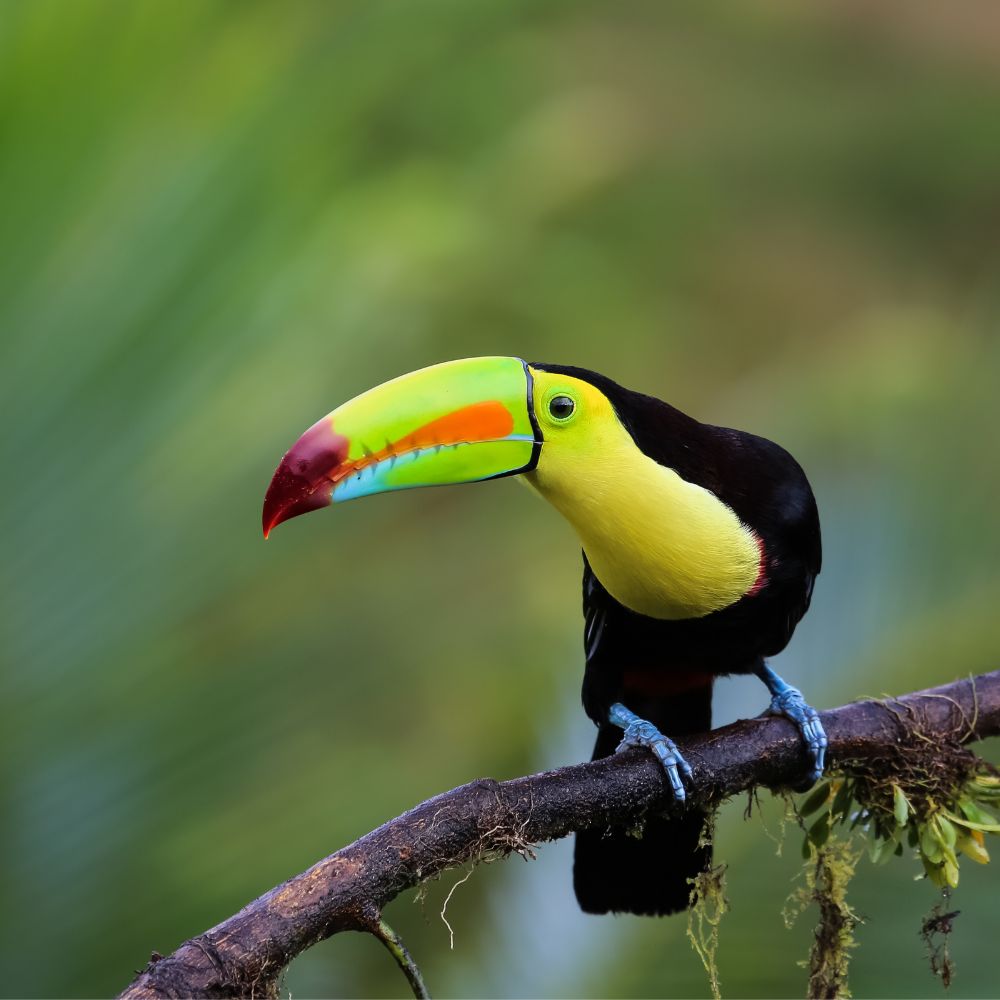
Observation: Each coast offers opportunities to observe diverse wildlife, although the types of species and their visibility may vary depending on the region. Whether you’re spotting howler monkeys in the Caribbean or colorful toucans in the Pacific, wildlife enthusiasts will find plenty to marvel at.

Rich Culinary Traditions: Both regions feature unique culinary offerings that reflect their cultural influences, with an emphasis on fresh seafood and local ingredients that delight the palate. From Caribbean-style rice and beans to Pacific ceviche, food lovers will find a variety of delicious options.

Cultural Festivals and Events: Both coasts celebrate their unique cultures through festivals, music, and dance, showcasing the vibrant heritage of Costa Rica. These events provide visitors with a chance to immerse themselves in local traditions and experience the warmth of Costa Rican hospitality.

Pacific or Caribbean Coast in Costa Rica

Conclusion: Pacific or Caribbean Coast? Which is better?

In conclusion, the choice between the Pacific or Caribbean coast in Costa Rica ultimately depends on your preferences and what you seek in your travel experience. The Caribbean offers a wilder, more remote atmosphere with easy wildlife viewing and a rich Afro-Caribbean heritage, perfect for those looking to connect with nature and culture. On the other hand, the Pacific is more developed and accessible, featuring luxurious resorts, a variety of adventure activities, and vibrant nightlife.

Whether you’re drawn to the vibrant towns along the Caribbean or the sun-kissed beaches of the Pacific, both coasts promise an adventure of a lifetime.

If you need guidance on the best local tour operators in Costa Rica, I can help point you in the right direction to ensure you have the best experience possible. Enjoy your adventure in this beautiful paradise, and remember that whether you choose the Pacific or Caribbean Coast, you are in for an unforgettable journey.


Reference:

Saenz, O. (2024). Costa Rica’s Differences Between the Caribbean and Pacific Coasts. [online] Epic Adventures Costa Rica. Available at: https://epicadventurescr.com/costa-ricas-differences-between-the-caribbean-and-Pacific-coasts/ [Accessed 5 Nov. 2024].
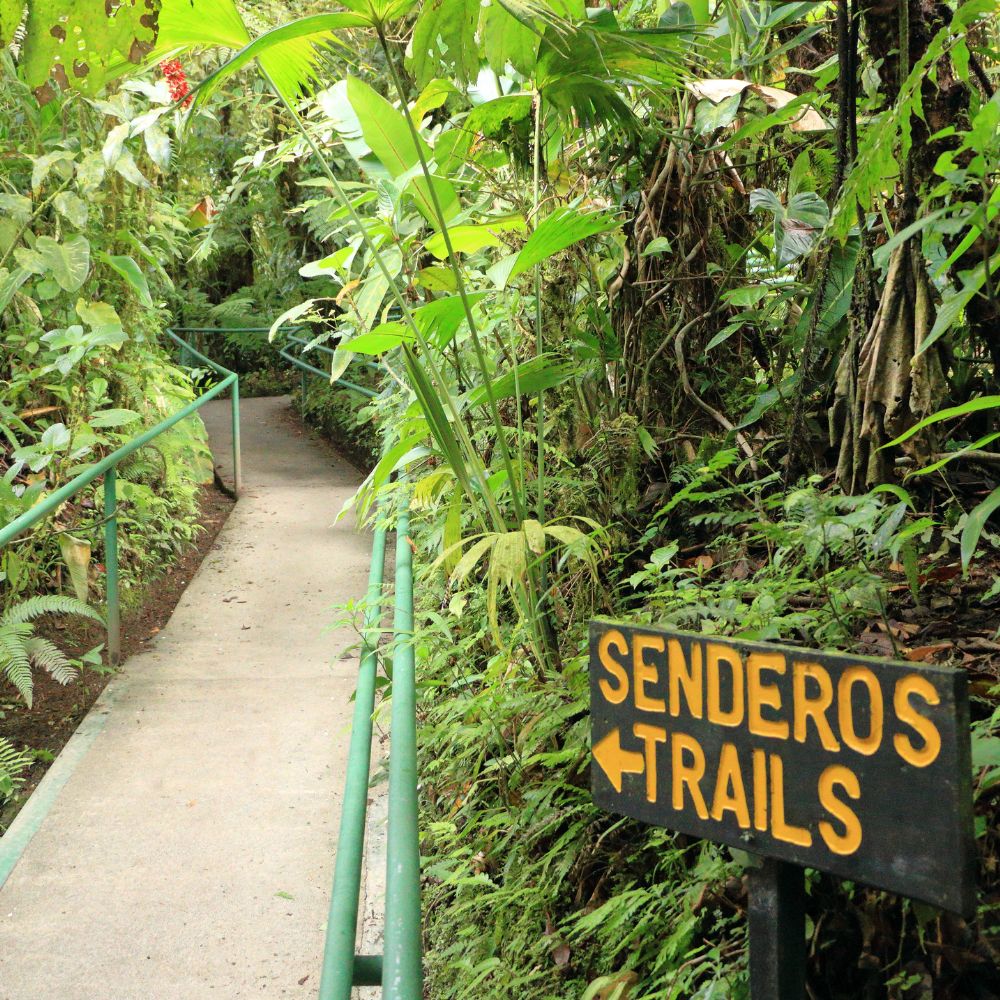
How to get to the Arenal Volcano?

Best activities in the Arenal Lake

If you’re wondering how to get to Arenal Volcano, you’re in for an unforgettable journey. This guide will explore the best routes and tips for reaching this stunning natural wonder in Costa Rica.

HOW TO GET TO THE ARENAL VOLCANO

The Arenal area is a must-see destination for any traveler seeking an authentic taste of Costa Rican culture and natural beauty. As it crowns a great region, it has several ways to reach it, from wherever you are coming.

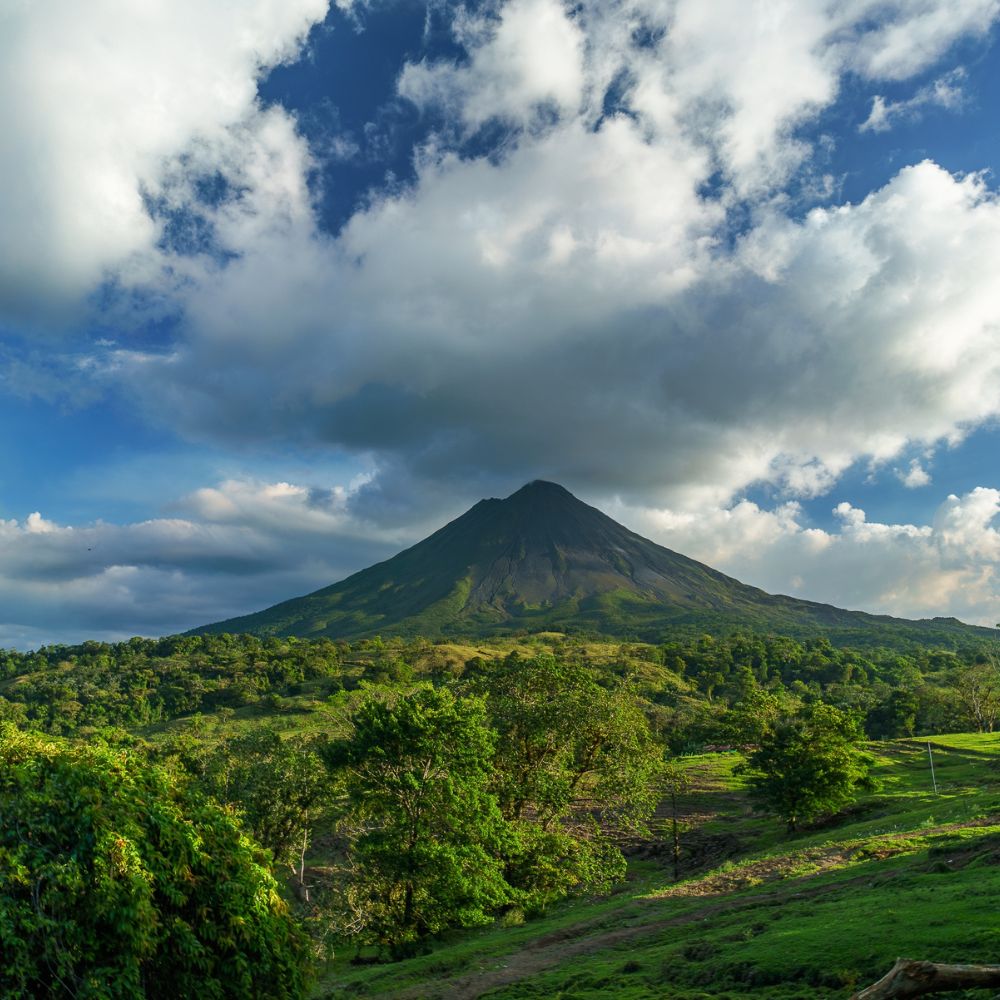
Located in the northern region of Costa Rica lies the majestic Arenal Volcano, a towering natural wonder that has captivated visitors for decades. With its verdant forests, cascading waterfalls, and bubbling hot springs, the Arenal area is a must-see destination for any traveler seeking an authentic taste of Costa Rican culture and natural beauty. And as it crowns a great region, it has several ways to reach it, from wherever you are coming.

But with so many different routes to get to the volcano, it can be challenging to know where to start. In this article, we’ll explore the various ways to reach the Arenal Volcano, highlighting the unique features and benefits of each option.

The best choice is to ask locals which is the best route to take in the time you are traveling around Costa Rica.

How to Get to Arenal Volcano from Either of the International Airports?

Guanacaste International Airport (LIR)

The Arenal Volcano Region is 2 hours and 43 minutes from the Guanacaste International Airport.

142.9 Km | 88.7 miles

Juan Santamaría International Airport (SJO)

The Arenal Volcano is 2 hours and 29 minutes from Juan Santamaría International Airport.

114.3 Km | 70 Miles

The map with the routes to get to Arenal Volcano:

The Routes to Get to Arenal Volcano

There are five distinct routes that both tourists and locals use every day in the Arenal Volcano Region:

  • Coming from San José and the Central Pacific.
  • Coming from Monteverde or the Nicoya Peninsula and Guanacaste.
  • Coming from the Northern Area: Bijagua, Guatuso, Boca Tapada, and Caño Negro.
  • Coming from the Caribbean, Sarapiquí, or Turrialba.

Which are the routes to get to the Arenal Volcano?

Depending on where you are coming from, there are different routes to follow to get to the volcano; you should take the most picturesque, fast, and in good conditions as you can.

To get to Arenal Volcano through San Ramon:

How to get to Arenal Volcano

Panamerican Highway, Route 1:

If you are driving, set your Google Maps or Waze in San Ramon.

You will pass through the town of San Ramón and ascend to the Los Ángeles cloud forests; then you will notice that the route starts descending.

Then you will reach La Tigra, and a little further, and right before the Peñas Blancas River, the road divides.

The most picturesque and convenient is the one taking the Peñas Blancas River Bridge.

The alternate route will take you past Tanque town and on to La Fortuna; it is less winding, but it will take a bit longer.

How to get to Arenal Volcano
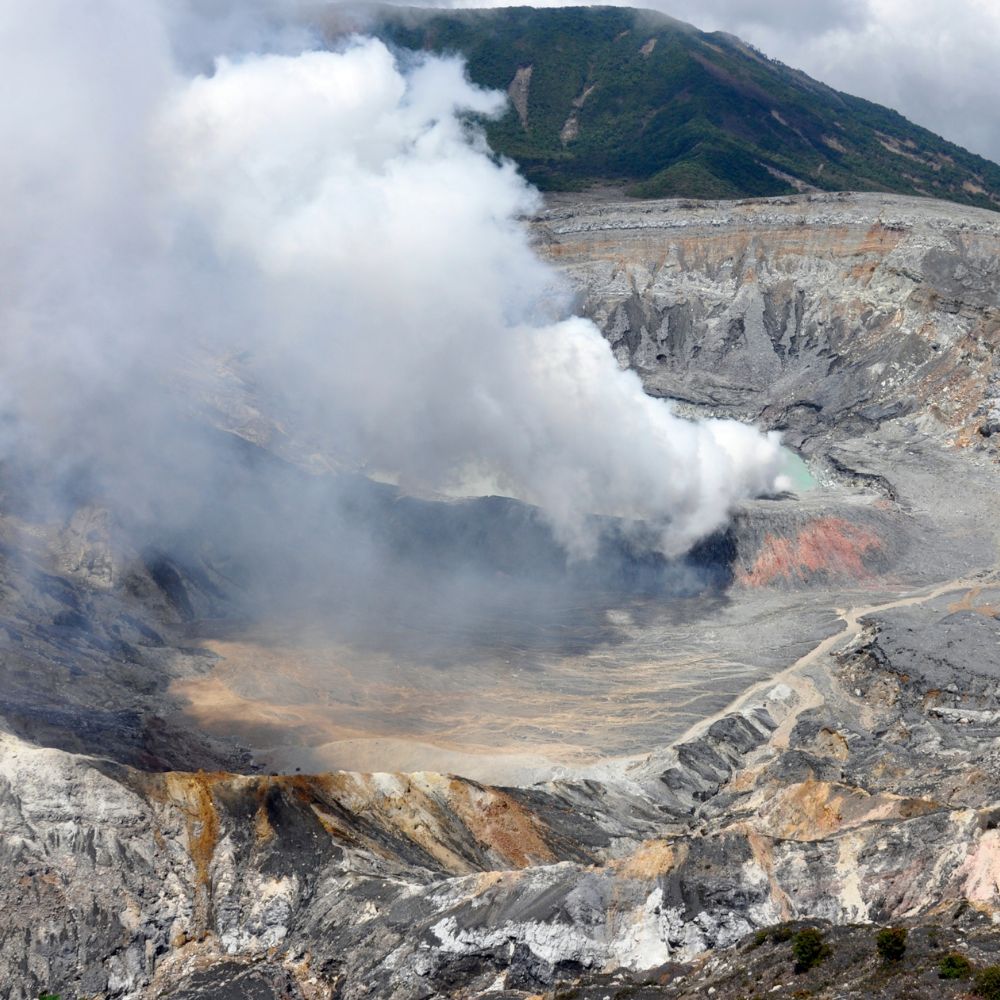
Poas Volcano

You can also get to Arenal Volcano by the route of the Poás Volcano and the La Paz Waterfall Gardens:

To get to Arenal Volcano through the Vara Blanca route.

Through this route, you can go to the Poás Volcano, the popular Waterfalls Garden, and go across the magnificent San Carlos Plains, as luscious as they are progressive.

And our recommendation is to start early so you can visit everything and enjoy this rainforest-filled route.

This road will take you into San Miguel and Rio Cuarto. And to the road of Tanque town.

By El Tanque, you will already be seeing the mighty volcano if the day is clear.

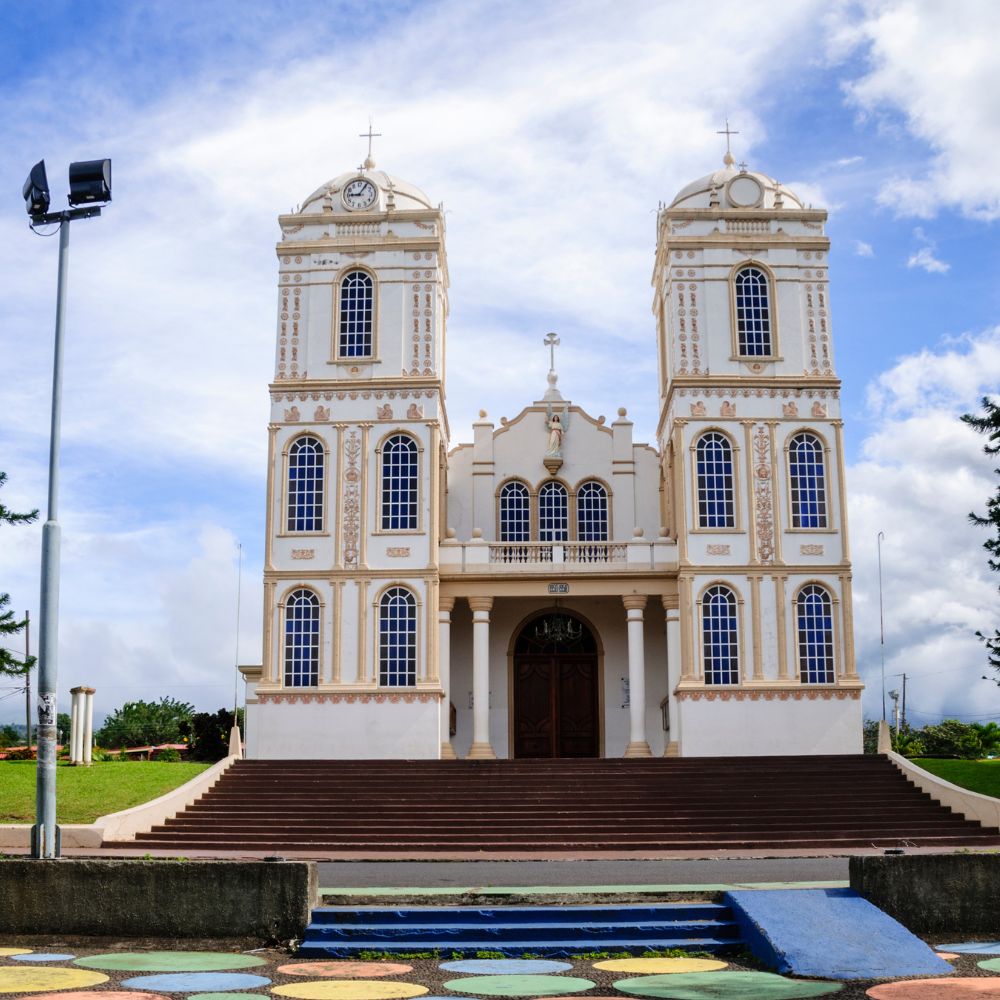
Zarcero Town | How to get to Arenal Volcano

Zarcero Used to Be the Old Route to Get to Arenal Volcano:

The route through Zarcero and Ciudad Quesada goes through some beautiful landscapes and magnificent cloud forests.

Zarcero has a beautiful and original park in its central square. Dozens of topiary figures have been trimmed and looked after for many years.

When you take this route, it is vital to go early in the day as it gets very foggy at times. There are some delicious typical food restaurants. For me the best is called “El Rincon de Ceci” or something like that; it’s about a kilometer out of the town of Zarcero on the road to get to the Arenal Volcano.

It is a beautiful way to get to Arenal Volcano, and you should stop to try the food and delicatessen offered by the side of the road.

Sarchi Town | How to get to Arenal Volcano

To get to Arenal Volcano through Sarchi Town

You can go through the towns of Grecia and Sarchí and its fantastic painted ox carts. From there, you would have to take the route that goes to the town of Bajos del Toro.

The route is very winding, and it has some steep cliffs on the side, going through the rainforest.

The town of Bajos del Toro is a real Costa Rican town, and you may find some excellent typical restaurants offering fish trout. It also has one of the most beautiful waterfalls in Costa Rica: La Catarata de Bajos del Toro!

How to get to Arenal Volcano

To Get to Arenal Volcano Coming From the Caribbean Coast:

Tortuguero, Cahuita, Puerto Viejo, Pacuare, Turrialba, or Bajos del Toro in Panamá.

When you are coming from anywhere in the Caribbean, you can get to Arenal Volcano by the Sarapiqui River region. This route is very picturesque and an easy drive, as it doesn’t have as many curves or cliffs as other routes.

The route is through the area of the Sarapiquí River. A relatively flat region with hundreds of acres dedicated to farming and livestock.

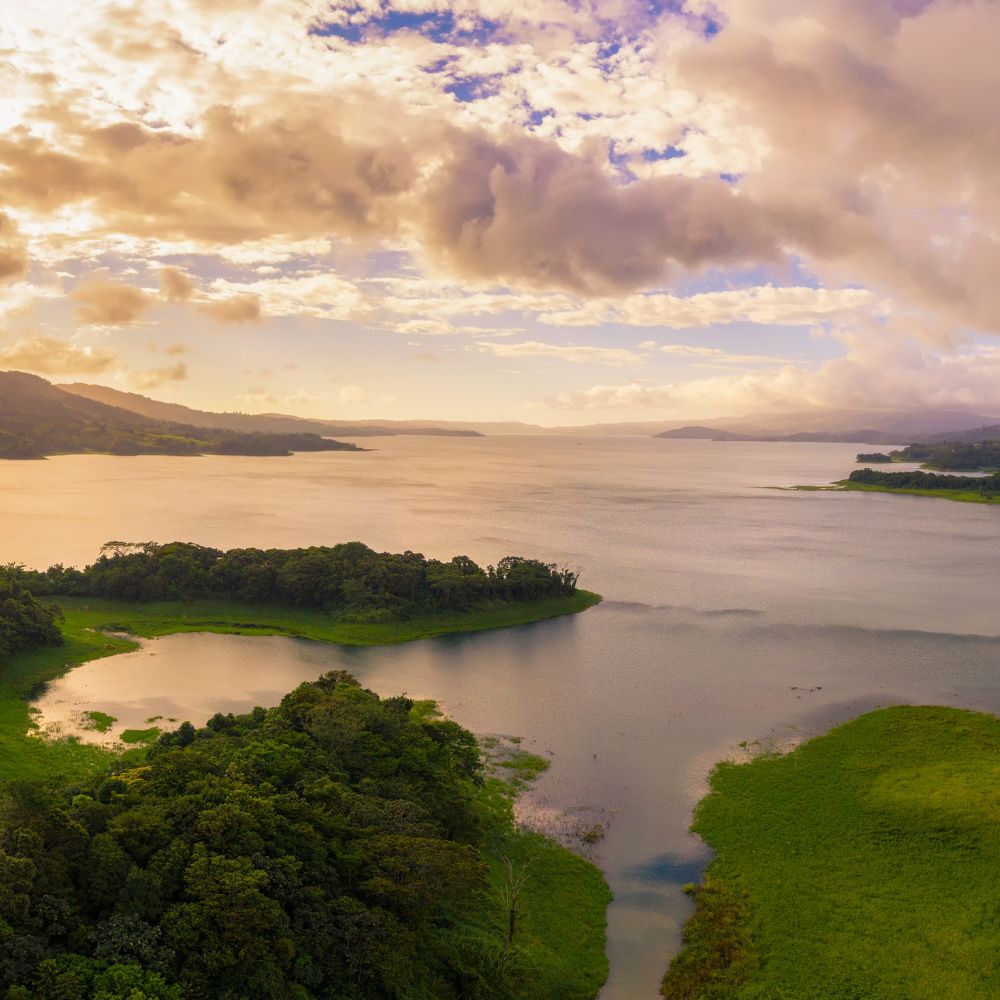
Arenal Lake | How to get to Arenal Volcano

To Get to the Arenal Volcano If You’re Coming From the Pacific Coast, Monteverde, Tenorio, or Liberia (LIR) Airport:

To go from anywhere in the North Pacific or Monteverde, you have to get to the town of Tilaran and then drive around on the picturesque route of the lake.

This is the most scenic road to get to Arenal Volcano

From Monteverde, you can also go across the Arenal Lake if you are not driving but using private transfers.

You will take the route of Tilarán and drive around the lake until you arrive in La Fortuna.

There is no way to get lost.

To Wrap It Up:

Costa Rica is a small country, but it’s so diverse that choices to get to the Arenal Volcano are many, and it’s better to explore the options available to plan your trip!

If you have any doubts or have any questions, please do not hesitate to contact me to point you in the right direction.


Travel Tips for a Costa Rica Family Vacation

Costa Rica Family Vacation

A Costa Rica family vacation is a dream for everyone because this is like a huge adventure park, with volcanoes, wildlife, and fantastic cultural experiences for all ages.

Costa Rica Family Vacation

Someone once said that the reason we travel is to find the inner child awe in us… Is there a better place to do that than Costa Rica? A place where the whole family goes back to its roots and simply enjoys the fun of being alive, carefree, and easygoing in the midst of an exuberant nature that says “Yes!” to all of it!

Now, in order to really let yourself unplug from stress and get into the family vacation in Costa Rica fully, you must cover all corners that can cause you unneeded anxieties.

And the first thing to consider is that there are different families, as there are different people in the world.

Costa Rica Family Vacation

Probably the first question that pops up is: Who is coming on the family trip to Costa Rica?

Is it mom, dad, and small children?

Or maybe teenagers and children?

Maybe the grandparents are the ones organizing the whole trip and three generations are coming, or perhaps it is just you and your kid.

Whatever the case, we are analyzing each, with its perks, its downsides, the best places for a family trip in Costa Rica, and what is appropriate for the different ages.

Costa Rica Family Vacation

What do you need to know about while planning your Costa Rica family trip?

There are so many facts we don’t know about! When traveling abroad with children, you don’t want surprises. You can find answers for your questions, but there are some things that are as important but you don’t know about.

For instance, we can talk about the temperature of hot springs and how it affects people with high blood pressure, or, for instance, do you know which are authentic wildlife rescue centers and which are the non-as-good sort of zoos?

But then this takes me to a third question: Are you planning this on your own or using a travel agency?

You may think that I want to sell my services to you, and of course I do, but that is not the primary reason to tell you: Use a travel agent. A real one, certified, local, and with authentic experts that will support you all the way from the planning to the wrapping up.

Costa Rica Family Vacation

A travel agent will not only make your life easier but also know where the best places are for your kids, the age limits for the tours, the areas where you can find a pharmacy, and will get you an excellent bilingual pediatrician if it comes handy.

I am not a travel agent, but I can point you to the best for support and guidance to design a fantastic Costa Rica family vacation. 

The itinerary:

The itinerary for your Costa Rica family vacation must be focused more on the children than on the parents. Mainly because, as any parent knows, the vacation can turn into hell for everyone if the routes are too long or too bumpy (or both!), if someone in the family gets sick when driving on winding roads, or if the destinations you choose cannot give you a special diet or activities that can entertain your kid.

Costa Rica Family Vacation

For a seven- to ten-day itinerary, it is much better to choose from one to three destinations. Staying more than two and, if possible, three nights in each place will make your driving time considerably less, and you will hear fewer times the classical “Are we there yet?”

So, where are the best places for a Costa Rica family vacation?

All of Costa Rica is great for a vacation with children or teens; however, is your family prepared for some of these places?

How does your family handle heat, humidity, mosquitoes, and unknown food?

It is important to find destinations that won’t create conflict just by being there.

For instance, for a family who is totally used to nature and loves the wilderness and all that it includes, repellent and sunscreen will solve some of the issues, and that will be enough for the whole family to enjoy.

However, if you think that the kids won’t eat the coconut-cooked rice and beans (Caribbean style), take them to places and hotels where you can find both traditional Costa Rican food and pizza, hamburgers, or hot dogs.

Costa Rica Family Vacation

All Inclusive Resorts

Probably one of the best ideas to please everyone and have a vacation yourself is to go to an all-inclusive beach resort. These wonderful places where there are tons of food, drinks, ice cream, and sodas, great swimming pools, and where kids can go for scavenger hunts and other great games.

However, yes, some of you reading might already be thinking? Why travel all the way to the adventure and nature hub of the Americas to get locked in a hotel that won’t really let the children know that they are in a foreign country?

So, let’s say you are not into an all-inclusive resort—at least not for the whole trip.

Costa Rica Family Vacation

Then think about a combination of destinations that will have some wilderness with great rainforest lodges—the sort of places where toucans are easy to spot and monkeys wake you up howling every morning. And then, a beach hotel where to relax on a hammock while the kids are well taken care of and are having fun.

Now… What if your answer to this is: I want the children to see nature, experience watching free wildlife, and live great adventures like rafting or ziplining?

Then, definitely, you should ask your travel agent about the different destinations given your family characteristics.

Babysitter or not?

If the kids are under five, yes indeed!

Costa Rica Family Vacation

Either you bring your own babysitter to watch after the children while hiking on a night tour or rafting on a Class IV amazing river. Or, you can ask your travel agent to get someone for you either for the whole trip or in each of the places.

Pure Nature Destinations in Costa Rica

Some of these locations would be: Tortuguero, Corcovado, Dominical, Cahuita, Punta Cocles, Puerto Viejo de Talamanca, Sarapiqui, Rincon de la Vieja, Rio Celeste, Bijagua, Santa Teresa, and Golfo Dulce.

Probably the best to experience Costa Rica, and if your family is into real raw nature, this is it!

However, some of the most amazing nature realms of the country are precisely that because they are quite remote. Places where you won’t easily find pizza, hot dogs, or burgers in the corner, and most likely are hot and humid.

Costa Rica Family Vacation

So, if even though you think this sort of place is great for your family to see, think about flying throughout the whole trip.

Getting to the SJO airport and taking a local flight that will take you to and from (as well as between) these magnificent places will grant you a more intense nature experience and less “Are we there yet” annoyance time.

A word on Costa Rican food

Costa Rican classical food is based on vegetables, rice, beans, and different types of meat. It’s super tasty and the ingredients are very fresh, but in some places this is the only choice there is. If your kids have allergies or intolerances, is important to consider this point also.

Costa Rica Family Vacation


You can also check the Tortuguero vs. Corcovado post here.


Costa Rica Family Vacation for the Different Ages:

From babies to 5 years old in remote rainforest lodges:

Not a great idea unless you bring a babysitter with you to watch after them while you are hiking in the forest or kayaking in the canals.

For small children, the heat can be exhausting, the long driving and boat hours to get to any of them, the mosquitoes and humidity will grant that the children will become annoyed and annoying.

5 to 18+

Oh yes! If they are into nature, they will enjoy it! Very much indeed!

Nevertheless, consider flying to these distant locations; not even the most passionate kid will enjoy a trip that can last five hours.

Costa Rica Family Vacation

Please also remember these are not places to let the children play in the gardens of the lodge without supervision; from ants to snakes, all kids have to be watched after, and it is much better if they have things to play with in the rooms or common areas of the lodges.

More touristic areas:

These would be: Arenal Volcano, Monteverde, Manuel Antonio, Herradura, and some of the Guanacaste beaches like Tamarindo or Papagayo Gulf (with their breathtaking resorts and extraordinary rental variety).

In every single country, you will find the classic places no one wants to miss. The Eiffel Tower, the Niagara Falls, or the pyramids. In Costa Rica, these places are a few and very well known and popular to go with children.

They all offer great accommodations, fantastic restaurants with great sorts of different options, and are not isolated in mostly all cases. Plus, the array of activities is almost infinite in all of them.

These destinations are great for all ages, and you will find babysitters in the hotels, nightclubs, restaurants, pizza, hamburgers, and hot dogs.


You can find a complete series and a podcast about these destinations here


These areas might not look as adventurous or as immersed in nature as the others, although some of them are. In Costa Rica, conservation is not an idea; it is a lifestyle, and even in the most touristic of places, you will find it all over the place.

But of course, you will also find, at times, loud music or noisy large groups in bulky and also noisy buses.

Conclusion

Planning a family vacation to Costa Rica is a unique opportunity to reconnect with nature and create unforgettable memories together. From exploring lush rainforests to relaxing on pristine beaches, this country has something for every family member. Don’t let the planning become a burden; a local travel agent can help make your experience much more enjoyable and stress-free.

If you’re ready to start planning your family adventure in Costa Rica, feel free to send me a note or fill out the form below. Your dream trip awaits!

Send me a note!

Send me a note!

First
Last